

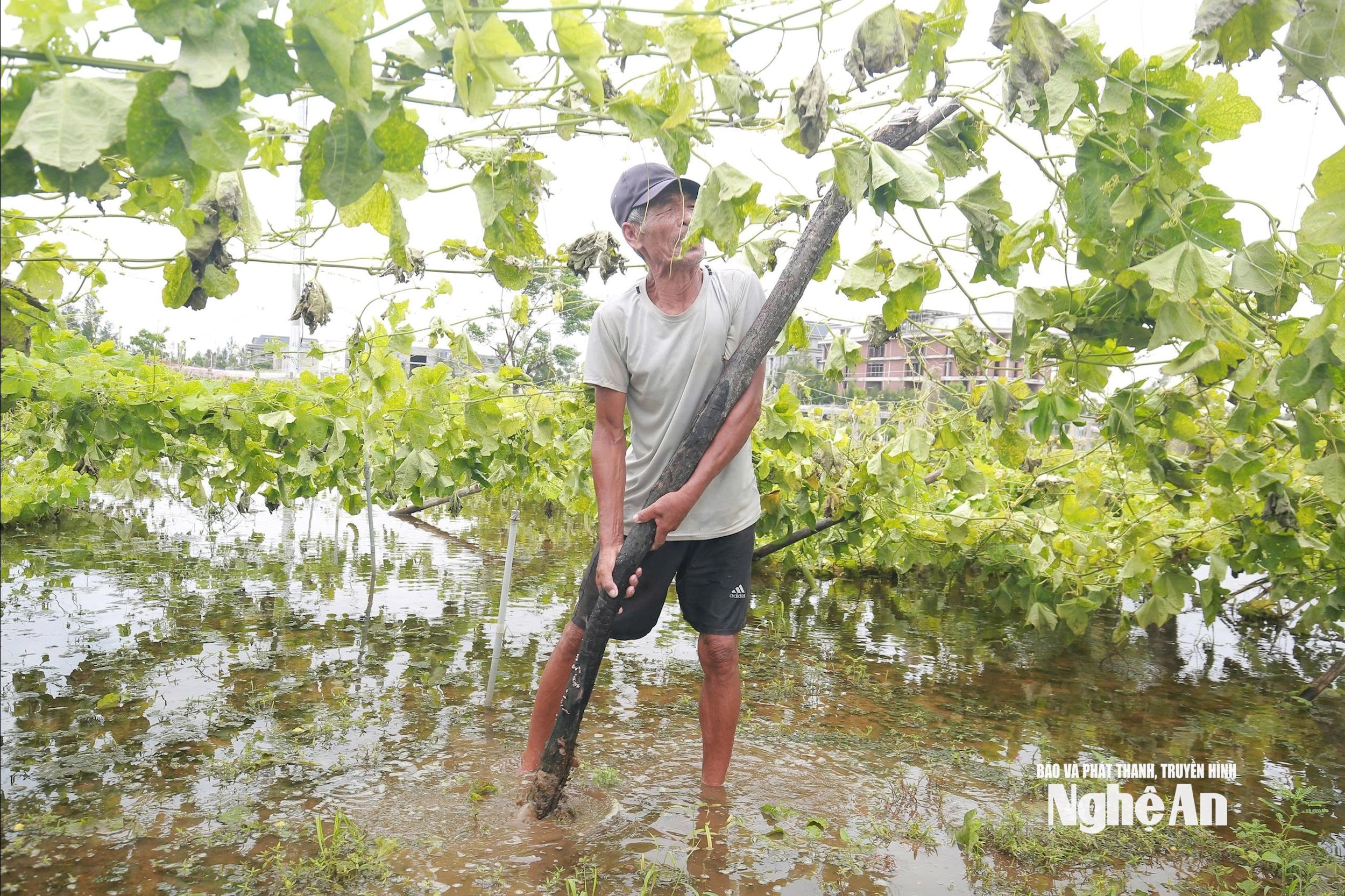
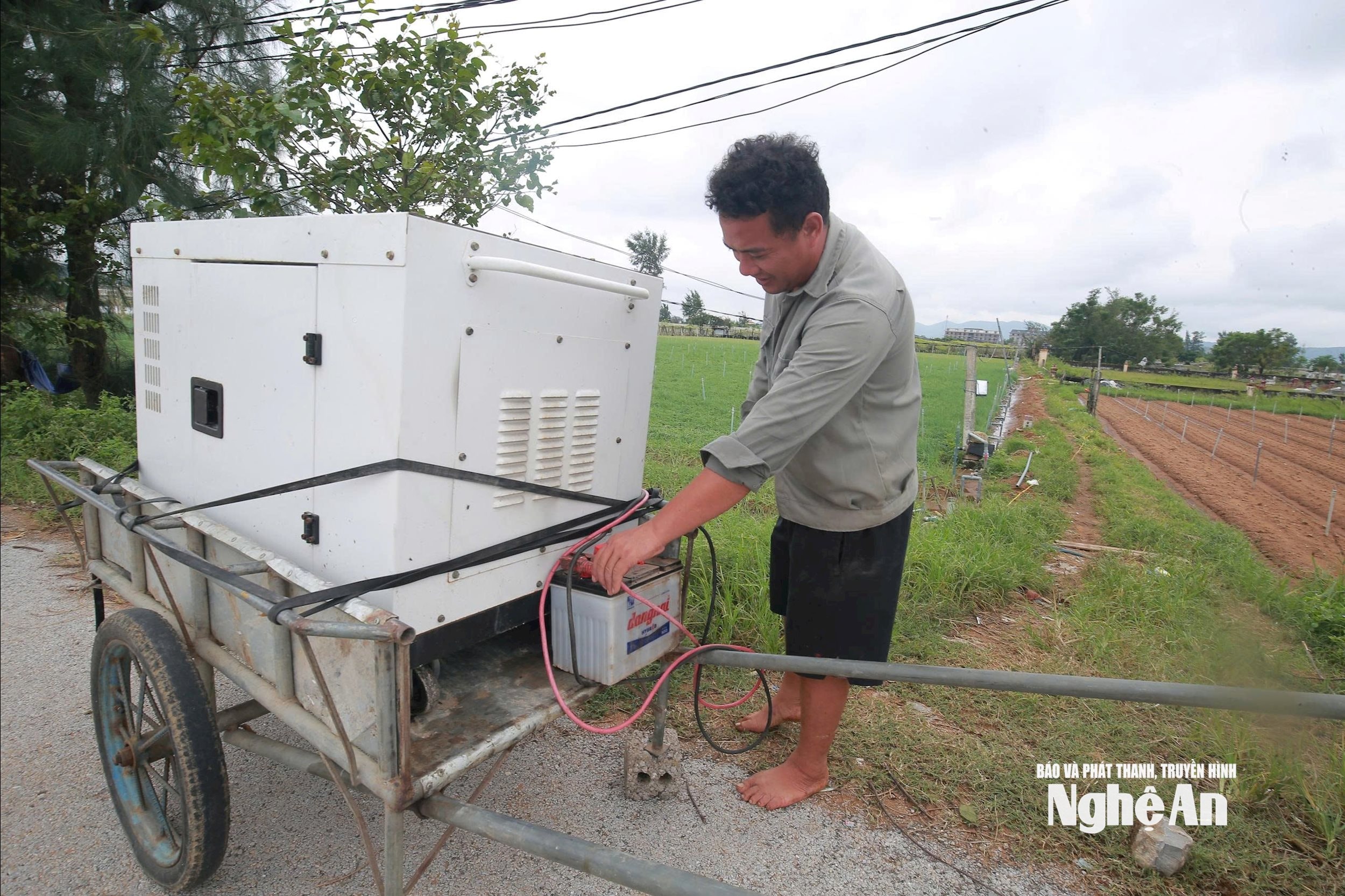
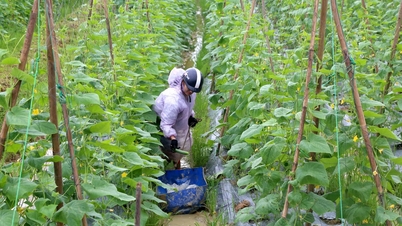
In the vegetable-growing area of Quynh Mai ward, the atmosphere of urgency to recover is evident on every plot of land these days. Mr. Phan Van Tong from Binh Minh village said: “More than 2 acres of my family's fragrant gourds were ready for harvest when the storm hit, knocking down the trellises and causing flooding. Immediately after the storm, I had to hire a pump to run continuously to drain the water. Now, I am working with two laborers to rebuild the trellises and add fertilizer to save the plants.”
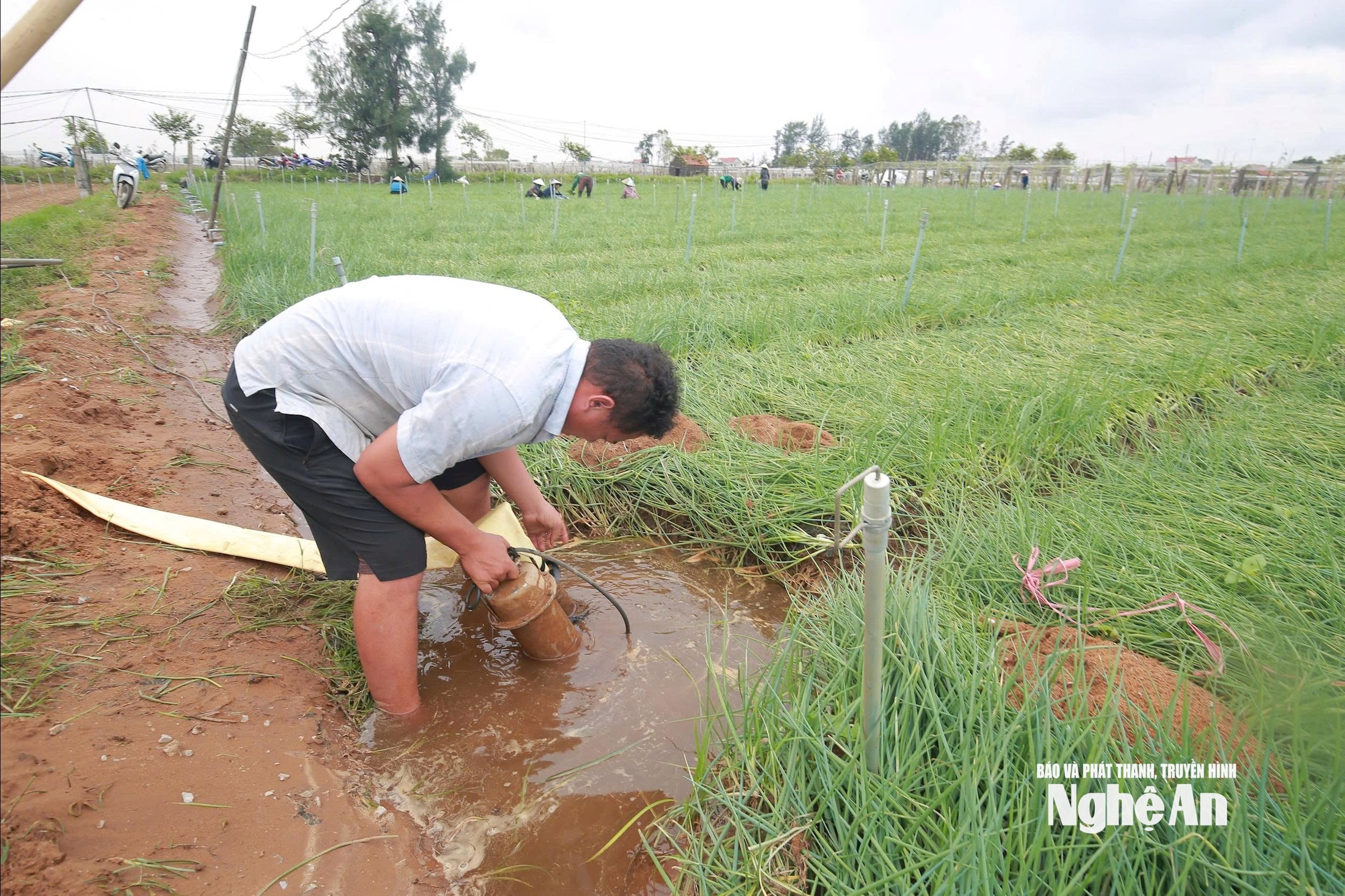
Not only gourds, but also large areas of onions, leafy vegetables, tomatoes, and eggplants have been severely affected. Mr. Nguyen Hong Nam in Quynh Mai ward sighed: "Several acres of onions and vegetables that were ready for sale were flooded. I had to rent a pump to drain the water, which increased the cost, but if I didn't do it, I would lose everything. Although it's expensive, I have to accept it."
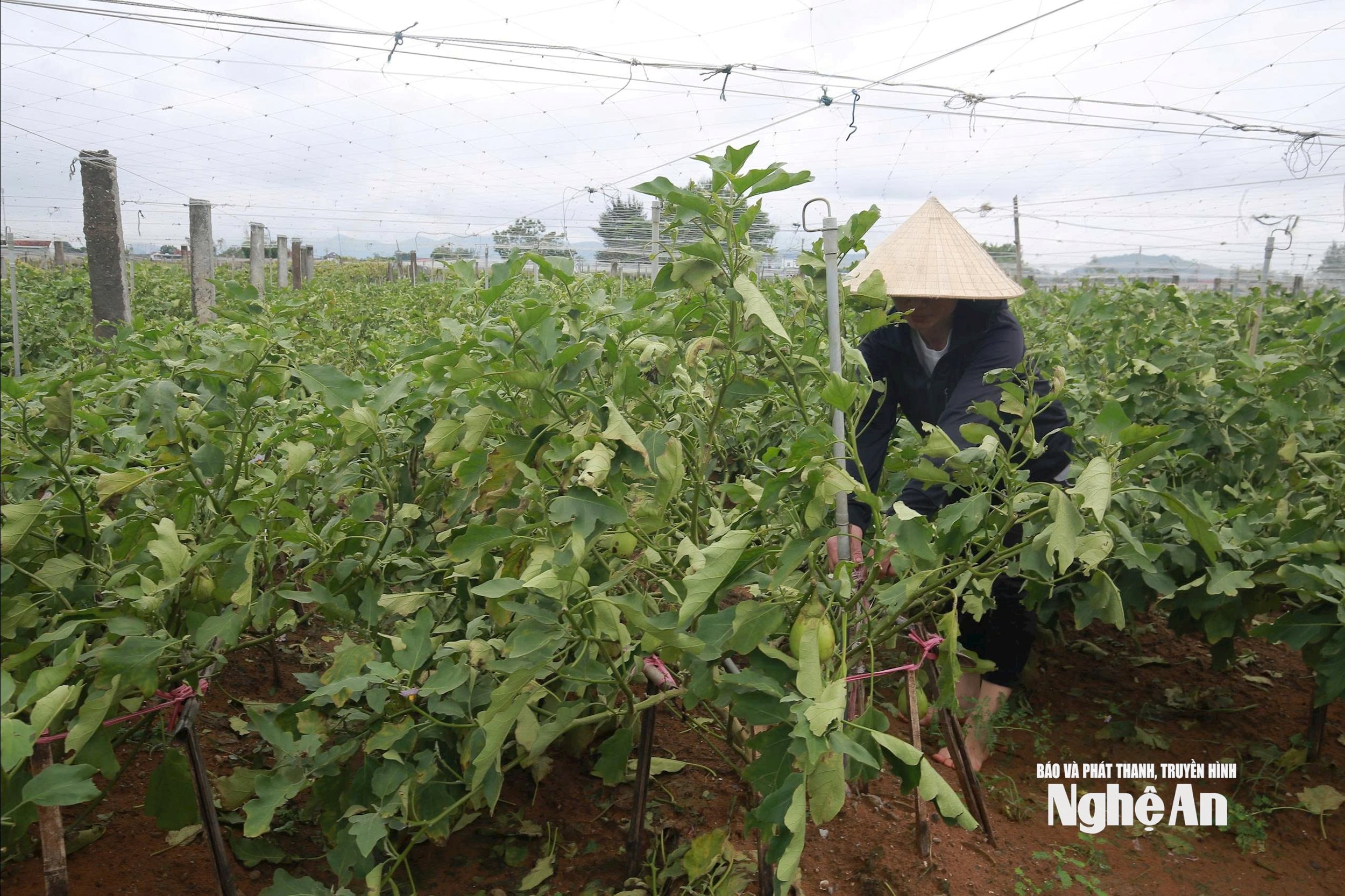
In Quynh Anh commune, many vegetable fields are still deeply submerged in water. In some higher areas, farmers are urgently draining the water, tilling the soil, and caring for areas that can still recover. Ms. Nguyen Thi Xuan, who has one sao (approximately 1000 square meters) of white eggplant, shared: “At this time of year, eggplants are ready for harvest and can be sold for 13,000 VND/kg, but the storm knocked them down and flooded the fields. I have to quickly rebuild the trellises, fertilize, and care for them again to try and recoup some of my losses.”
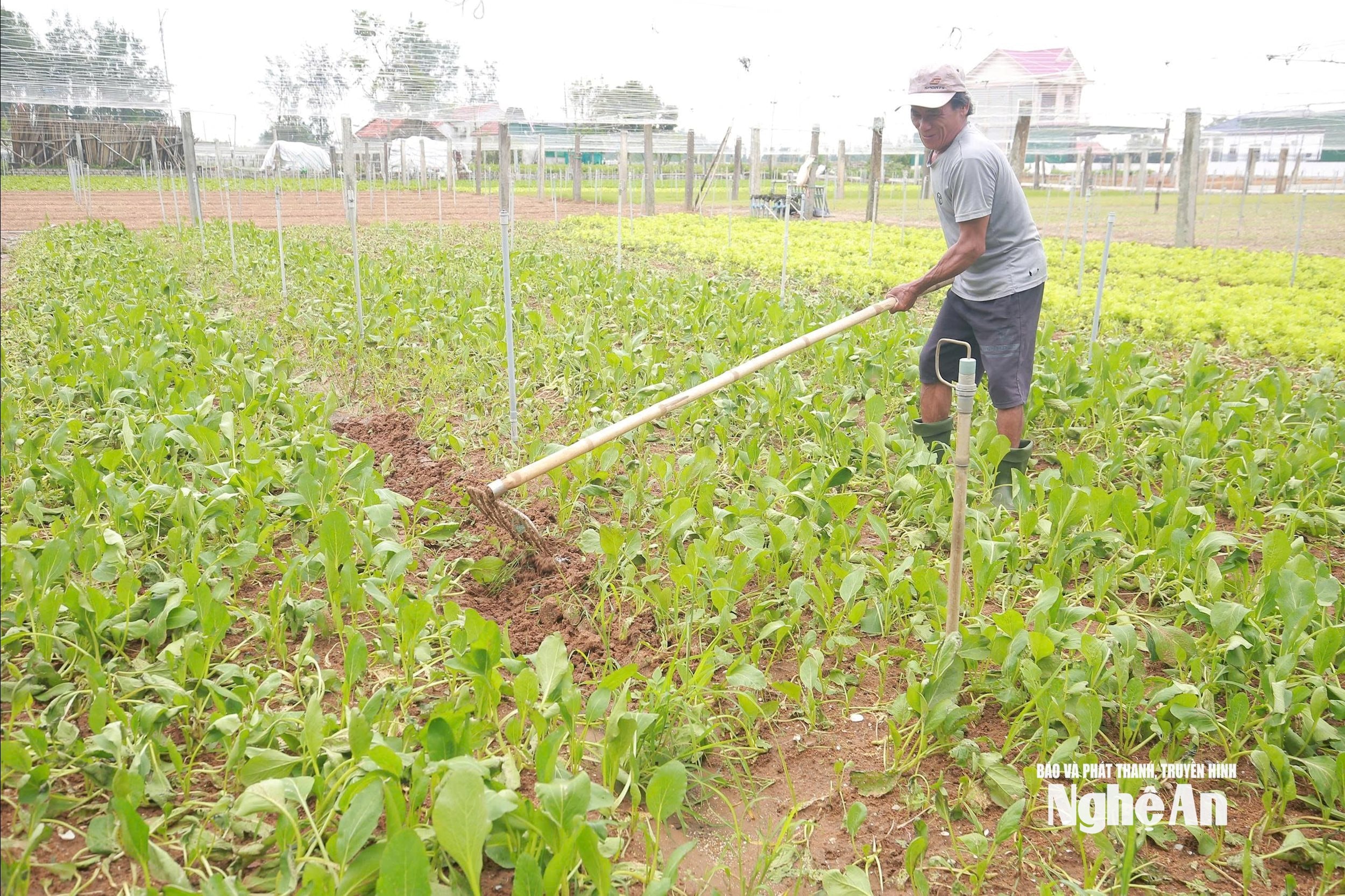
Besides cultivating the current land area, the people are also planning for the upcoming winter crop. Households have started preparing the land, propagating chayote seedlings, and reinforcing the water supply system to ensure timely planting. This proactive and flexible approach is expected to help farmers avoid missing the planting season.
Not only coastal areas but also semi-mountainous communes suffered heavy losses. In Dai Hue commune, 462.7 hectares of summer-autumn rice and 145.3 hectares of other crops were flooded, and nearly 20,000 fruit trees and timber trees were broken or uprooted. Mr. Nguyen Thuc Quang, Head of the Economic Department of the commune, said: “Immediately after the storm, we directed people to focus on draining the water, replanting fallen trees, and providing technical guidance on how to care for the remaining trees. For areas completely destroyed, the commune mobilized people to clear the land and prepare for the new season.”
In Van An commune, the damage was even more severe: Over 800 hectares of corn and vegetables and 250 hectares of fruit trees were damaged by more than 70%; 1,059 hectares of rice were affected, of which 750 hectares were completely destroyed.
Mr. Nguyen Chi Thinh, Head of the Economic Department of the commune, said: “We have sent officials to the grassroots level to guide people in harvesting, draining water, and clearing fallen trees. For fruit trees such as lemons, apples, and guavas, people are advised to prop up the trees, tie stakes, cut off broken branches, and fertilize to help them recover. Although the damage is very significant, people are making efforts every day to overcome it.”
According to a preliminary report from Nghe An province, over 13,361 hectares of rice and more than 2,000 hectares of vegetables were damaged, with many areas completely destroyed. This figure shows the devastating impact of the storm, making the recovery process even more urgent. The provincial Department of Agriculture also promptly issued technical guidance.
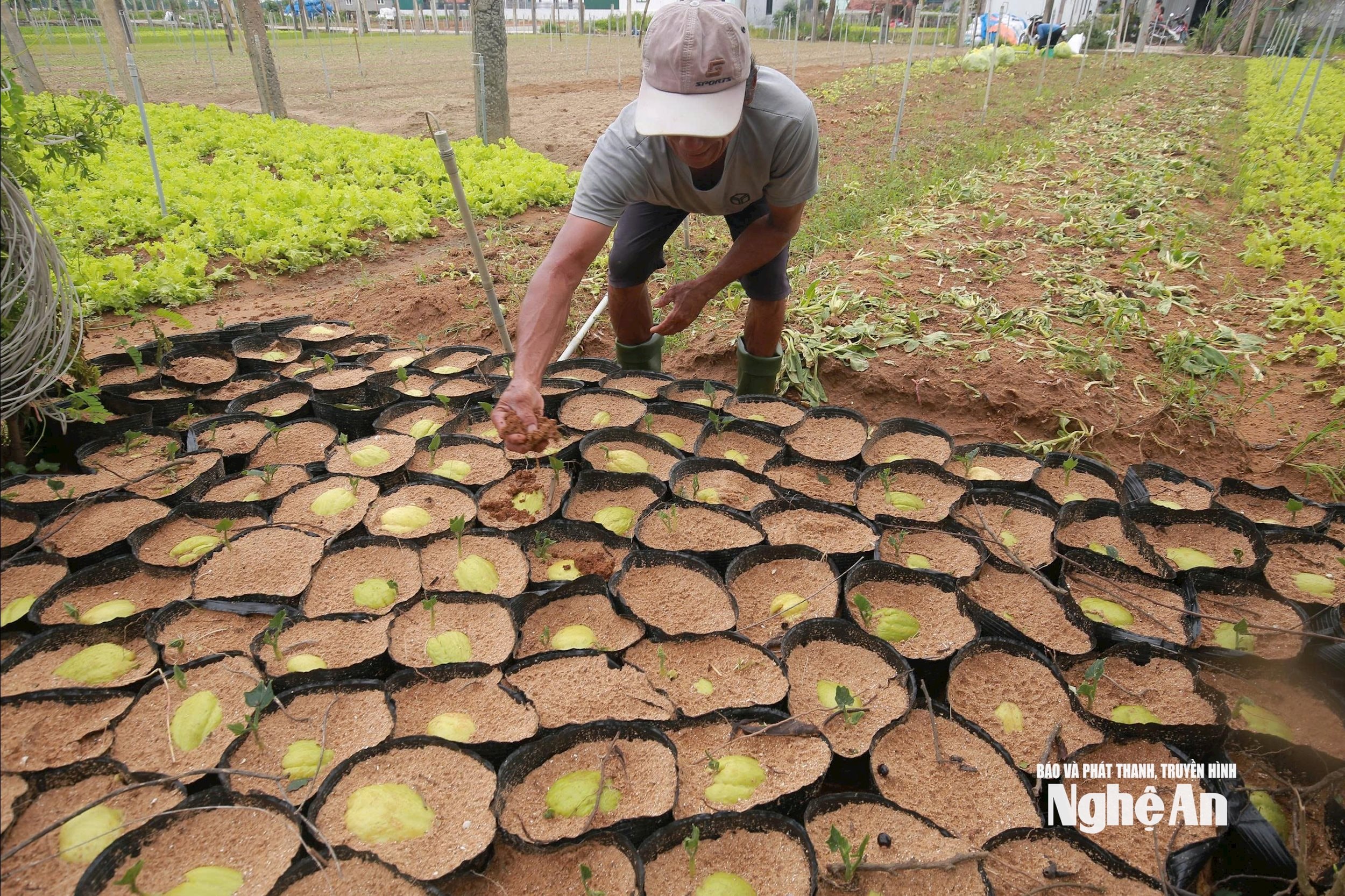
Mr. Phan Duy Hai, Deputy Head of the Department of Crop Production and Plant Protection in Nghe An province , advised: “For fruit trees, after storms, it is necessary to immediately drain the water, straighten the tree trunk, and prevent it from leaning. At the same time, cut off broken branches, loosen the soil around the base, use root stimulants, sprinkle lime powder and disease prevention pesticides. When the tree recovers, supplement with balanced NPK fertilizer, combined with organic biological fertilizer to increase its resistance.”
For areas where vegetable crops have been completely destroyed, the industry encourages farmers to replant short-term crops such as soybeans, potatoes, and cucumbers using minimal tillage methods, or even no tillage at all, in order to shorten the time and reduce costs.
Source: https://baonghean.vn/nong-dan-nghe-an-thue-may-phat-dien-bom-nuoc-cuu-rau-mau-sau-bao-so-5-10305397.html
![[Photo] Prime Minister Pham Minh Chinh holds a phone call with the CEO of Russia's Rosatom Corporation.](/_next/image?url=https%3A%2F%2Fvphoto.vietnam.vn%2Fthumb%2F1200x675%2Fvietnam%2Fresource%2FIMAGE%2F2025%2F12%2F11%2F1765464552365_dsc-5295-jpg.webp&w=3840&q=75)





























































Comment (0)