

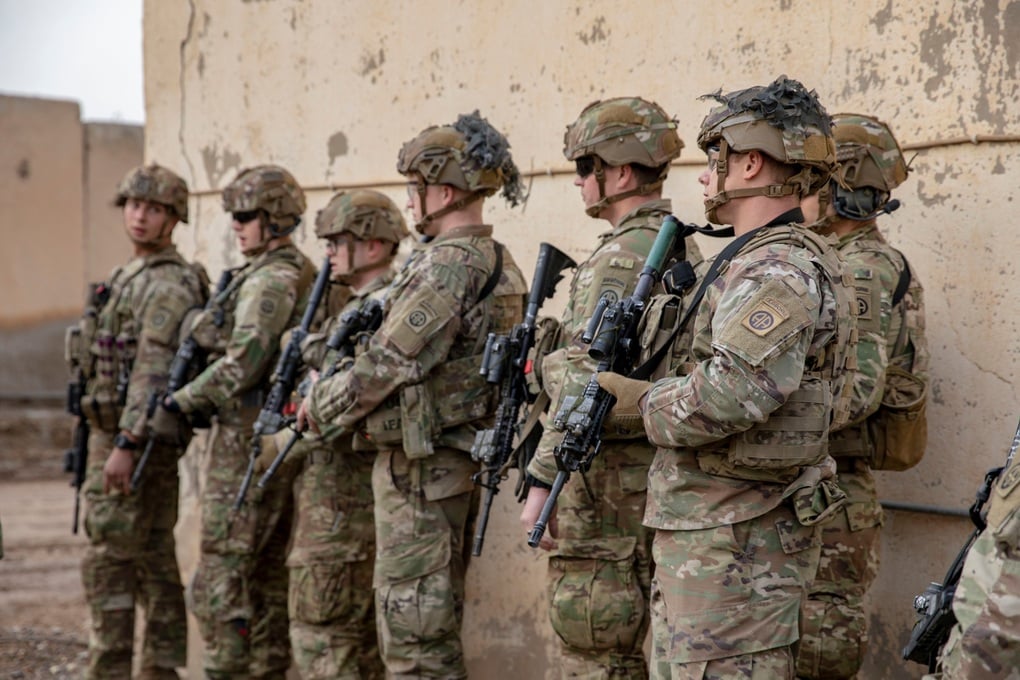
US soldiers conduct base defense exercises at Camp Taji, Iraq, in January 2020 (Photo: US Army).
The day that Biden and his team had feared for more than three months arrived on January 28th, when an attack by Iranian-backed groups left American soldiers bloody in Jordan.
Now, Biden will have to decide how far he is willing to retaliate to avoid sparking a wider war in the Middle East, a prospect he has tried to avoid since Hamas's October 7, 2023 attack on Israel.
3 months walking on a tightrope
Over the past three months, President Biden has remained very cautious in choosing how to respond to more than 150 attacks by Iranian-backed militias against U.S. forces in the Middle East.
Essentially, Biden did not respond to the vast majority of attacks that were successfully thwarted or caused minimal damage, while ordering limited responses to more audacious attacks, particularly by Houthi forces in Yemen.
But what remains unclear is whether Biden will order attacks on targets within Iranian territory, as his Republican critics are urging.
"The question Biden faces is whether he simply wants to react to regional events, or whether he wants to send a larger message to try to restore the deterrence that has been absent in the region for months," Brian Katulis, a senior fellow at the Middle East Institute, told the New York Times .
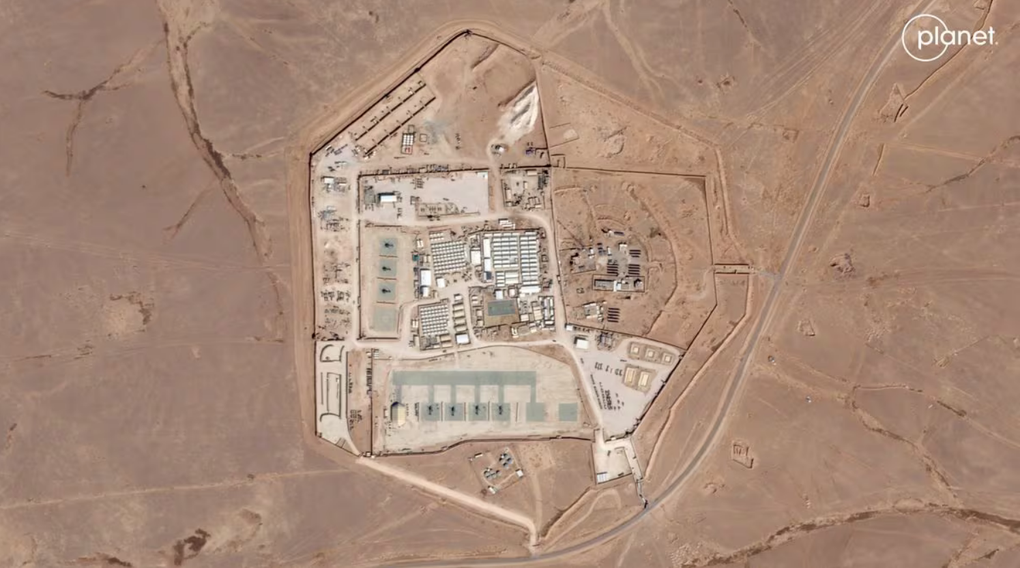
Satellite image from October 12, 2023, showing the location of the attacked US military outpost, known as Tower 22, in Rwaished District, Jordan (Image: Planet Labs)
Katulis observed that the White House is seeking a response that is not so harsh as to provoke a full-scale war, but not so lenient either.
Speaking to the New York Times, a senior U.S. official revealed that Washington currently does not believe Iran intends to start a larger war through the attack in Jordan. However, the analysis is not yet complete.
A larger-scale conflict might serve Iran's purposes, but U.S. officials have long believed that Tehran understands the significant damage that could result from a direct war with the U.S.
What further complicates Biden's decision is that increased aggression against Iran could make it more difficult to end the fighting in Gaza.
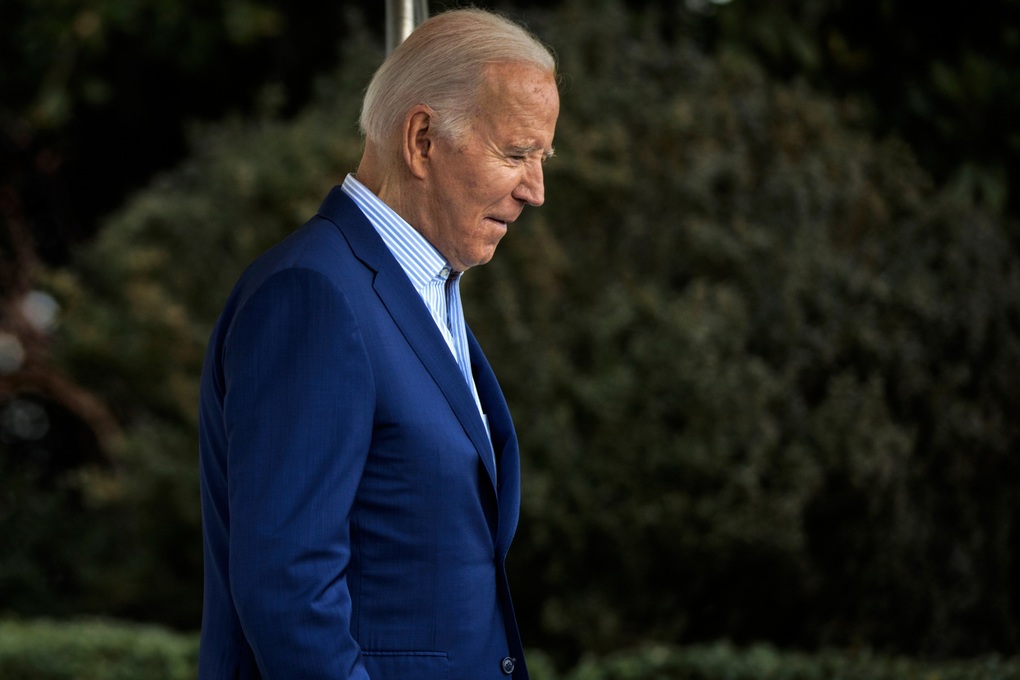
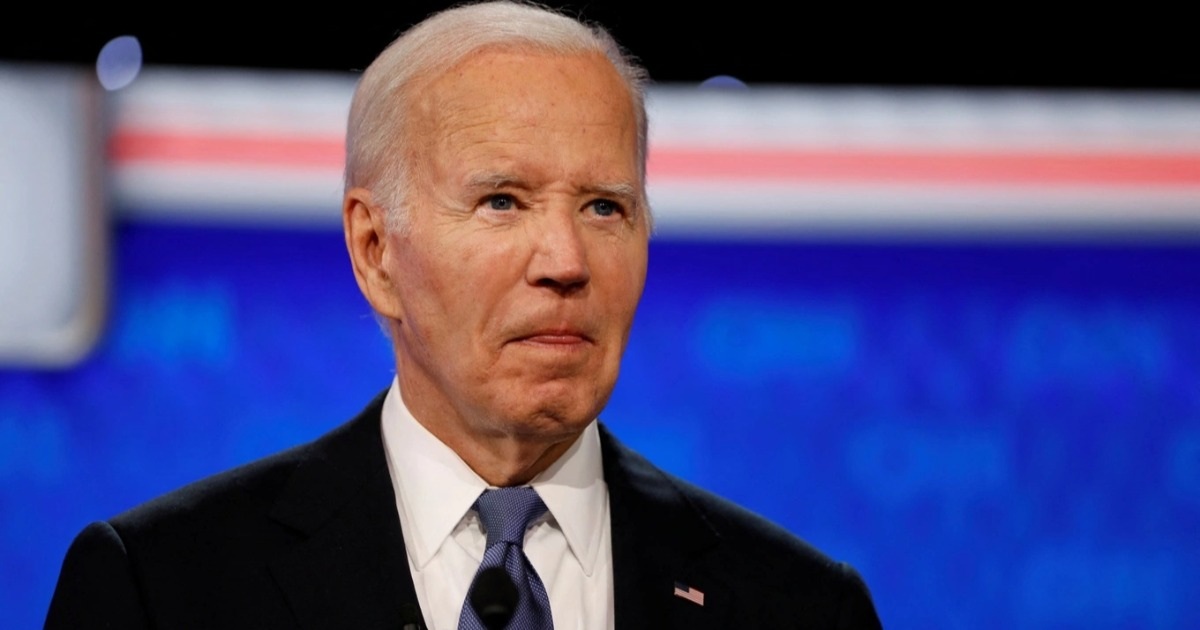
Biden will face a difficult choice (Photo: Sipa/Bloomberg).
Blame
"The whole world is watching for signs that President Biden is finally ready to use American power to force Iran to change its behavior," said Senator Mitch McConnell, the Republican leader in the Senate.
Republican Senator Lindsey Graham put it more bluntly: "Strike Iran now. Strike hard."
For his part, Trump declared that "this attack would never have happened if I were president, not even a chance." But in reality, Iran and its proxies continued to attack U.S. and allied facilities during Trump's presidency, and at one point he even canceled a retaliatory attack that he deemed excessive.
Biden has yet to give any indication of his views, but he has vowed to take action.
"Last night we had a tough day in the Middle East," Biden told a crowd at an event in South Carolina on January 28. "We lost three brave souls in the attack on one of our bases."
After a moment of silence, he emphasized, "And we will retaliate."
Source
![[Image] Hanoi Police officially crowned champions of V-League 2025/2026](https://vphoto.vietnam.vn/thumb/1200x675/vietnam/resource/IMAGE/2026/05/31/1780244769054_ndo_br_039d561b692be875b13a-jpg.webp)


![[Photo] Solemn bathing ceremony and Buddha procession in Hue](https://vphoto.vietnam.vn/thumb/1200x675/vietnam/resource/IMAGE/2026/05/31/1780228263543_1-jpg.webp)
![[Photo] Admire the coral "masterpiece" amidst the million-year-old heritage of Dak Lak province.](https://vphoto.vietnam.vn/thumb/1200x675/vietnam/resource/IMAGE/2026/05/31/1780221235105_anh-man-hinh-2026-05-31-luc-16-53-27.png)
![[Photo] The General Secretary, President and his wife begin their state visit to the Philippines.](https://vphoto.vietnam.vn/thumb/1200x675/vietnam/resource/IMAGE/2026/05/31/1780230559452_anh-man-hinh-2026-05-31-luc-19-28-11.png)













![[Video] Sunset at Lap An Lagoon – Where the sun sets over the fishing nets](https://vphoto.vietnam.vn/thumb/340x192/vietnam/resource/IMAGE/2026/05/31/1780192137701_beach-landscape-sea-water-nature-grass-745871-pxhere-com.jpeg)






































![[Photo] Admire the coral "masterpiece" amidst the million-year-old heritage of Dak Lak province.](https://vphoto.vietnam.vn/thumb/402x226/vietnam/resource/IMAGE/2026/05/31/1780221235105_anh-man-hinh-2026-05-31-luc-16-53-27.png)


































Comment (0)