

Kishida's trip came just hours after he returned to the country on Saturday following a summit with U.S. and South Korean leaders at Camp David. Before leaving Washington on Friday, Kishida said it was time to make a decision on the date for releasing the treated wastewater, which remains unset due to ongoing debates surrounding the plan.
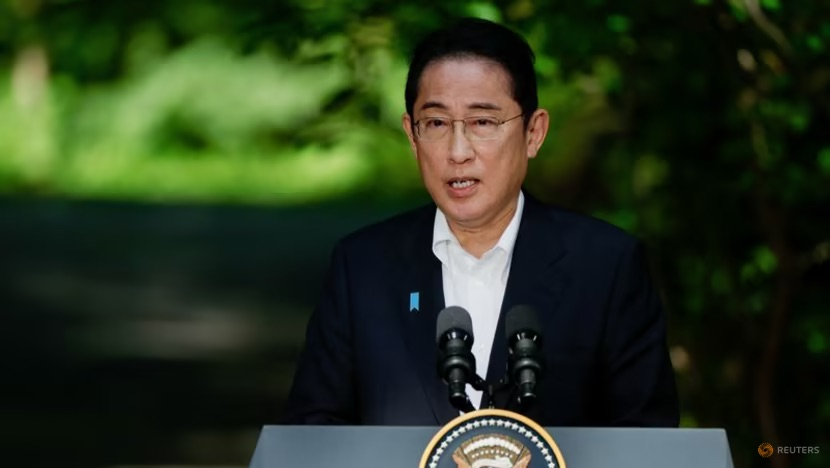
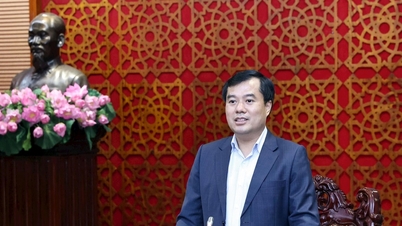
Japanese Prime Minister Fumio Kishida. Photo: Reuters
Since its announcement two years ago, the water release plan has faced strong opposition from Japanese fishing organizations. Groups in South Korea and China have also raised concerns, turning it into a political and diplomatic issue.
Japan has received support from the International Atomic Energy Agency (IAEA) to improve transparency and reliability and ensure its plan meets international safety standards. The Japanese government has also stepped up a campaign to promote the safety of the plan domestically and through diplomatic channels.
In its final report in July, the IAEA concluded that the plan, if implemented as designed, would have negligible impacts on the environment and human health, and the agency encouraged Japan to proceed.
The South Korean government under President Yoon Suk-yeol has recently expressed support for Japan's plan, but he faces domestic criticism.
In a joint press conference at Camp David, President Yoon said he supported the IAEA's safety assessment of the plan but stressed the need for transparent international scrutiny.
Mr. Kishida said that community outreach efforts had made progress, but did not mention a date for the start of water release, which many predict will be in late August.
According to Japanese reports, he is expected to meet with representatives of fishing groups before his ministers decide on the discharge date at a meeting next week.
Mai Anh (according to Reuters, CNA)
Source


![[Photo] Prime Minister Pham Minh Chinh attends the Conference summarizing and implementing tasks of the judicial sector.](/_next/image?url=https%3A%2F%2Fvphoto.vietnam.vn%2Fthumb%2F1200x675%2Fvietnam%2Fresource%2FIMAGE%2F2025%2F12%2F13%2F1765616082148_dsc-5565-jpg.webp&w=3840&q=75)









































































Comment (0)