14,000-year-old artifacts discovered in Direkli cave in Türkiye.
Exploring Direkli Cave with its ancient bear and weasel skulls and flint tools opens up new insights into Pleistocene beliefs.
Báo Khoa học và Đời sống•14/12/2025
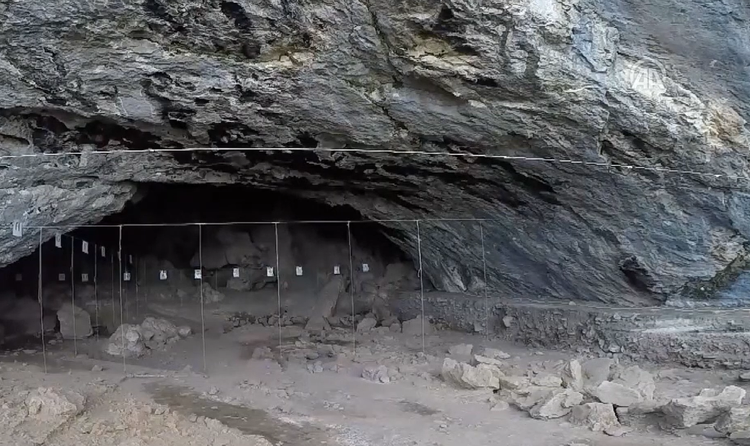
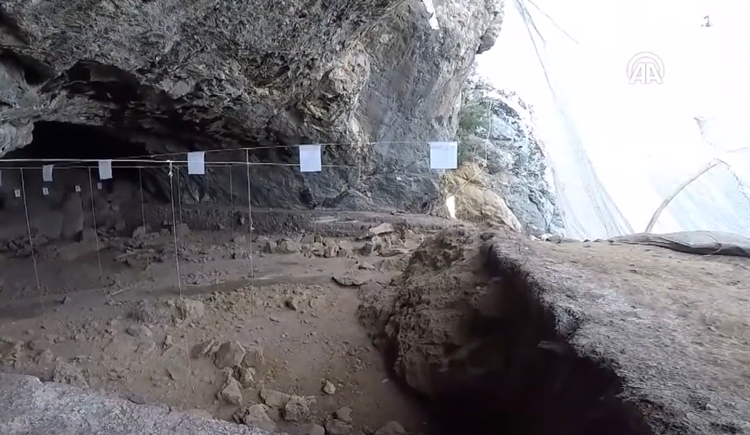
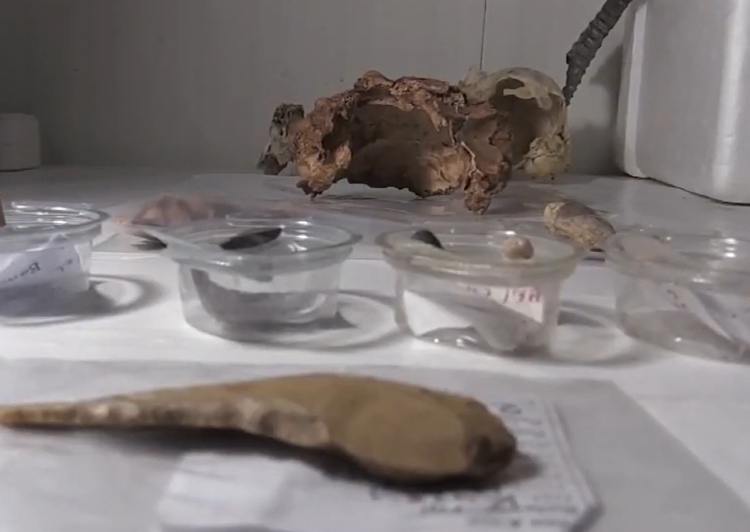
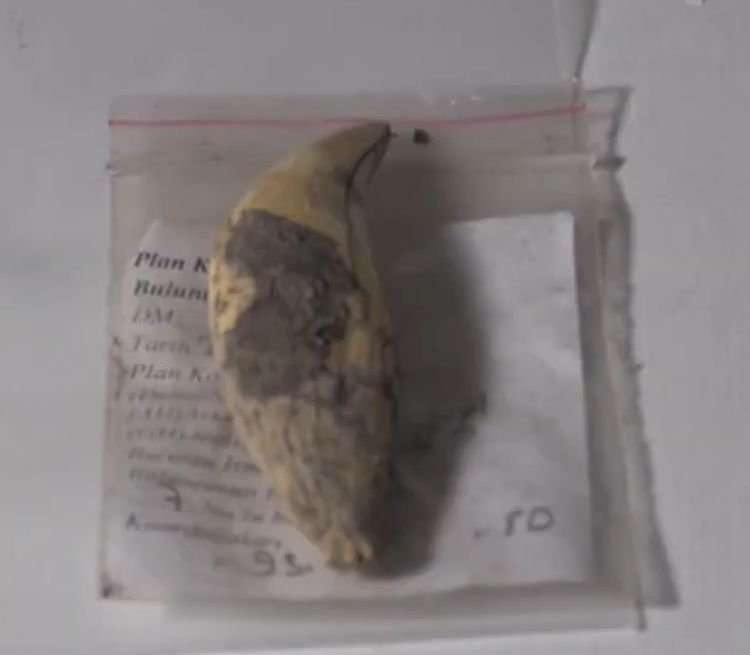
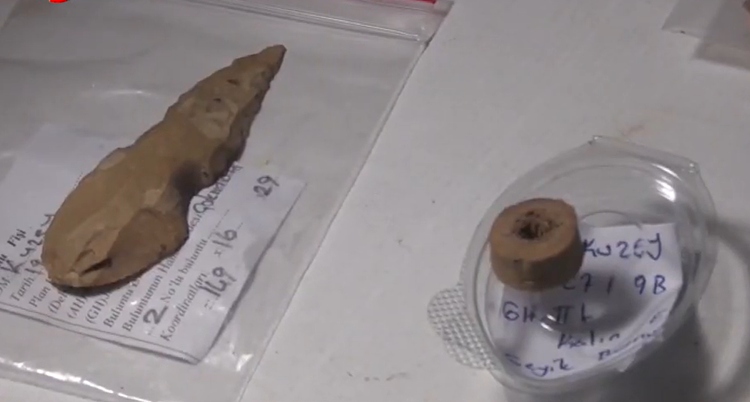
During a lengthy archaeological excavation at Direkli Cave in Kahramanmaraş, Türkiye, experts from Ankara Hacı Bayram Veli University unexpectedly discovered a series of strange ancient artifacts. Photo: @AnkaraHacıBayramVeliUniversity. Specifically, within the ruins found in the Direkli cave, the team of experts discovered bear and weasel skulls. Photo: @Ankara University Hacı Bayram Veli.
These skulls date back approximately 14,000 years, to the Pleistocene epoch. Photo: @Ankara University Hacı Bayram Veli. According to experts, these skulls were used for ancient ritual worship purposes in the caves. Photo: @Ankara University Hacı Bayram Veli.
The discovery of bear and weasel bones and skulls underscores the significant importance of this site to the pagan belief system of that period. Photo: @Ankara University Hacı Bayram Veli. The fact that bears are large, majestic animals, and that the indigenous people incorporate their image and symbolism of strength into their religious worship spaces, must have made them feel stronger and more protected. Photo: @Ankara University Hacı Bayram Veli.
The team also found flint tools, drill bits dating from the Paleolithic period, and teeth and remains of carnivorous, herbivorous, and rodent animals from the Pleistocene epoch in the cave. We invite our readers to watch the video : "Important discovery during archaeological excavation at the Ngườm Rock Shelter site". Video source: @Thai Nguyen Newspaper and Radio & Television.



 Báo Khoa học và Đời sống•14/12/2025









![[Image] Vietnam's colorful journey of innovation](/_next/image?url=https%3A%2F%2Fvphoto.vietnam.vn%2Fthumb%2F1200x675%2Fvietnam%2Fresource%2FIMAGE%2F2025%2F12%2F14%2F1765703036409_image-1.jpeg&w=3840&q=75)



















































![[Image] Vietnam's colorful journey of innovation](https://vphoto.vietnam.vn/thumb/402x226/vietnam/resource/IMAGE/2025/12/14/1765703036409_image-1.jpeg)






























Comment (0)