

According to experts, instead of allowing people to continue living near the railway tracks with many risks, Hanoi could relocate them to a safe area while preserving the architecture and space of the railway street for tourism purposes.
Located in the three wards of Cua Nam, Hang Bong, and Cua Dong (Hoan Kiem district) and partly in Dien Bien ward (Ba Dinh district), the railway-side coffee street has become an attractive check-in spot for international tourists visiting Hanoi in recent years.
In response to this situation, the Vietnam Railways Corporation has repeatedly sent written requests to Hanoi to strictly manage and prevent activities serving tourists that compromise safety on the national railway line.
The Hanoi People's Committee has also requested a decisive solution to the problem of businesses encroaching on the railway tracks, which compromises security and safety in the area. The wards where the railway passes have put up prohibition signs, erected barriers, and assigned security guards to be on duty at both ends of Tran Phu and Phung Hung streets, but the street remains bustling with customers.
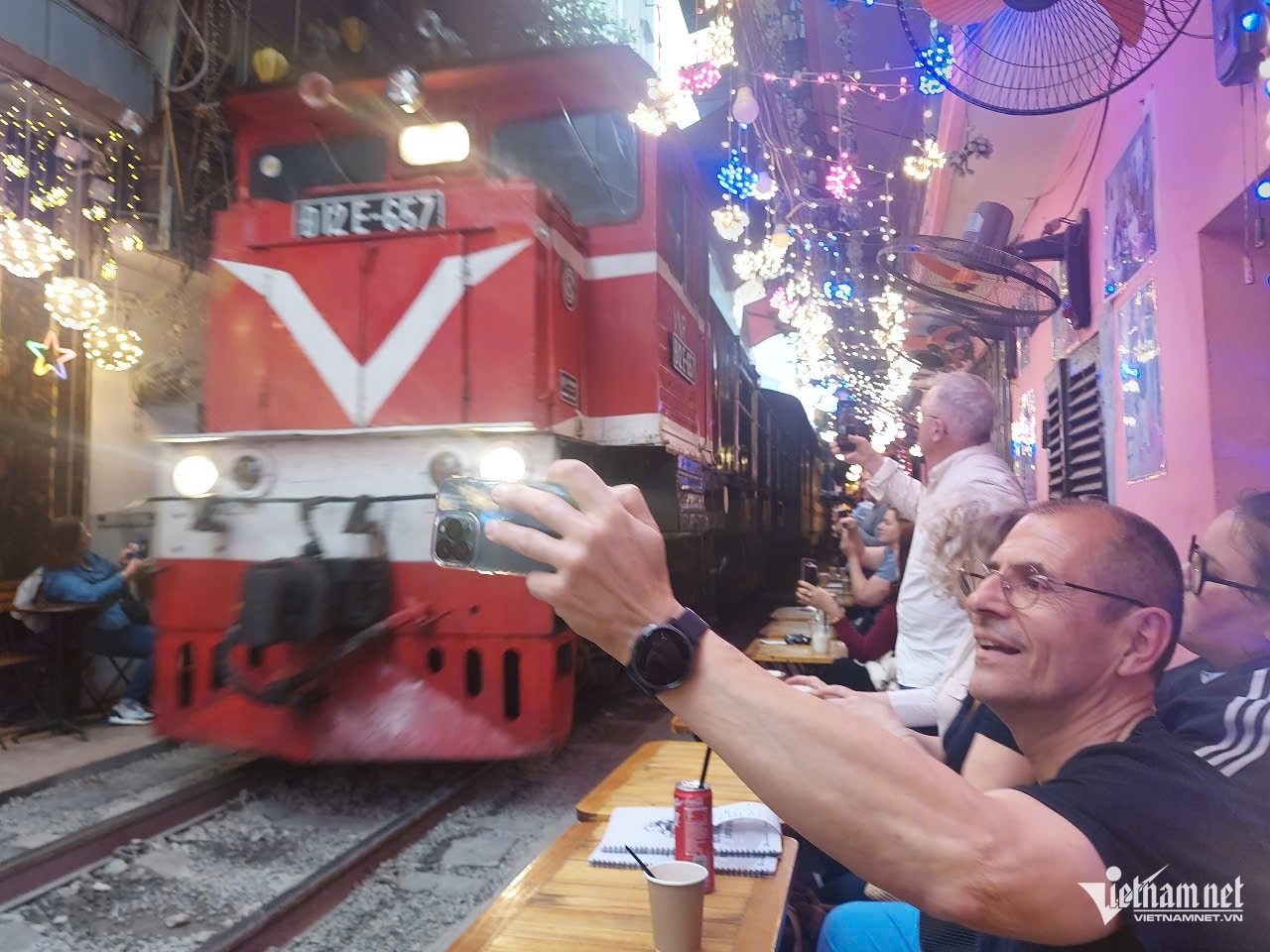
According to Mr. Trinh Hoang Tung, Vice Chairman of Hoan Kiem District, there are currently about 78 households living within the railway protection zone and railway traffic safety corridor. These households are located in three wards: Cua Nam, Cua Dong, and Hang Bong.
"They mainly make a living from business activities. Tourism services (mainly coffee and beverages) have boomed since 2018, concentrated in Hang Bong and Cua Dong wards, posing potential traffic safety risks," Mr. Tung informed.
Despite the district implementing a series of measures, including requiring 100% of households to sign a commitment not to repeat the violation and not to display chairs that obstruct traffic, the situation continues to recur.
"The reason is the curiosity of tourists, especially foreigners, who want to experience the sight of trains running through the urban area, despite warnings of danger," Mr. Tung informed.
Relocate the railway line out of the city center or relocate the residents.
To thoroughly address this situation, Mr. Nguyen Xuan Minh, Vice Chairman of the Dien Bien Ward People's Committee, proposed that the competent authority relocate the railway line out of the inner city, or clear the residential areas encroaching on the railway safety corridor.
Sharing the same view, Mr. Trinh Hoang Tung also believes that relocating the railway out of the inner city is a radical solution to end the risk of traffic accidents. "However, this is a national railway line; the relocation not only concerns Hanoi but requires a comprehensive plan for the entire Vietnamese railway system, demanding significant resources," Mr. Tung expressed his concern.
This was also the issue that the Chairman of the Committee on Delegate Affairs, Nguyen Thanh Hai, expressed his concerns about at the meeting of the National Assembly Standing Committee on March 10th to give opinions on the draft Law on Railways (amended).
Citing examples like the bustling street with cafes along the railway line, or the densely packed houses along the Giai Phong road, Ms. Hai argued that a huge amount of money would be needed to relocate residents from the railway corridor.
According to our investigation, more than 80 households living in the railway-side coffee street in Hoan Kiem and Ba Dinh districts are households that existed before the Land Law and the Railway Law came into effect, mostly housing former railway employees.
"The households have lived for many years within the railway corridor, with only one access route along the tracks. Completely demolishing the railway-side coffee street faces many obstacles due to historical factors. Relocation would require significant resources to resettle these households," Mr. Tung explained.
Ms. Duong Thi Thuy Hanh, a coffee shop owner on this street, said that her family, spanning three generations, has lived here for many years. Their livelihood depends solely on these few meters of railway corridor. She is willing to relocate if the authorities arrange a resettlement area and provide job opportunities.
As someone working in the tourism industry, Mr. Duong Van Tien, CEO of a tourism and service company, believes he understands very well the value that the railway-side coffee street brings to Hanoi.
This is a unique check-in spot that attracts a large number of domestic and international tourists. The question is: Should we preserve the status quo, completely relocate it, or find a compromise?

"I believe that maintaining the railway street as an official tourist destination is entirely feasible, but it requires careful planning to ensure safety. Looking at the world, similar areas like the Maeklong railway market in Thailand or other preserved historical tourist areas can still develop without affecting traffic and the safety of the people," Mr. Tien expressed.
Because the essence of tourism is not just about enjoyment, but also about preserving cultural values and creating sustainable economic benefits for local communities.
Therefore, this CEO argues that instead of letting people continue living near the railway tracks with many risks, Hanoi could relocate them to a safe area while preserving the architecture and space of the railway street for tourism purposes.
"Hanoi should transform this area into an official tourist destination, with well-planned operating hours, traffic safety, and service businesses. This should create opportunities for local residents to become tourism operators, instead of losing their livelihoods due to relocation," Mr. Tien suggested.
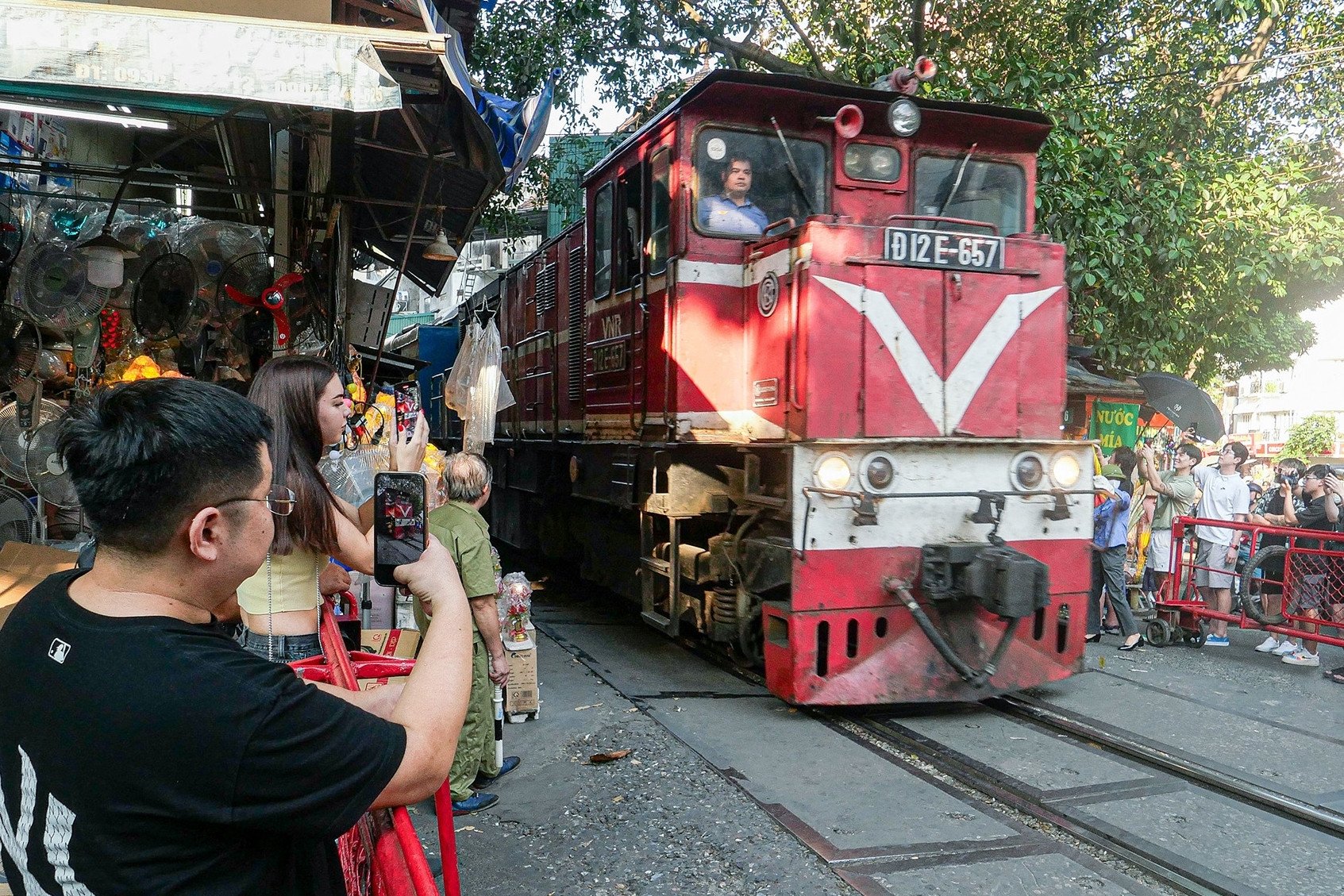
Relocating the railway street in Hanoi would require a huge amount of money.
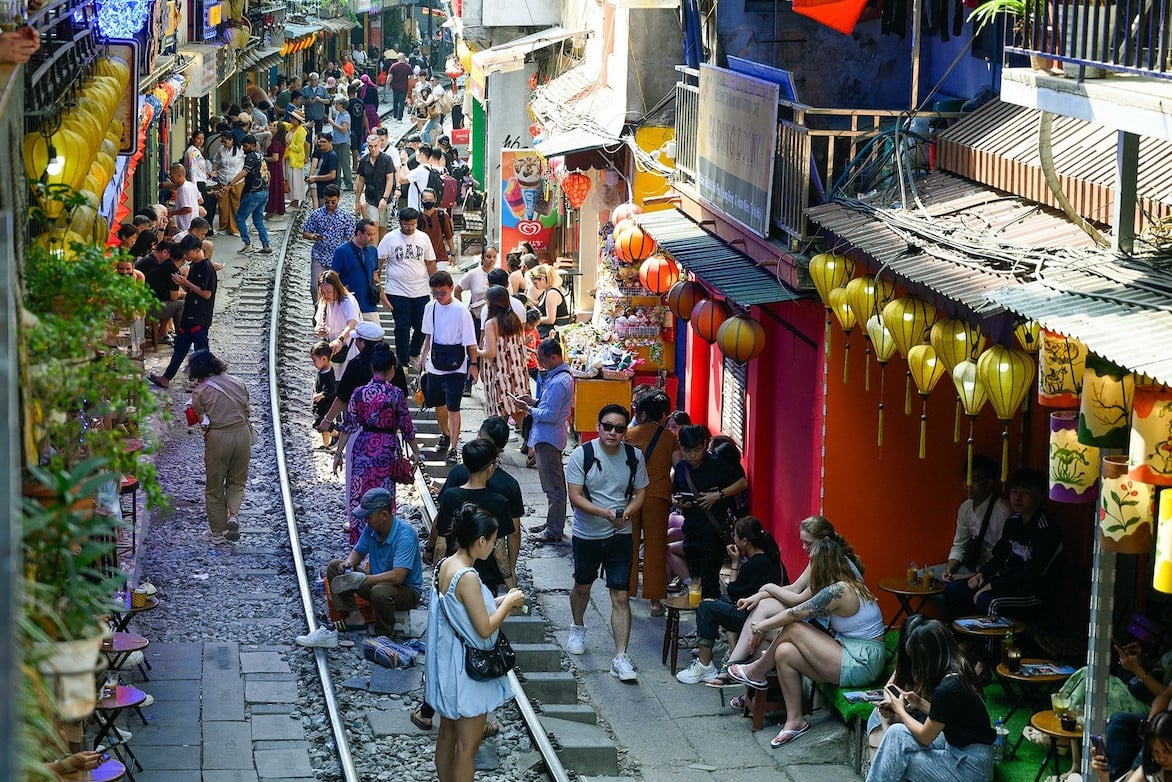
Is the railway-side coffee street in Hanoi a unique feature, or a restricted area?
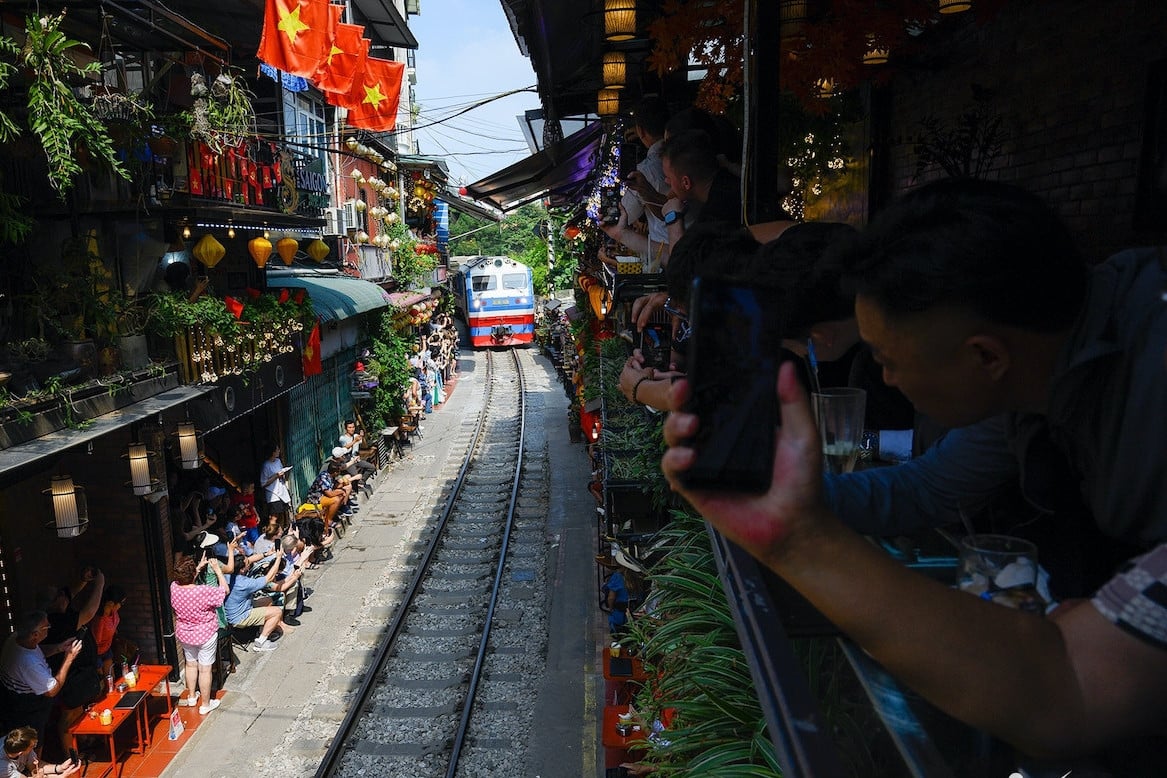
Why are the cafes along the railway tracks in Hanoi once again crowded?
Source: https://vietnamnet.vn/pho-ca-phe-duong-tau-nen-giai-toa-hay-giu-lai-lam-du-lich-2380444.html

























































































Comment (0)