

Apple, Tesla, and Starbucks will face numerous challenges during President-elect Donald Trump's second term due to volatile market conditions and deteriorating US-China relations.
The era of being a "promised land" is over.
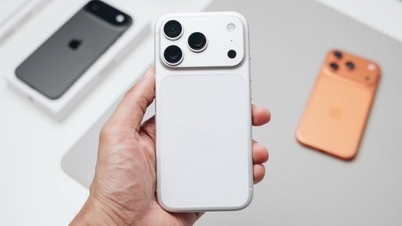
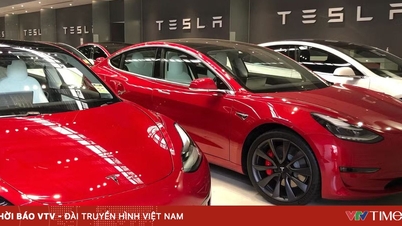
Apple, Tesla, and Starbucks are American brands with significant influence in China. The presence of these giants is not only a testament to their business success but also a symbol of goodwill between the two countries over the years. Many Chinese people have long been accustomed to driving Teslas, holding Starbucks cups, and browsing on iPhones.
The CEOs of these three "giants" have also become "goodwill ambassadors" for the United States in the billion-person market. Billionaire Elon Musk, the founder of Tesla, has repeatedly visited Zhongnanhai, a heavily guarded workplace and residence for high-ranking Chinese leaders.
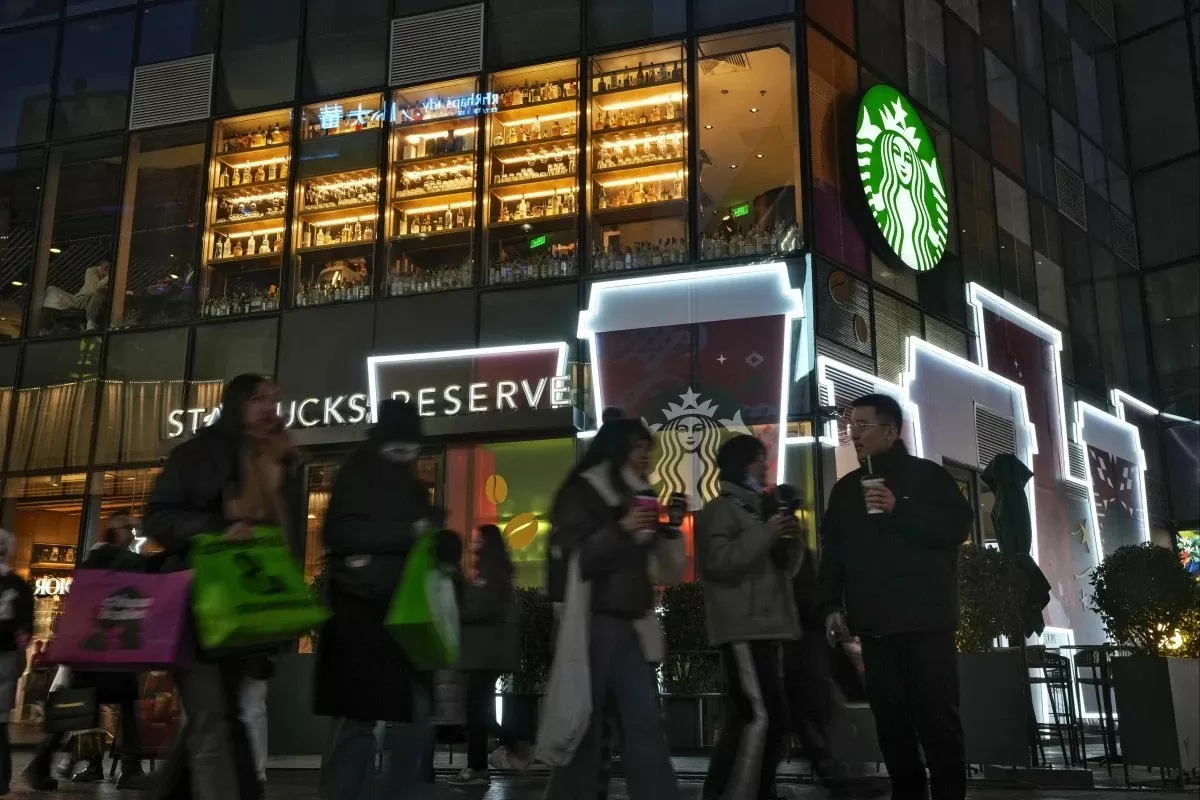 |
| Apple, Tesla, and Starbucks are the most influential American brands in China. (Source: SCMP) |
Apple CEO Tim Cook heads an international advisory committee at the prestigious Tsinghua University, giving him direct access to Chinese leaders.
In 2021, Chinese President Xi Jinping wrote a letter to Howard Schultz, honorary chairman of Starbucks, encouraging the iconic brand to play an active role in promoting economic and trade relations between the two countries.
However, observers believe that this close relationship could face many challenges during Trump's second term due to volatile market conditions and deteriorating US-China relations.
First of all, the Chinese market is becoming more difficult for these brands to conquer. After years of expansion in China, Starbucks' expensive lattes and complex mixed drinks are now no longer suitable for consumer trends in the country of over a billion people.
It's possible that in the future, Starbucks will become a franchise brand like McDonald's or Coca-Cola, with the brand remaining American but operations run by Chinese companies.
Furthermore, Apple is also facing fierce competition from domestic brands such as Huawei and Xiaomi. Tesla is also under similar pressure in the electric vehicle sector, as domestic brands are increasingly catching up in design and manufacturing capabilities.
Furthermore, a lack of a unified data management system could lead to increased costs for American brands operating in China. The Great Firewall has long been a major obstacle for foreign internet companies like Google and Facebook.
Meta owner Mark Zuckerberg's tireless but unsuccessful efforts to bring his social network to China only further confirm that Beijing is determined not to compromise cybersecurity to meet the business ambitions of American companies.
"A cornerstone" for balancing US-China relations.
In the age of artificial intelligence and Big Data, most cross-border businesses face similar challenges. Apple is still awaiting approval from Beijing to bring Apple Intelligence to iPhone users in China, even though CEO Tim Cook has already made three visits to the country in 2024.
Meanwhile, Tesla also has to "wait" for the approval of the world's most populous country for its fully autonomous driving technology.
These two tech giants are likely to receive the green light in the future. Apple and Tesla are expected to strictly adhere to data storage and protection regulations, similar to how ByteDance's TikTok must comply with stringent data regulations in the US.
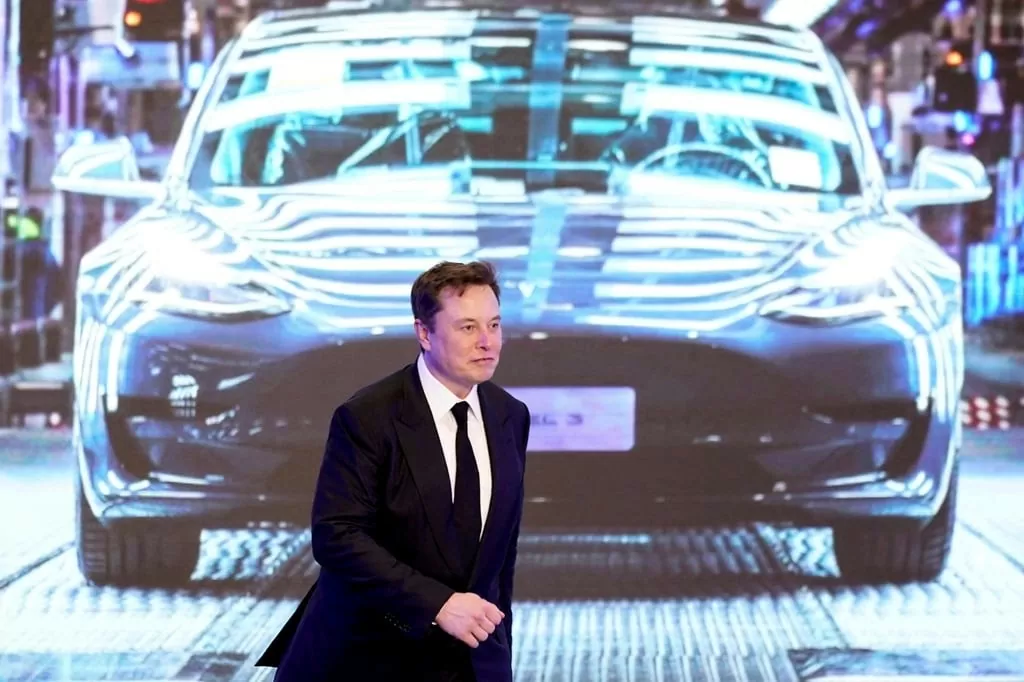 |
| Billionaire Elon Musk at the launch of Tesla's China-made Model Y in Shanghai in 2020. (Source: Reuters) |
However, Apple, Tesla, and Starbucks may face a wave of political backlash at home as Washington tightens scrutiny, even on routine business dealings with China.
A US congressman has warned that billionaire Elon Musk's relationship with Beijing could be exploited, posing a risk to national security.
As strategic competition between the world's two leading powers intensifies, many American companies – once considered models of business success in China – have had to scale back their presence in the market.
This is not an optimistic outlook, as these business relationships were once considered the "cornerstone" of the balance in US-China relations.
In this context, the continued success of Apple, Tesla, and Starbucks in China is not only vital to the survival of these giants themselves but also contributes to maintaining stability in bilateral relations.
In summary, the success or failure of leading brands like Apple, Tesla, and Starbucks in China not only reflects the challenges American companies face amid increasingly tense US-China relations, but also tests the ability of the two superpowers to maintain economic ties.
In a volatile world, finding a balance between business interests and political pressure will be a key factor shaping the future of both businesses and political and diplomatic relations.
Source: https://baoquocte.vn/so-phan-nhung-ga-khong-lo-my-tai-trung-quoc-se-ra-sao-trong-nhiem-ky-thu-hai-cua-ong-trump-295147.html
![[Photo] Prime Minister Pham Minh Chinh holds a phone call with the CEO of Russia's Rosatom Corporation.](/_next/image?url=https%3A%2F%2Fvphoto.vietnam.vn%2Fthumb%2F1200x675%2Fvietnam%2Fresource%2FIMAGE%2F2025%2F12%2F11%2F1765464552365_dsc-5295-jpg.webp&w=3840&q=75)



![[Photo] Closing Ceremony of the 10th Session of the 15th National Assembly](/_next/image?url=https%3A%2F%2Fvphoto.vietnam.vn%2Fthumb%2F1200x675%2Fvietnam%2Fresource%2FIMAGE%2F2025%2F12%2F11%2F1765448959967_image-1437-jpg.webp&w=3840&q=75)





























![[OFFICIAL] MISA GROUP ANNOUNCES ITS PIONEERING BRAND POSITIONING IN BUILDING AGENTIC AI FOR BUSINESSES, HOUSEHOLDS, AND THE GOVERNMENT](https://vphoto.vietnam.vn/thumb/402x226/vietnam/resource/IMAGE/2025/12/11/1765444754256_agentic-ai_postfb-scaled.png)
































Comment (0)