

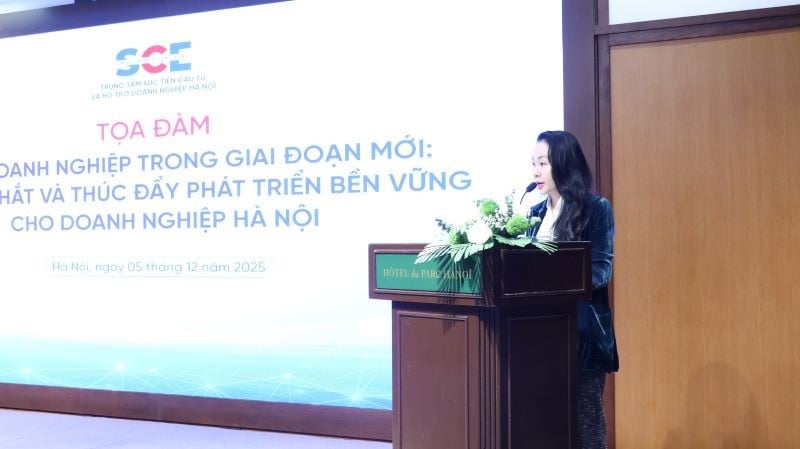
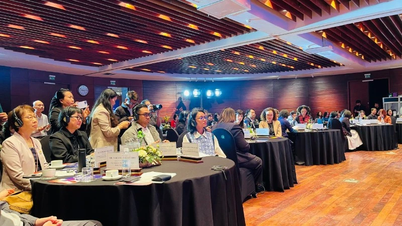
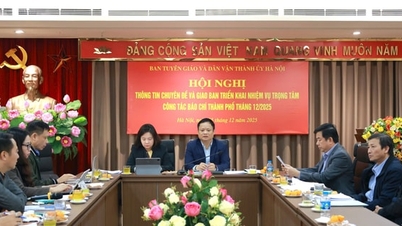
Attending the program were Mr. Tran Quang Hung - Deputy Head of Hanoi Tax Department; Ms. Nghiem Thi Hoang Anh, Deputy Director of Hanoi Center for Investment Promotion and Enterprise Support; Ms. Nguyen Thi Cuc - President of Vietnam Tax Consulting Association, along with leading experts and many businesses in the city.
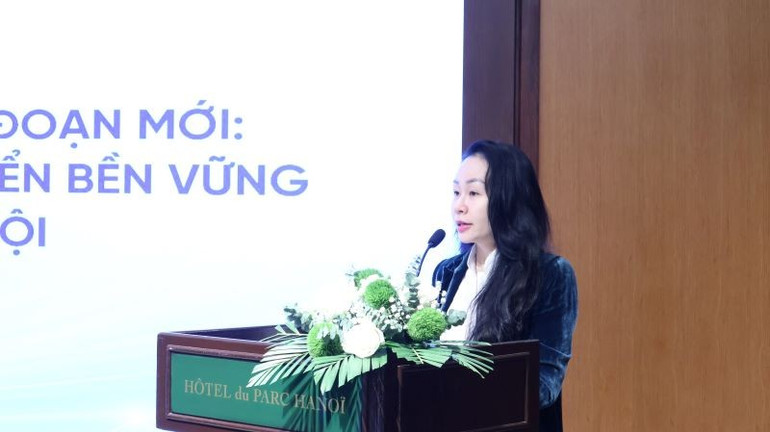
In her opening speech, Deputy Director of the Hanoi Center for Investment Promotion and Enterprise Support, Nghiem Thi Hoang Anh, emphasized: The city is strongly implementing the "pioneering, breakthrough" orientation in improving the investment environment, while the tax sector nationwide is implementing the Tax Reform Strategy to 2030 with the goal of building a modern, streamlined and transparent tax system. These major movements, along with the amendment of the Law on Corporate Income Tax, the Law on Value Added Tax and the enhancement of digital tax management using big data, are directly impacting the production and business activities of Hanoi enterprises.
Ms. Nghiem Thi Hoang Anh said that the seminar was organized to clarify major changes in tax policy, analyze common problems that businesses often encounter, and find practical solutions to help businesses reduce compliance costs, take advantage of preferential mechanisms under the Capital Law 2024 and develop sustainably. “Hanoi always cares, accompanies, and creates the most favorable conditions for the business community. In addition to issuing policies, the City pays special attention to supporting implementation, typically the 60-day peak campaign to support digital transformation of the Hanoi Tax Department,” she affirmed.

Representatives of the Center for Investment Promotion and Enterprise Support also expressed their hope that the discussion would be an opportunity to find out the "bottlenecks" that are hindering businesses, and together build "key" solutions to help businesses in the capital develop effectively, sustainably and improve competitiveness in the new period.
In the thematic discussion, experts and management agencies analyzed in depth the major changes in tax policy and new adaptation requirements for businesses. Associate Professor Dr. Le Xuan Truong, Head of the Faculty of Taxation and Customs (Academy of Finance), presented tax reform trends and key changes in the corporate tax system. He emphasized that businesses need to quickly approach modern tax management thinking and proactively review operations to meet new compliance standards.
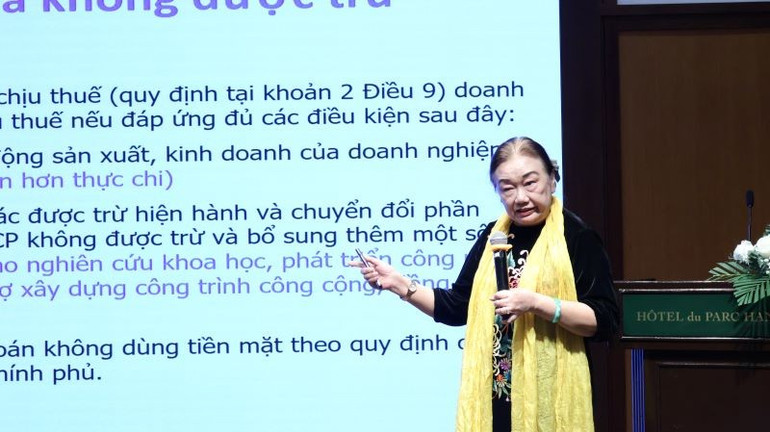
Chairwoman of the Vietnam Tax Consulting Association, Ms. Nguyen Thi Cuc, focused on clarifying the risks and common violations of Hanoi enterprises in the process of fulfilling tax obligations, from deductible expenses, electronic invoices to tax refund dossiers. According to her, many risks can be minimized if enterprises build a systematic tax dossier system, operating according to the principle of "prevention is better than cure".
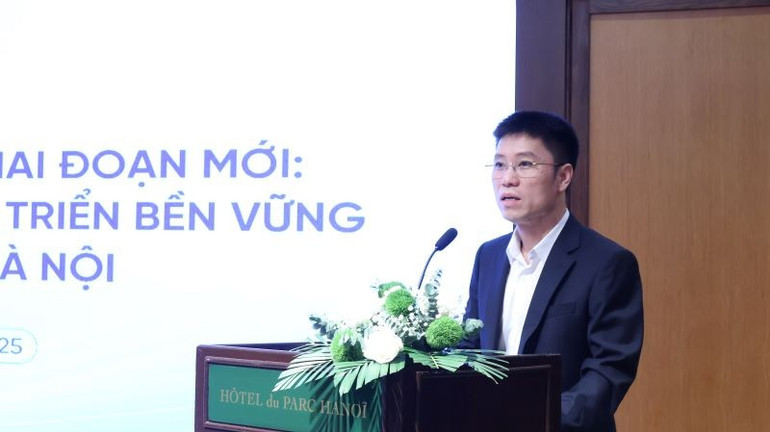
Representative of Hanoi Tax Department, Mr. Tran Quang Hung, said that Hanoi tax industry is synchronously implementing solutions to support businesses, such as strengthening the risk-based tax management model, reducing the pressure of inspection and examination for businesses with good compliance, and promoting the application of digital technology in receiving, processing and serving taxpayers.
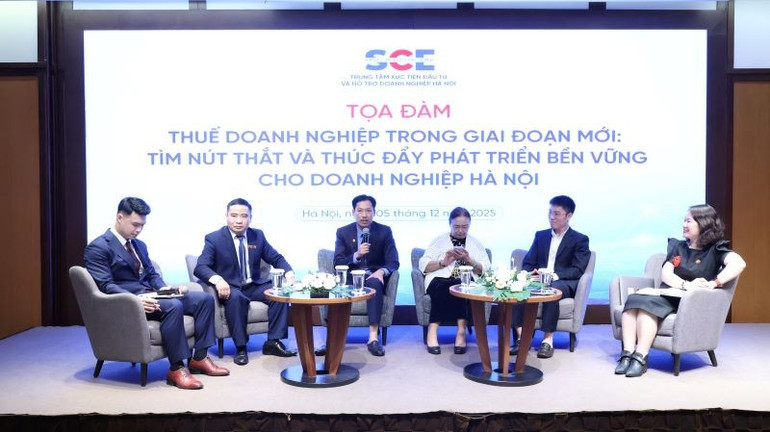
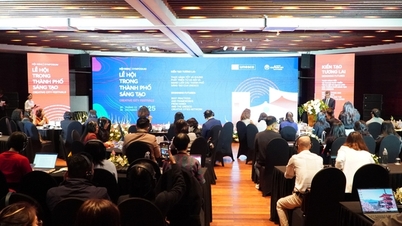
The discussion atmosphere at the open discussion session was lively under the moderation of Ms. Nguyen Thi Cuc and speakers from tax authorities, academia and lawyers. Experts focused on five main groups of issues: tax barriers and obstacles that increase compliance costs; the level of readiness of enterprises with major changes in tax laws and digital tax management; solutions to reduce compliance costs from management agencies and technology application of enterprises; along with the role of tax policy in building a transparent investment environment according to the Capital Law 2024.

At the end of the program, the speakers agreed to propose many recommendations to competent authorities, focusing on solutions such as reforming procedures on deductible expenses and tax refunds, publicizing tax risk criteria, and increasing incentives for technology and innovation enterprises.
The seminar is expected to create positive changes in the relationship between tax authorities and businesses, contributing to building a "friendly, effective, and stable" tax system, while affirming Hanoi's determination to build a transparent and competitive investment environment, creating a favorable foundation for businesses to develop sustainably in the 2025-2030 period.
Source: https://nhandan.vn/thue-doanh-nghiep-trong-giai-doan-moi-go-nut-that-tao-du-dia-phat-trien-ben-vung-cho-doanh-nghiep-ha-noi-post928222.html
![[Photo] 60th Anniversary of the Founding of the Vietnam Association of Photographic Artists](/_next/image?url=https%3A%2F%2Fvphoto.vietnam.vn%2Fthumb%2F1200x675%2Fvietnam%2Fresource%2FIMAGE%2F2025%2F12%2F05%2F1764935864512_a1-bnd-0841-9740-jpg.webp&w=3840&q=75)


![[Photo] Cat Ba - Green island paradise](/_next/image?url=https%3A%2F%2Fvphoto.vietnam.vn%2Fthumb%2F1200x675%2Fvietnam%2Fresource%2FIMAGE%2F2025%2F12%2F04%2F1764821844074_ndo_br_1-dcbthienduongxanh638-jpg.webp&w=3840&q=75)










![[Update] VinFuture 2025 Award Ceremony with total value of 4.5 million USD](https://vphoto.vietnam.vn/thumb/402x226/vietnam/resource/IMAGE/2025/12/05/1764939758366_image-jpg.webp)
































































Comment (0)