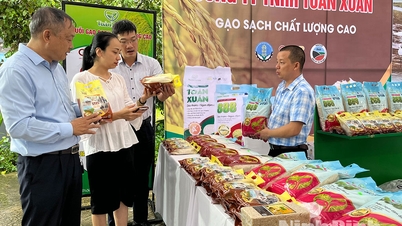
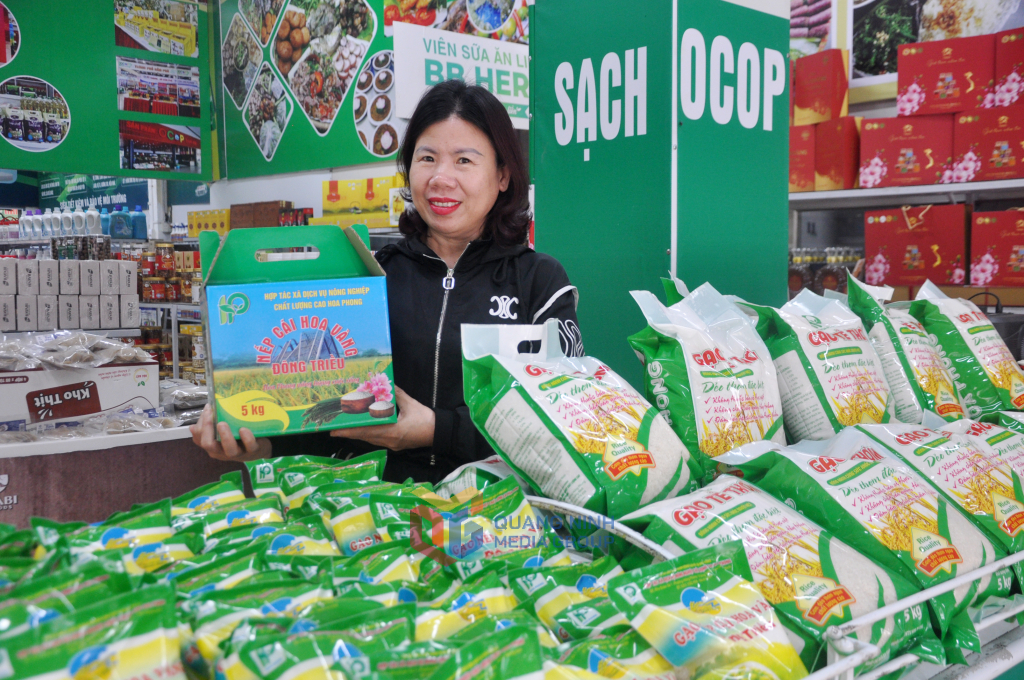
Starting from humble beginnings in the fields with a passion for producing clean and safe agricultural products, Ms. Le Thi Tha, Chairwoman of the Board and Director of Hoa Phong High-Quality Agricultural Services Cooperative, has gradually made this brand familiar in the market. Currently, Hoa Phong both produces and sells products in a chain including rice, vegetables, and a variety of other food and consumer goods.
Rising from the rice plant…
Born and raised in Doan Xa village, Hong Phong commune (now Hong Phong ward, Dong Trieu city), Ms. Le Thi Tha's connection to the rice fields began with the famous glutinous rice of this region. She said: "My father had the largest area of land planted with glutinous rice in the commune. Following in my father's footsteps, when I received the land, I also planted 100% of it with this variety."
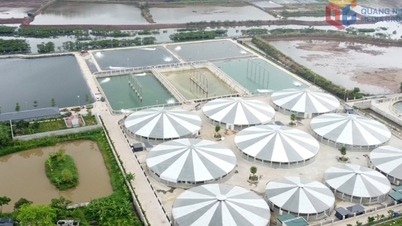
Later, when the local government decided to convert inefficient rice-growing areas to aquaculture, along with their existing land, her family boldly acquired nearly 3 hectares of land from households designated as aquaculture zones. At that time, her family was one of the first households in Quang Ninh to intensively raise tilapia, receiving a family farm certificate and numerous commendations from the central, provincial, and local authorities. She recalled: "At that time, households were raising livestock on a small scale. Therefore, I opened a livestock, poultry, and aquaculture feed agency to provide input products at low prices while also guaranteeing the purchase of products from local farmers…"
In 2013, using capital from her animal feed business, she established the Hoa Phong High-Quality Agricultural Services Cooperative. Recalling those early days, she shared: "When I founded the Hoa Phong Cooperative, I wanted to invest in agriculture because at that time, the market was flooded with both safe and unsafe food, causing confusion among consumers. Safe farming and livestock practices were still in the transitional phase, with many misconceptions and even mistakes… causing long-term harm to consumer health. Therefore, we wanted to invest in agriculture to work with local people to develop clean and safe agriculture according to VietGAP standards, and eventually organic farming…"
Novel model
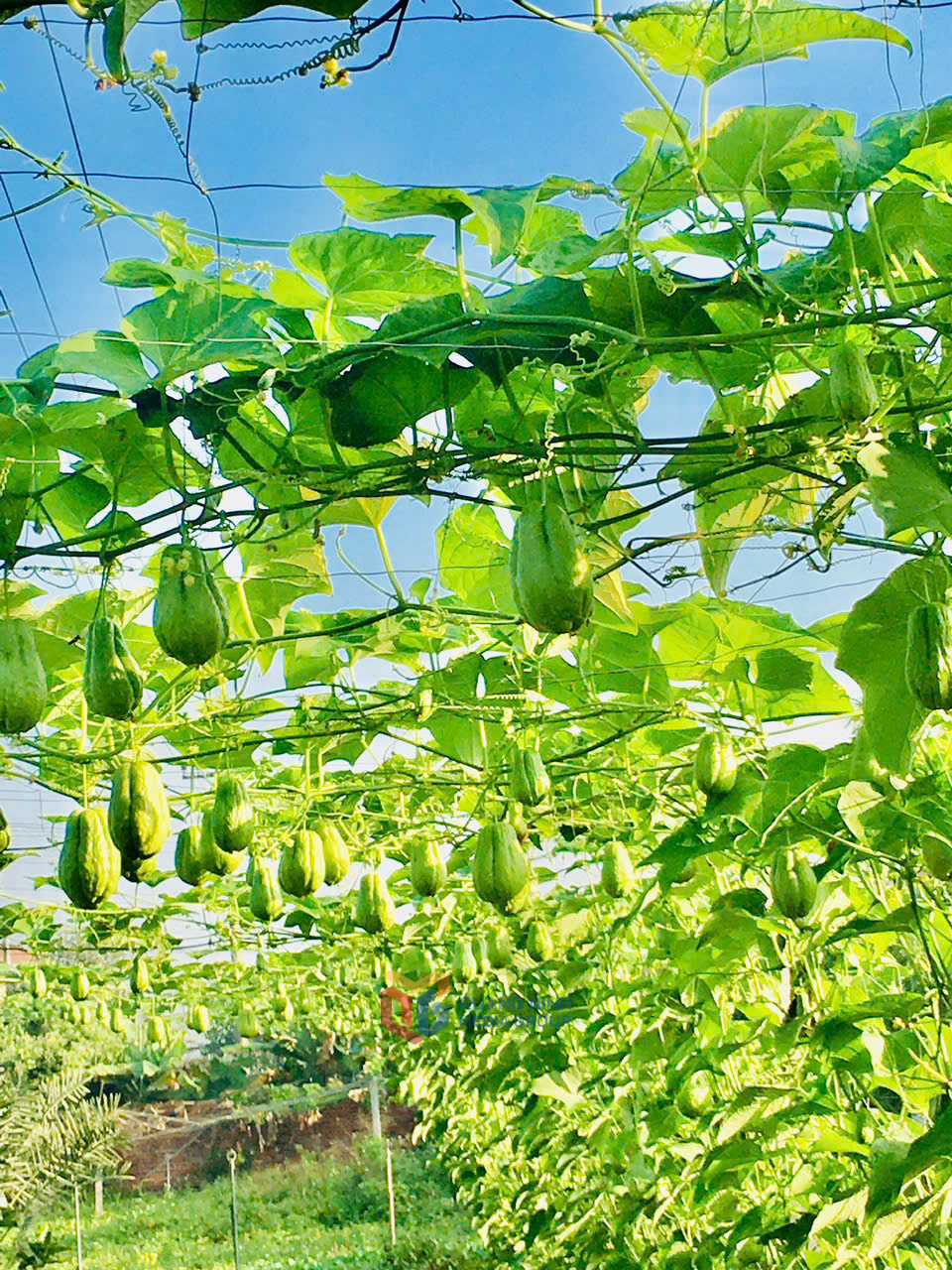
Her idea received enthusiastic support and assistance from local leaders, who facilitated the cooperative's use of land in the Cot Market area (Dong Trieu) to create a product showroom and trading hub, connecting local communities. To realize her idea of cultivating clean and safe fruits and vegetables, she chose a large area with convenient transportation and clean water – a field in what is now Xuan Son ward – to serve as the base by leasing land from local farmers.
She recounted: "The district and commune leaders were very supportive at the time, informing the farmers that the Hoa Phong Cooperative would lend them land, paying them one hundred kilograms of rice per sao (a unit of land measurement) per year. Farmers could return to work for the Hoa Phong Cooperative and receive a monthly salary. The model was completely new at the time, so initially, the people were very confused and worried about being cheated or having their land seized… because before that, they had all worked and managed everything themselves. Rice cultivation was hit or miss, and after deducting expenses, they only had a few hundred thousand dong per sao left. Therefore, the initial tasks were very difficult to change the farmers' mindset. Some households understood immediately, but others required repeated consultations, sometimes for months."


It took about six months for the model to stabilize. The cooperative leased 13.9 hectares of land from 165 farming households; nearly a hundred farming households returned to work for the cooperative, mostly middle-aged and elderly women. To ensure cultivation, she hired a management team from outside the province, selecting those with qualifications and in-depth experience in farming. After about a year of cultivation and handover, this work was taken over by the local people themselves…
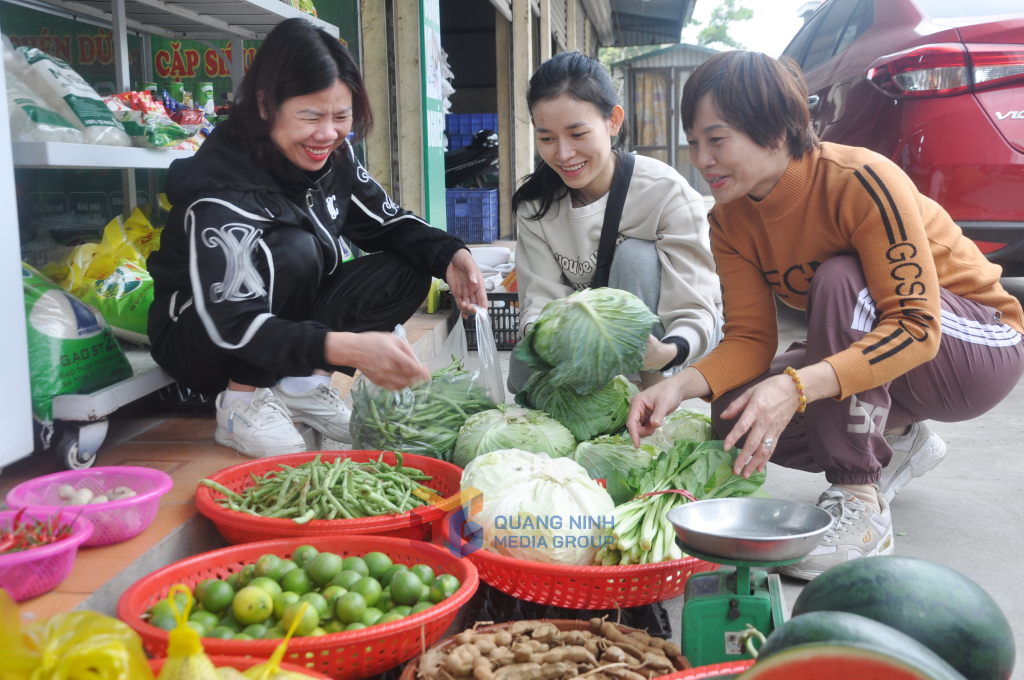
She shared: "The farmers were very excited afterwards. I'll never forget the story of a 75-year-old woman who cried when she received her first monthly salary because it was the first time she had ever held such a large sum of money, 3 million dong. At that time, the lives of farmers were generally difficult; like that old woman, her children were also poor, and people her age were just going out to catch crabs and snails each day, only earning a few tens of thousands of dong…"
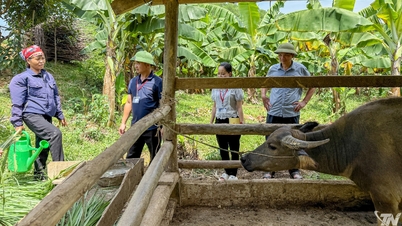
With a daring and proactive approach, she invested all her heart and money into the fields, diligently working in the paddies day after day. She found immense joy and fascination in gazing at the lush green rows of vegetables, the vibrant plants, and the blossoming flowers and fruits. As a new and exemplary model, after achieving stable operation, it has welcomed numerous delegations from various localities to learn from and visit annually.
Both joy and worry stem from that. She said that initially it was very difficult because not many companies were willing to buy her agricultural products, even though her ten-odd hectares of various vegetables yielded high production. For example, the first crop of green squash in early 2013 yielded over 100 tons, eggplants nearly a ton a day, and various types of pumpkins... forcing her to frantically search for buyers. Then she had to "wait for the weather, wait for the land, wait for the clouds" because just one hailstorm at the end of the year caused billions of dong in damage.
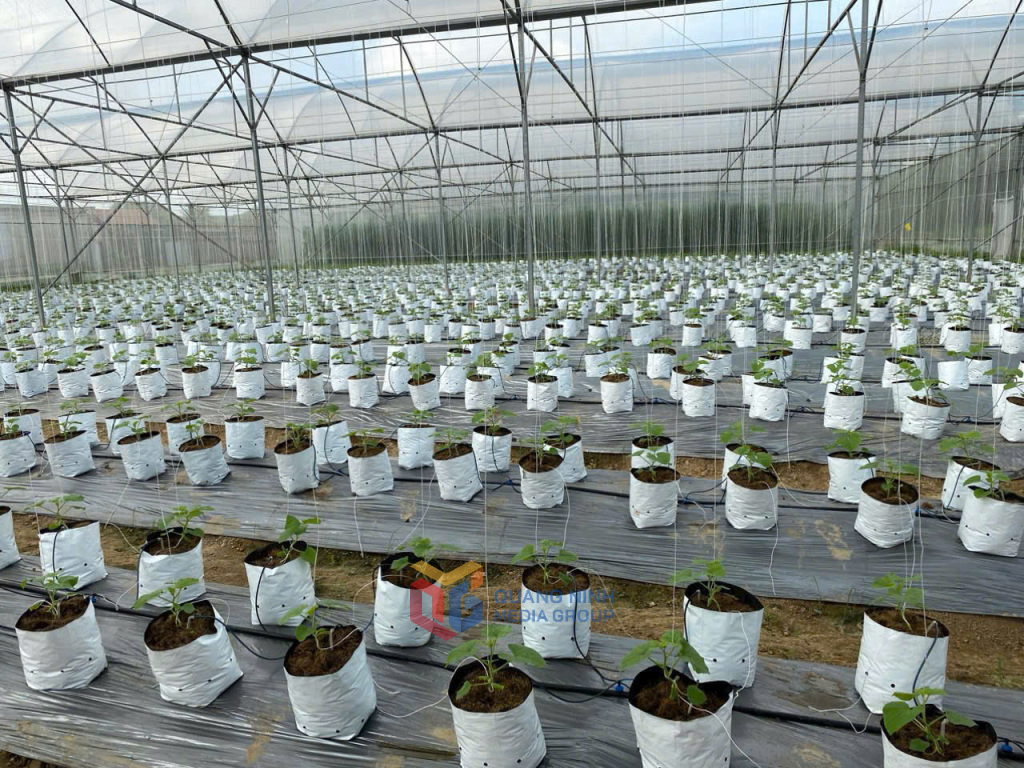
To this day, she still can't forget the story of the "cabbage blooming" during Tet (Lunar New Year) more than a decade ago. The entire vegetable-growing area had 6-7 hectares of cabbage grown for export to the South, but a hailstorm caused the cabbages to crack open and bloom profusely across the fields. The cabbages harvested and sold weren't even enough to cover the cost of hiring workers to harvest them; they ate, slept, and breathed cabbage, which was piled up from their homes to the fields. If they couldn't sell it all, they had to plow it under to use as fertilizer… Most recently, Typhoon No. 3 blew away 13,000 square meters of the cooperative's greenhouses.
She confided: "Investing in agriculture is extremely difficult; without perseverance and dedication, you can't do it. And without enough money, you can't survive; one failure can be irreversible. There were times when I had to borrow from my relatives to the point that some people said if I went bankrupt, it would affect the whole family, because they borrowed every penny they had..."
In return, her determination was supported by many local leaders and helped by her friends and family. The model also helped many farmers. She explained: "During natural disasters, we suffer losses in our products, but farmers still have jobs. For example, if we lose two billion VND, it's not a total loss; it also goes towards paying wages to the workers. So I'm still determined to do it…"
A desire to enhance the value of agricultural products.



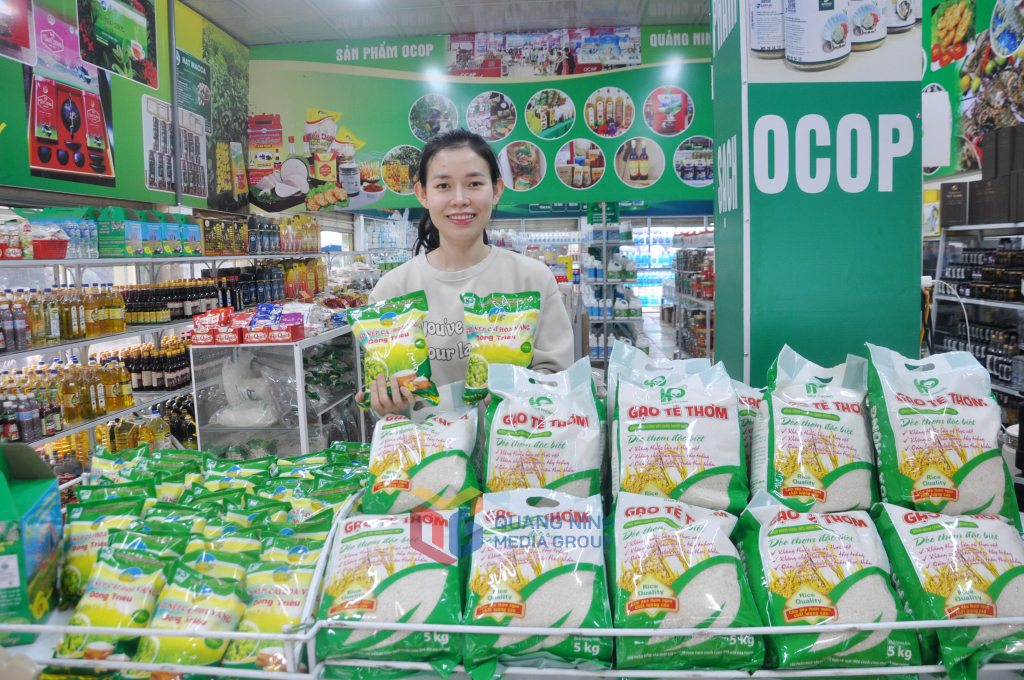
To date, the vegetable growing area in Xuan Son has been maintained by Hoa Phong Cooperative, which leases land and cultivates vegetables for over 12 years. Now, the cooperative has expanded to many other locations through a model of linking the consumption of clean and safe agricultural products with farmers in neighboring wards, communes, and other districts and towns. In addition, the cooperative also has nearly ten hectares of land acquired from conversion and purchase from local people for production. Hoa Phong is currently one of the leading units in the province's OCOP program and participates in the safe food supply chain with its glutinous rice product. Besides supplying clean and safe agricultural products to the provincial and domestic markets, Hoa Phong also collaborates with several localities to grow vegetables for export to South Korea .
Nevertheless, she remains passionately committed to investing deeply in agriculture, expanding production, and engaging in advanced processing to enhance the value of agricultural products. She explained: "Dong Trieu's glutinous rice, compared to glutinous rice from many other localities, is even tastier because it's fragrant, sticky, and flavorful. The best quality rice can sell for up to 70,000 VND/kg in some places, but at the current price, farmers in Dong Trieu who cultivate this rice don't make much profit. That's just one example, so I'm thinking we need to produce clean, processed rice to increase its value… We are currently producing products according to VietGAP standards, and we will eventually produce organic products."
With the belief that building a brand and reputation through clean, safe agricultural products is essential for sustainable development, she has guided her two children to study agriculture to establish themselves and lead the Hoa Phong Cooperative to greater success. She shared: "The farmers of today must be modern farmers, possessing both knowledge, dedication, and vision. They need dedication to produce clean, healthy products, and the resources to invest in order to thrive and sustainably develop agriculture. Despite facing many difficulties, I believe I have chosen the right path, built a model that many aspire to, and am proud to contribute a small part to my hometown of Dong Trieu in particular, and Quang Ninh in general."
Ngoc Mai
Source