

- Reporter: Sir, what significant and outstanding results has our province achieved in implementing the National Target Program for Sustainable Poverty Reduction in the 2021-2025 period?
- Mr. Hoang Minh Tri: The National Target Program for Sustainable Poverty Reduction not only supplements resources but, more importantly, reshapes the approach to development: from direct support to building self-reliance capacity. As a result, many disadvantaged areas have seen significant changes in livelihoods, infrastructure, and community mindset, creating a new foundation for sustainable development.
Poverty reduction support policies have been implemented comprehensively. The program has supported investment and the implementation of over 135 new projects, and the maintenance and repair of 179 projects in disadvantaged areas; supported 419 livelihood diversification models, and 266 projects supporting agricultural production development. Vocational training and job placement have been promoted, and job exchanges have been established.
During the period 2020-2025, over 6,585 workers received support for overseas employment and vocational training; 1,655 households received housing support (including 1,354 new houses and 301 house repairs). 100% of poverty reduction officials at all levels received training to enhance their capacity to implement the poverty reduction program; 100% of workers received support in career counseling and guidance, labor market information, job search assistance, and job placement.
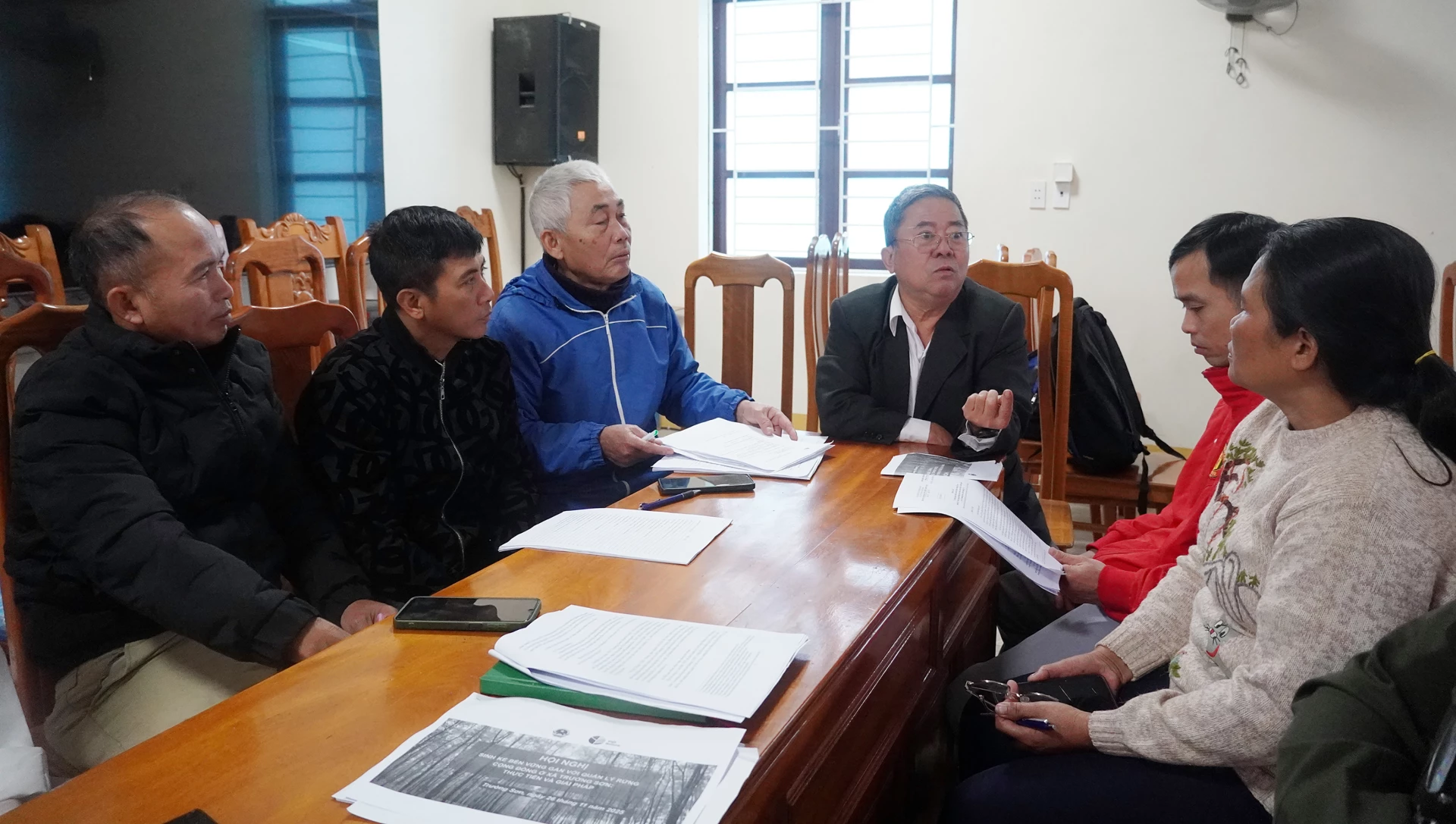 |
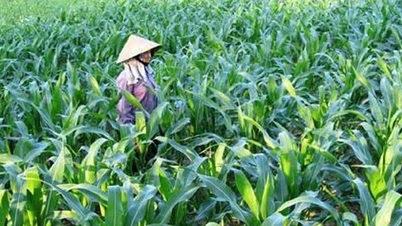
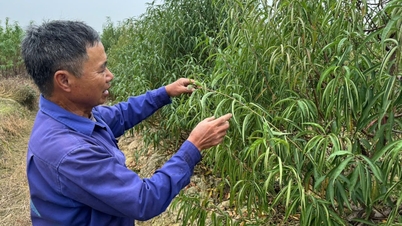
| Farmers in Truong Son commune discuss sustainable livelihood solutions and community forest management, contributing to family economic development - Photo: HL |
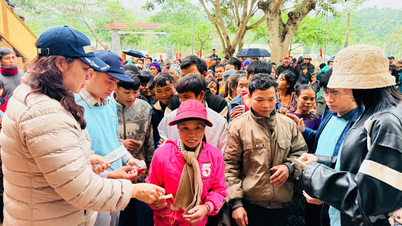
During this period, 179,860 households received loan support totaling 9,903,636 million VND to develop production, create sustainable livelihoods, improve living conditions, cover education costs, obtain loans for temporary overseas employment, and create jobs in the locality.
Notably, the program not only brought about changes in material conditions but also created positive shifts in the awareness and actions of the poor. Many individuals proactively rose above their circumstances, voluntarily applying to be removed from the poverty list, becoming exemplary role models in their communities.
- Reporter: Based on the results achieved, what lessons can be learned, sir?
- Mr. Hoang Minh Tri: Through the implementation, we have learned valuable lessons. That is, poverty reduction is only effective when it is identified as a key political task, with direct and decisive leadership from Party committees and governments at all levels. Practical experience shows that where leaders are closely involved and officials are closely connected to the grassroots, the results are more significant – this is a lesson of decisive importance.
Mechanisms and policies need to be issued promptly, synchronously, and easily implemented. Decentralization and delegation of power must go hand in hand with accountability and close inter-agency coordination mechanisms, thereby resolving obstacles more quickly and avoiding situations where policies are correct but ineffective in implementation.
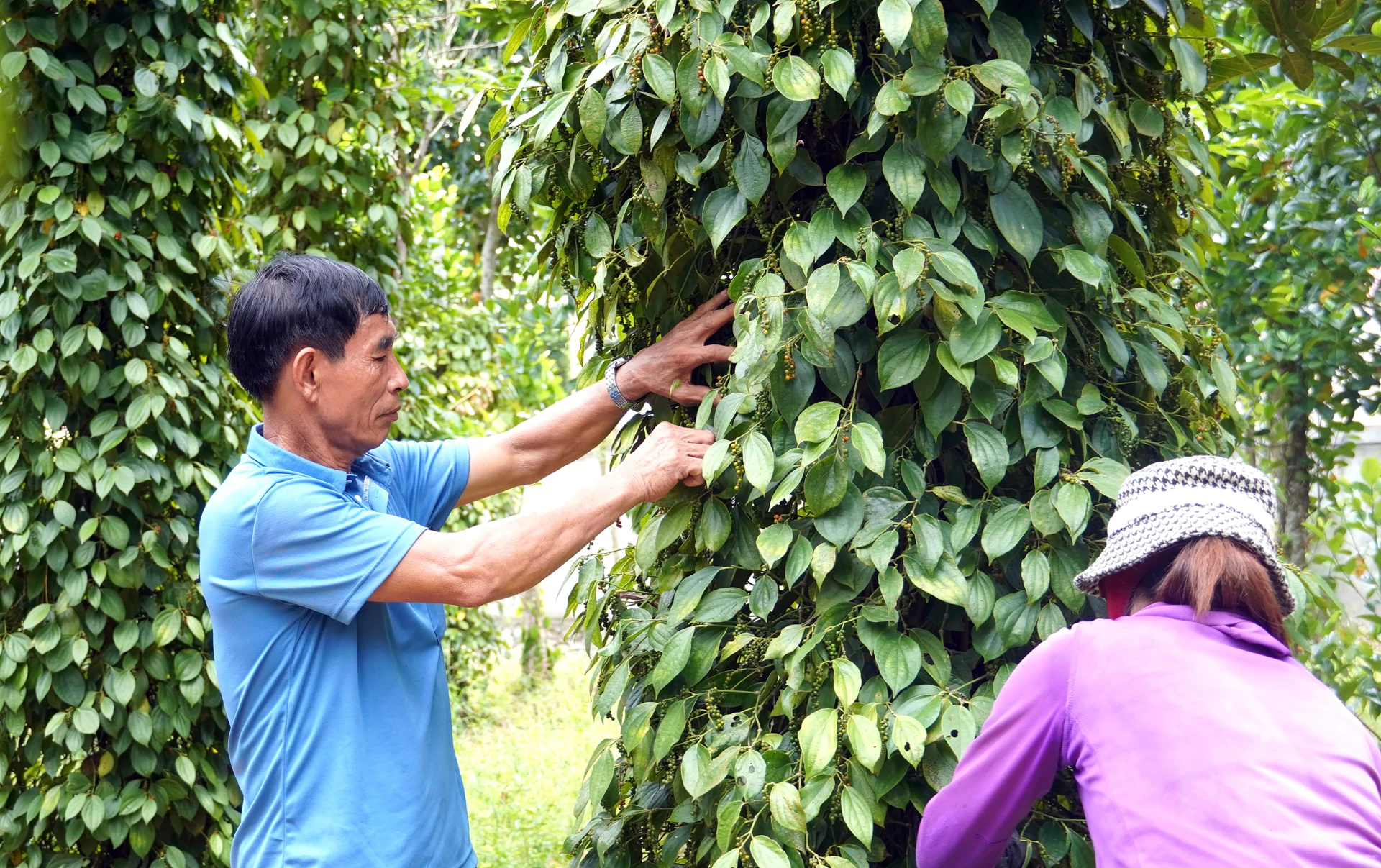 |
| Through the program, many households have been given opportunities to develop production and create sustainable livelihoods - Photo: HL |
Implementation must be flexible, grounded in reality, and avoid being scattered. When livelihood models suitable for each region are invested in sufficiently, their effectiveness and scalability will become evident – this is a key lesson in shifting from purely supportive to creating incentives for development.
A shift in mindset is a decisive factor in sustainability. Public awareness campaigns must aim to inspire self-reliance and reduce the mentality of dependence. In fact, the fact that many households proactively seek to be removed from the poverty list shows that when awareness changes, poverty reduction results are more profound.
The next lesson learned is that integrating resources, increasing transparent oversight, and promoting digitalization will help to track and evaluate poverty reduction more effectively, limit losses, and promote the proactive role of local authorities.
- Reporter: Based on that comprehensive and in-depth assessment, what is the direction for the next phase, sir?
- Mr. Hoang Minh Tri: In the period 2026-2030, the program will approach poverty reduction in a multi-dimensional, inclusive, and sustainable way, shifting from direct support to conditional support linked to the construction of new rural areas, focusing on enhancing the self-reliance of the people. This is an important shift in thinking, creating momentum for poverty alleviation from the community's own internal resources, especially significant in areas heavily impacted by natural disasters and livelihood challenges such as mountainous, border, and coastal areas of Quang Tri province.
Secondly, improve the quality of life for the poor by expanding access to basic social services, with clear priority given to particularly disadvantaged areas and vulnerable groups. Beyond immediate support, the goal is to build a sustainable foundation – from basic healthcare, education in mountainous areas, clean water, safe housing to information connectivity – so that people have the "capacity to rise up" instead of just "receiving help".
During the period 2021-2025, the entire province conducted over 1,000 reviews. The results show that the poverty rate according to the multidimensional standard decreased by 50% compared to the beginning of the period, from 8.18% (35,561 households in 2022) to an expected 3.45% (15,437 households in 2025); an average decrease of 1.12%, achieving the target of a 1-1.5% reduction per year.
Thirdly, focus investment on particularly disadvantaged areas, prioritizing the construction of essential infrastructure linked to livelihood development in the direction of green agriculture and climate change adaptation. Combining production support, vocational training, and market expansion will help poor households have the conditions for production, stable outlets for their products, and gradually increase their income, thereby narrowing the development gap between regions.
Fourth, focus on changing perceptions, considering the people's will to improve their lives as a prerequisite for poverty reduction. Propaganda efforts must aim to change mindsets and practices, enabling poor households to be more proactive in accessing policies and organizing production. When perceptions change, support mechanisms will be more effective in achieving their goals.
Fifth, strengthen the effectiveness of management and promote the synchronized role of the political system to enhance interconnectedness in implementation. The application of digital technology in management, monitoring, and supervision helps to increase transparency, support timely decision-making, and gradually form a modern governance system in poverty reduction efforts.
- Reporter: Thank you for this interview!
Huong Le (compiled)
Source: https://baoquangtri.vn/xa-hoi/202512/tiep-can-giam-ngheo-theo-huong-da-chieu-va-ben-vung-7d27bff/

![[Photo] Closing Ceremony of the 10th Session of the 15th National Assembly](/_next/image?url=https%3A%2F%2Fvphoto.vietnam.vn%2Fthumb%2F1200x675%2Fvietnam%2Fresource%2FIMAGE%2F2025%2F12%2F11%2F1765448959967_image-1437-jpg.webp&w=3840&q=75)








































![[OFFICIAL] MISA GROUP ANNOUNCES ITS PIONEERING BRAND POSITIONING IN BUILDING AGENTIC AI FOR BUSINESSES, HOUSEHOLDS, AND THE GOVERNMENT](https://vphoto.vietnam.vn/thumb/402x226/vietnam/resource/IMAGE/2025/12/11/1765444754256_agentic-ai_postfb-scaled.png)






































Comment (0)