

Mui Dien in Phu Yen is considered the easternmost point of Vietnam. And Bai Mon beach, located right at the foot of Mui Dien, is the beach that receives the first rays of morning sunlight on the mainland of our country.
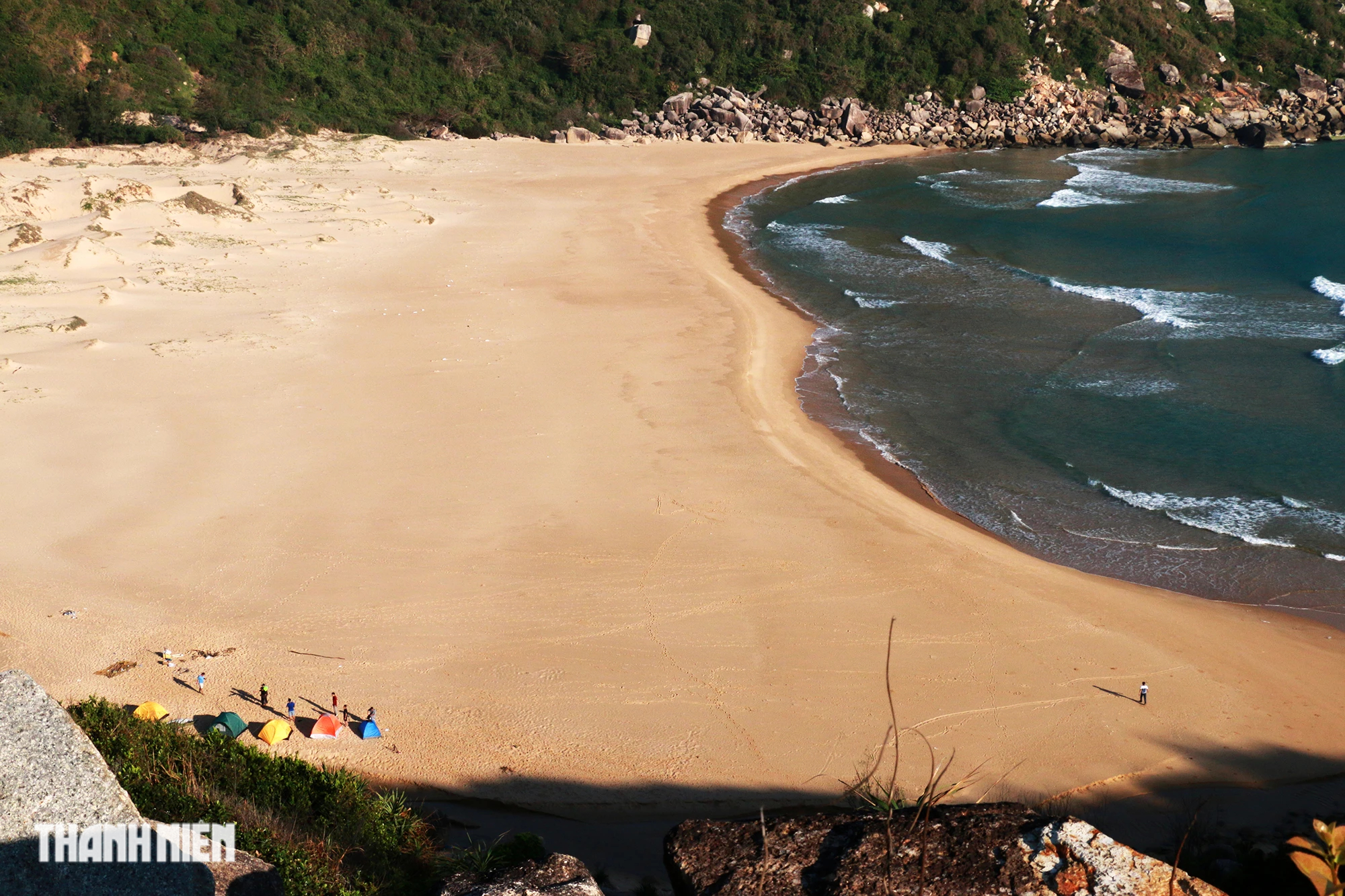
There are two ways to be among the first to witness the sunrise on the East Sea coast. One is to leave very early and arrive at Bai Mon beach before the sun rises. The other is to camp overnight right on the sand. In the photo, a group of tourists arrived at Bai Mon beach the day before, set up tents, ate, and played, waking up the next day to the first rays of sunlight.
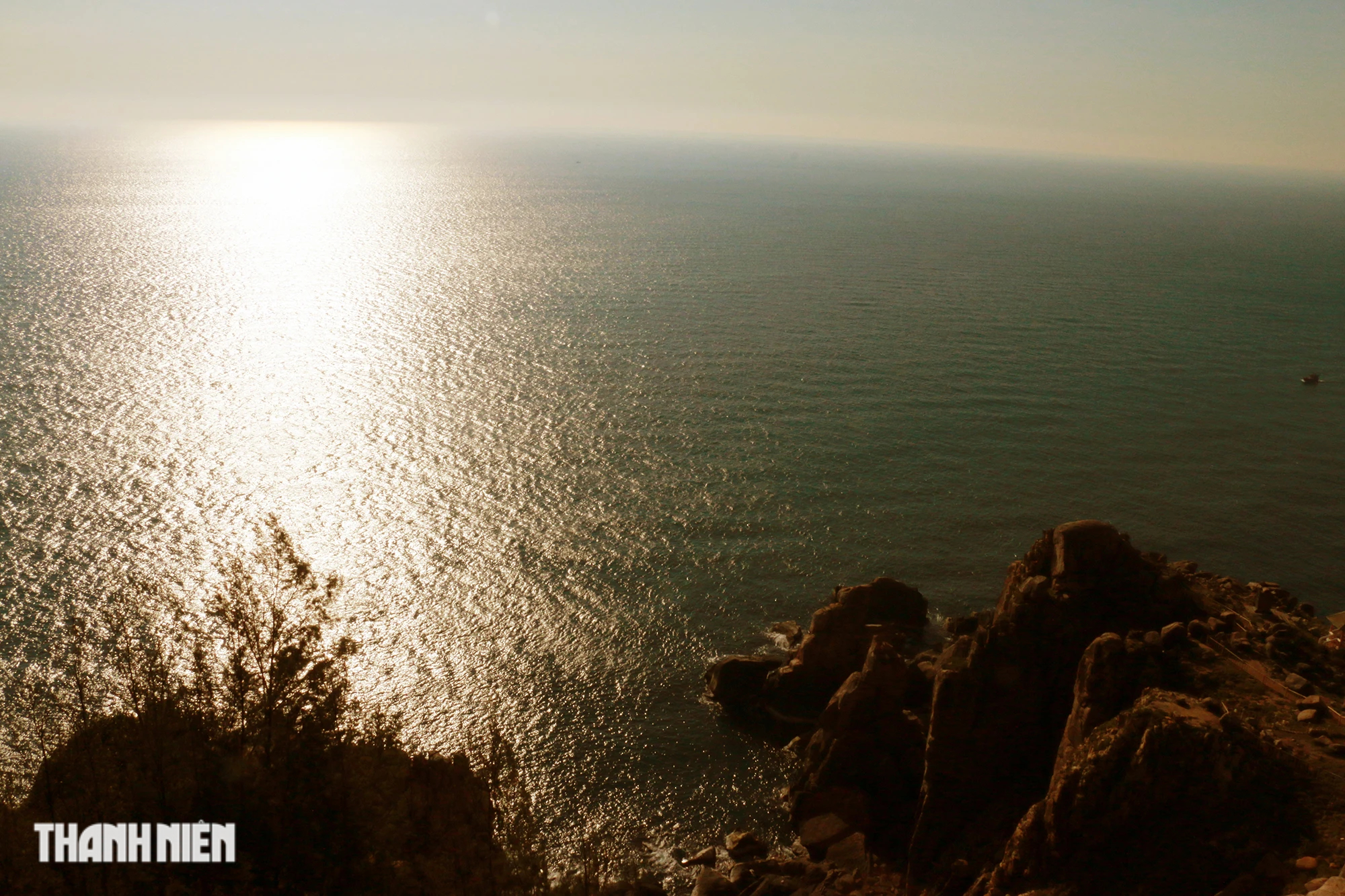
Many locals also choose to stay overnight on the beach, waking up early to witness the sunrise over the sea. "My house is more than 70 kilometers from Bai Mon beach, so I came here in the afternoon, camped, and stayed overnight so I could wake up early the next morning at my leisure," said Hoang Dang Vuong, a resident of Dong Xuan District, Phu Yen Province.
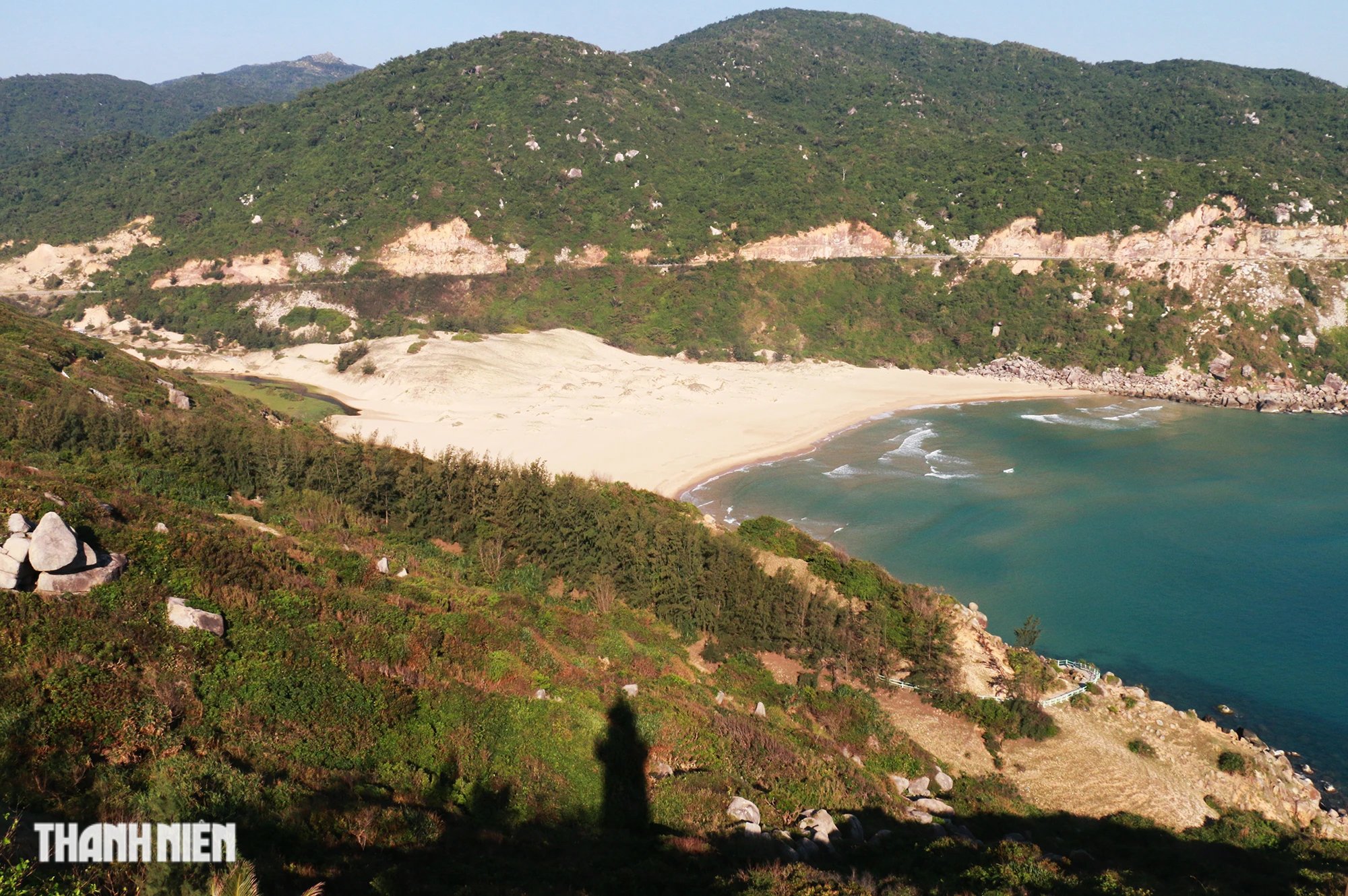
Bai Mon beach is nestled between two headlands jutting out into the East Sea: Mui Dien and Mui Nay. At the top of Mui Dien stands a lighthouse over 100 years old, offering panoramic views, especially at dawn. However, reaching it requires climbing 400 steps along a steep mountain path, about half a kilometer long, so many people choose to stay on the beach itself.
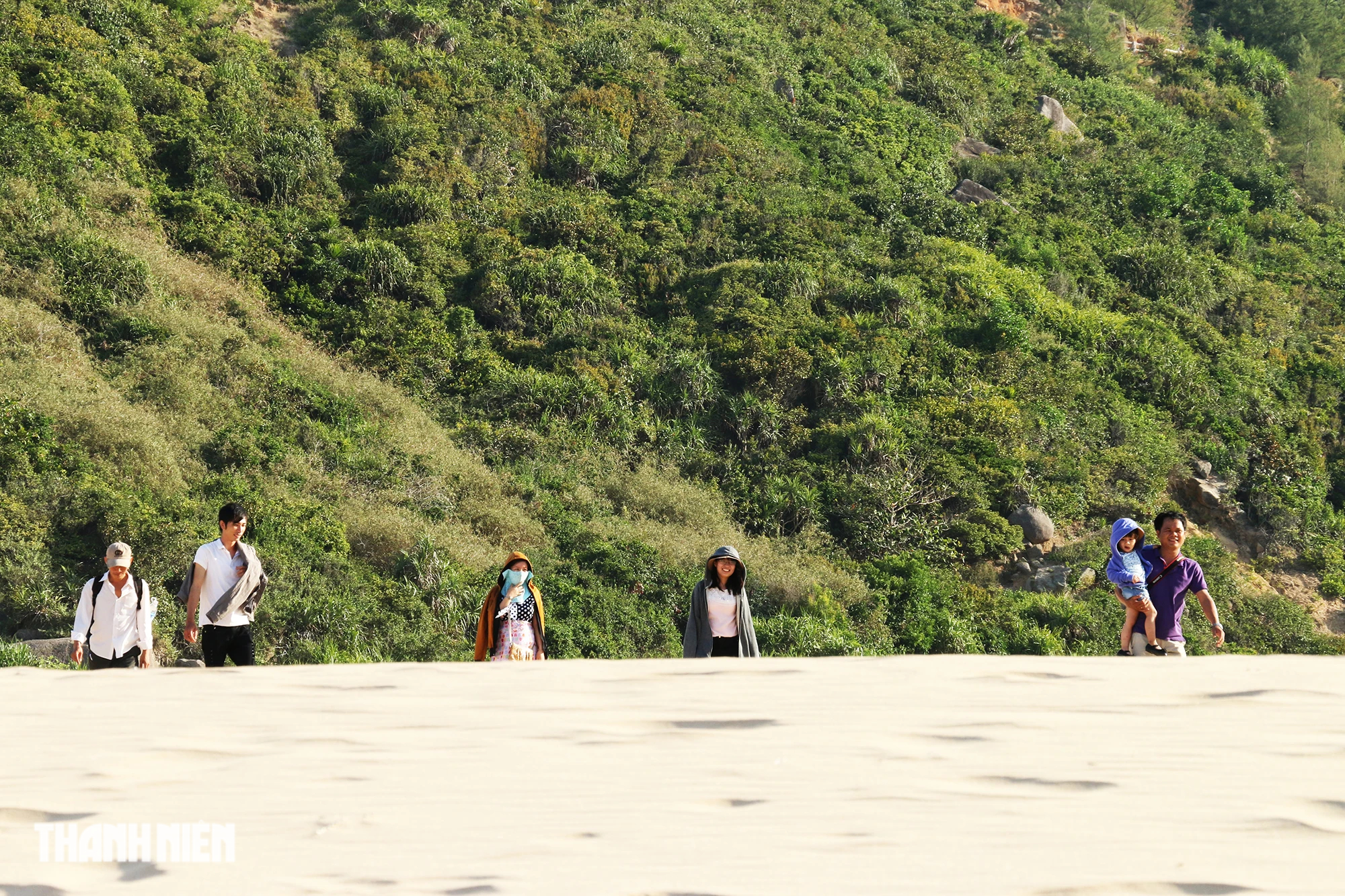
This area has no houses and virtually no services. At the entrance, there's a small shop selling drinks, food, and renting out some items. However, visitors staying overnight or visiting for the day usually bring their own supplies, food, and drinks.
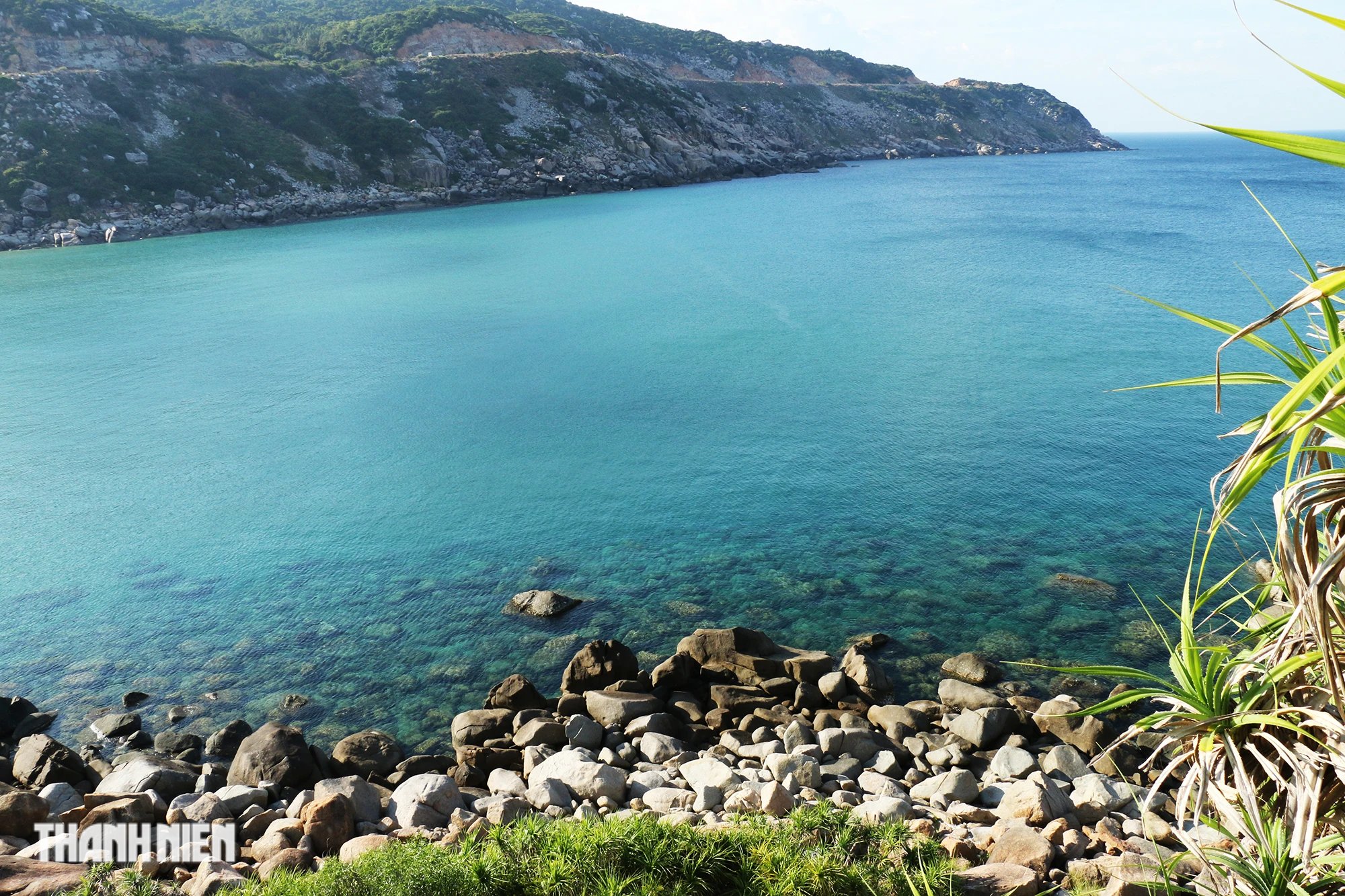
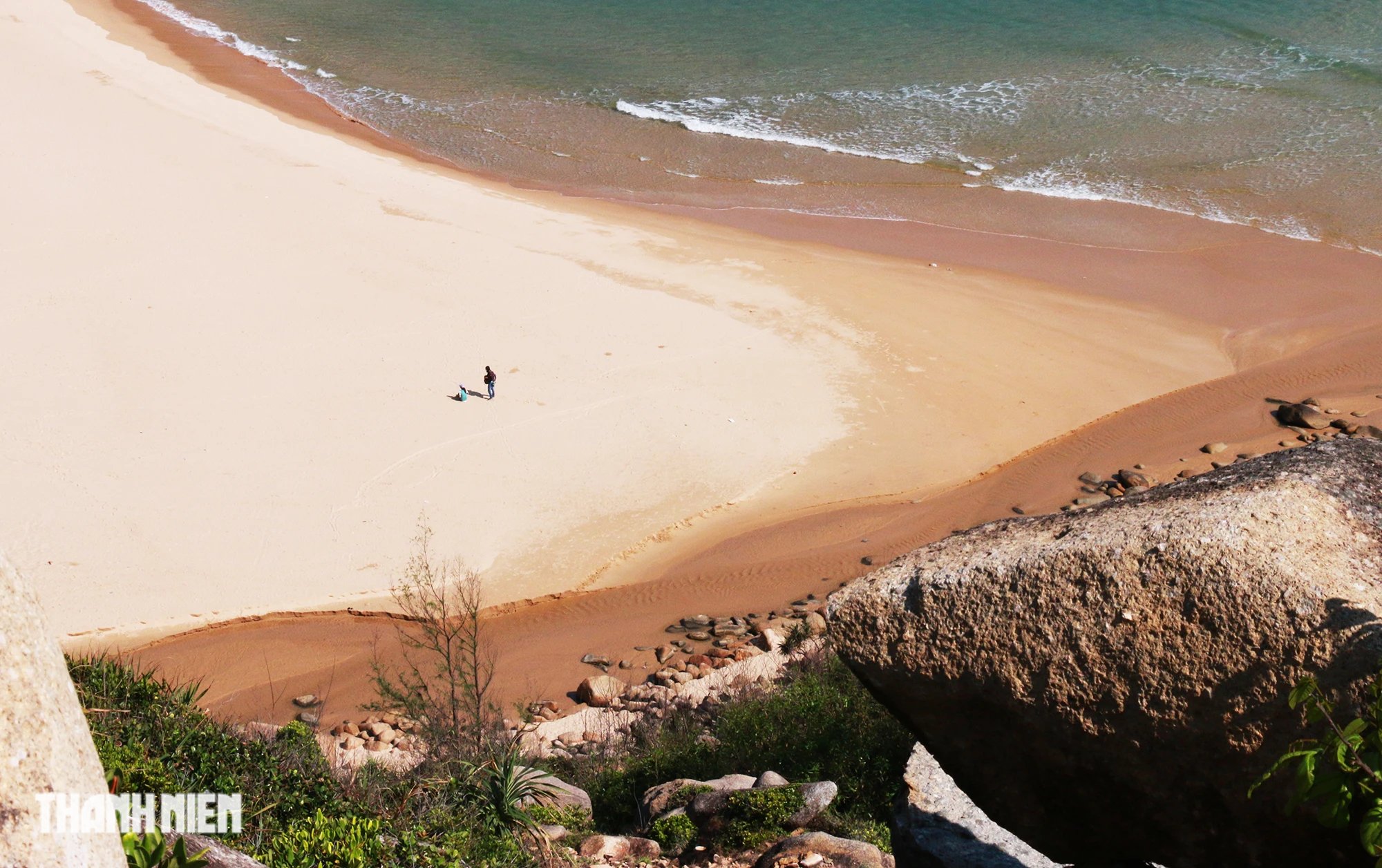
The beach here is long, smooth, and unspoiled. The shoreline is flat; if there are any footprints, the wind will blow the sand away. At the foot of the southern mountain, there are moments when the waves are so calm that the sea is so clear you can see the jagged rocks beneath the turquoise water.
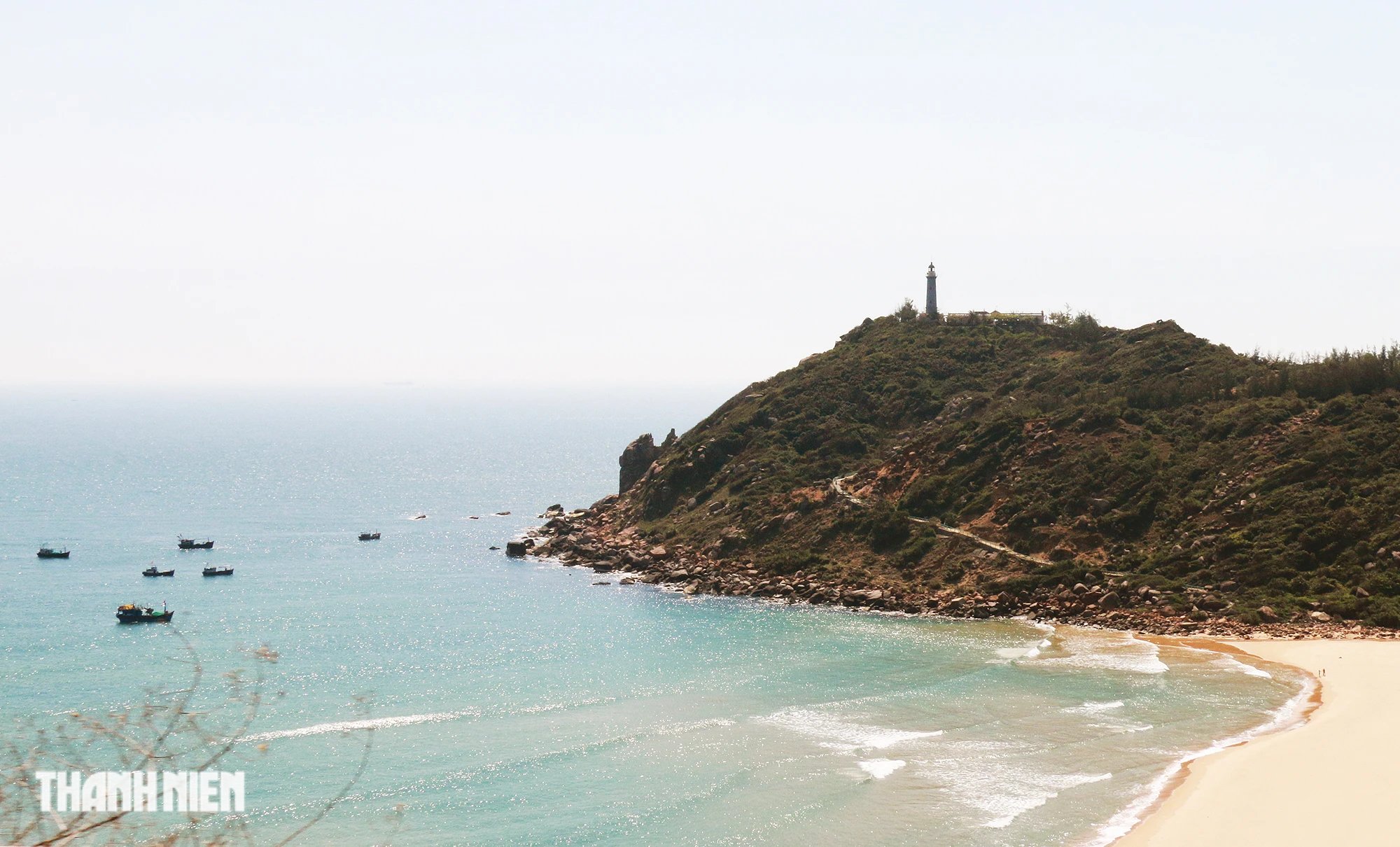
The Bai Mon - Mui Dien National Scenic Area is located in Hoa Tam commune, Dong Hoa town, Phu Yen province. There are two routes, nearly 30 km long, from Tuy Hoa city, the provincial capital of Phu Yen, to reach it: National Highway 1 and the Hoa Hiep - Phuoc Tan - Bai Nga coastal road.
Interestingly, Bai Mon has a fairly large stream flowing from the dense forest of Deo Ca Pass. The stream doesn't rush straight down to the sandy beach but gently meanders along the foot of the mountain before flowing out to sea. Right at the rocky outcrop to the south, you can witness the freshwater merging with the saltwater.
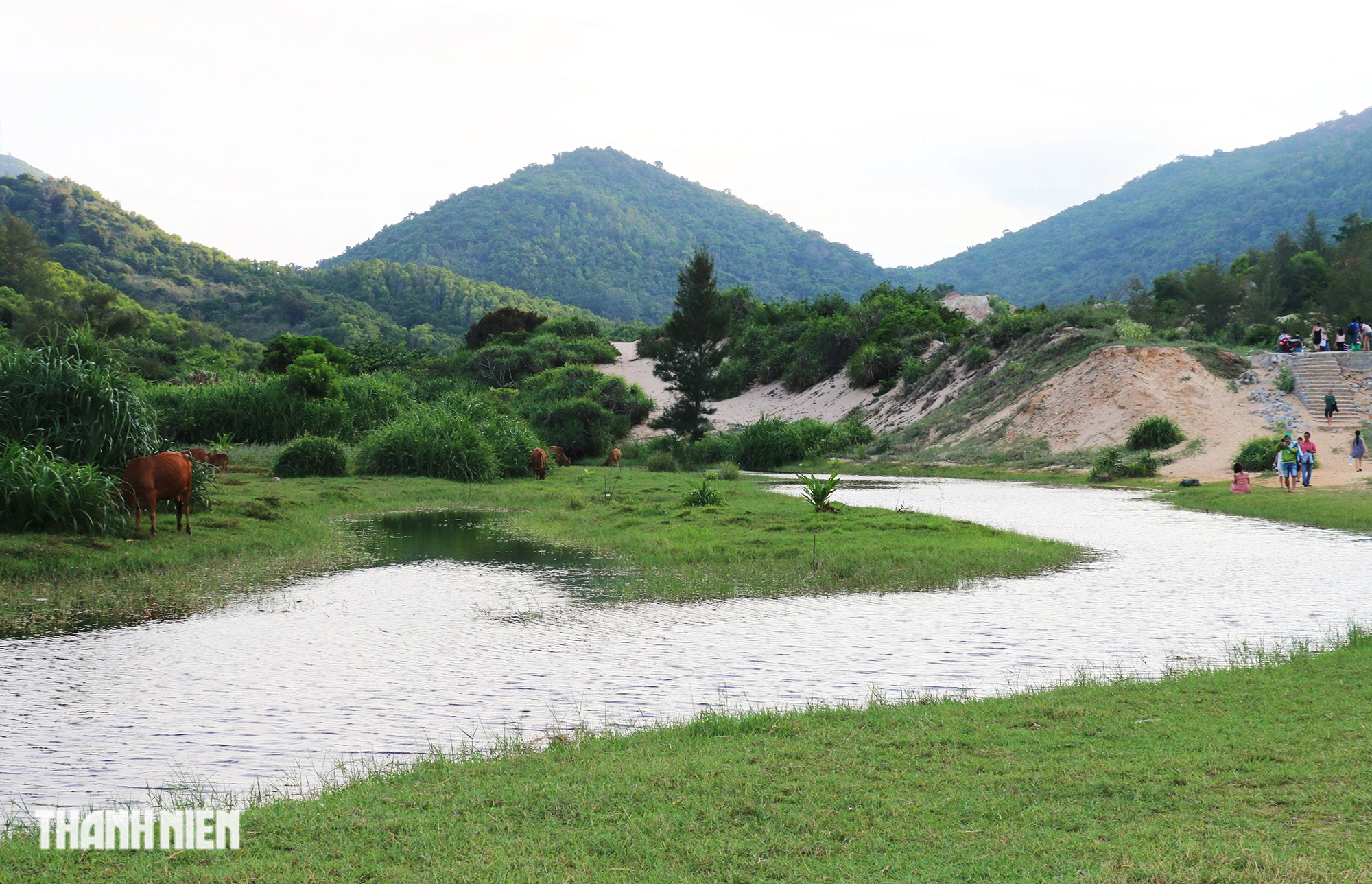
Before being swallowed by the ocean, the stream meandered to the west. In some sections, it flowed through low-lying land, where the water collected to form a small river. The banks of the stream meandered, covered in lush green vegetation, becoming a popular spot for tourists to take photos. In the distance, herds of cattle grazed by locals, foraging for grass on their own.
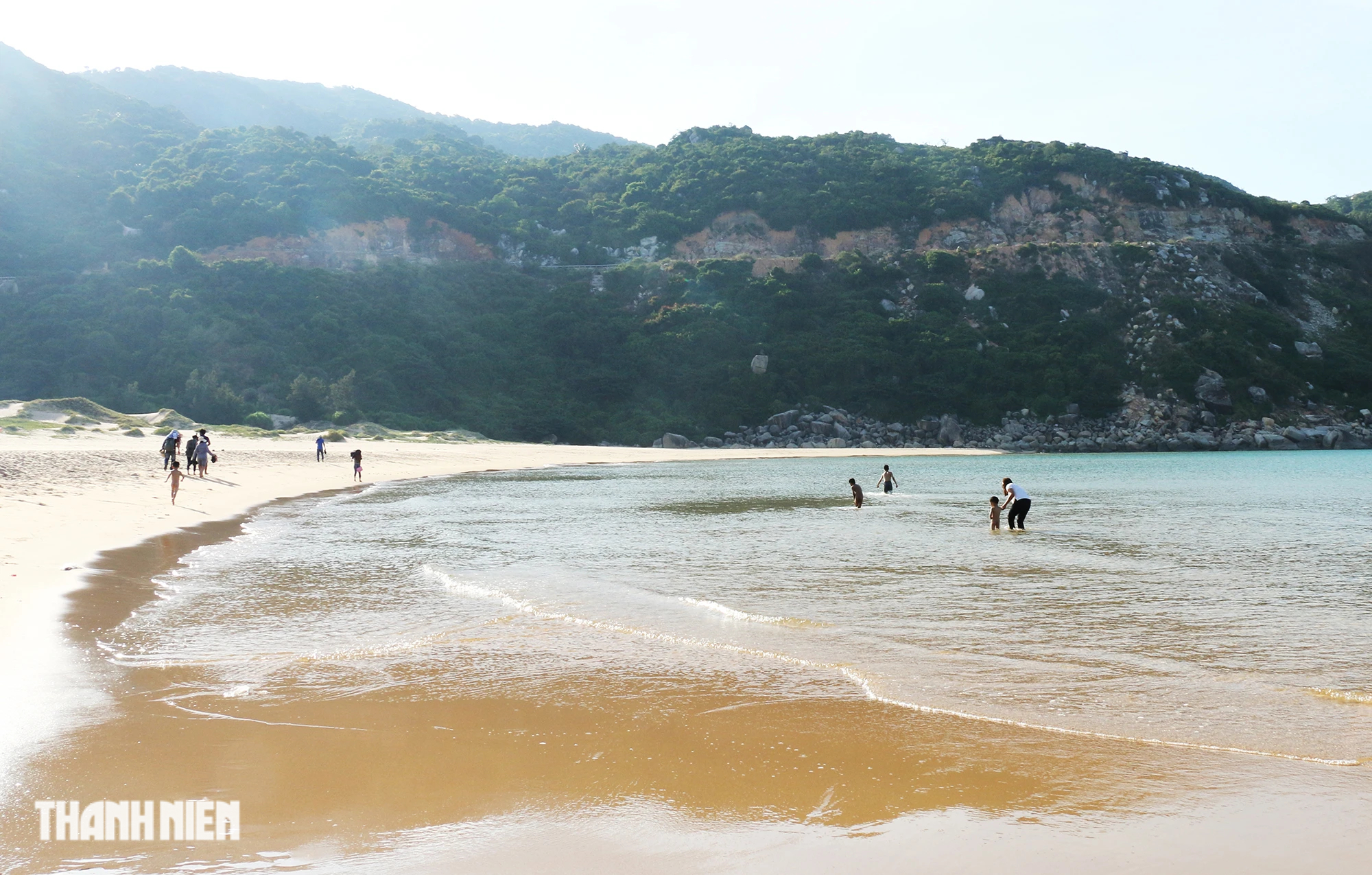
Tourists stroll around or enjoy digging in the sand to catch crabs. Crabs and other crustaceans scurry through the sand very quickly, so catching them requires some experience or guidance from locals. On the deserted beach, only the gentle sound of waves can be heard, occasionally punctuated by the laughter of children swimming near the shore.
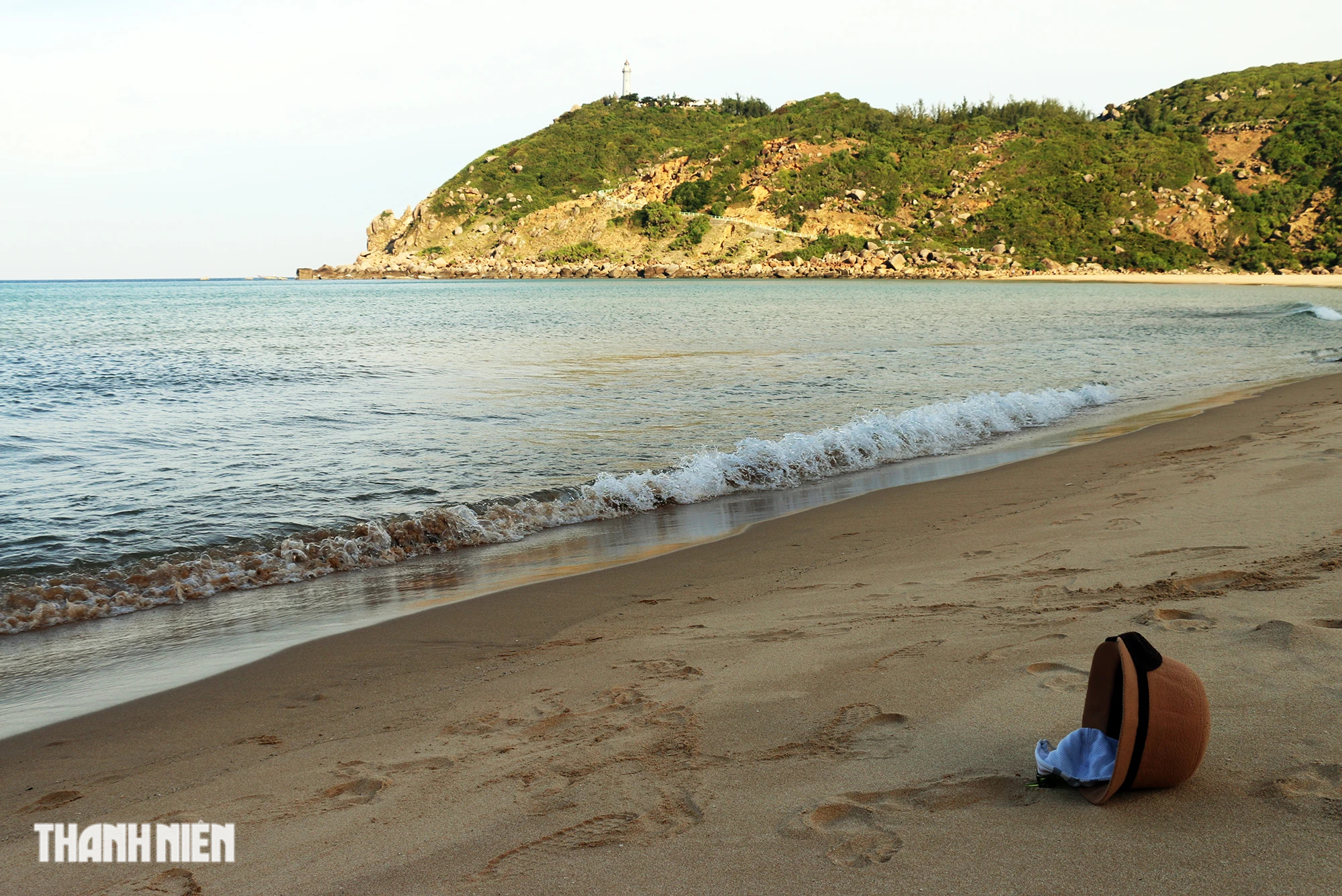
Bai Mon beach is usually only crowded on weekends. But the quietness is also delightful. Between the two steep mountains, stepping out of the tent onto the golden sand to breathe in the early morning breeze and watch the first rays of sunlight fall on the land is a wonderful feeling. Because soon after, the sun gets too strong, and you have to pack up your tents and head home.
Source link





















































































Comment (0)