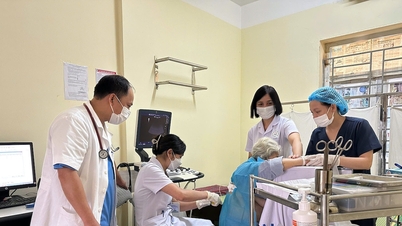
Atopic dermatitis occurs at all ages and causes many inconveniences in daily life; if left uncontrolled, it can significantly affect health.
According to Dr. Nguyen Thi Kim Dung, a specialist in Dermatology and Cosmetic Dermatology at Tam Anh General Hospital in Ho Chi Minh City, atopic dermatitis is a type of eczema. It's quite common and can affect anyone, especially children under 5 years old. Based on its characteristics, atopic dermatitis is classified into groups such as:
Contact dermatitis : An immune system reaction when the skin comes into contact with allergens such as metals, chemicals, cosmetics, insect bites, etc. The condition usually improves and resolves completely after 1-4 weeks.
Seasonal allergic dermatitis : Related to changes in weather, especially during transitional seasons or in winter, when the air becomes cold and dry.
Infected contact dermatitis : This occurs when blisters rupture, allowing bacteria to enter the body, causing the skin to swell, itch, turn red, and become very painful. If not treated properly, the condition can recur many times, leading to dangerous complications such as blood infection and skin necrosis.
Atopic dermatitis: Commonly occurs in people with a genetic predisposition to allergies or an allergic predisposition. The disease is difficult to control and prone to recurrence.
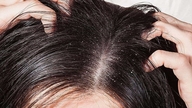


According to Doctor Kim Dung, the causes of the disease stem from the complex interplay between environmental factors, the immune system, and genetics. An overactive immune system when the skin comes into contact with external irritants is a common cause of atopic dermatitis. Additionally, children of parents with allergic diseases (atopic dermatitis, allergic rhinitis, asthma) have a higher risk of developing atopic dermatitis than normal children.
Common symptoms of atopic dermatitis include itching, redness, and other symptoms such as rough, flaky skin, inflammation, and irritation. These symptoms can flare up at varying speeds and appear on any area of the body, most commonly on the arms, elbows, back of the knees, cheeks, or scalp.
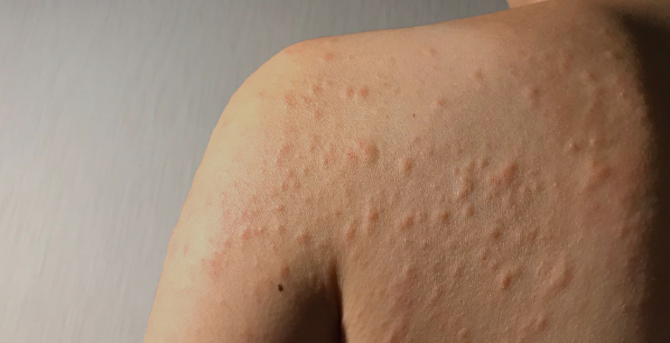
Common symptoms of atopic dermatitis include itching and red rashes. (Image : AllergyUK)
In infants, the initial manifestation is usually eczema or infantile eczema, appearing mostly on the face, skin folds in the armpits and groin, and may spread to the entire body. The condition begins when the baby is 6-12 weeks old and gradually improves by the time the child is 18 months old. In older children, the dermatitis changes to areas such as the wrists, elbows, knees, and ankles. In adults, atopic dermatitis is usually concentrated on the hands or feet.
Dr. Nguyen Thi Kim Dung noted that treating atopic dermatitis involves eliminating the cause of the allergy by screening for allergens. Depending on the mechanism causing atopic dermatitis and the severity of the condition, the doctor will prescribe appropriate treatment methods such as medication, light therapy (using ultraviolet rays, phototherapy), or home care. Importantly, as soon as atopic dermatitis appears, patients should quickly see a dermatologist or skin cosmetic specialist for examination and early treatment. Self-medication or delaying treatment will lead to higher costs.



Although atopic dermatitis is not life-threatening, it significantly affects the daily lives and mental well-being of patients, especially children. The condition may require lifelong treatment, but fortunately, it can be controlled with various prescription and over-the-counter medications. Therefore, patients need to protect and care for their skin to minimize irritating factors, thereby reducing the severity of allergic skin inflammation.
Dung Le
Source link
![[Photo] "Hanoi Lotus Festival" honors the lotus flower that has been associated with Vietnam for thousands of years.](https://vphoto.vietnam.vn/thumb/1200x675/vietnam/resource/IMAGE/2026/06/27/1782516943048_sen-ha-noi-2026-minh-duy-1-jpg.webp)