

New risks
While browsing Facebook, Ms. Nguyen Thi Oanh from Truong Tan commune ( Hai Phong ) saw an advertisement for a multi-functional pot with multiple compartments. The bottom compartment was for cooking rice, the middle compartment for soup, and the top compartment could be used for steaming or boiling vegetables. Finding it convenient, Ms. Oanh decided to spend nearly 900,000 VND to buy this multi-functional pot to bring to work for lunch. “When I used it, I found the product wasn't as advertised. The rice cooked in the bottom compartment was done, but the potato soup was still undercooked. Steaming the vegetables took a very long time. After only a week of use, the plug broke, and I had to throw it away,” Ms. Oanh said disappointedly.
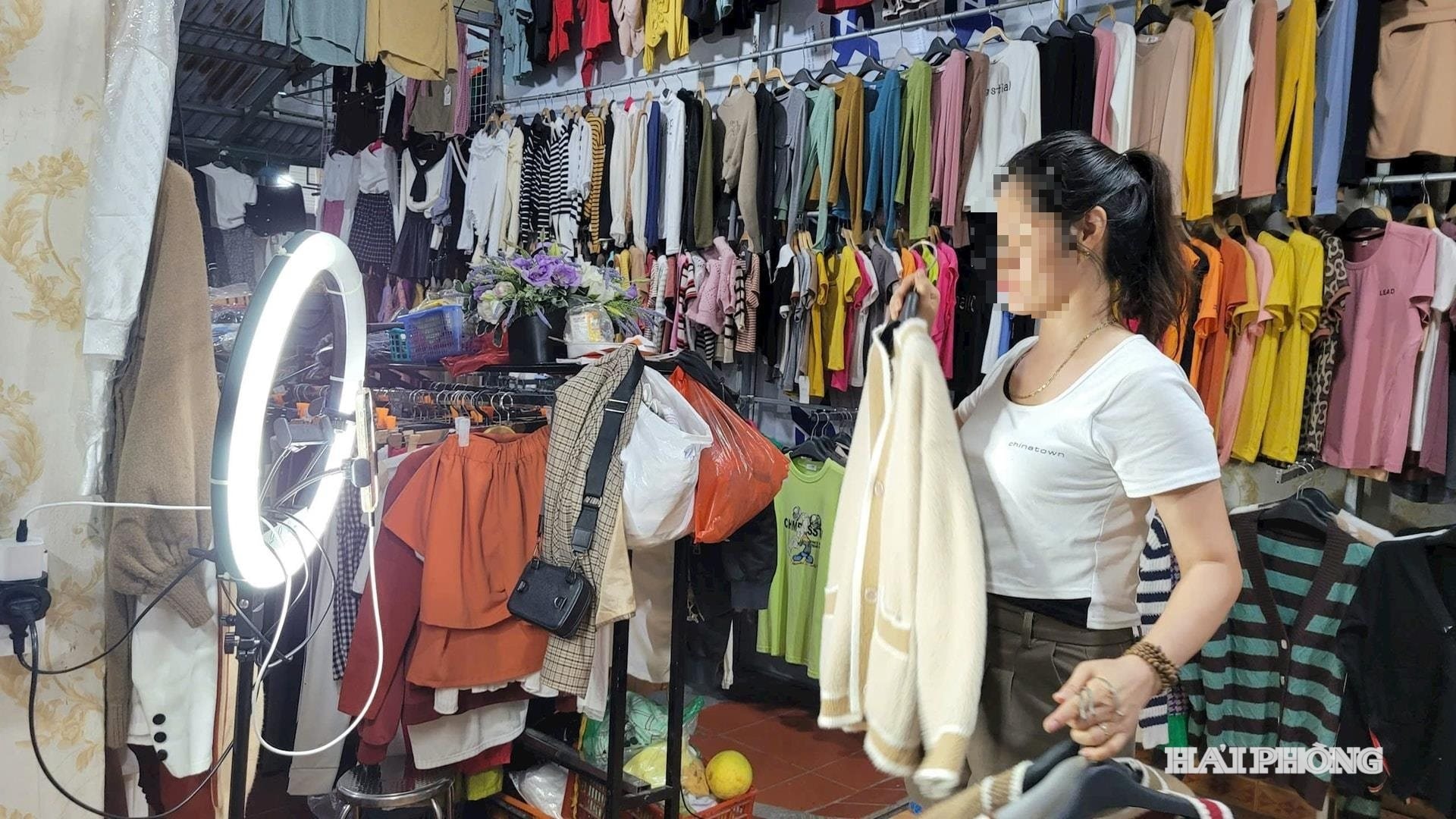
It's not just Ms. Oanh's case; many consumers today are trending towards online shopping. While previously buyers could physically inspect goods, now many purchase items based on images and videos advertised online and place orders. In many cases, buyers don't know who the seller is, and therefore have to accept the consequences when they unknowingly purchase counterfeit, fake, or low-quality goods.
The National Competition Commission has just issued a warning about common scams on e-commerce platforms. Some frequently observed tactics include: impersonating interfaces similar to major e-commerce platforms such as Shopee, Lazada, and Tiki to steal information; requesting buyers to transfer deposit money and then misappropriating it; impersonating acquaintances, celebrities, or businesses to solicit investments or sales; luring people into participating in virtual tasks or "funding - receiving commissions" schemes, after which the system disappears; sending fake messages and emails announcing prize winnings and requesting OTP codes or account information...
At a recent training conference on improving the effectiveness of state management in consumer protection in the city, Mr. Doan Quang Dong (National Competition Commission, Ministry of Industry and Trade ) informed that the year-end shopping season is the period when cybercrime is most active. The methods are not only sophisticated but also constantly changing.
Scams involving the impersonation of major brands, impersonating e-commerce platform employees, launching "shocking sales - virtual cashback" promotions, and tricking people into paying via e-wallets are appearing with increasing frequency. Some cases even use deepfake facial recognition technology to gain trust. "These scams often start with very small actions. A click, a QR code, or a seemingly familiar video call, but just a few seconds of inattention can lead to the loss of personal data, control of social media accounts, or even all of one's finances," Mr. Dong warned.
The shift in consumer behavior in the digital economy means that risks lie not only in product quality but also in the potential for personal information leaks. A single click on a suspicious link can lead to password theft, OTP code breaches, bank account hijacking, or even impersonation for loans. This is a significant difference in the new context, where risks extend beyond simply placing an order.

Change the control method.
According to the Department of Industry and Trade, e-commerce revenue in the city currently accounts for 16-18% of total retail sales, higher than the national average (12%), with an average growth rate of 23-25% per year. Hai Phong's e-commerce index in 2025 is projected to rank 5th nationwide, demonstrating strong consumption on online shopping platforms.
Mr. Bui The Hung, Deputy Head of the City Market Management Department, commented: "The development of e-commerce has led to changes in fraudulent behavior. If we only use old inspection methods, we will find it difficult to keep up. Violations now occur not in physical stores but on virtual accounts and in advertisements constantly running on social media platforms."
In the coming period, the City Market Management Department, along with other functional forces of the city, will focus on increasing the effectiveness of inspections and handling of smuggling, trade fraud, and the production and trading of counterfeit goods, especially in the online environment.
The Sub-Department regularly monitors and reviews the activities of online stores on Facebook and live stream sales sessions to promptly detect signs of violations. The list of organizations and individuals penalized is widely publicized in the media to increase deterrence and promote transparency in digital business. Simultaneously, it closely coordinates with the Police, Customs, and Tax authorities to promptly detect and handle any emerging issues.
The unit also organizes intensive training courses to help officers master the skills of identifying and handling violations in cyberspace. At the same time, the dissemination of legal information continues to be intensified, aiming to raise awareness of compliance with regulations among online businesses and individuals.
The Sub-Department encourages citizens to proactively participate in detecting and reporting counterfeit goods, contributing to the protection of intellectual property rights and creating a safe and healthy e-commerce environment.
The Ministry of Industry and Trade has just approved the "Plan for the Development of Consumer Rights Protection Activities in the period 2026-2030". A key new feature is the promotion of digital transformation and green transformation; gradually building a national database connected to the 1800.6838 hotline, applying AI, Big Data, etc., to receive, classify, provide early warnings of risks, and automate the processing of complaints.
Source: https://baohaiphong.vn/bao-ve-quyen-loi-nguoi-tieu-dung-trong-kinh-te-so-529277.html






























































































Comment (0)