

Since the COVID-19 pandemic emerged, properties in the tourism and resort real estate segment have remained largely unsold for an extended period. However, the selling prices of these properties have continued to rise steadily.
According to a report by BHS Groups, in the fourth quarter of 2023, the supply and absorption of high-rise resort properties decreased by 1.2 to 2 times compared to the previous quarter, with a low absorption rate of only 21%.

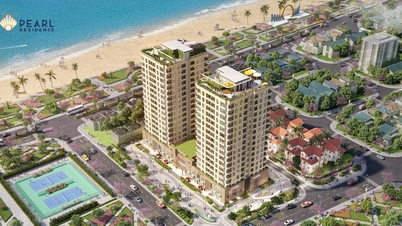
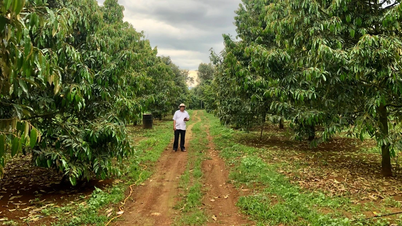
Illustrative image. (Source: DM)
Overall in 2023, supply decreased by 50%, and the absorption rate fell by approximately 16% compared to the previous year.
Similarly, the low-rise resort segment also saw a sharp decline in both supply and absorption rate. In 2023, supply decreased by as much as 90% compared to the previous year, and the project absorption rate only reached about 12%.
However, selling prices in both segments continued to rise. Specifically, the average asking price for high-rise resort properties in 2023 increased by approximately 3% - 6%. In the North, prices ranged from 33 - 61 million VND/m2, while in the Central region, prices were around 45 - 50 million VND/m2. Notably, in Khanh Hoa, one project was offered at up to 180 million VND/m2.
In the South, the average price of high-rise resort apartments in Kien Giang and Vung Tau is 99 million VND/m2 and 95 million VND/m2 respectively.
With low-rise resort properties showing a 1% - 4% increase in price, in the North, prices range from 37 to 65 million VND/m2, while in Hai Phong and Quang Ninh, asking prices reached up to 170 million VND/m2.
In Central Vietnam, the average selling price is around 60-85 million VND/m2, with some projects in Phu Yen offering prices as high as 100 million VND/m2. In Southern Vietnam, the average price is 50-110 million VND/m2.
According to BHS Group's forecast, after a period of economic hardship and numerous legal obstacles, many resort projects are "lying dormant," unable or not being exploited, resulting in virtually no liquidity despite losses being cut.
This leads to a loss of investor confidence and makes it difficult for them to return to investing.
According to BHS Group, economic difficulties, legal obstacles, and customer concerns are the three major reasons why the resort segment cannot recover immediately in 2024.
"The time when customers return to investing in resort properties is when legal obstacles are removed, projects resume operation, and become profitable," this unit stated.
Source

































































































Comment (0)