

Experts believe that Vietnam's real estate and resort segment continues to maintain strong interest, especially from Asian investors and family offices.
However, despite high demand, transaction volumes remain limited due to many projects having complex ownership structures or legal hurdles that prolong negotiation processes.
Projects located in prime locations in major city centers with convenient transportation infrastructure remain the top priority for investors due to their long-term value appreciation potential and ability to generate stable business cash flow.
Ms. Uyen Nguyen, Deputy Director of Savills Hotels Southeast Asia, commented that infrastructure development has a significant impact on shaping the future of Vietnam's resort market.
In 2025, in the aviation sector alone, the country plans to expand five airports: Cat Bi, Vinh, Dong Hoi, Ca Mau, and Phu Quoc – aiming to improve operational capacity, thereby enhancing connectivity and increasing tourist numbers.
In Ho Chi Minh City, it is expected that after the first phase of Long Thanh International Airport, along with the connecting metro system, becomes operational, accessibility for both domestic and international tourists will be significantly improved.
This not only encourages longer stays but also increases hotel demand in suburban areas, while enhancing Ho Chi Minh City's attractiveness for MICE tourism (tourism combined with conferences and events).
Accordingly, hotels located near subway stations will benefit from the increased demand for accommodation, thereby driving the development of new projects in locations with convenient connections to the metro system, especially selective service hotel models and lifestyle hotel models.
Furthermore, improved transportation infrastructure also creates opportunities for the luxury hotel segment to expand to areas outside the central District 1, analyzed Ms. Uyen Nguyen.
Several factors, from policy frameworks to infrastructure, have contributed to the growth of resort real estate. The segment is predicted to be ready for a new development cycle, especially given Vietnam's promising year of growth in the tourism industry.
Relaxed visa policies, improved tourism infrastructure, and effective marketing strategies from local authorities and businesses have affirmed Vietnam's position as a safe and friendly destination on the international tourism map. In the past two months alone, Vietnam welcomed nearly 4 million international visitors, a 30% increase compared to the same period last year and the highest growth rate in the region.
Mr. Mauro Gasparotti, Senior Director of Savills Hotels Southeast Asia, assessed that Vietnam's resort industry has had a very promising year, with international visitor numbers recovering to pre-COVID-19 levels.
Average hotel occupancy rates nationwide improved by 15%, while room rates also increased by 5%, primarily driven by strong growth in the luxury segment.
According to a survey by Savills Vietnam, in 2024, key coastal destinations such as Nha Trang-Cam Ranh continued to record outstanding growth, with a 125% increase in the number of international visitors compared to the previous year.
Similarly, Phu Quoc also witnessed a tourism boom in the last months of the year, thanks to the increase in direct international flights.
This growth trend is expected to continue, especially as Phu Quoc prepares to host the APEC 2027 conference, affirming its position as a global destination, Mauro Gasparotti cited.
Currently, Vietnam's tourism industry is undergoing a significant transformation, with the emergence of new business models, brands, and resorts.
Trends such as branded residences, luxury real estate, sky bars, beach clubs, wellness retreats, and all-inclusive resorts are increasingly being developed, helping to meet the diverse needs of various customer segments and contributing to the development of tourist destinations.
In addition, technological factors such as artificial intelligence (AI) are predicted to revolutionize the tourism industry, helping to optimize operational processes and personalize the experience for tourists.
These innovations will drive the next phase of development for Vietnam's real estate and resort industry, attracting leading brands and shaping the future of the sector.
Mauro Gasparotti believes this is the right time to re-evaluate the models for a new long-term development cycle.
Notably, there is a growing demand for new hotel models such as limited-service hotels, all-inclusive resorts, and lifestyle hotels, suggesting trends in the tourism industry and opportunities for investors.
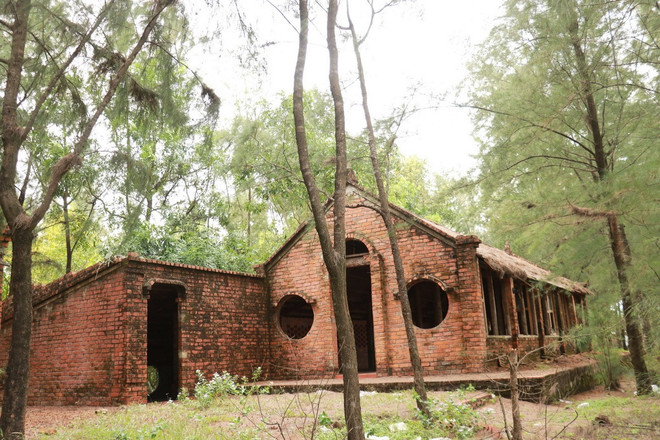
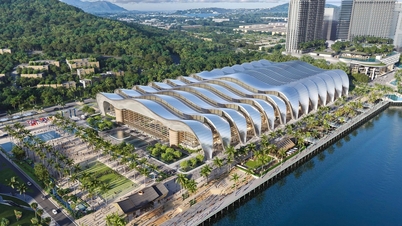
Another trend observed in the current market is the strong growth of "branded residences" (housing projects where the developer collaborates with a prestigious brand to create a perfect product and living experience) and luxury real estate in Vietnam in recent times.
As Vietnam is increasingly perceived as a more upscale destination, developers need to carefully consider many factors during project planning, including brand value, expected price appreciation, and the integration of luxury interior design and wellness features into the project.
According to Mauro Gasparotti, today's buyers of branded residences are not simply seeking property ownership or choosing a brand; they want a comprehensive lifestyle solution.
To meet this requirement, developers need to integrate healthcare, sustainable design, and high-quality service, which are increasingly becoming essential standards in the luxury real estate segment.
Projects that fail to meet these standards can damage customer trust and negatively impact the image of "branded residences."
The investors and project developers themselves recognize that, in order to further advance the market, they need strategic partnerships and improvements in regulations to ensure sustainable growth and strengthen investor confidence.
In particular, the legal framework and many important infrastructure projects that are gradually being completed are positive factors creating investment potential for Vietnam's real estate and resort market in the coming time.
According to Mr. Nguyen Chi Thanh, Permanent Vice Chairman of the Vietnam Real Estate Brokers Association, there are several important factors that need to be ensured so that the tourism and resort real estate segment can maintain its "slow but steady" development momentum.
First, there is the legal issue. Clearer and more specific regulations and guidelines are needed to standardize ownership and related issues concerning resort real estate. Defining these properties using legal concepts will provide a basis for implementing specific regulations, which can then be enforced effectively.
"Once legal obstacles are resolved, developers will be able to focus resources on project development and improving product and service quality. At the same time, investors will feel more secure when investing, thereby boosting the development of the resort real estate market," Mr. Thanh analyzed.
Furthermore, if the guiding documents are implemented soon with strict, clear, and highly practical regulations, it will help "resolve" the issues surrounding condotels (hotel apartments) and open up positive prospects for the resort real estate market in the future.
Source: https://www.vietnamplus.vn/bat-dong-san-nghi-duong-xu-huong-va-trien-vong-trong-nam-2025-post1021666.vnp

































































Comment (0)