

Practicing pursed-lip breathing, singing, blowing up balloons, and exercising daily can strengthen respiratory muscles, improve the respiratory system, and thus reduce sleep apnea.
Sleep apnea is a sleep disorder related to breathing patterns. If left untreated, it can lead to health problems such as daytime fatigue, high blood pressure, and heart issues.
Besides medical treatment, there are several simple ways to alleviate this condition.
Sing once a day: Singing can improve control and strengthen the muscles and soft tissues in the throat. This reduces the risk of sleep apnea, including snoring. Patients can try singing a favorite song once a day to exercise these muscles.
Blowing up balloons: The act of blowing up balloons requires taking a long breath, almost exhausting yourself in one go. Therefore, this activity can improve lung capacity and help strengthen the muscles in the mouth and throat. Patients should try blowing up a few balloons each day to strengthen their breathing muscles.
Weight loss: Being overweight is one of the main risk factors for sleep apnea. Weight loss involves reducing calorie intake and increasing energy expenditure. Eating less while exercising more helps with weight loss. Other helpful methods include drinking more water, exercising regularly, and eating fewer sugary, high-calorie foods.
Pursed-lip breathing: The muscles in and around the mouth also play a crucial role in respiration. Therefore, strengthening these muscles can also reduce sleep apnea. Purse your lips as if preparing to play a flute, hold for 30-60 seconds, then release. Repeat this exercise a few times a day.
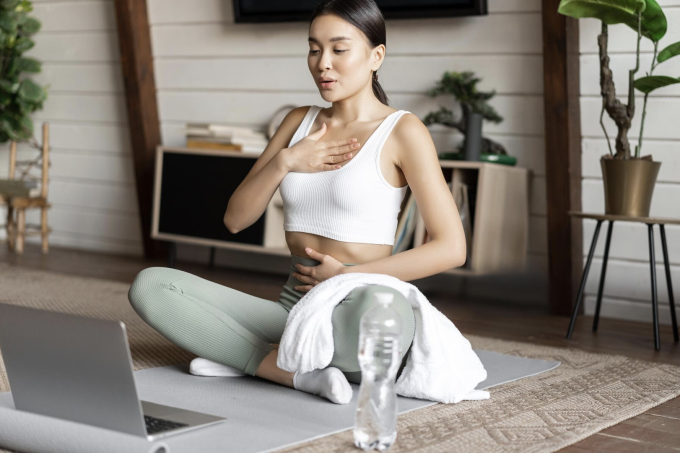
Pursed-lip breathing strengthens the muscles in and around the mouth, thereby reducing sleep apnea. (Image: Freepik)

Daily exercise: Physical activity helps with weight loss, improves lung function, and strengthens respiratory muscles. People with sleep apnea should incorporate moderate-intensity exercise five times a week for 30 minutes.
Start with some gentle aerobic exercises like walking, cycling, or swimming. Then, gradually increase the duration and intensity of your workouts over time. Some yoga exercises also tone muscles and improve breath control.
Quit smoking : Smoking is harmful to the lungs and contributes to health problems such as cancer, emphysema, high blood pressure, and sleep apnea. Quitting smoking is a way to reduce the risk or symptoms of these diseases.
Limit alcoholic beverages: Alcohol weakens the nervous system, interferes with normal breathing, and is a potential cause of sleep apnea. Non-alcoholic drinks such as soda, fruit juice, and herbal teas are beneficial for health. Herbal teas like chamomile tea can also help reduce anxiety and improve sleep.
Sleeping on your side: Sleeping on your side instead of your back or stomach can reduce snoring and respiratory problems. This won't cure the condition, but it can help reduce the frequency of sleep apnea. Use a cushion or place several pillows behind your back to prevent tossing and turning during the night.
Avoid certain medications: Some medications can worsen sleep apnea. Specifically, tranquilizers and some antidepressants. Patients should discuss their current medications with their doctor to find alternatives if this side effect occurs.
Maintain a regular sleep schedule: Try to go to bed and wake up at the same time every day. For example, go to bed at 10 PM and wake up at 7 AM to get enough restful sleep.

Avoid eating about two hours before going to bed: Eating too much before bed increases the risk of sleep disruption. People should avoid eating 2-3 hours before going to sleep.
Bao Bao (According to Wikihow )
| Readers can post questions about respiratory illnesses here for doctors to answer. |
Source link


















































![[Video] Sunset at Lap An Lagoon – Where the sun sets over the fishing nets](https://vphoto.vietnam.vn/thumb/1200x675/vietnam/resource/IMAGE/2026/05/31/1780192137701_beach-landscape-sea-water-nature-grass-745871-pxhere-com.jpeg)






































Comment (0)