

How to identify tofu containing gypsum
To avoid buying tofu containing harmful gypsum, you can identify it based on the following characteristics:
Exterior color
High-quality tofu will have an attractive creamy white color with a slight yellowish tint, little to no odor, and a very soft texture.
Tofu containing gypsum is much yellower; the yellower the color, the more gypsum it contains. Observe the edges of the tofu pieces exposed to air; if they harden and turn yellow, it indicates the tofu contains gypsum.
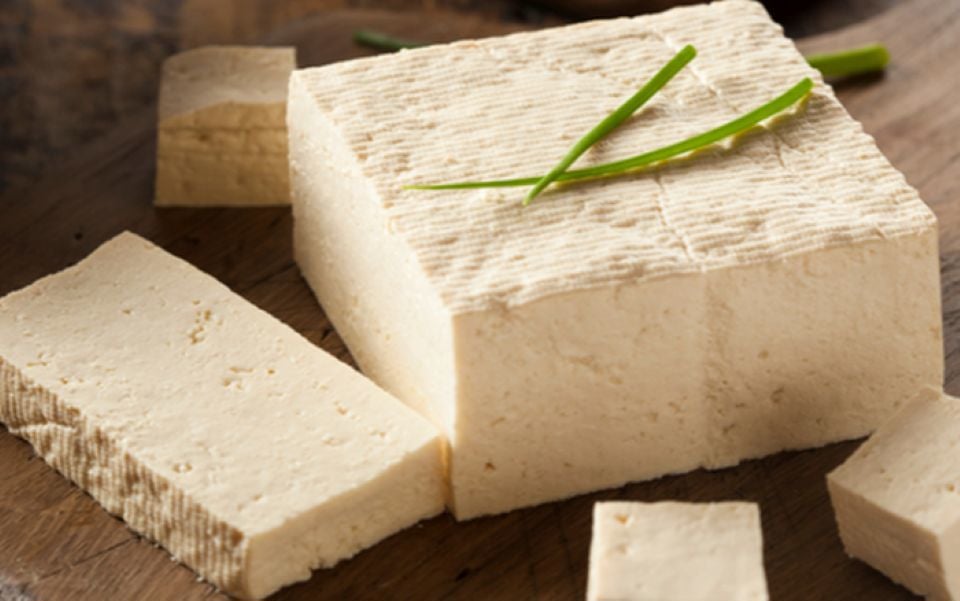
Hardness
Tofu producers who don't ensure food safety often add a large amount of gypsum to the soybeans during cooking. This causes the tofu curd to expand extremely quickly and simultaneously increases the weight of the tofu. Therefore, tofu containing gypsum will feel quite heavy and much harder than clean tofu.
Taste
Tofu containing gypsum often has a slightly bitter taste. Additionally, if the tofu is excessively fragrant and greasy, it's likely that additives have been added. Pure tofu, on the other hand, usually has a natural aroma and a rich, characteristic soybean flavor, similar to eating warm soy milk curd.
Besides learning how to distinguish tofu containing gypsum, you should also avoid being misled by false rumors that might lead you to believe in and consume tofu containing gypsum.
Many people claim that using gypsum from traditional Chinese medicine pharmacies to make tofu is safe and doesn't affect health. However, that's not true. The pure gypsum permitted for use in food additives is very expensive, so manufacturers don't use it; instead, they use industrial gypsum (commonly found in the construction industry).
How to choose delicious and safe tofu
To ensure your family's health, you should keep the following in mind when buying tofu:
- Choose tofu from reputable stores, supermarkets, or vendors, and avoid buying tofu of unknown origin.
- Prioritize handmade tofu: Handmade tofu is usually softer, has a natural aroma, and has a shorter shelf life.
- Check for softness: Good tofu will have a slight elasticity when gently pressed, not too hard.
- Observe the color: Fresh, good quality tofu is off-white, not too white or too dark yellow.
- Try before you buy: If possible, try a small piece. Good tofu has a mild, creamy taste, without any bitterness or grittiness.
How to make tofu at home
If you're concerned about the quality of tofu on the market, you can make tofu at home. The traditional method involves cooking 1kg of soybeans to yield over 2kg of tofu, creating a curd, and pressing it into molds. You can use brine, vinegar, or fermented tofu to enhance the curdling process. Traditional soft tofu is healthier the less additives are used.
Ingredient:
250g soybeans; 3 liters of water; 4 tablespoons of vinegar; 1 teaspoon of salt.
Processing:
- Soak soybeans in cold water for 6 hours, remove the hulls, rinse several times with clean water, then put them in a blender and blend until smooth with 3 liters of water (divide into 2-3 portions for faster blending, you can use less than 3 liters of water). Strain the soy milk several times to remove all the hulls.
- Heat the soy milk over low heat (stir gently and continuously to prevent burning at the bottom of the pot). Once the milk boils, skim off the foam, then simmer for about 20 minutes until the soybeans are fully cooked. Turn off the heat.
- If using soy milk, scoop out some of it. Mix the remaining soy milk with 4 parts vinegar and 1 part water, add it to the pot, stir well, and let the soy curdle naturally.
- Take a plastic basket (or mold), line it with a fine cloth, and pour all the cooked soybeans into it. Wrap it up and use a moderately heavy object to press down on the surface to drain all the water. The soft tofu will be pure white, soft, creamy, fragrant, and very delicious.
How to preserve tofu for a long time
- When you buy tofu from the supermarket, you should put it in the refrigerator immediately. If you don't eat it all, you should put the product in an airtight container and then refrigerate it, paying attention to the expiration date.
- To keep the beans fresh for longer, you need to change the water before soaking them as described above. You can keep the beans fresh for 5-7 days. If the water turns yellow after soaking, it doesn't mean the beans are spoiled, because that dark yellow color is due to the soy milk inside the beans, which will decompose when it comes into contact with water.
- Tofu is also very susceptible to fungal contamination (due to processing and storage), from the pressing trays, the hands of the workers, and the display areas. Therefore, you should not buy tofu that has a strange smell or a sour taste.
- Gelatin is not guaranteed to be hygienic; using gelatin carries the risk of contracting certain infectious diseases from animals.
Source: https://kinhtedothi.vn/cach-phan-biet-dau-phu-thach-cao-va-dau-phu-nguyen-chat.html





























































































Comment (0)