

The draft Road Law submitted to the National Assembly for discussion at the 7th session has 86 articles, a reduction of 6 articles compared to the draft law submitted by the Government; the content of 82 articles has been revised, 7 articles have been removed, and the content of some articles has been combined to create new articles, and the positions of 3 articles have been rearranged.
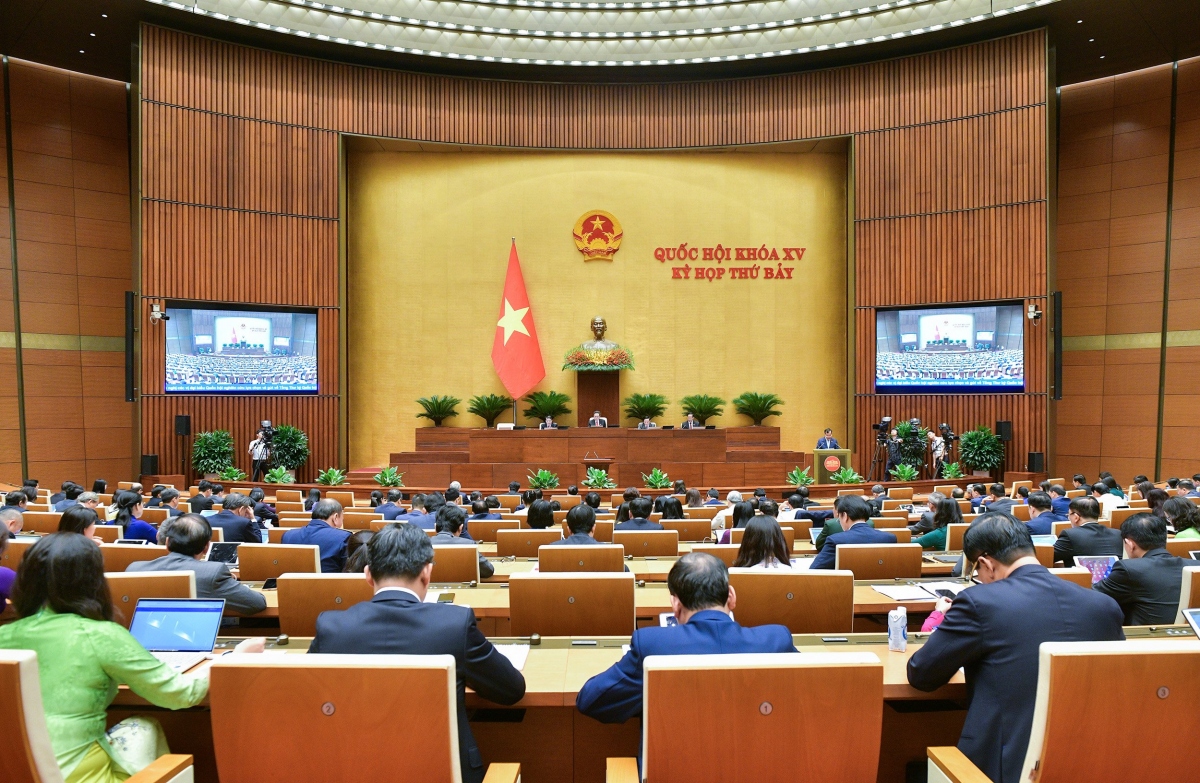
Regarding road infrastructure, the Standing Committee of the National Assembly directed that the draft law be revised to the maximum extent possible in accordance with the opinions of National Assembly deputies, focusing on the regulations in Article 8 (classification of roads by management level), Article 12 (land fund for road infrastructure), Article 15 (road safety corridor), Article 16 (use of land in road safety corridor), Article 28 (investment and construction of road infrastructure projects), and Article 31 (handover and commissioning of road projects).
Regarding regulations on investment, construction, management, operation, exploitation, and maintenance of road infrastructure, the Standing Committee of the National Assembly directed the addition and amendment of Article 8 to define the responsibilities of entities in road management. Based on this, Articles 28 and 37 of the draft Law were amended to define the responsibilities for investment, construction, management, operation, exploitation, and maintenance of road infrastructure, referencing the provisions of Article 8.
Regarding the financial resources for investment, construction, management, operation, exploitation, and maintenance of road infrastructure, and revenue from road infrastructure, in response to the opinions of National Assembly deputies, the Standing Committee of the National Assembly directed the amendment of Clause 2, Article 42 to align with the provisions of the State Budget Law.
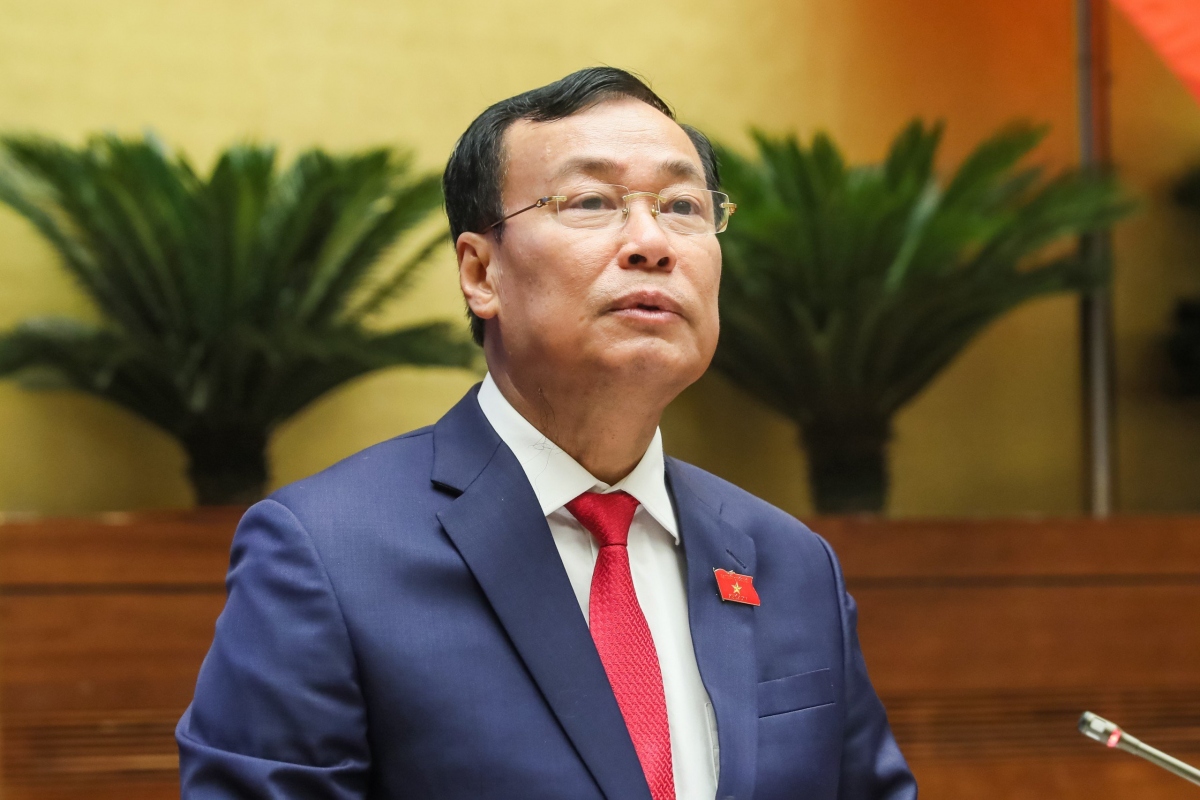
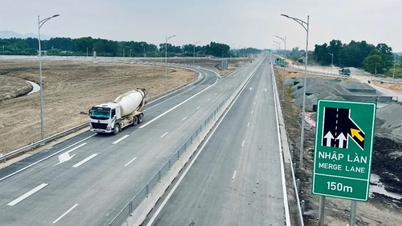
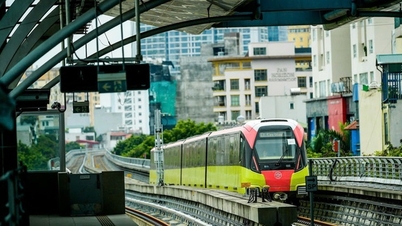
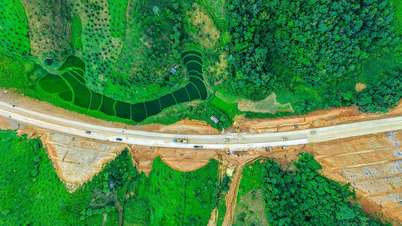
Regarding expressways, although expressways are a technical classification of roads, they have specific requirements regarding investment, construction, technical standards and regulations, and management, operation, exploitation, and maintenance.
Therefore, it is necessary to create a separate chapter to specify these contents in order to ensure the legal basis and feasibility for investment, construction, management, operation, exploitation, and maintenance of expressways.
Regarding the proposal to add specific regulations on technical requirements for expressways, the Standing Committee of the National Assembly suggests that the Minister of Transport be tasked with regulating these in the technical standards for expressways to ensure they are consistent with practical realities and within his/her authority.
Regarding regulations on the expansion and upgrading of expressways, the Standing Committee of the National Assembly has directed revisions to align with the provisions of the law on construction, public investment, investment under the public-private partnership method, etc., and to suit practical realities, in order to create a legal basis for attracting financial resources for investment in expanding and upgrading existing roads into expressways or expressways invested in in phases.
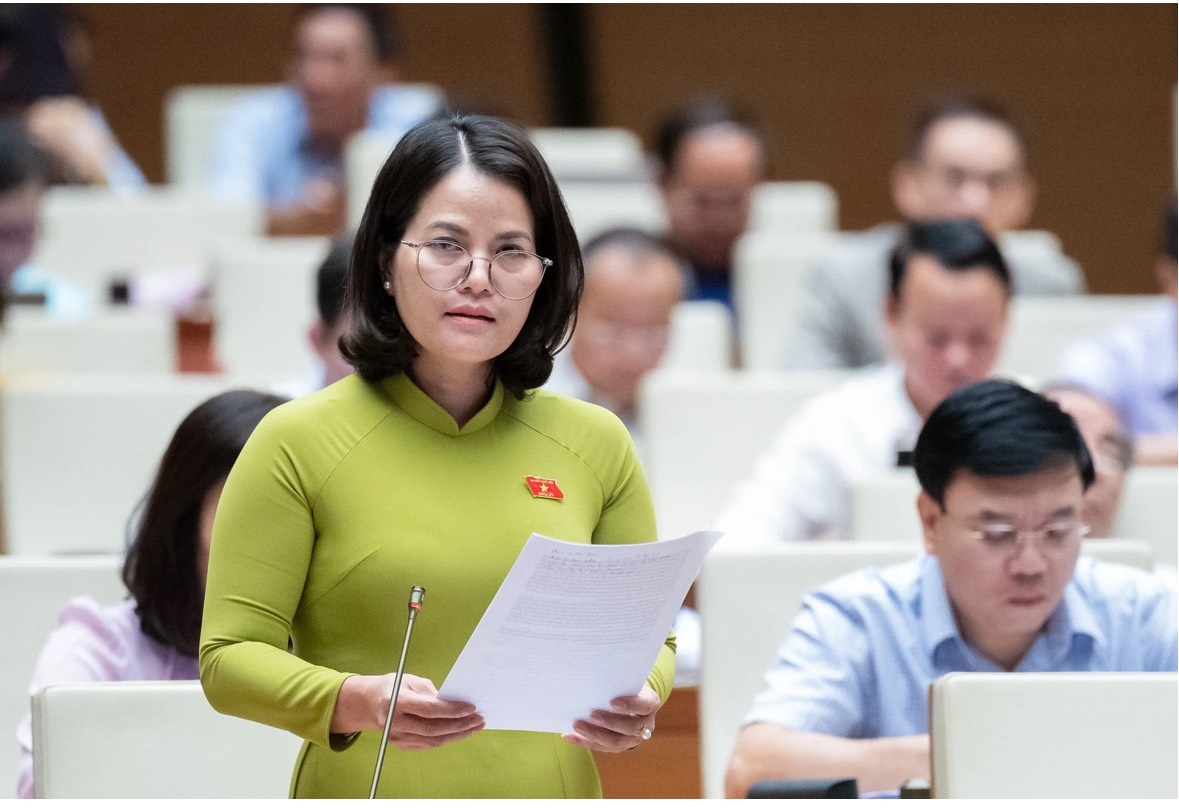
Regarding transportation activities, the Chairman of the National Defense and Security Committee, Le Tan Toi, stated that, in response to the opinions of National Assembly deputies, the Standing Committee of the National Assembly has revised the regulations in Chapter IV to ensure consistency with the provisions of the draft Law on Road Traffic Order and Safety, focusing only on regulating transportation business activities, the responsibilities of entities involved in transportation business activities, and supporting services for road transport activities.
Regarding state management of road activities, in response to the opinions of National Assembly deputies, an amendment has been added to Clause 2, Article 83 of the draft Law to ensure consistency with the draft Law on Road Traffic Safety, as the inspection of training, testing, licensing, and vehicle inspection activities within the People's Army and People's Police forces is carried out by the Ministry of National Defense and the Ministry of Public Security.
Regarding the suggestion to allow road inspectors to stop vehicles for processing, to ensure uniformity and avoid overlapping functions and responsibilities between traffic police and road inspectors, and to prevent inconvenience for road users when multiple authorities are involved in handling road violations, the draft Law stipulates that road inspectors will perform specialized inspection functions, not conduct on-road inspections or handle violations, but only handle accountability through "static" traffic points and databases. On-road patrols and enforcement will be carried out by the traffic police.
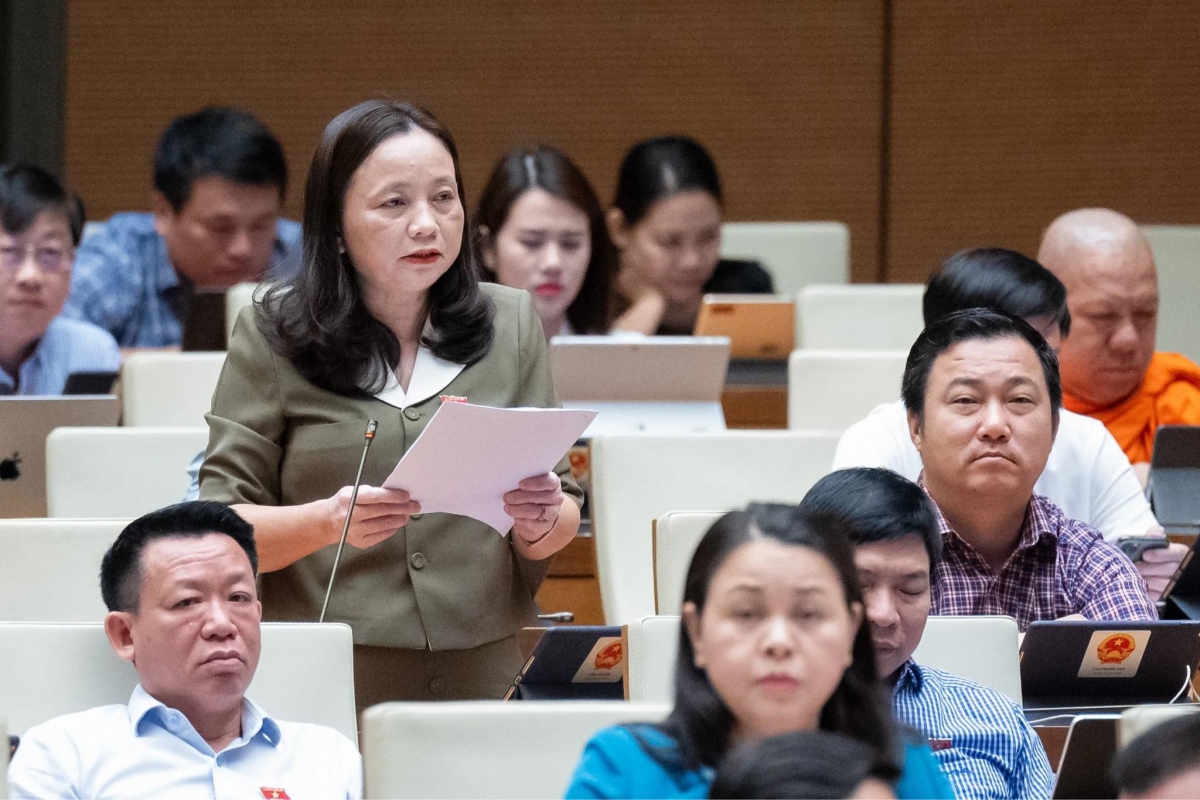
Regarding the effective date, based on the proposal of the drafting agency, the Standing Committee of the National Assembly has directed the incorporation of feedback, revisions, and proposed that the National Assembly add Clause 2 to Article 85 of the draft Law, whereby the regulations related to the collection of expressway usage fees will take effect from October 1, 2024, in order to promptly organize the implementation of expressway usage fee collection activities as stipulated in this Law.
It is suggested to add the term "high-speed road," distinguishing it from highways.
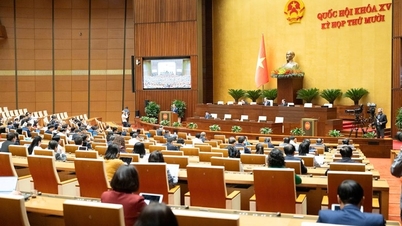
Commenting on this draft law, delegate Nguyen Van Canh (Binh Dinh delegation) expressed concern about Article 10, which stipulates the technical classification of roads.
Accordingly, in clause 2 of this article, the representative argued that high-speed roads differ from expressways because they may not have a median strip, nor escape lanes, and their traffic organization is similar to national highways. High-speed roads also differ from national highways in that they do not have residential areas on either side.
Therefore, Representative Nguyen Van Canh proposed that the National Assembly consider adding "high-speed roads" to encompass all types of roads and organize traffic appropriately for expressways, high-speed roads, and national highways.
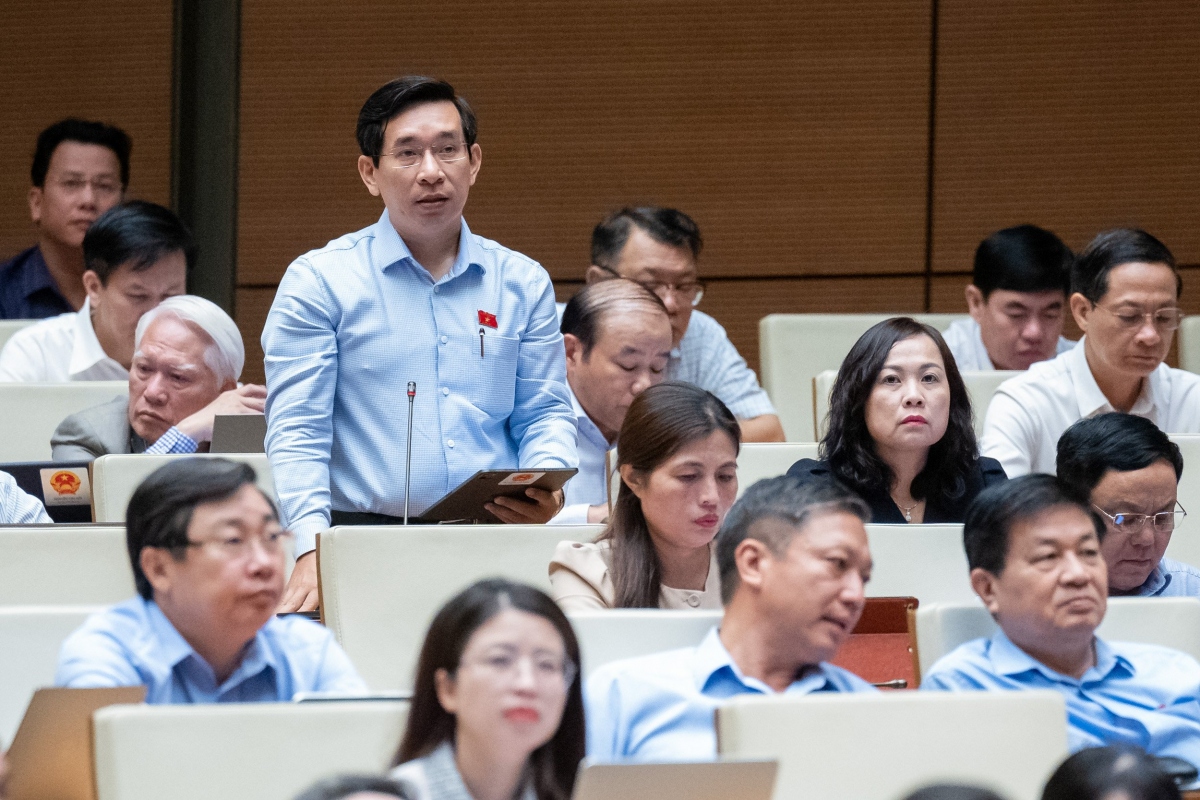
In addition, delegate Nguyen Hoang Bao Tran (Binh Duong delegation) argued that the development and completion of the Road Law in recent years has been an important legal basis for unlocking investment resources for the construction of transportation infrastructure.
In addition to policies prioritizing resources for road infrastructure development; building mechanisms to promote the mobilization of social resources; and methods for investment, construction, management, operation, exploitation, and maintenance of infrastructure... allowing the exclusion of road infrastructure from public asset valuation is a very correct approach, based on practical experience gained during the process of organizing investment, construction, renovation, and upgrading of roads.
This is also one of the important aspects aimed at resolving practical obstacles when implementing PPP projects.
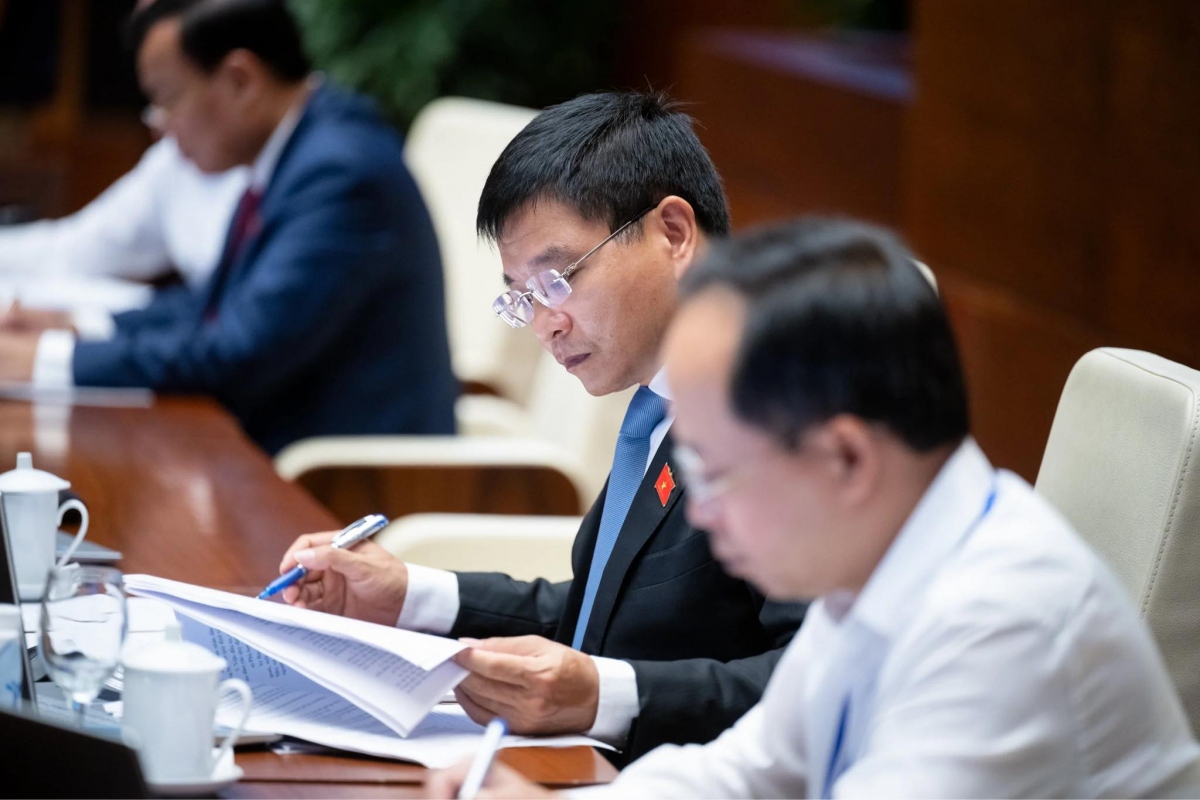
"Although this regulation has the potential to increase the proportion of state capital participating in PPP projects beyond 50% of the total project investment and differs from the provisions of the PPP Law, the specific analyses in the draft Law have resolved one of the fundamental bottlenecks when implementing investment projects to expand, renovate, and upgrade infrastructure in general, including road infrastructure, under the public-private partnership method," Ms. Tran said.
Specifically, given the limited state budget, it is necessary to maximize the mobilization of social resources and accelerate the renovation, upgrading, and expansion of transportation infrastructure investment projects through public-private partnerships.
In addition, to ensure the effectiveness of investment in some road projects that are not immediately invested in according to the planned scale, phasing the investment through public investment in the next phase is appropriate and necessary.
VOV.VN - Standing Vice Chairman of the National Assembly Tran Thanh Man said that this session will consider and approve 10 draft laws; 3 draft resolutions on legal regulations and discuss and give initial opinions on 11 other draft laws; and consider the investment policy for the construction project of the North-South Expressway in the West, section Gia Nghia (Dak Nong) - Chon Thanh (Binh Phuoc).
Source: https://vov.vn/chinh-tri/quoc-hoi/luat-duong-bo-can-quy-dinh-quy-chuan-ky-thuat-duong-cao-toc-post1096520.vov


![[Photo] Prime Minister Pham Minh Chinh attends the Conference summarizing and implementing tasks of the judicial sector.](/_next/image?url=https%3A%2F%2Fvphoto.vietnam.vn%2Fthumb%2F1200x675%2Fvietnam%2Fresource%2FIMAGE%2F2025%2F12%2F13%2F1765616082148_dsc-5565-jpg.webp&w=3840&q=75)













































































Comment (0)