

Solutions to support businesses in recovering production and operations are becoming increasingly urgent after Typhoon No. 3 left severe consequences for the affected localities.
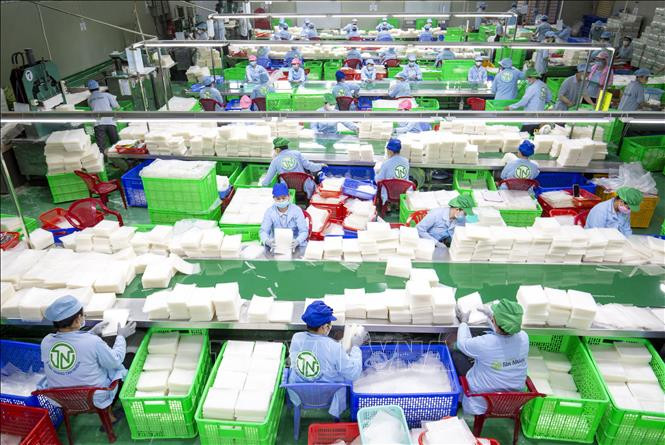
Businesses need support.
According to statistics from the Ministry of Planning and Investment, Typhoon No. 3, heavy rains, floods, and landslides in various localities have caused estimated damage exceeding 60,000 billion VND to date, and GDP in 2024 may decrease by 0.15% compared to the projected growth scenario of 6.8-7% for the whole year.
Mr. Hong Sun, President of the Korean Chamber of Commerce in Vietnam (Kocham), stated that many Korean businesses investing in Vietnam suffered serious damage from Typhoon No. 3, especially in Quang Ninh and Hai Phong . Much of the merchandise was damaged, factories and warehouses collapsed, and machinery was submerged and rendered inoperable. For example, a factory in Hai Phong, near the coast, had both its basement and ground floor flooded. The company anticipates it will take several months to repair, order, and import new machinery to resume operations. To help businesses recover after the typhoon, government agencies and authorities need to actively provide emergency loans to affected individuals and businesses to expedite the reconstruction process.
According to the Hai Phong Economic Zone Management Board, businesses in the local industrial parks and economic zones have resumed production, but it will take at least three months to fully recover. For businesses in the logistics sector, according to a survey by the Supply Chain Management Consulting Company (CEL), thanks to the rapid mobilization of resources, nearly 45% of surveyed businesses expect to recover within about one month...
The Vietnam Chamber of Commerce and Industry (VCCI) has analyzed that numerous businesses damaged by storms and floods are facing the risk of closure, suspension, or reduction of production because their equipment, factories, and other facilities have been damaged. The restoration of production and business operations for many enterprises is proving difficult, seriously impacting economic growth and the livelihoods of people and workers.
Regarding this issue, To Hoai Nam, Permanent Vice President of the Vietnam Association of Small and Medium Enterprises (VINASME), stated that businesses need approximately 3-6 months to fully recover. The key concern is the level of support from ministries, sectors, and localities, and how priority should be given to supporting economic sectors simultaneously affected. Furthermore, in addition to debt deferral, postponement, and waiver, and lowering bank loan interest rates, the prices of electricity, water, healthcare, and education also need to be adjusted to minimize costs.
On the other hand, according to a report by the Ministry of Agriculture and Rural Development, the storms and floods have so far inundated approximately 190,358 hectares of rice fields and 48,720 hectares of other crops; 3,269 aquaculture cages and rafts have been damaged or swept away... This reality has left thousands of farming households destitute. This is an important area that creates sustainable livelihoods, attracts labor, and involves many poor households. Therefore, the Government needs to allocate significant budget resources for relief and then livelihood restoration.
Therefore, VINASME hopes that the State will provide financial assistance for land lease fees for 3-5 years to affected agricultural and fisheries businesses; and encourage FDI businesses to purchase raw materials from the affected areas. Meanwhile, VCCI proposes increasing financial support for aquaculture businesses, waiving fees for water surface leases, port entry and exit fees, and mooring fees for up to one year, or the State subsidizing 50-70% of insurance costs for fishing and tourism vessels until the end of 2025.
In addition, the banking system and financial institutions should soon offer low-interest or zero-interest loan packages for businesses and individuals, tailored to specific groups, to help restructure debt. A series of other policies related to the market and labor are also hoped for by the business community, such as: the government reducing the VAT on gasoline and diesel from 10% to 8% for the last three months of 2024 for local gasoline retailers suffering losses, or the government considering cash support packages for individuals and businesses, instead of just tax exemptions and reductions.
Suggestions to support businesses
Mr. Jung Hyeok, General Director of LS Metal Vina Company, representing the group of manufacturing businesses in DEEP C Industrial Park (Hai Phong), suggested that social insurance should cover a portion of workers' wages due to production stoppages, in order to retain employees. Customs, tax, and fire safety agencies should also postpone inspections to allow businesses to focus on recovery.
Similarly, according to Mr. Vu Huy Khue, Deputy Director of the Hai Phong City Tax Department, businesses affected by storms and floods need to be granted extensions for tax payment deadlines and tax return filing deadlines; exemptions and reductions in personal income tax, special consumption tax, resource tax, non-agricultural land use tax; exemption from late payment penalties; and exemption from administrative fines... The procedures and documents for implementation should be publicly available on information websites and provided directly to taxpayers...
On the banking side, State Bank Governor Nguyen Thi Hong affirmed that 32 out of 40 commercial banks have registered and implemented new credit packages with interest rates 0.5-2% lower to provide credit to businesses and individuals affected by storms and floods. For example, BIDV is implementing a program to reduce lending interest rates to support individuals and businesses damaged by Typhoon No. 3, with a total outstanding loan balance of VND 100,000 billion subject to interest rate reduction, with a maximum reduction of up to 2% per year depending on the extent of damage and the loan term of the customer. The interest rate reduction support period is from September 20, 2024 to December 31, 2024.
Agribank will adjust interest rates by 0.5 - 2% per year and waive 100% of overdue and late payment interest based on the extent of damage suffered by customers affected by storms and floods, from now until December 31, 2024; and reduce lending interest by 0.5% per year compared to the lending interest rate for loans incurred from September 6, 2024 to December 31, 2024.
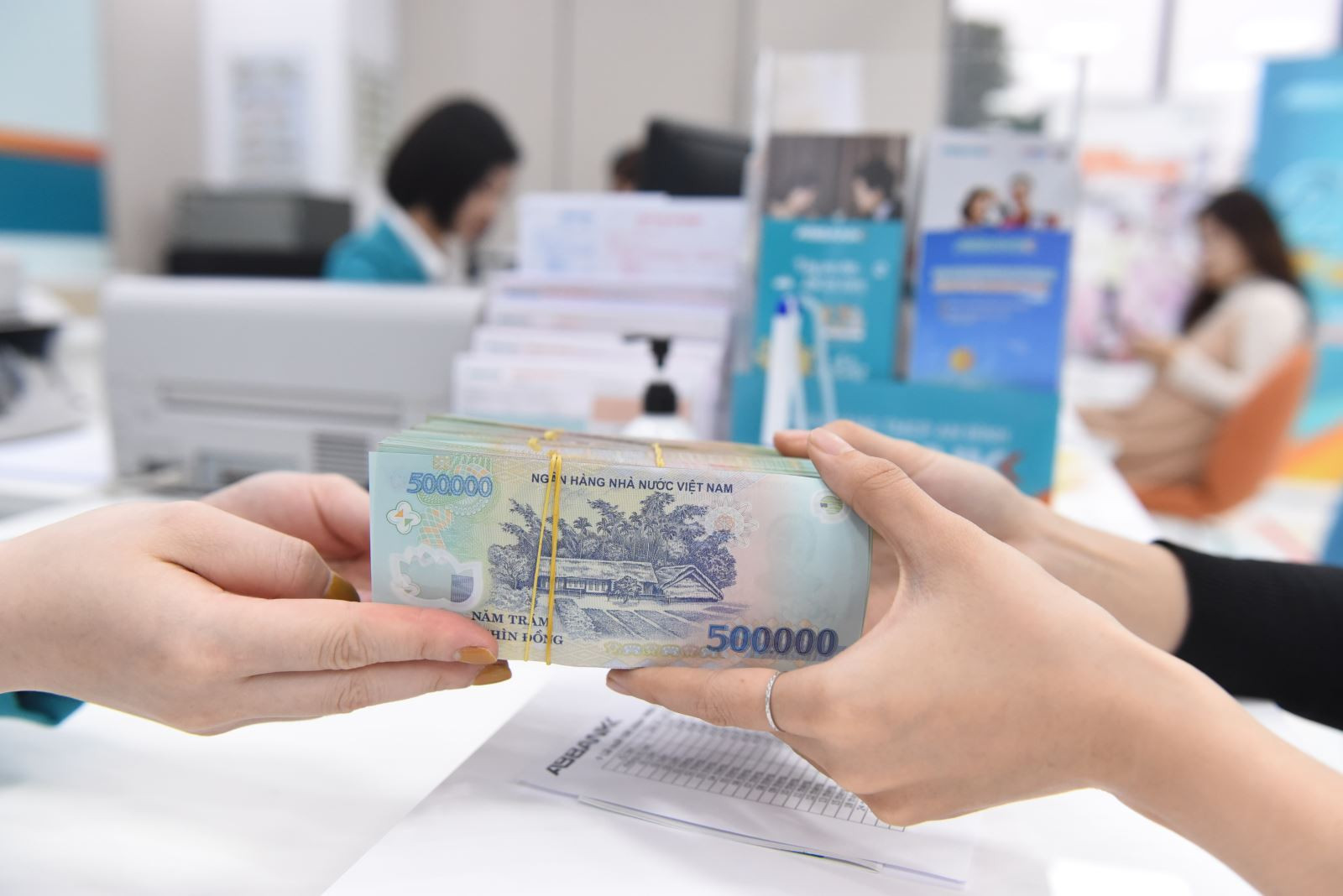
ABBank is applying a loan interest rate reduction of up to 1.5%/year for individual customers with business loans, a reduction of up to 1.5% for 6 months from the date of application for medium/long-term business loans; for short-term business loans, depending on the extent of damage, a reduction of up to 0.7%/year will be applied for the remaining term of the existing loan until the maturity date...
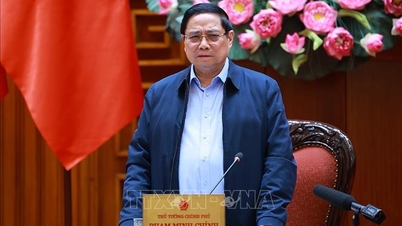
At a recent government meeting with 12 leading private economic groups in Vietnam, with total assets estimated at over $70 billion, contributing 45% of GDP and 40% of total social investment... but facing many difficulties in recovering production and business, Prime Minister Pham Minh Chinh affirmed: The government is committed to always stand alongside and protect the legitimate rights and interests of businesses under any circumstances.
The Prime Minister requested that Deputy Prime Ministers, ministers, and heads of agencies, if they receive feedback on the difficulties faced by businesses, must directly listen and resolve them definitively within their functions and authority; promptly research and abolish unnecessary permits and barriers that increase compliance costs for businesses; and promptly remove institutional obstacles so that businesses can operate smoothly in accordance with the law, confidently engage in production and business activities, and contribute to the economy.
In addition, the Prime Minister also requested large enterprises to promote six pioneering initiatives: Promoting the application of science and technology and innovation; participating in global value chains, production chains, and supply chains to build corporate and national brands; creating jobs and livelihoods for the people, ensuring social security, and leaving no one behind; developing digital infrastructure, transportation infrastructure, cultural infrastructure, responding to climate change, and green transformation; training high-quality human resources, reforming administrative procedures, and enhancing smart governance capabilities; and linking and supporting enterprise development and national development.
Source












































































Comment (0)