Synchronizing multiple measures
According to the head of the Da Nang City Center for Disease Control (CDC), the unit has established five mobile rapid response teams to flood-affected areas to support healthcare facilities, schools, and residents in cleaning drinking water sources and spraying disinfectants to limit common diseases that occur after floods.
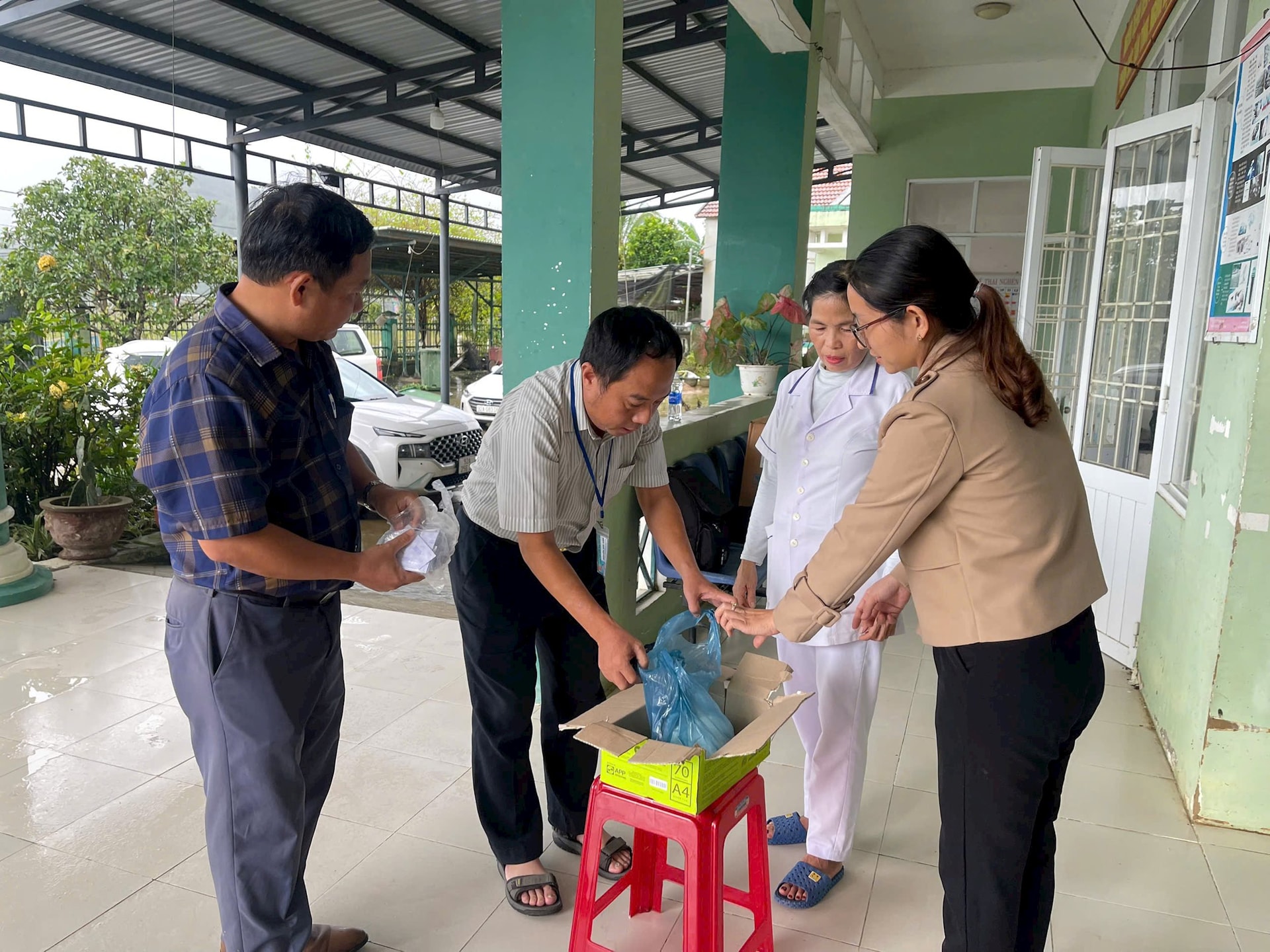
Mr. Vo Trung Hoang, Deputy Director of the Da Nang CDC, said that after the floodwaters receded, five mobile teams were present in the localities to guide people in disinfecting water, ensuring clean water using Chloramin B and Aquatabs tablets, and implementing environmental treatment at medical facilities that were severely flooded, such as: Quang Nam Regional General Hospital (Dien Ban ward), Duy Xuyen Regional Health Center, and some areas in Hoi An and Dai Loc…
“The Da Nang CDC promptly provided over 280kg of powdered Chloramin B and 40,000 Aquatabs tablets to support people in disinfecting water sources, cleaning houses, and treating the environment after the floods. Simultaneously, they strengthened monitoring of disease-carrying sources in affected areas, and were ready to implement measures when disease outbreaks were detected to prevent the spread of disease after the floods,” said Mr. Vo Trung Hoang.
The head of the Dai Loc Regional Health Center said that they have distributed Chloramin B and Aquatabs tablets to commune health stations to support people in treating water sources and cleaning the environment. They also instructed health station staff to go to the areas to coordinate with the local government and village health workers to guide people in environmental treatment and disinfecting well water by using one Aquatabs tablet for every 20 liters of water.
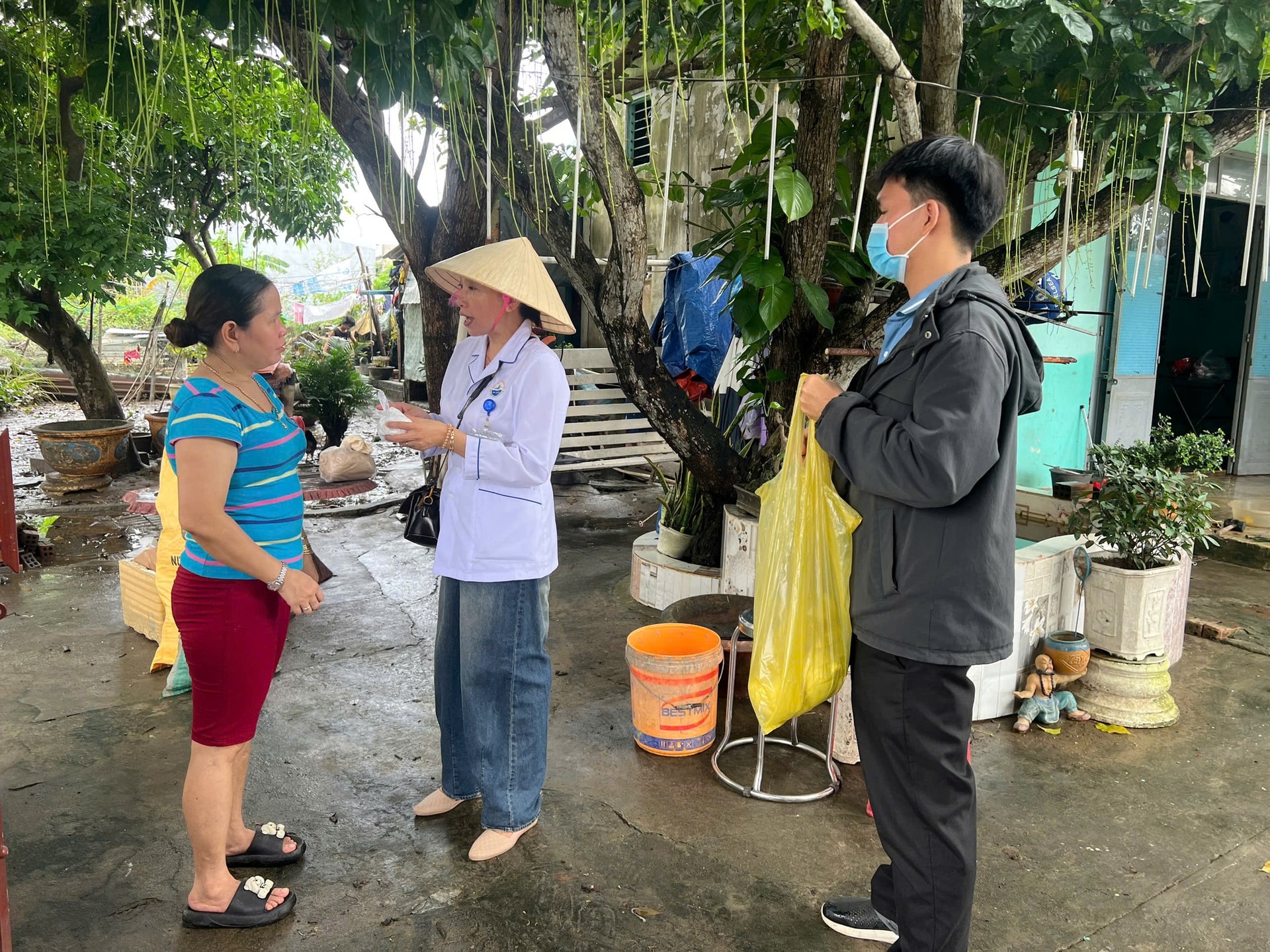
In Hoa Tien commune, immediately after the floodwaters receded, the commune's health station proactively implemented environmental sanitation and disease prevention activities, and distributed Chloramin B to public and private schools that were flooded. At the same time, staff were assigned to directly guide the cleaning and disinfection of classrooms, desks, chairs, and learning materials, ensuring a safe environment for students to return to school.
In addition, people in the villages were instructed to rinse, clarify, and disinfect water wells and reservoirs with Chloramin B, and to boil water before use to prevent gastrointestinal diseases. People were also reminded to clean up mud and waste, clear drainage ditches, eliminate mosquito larvae, eat cooked food, drink boiled water, wash hands with soap, and prevent stagnant water around their homes.


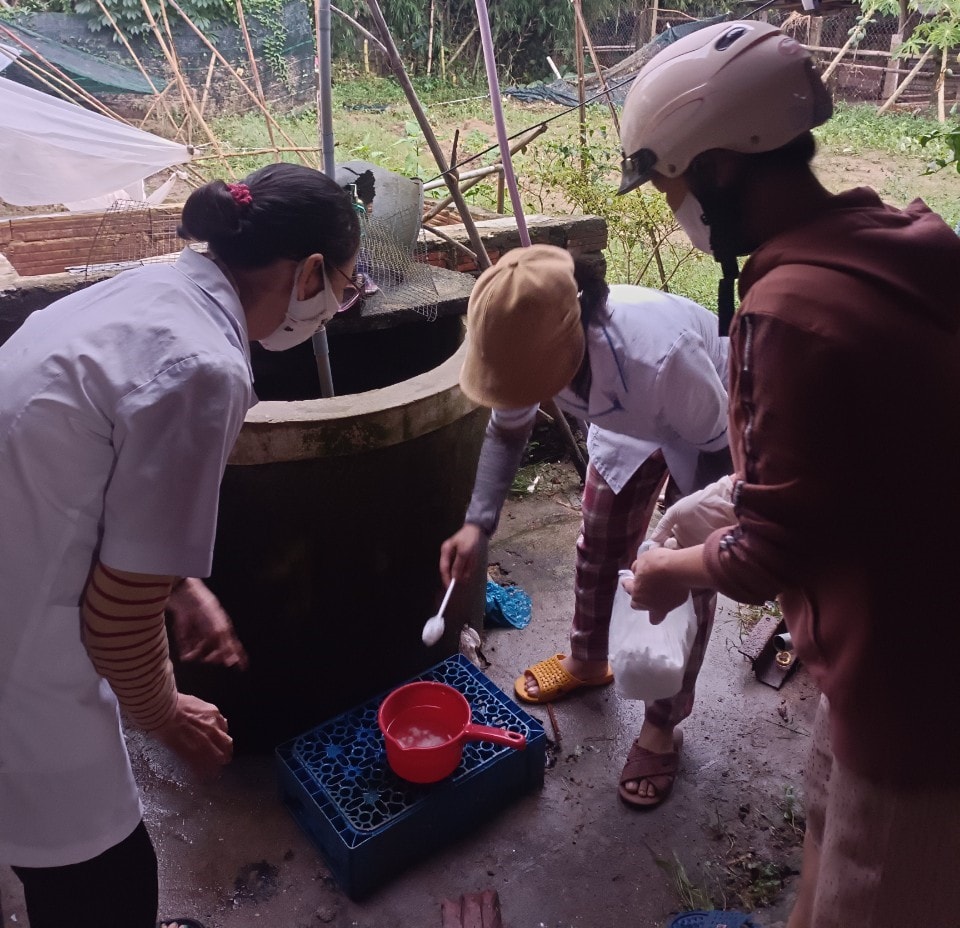
Community collaboration is needed.
To date, Da Nang has not recorded any unusual signs of infectious diseases other than dengue fever, which had previously increased. However, vector surveillance and epidemiological monitoring are being carried out regularly to detect and handle cases promptly.
According to Mr. Vo Quang Vinh, Director of the Hoa Vang Regional Health Center, in addition to actively supporting and guiding people in cleaning up and treating the environment and water sources, the commune health stations in the area also proactively coordinate with the Department of Disease Control to closely monitor, detect early cases and outbreaks, and promptly isolate and handle them, while promoting disease prevention and control in schools and residential areas.
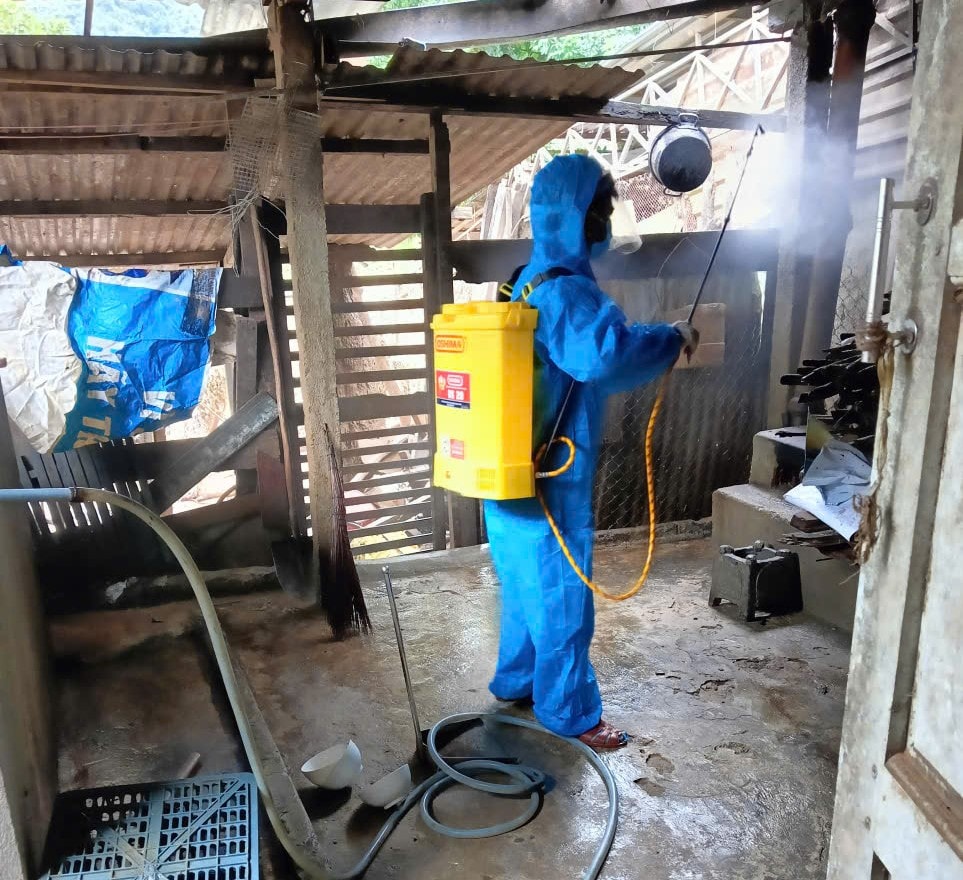
According to the head of the Da Nang CDC, floodwaters carry waste, feces, animal carcasses, and mud, which mix into wells, reservoirs, and rivers and lakes, increasing the density of pathogens such as bacteria that cause cholera, dysentery, typhoid, leptospirosis, as well as viruses, parasites, and fungi.
In addition, stagnant water and uncollected waste create favorable conditions for mosquito larvae to breed, increasing the risk of dengue fever outbreaks. Improper living conditions lead to poor personal and environmental hygiene, thereby increasing the risk of spreading respiratory or contact-borne diseases such as influenza and conjunctivitis.
According to Mr. Dang Quang Anh, Deputy Head of the Infectious Disease Prevention and Control Department (CDC Da Nang), to ensure health and prevent disease, treating and ensuring clean water sources is especially important. The best way is to thoroughly boil water to kill bacteria. If boiling is not possible, people can use Chloramin B or Aquatabs tablets according to the instructions printed on the packaging to disinfect. Absolutely do not use food that has been soaked in floodwater, contaminated, or shows signs of spoilage; eliminate mosquito larvae to prevent dengue fever...
Based on the city's plan for infectious disease prevention and control in 2025 and the proposed needs of regional health centers, the Da Nang CDC has allocated 375kg of Chloramin B 25% and 315 liters of mosquito repellent to 16 regional health centers to ensure timely and proactive response in disease prevention and control after the floods.



On November 1st, the City Health Department organized two working groups to visit, encourage, inspect, direct, and support the Health Centers in Dien Ban, Duy Xuyen, Dai Loc, Hoi An, Nong Son districts and the Northern Quang Nam Regional General Hospital in implementing measures to ensure healthcare, environmental sanitation, water source treatment, disease prevention, and khắc phục the consequences of floods and heavy rains.
At the same time, we highly appreciate the proactive spirit and flexible response of the units in implementing the "4 on-site" principle, ensuring the safety of medical staff and patients, and quickly bringing medical facilities back to normal operation.
On this occasion, the Department of Health handed over 4,000 sets of medicine donated by FPT Long Chau, along with 8 sets of medicine for flood and storm prevention and support gifts to hospitals, regional health centers and health stations affected by flooding.
Source: https://baodanang.vn/chu-dong-phong-ngua-dich-benh-3309024.html





![[Photo] Strengthening character and expertise: Intense training for artillery soldiers.](https://vphoto.vietnam.vn/thumb/1200x675/vietnam/resource/IMAGE/2026/06/30/1782815602541_lu-368-1875-4571-jpg.webp)