

According to Carscoop on October 13th, Toyota President and former CEO Akio Toyoda has always been frank about his views on electric vehicles. In fact, the Japanese automaker has always been cautious about future plans to produce only fully electric cars, while also striving to develop alternative fuels and hybrid vehicles.
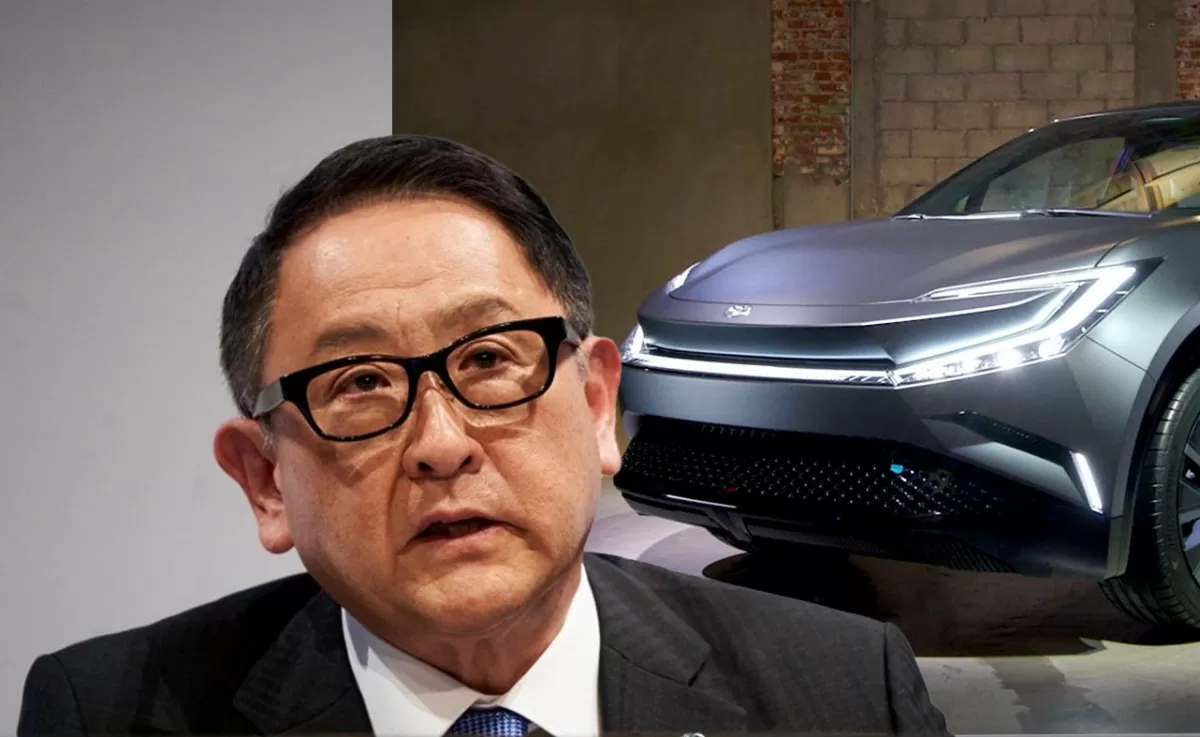 |
| Toyota's chairman is concerned about labor market volatility as the industry shifts towards producing only electric vehicles. Photo: Carscoops |
Most recently, Toyota president Akio Toyoda predicted that if there were a future dominated by electric vehicles, the automotive industry, particularly those working in internal combustion engine technology, would be severely impacted, potentially leading to millions of job losses. He made this remark at an event at Nagoya University in Japan.
" There are 5.5 million people involved in the automotive industry in Japan. Many of them have worked on internal combustion engines for a long time ," said Akio Toyoda. The president emphasized that if electric vehicles become the only option, manufacturers will not be able to retain these workers.
Akio Toyoda's latest remarks are seen as similar to views he has expressed over the years. Besides predicting job losses in the industry, the Toyota president also criticized politicians promoting electric vehicles when Japan risks electricity shortages in the summer if all vehicles run on electricity. Instead, Toyoda advocates a more balanced path toward carbon neutrality, including hybrids and cleaner internal combustion engine vehicles.
Amidst conflicting opinions about the "wave" of electric vehicles, when Akio Toyoda was CEO of Toyota, the company was criticized for hindering government efforts to mitigate climate change. Earlier this year, his recent re-election as chairman was met with opposition from some investors who argued that his views were flawed.
However, despite the controversies, Toyota is now considered to have the right plans by being cautious with electric vehicles. This is because other automakers like Ford, General Motors, and Volvo are now having to reassess their previous electric vehicle-focused strategies. On the other hand, Toyota is selling more cars than any other manufacturer in the U.S., largely thanks to its diverse hybrid product line.
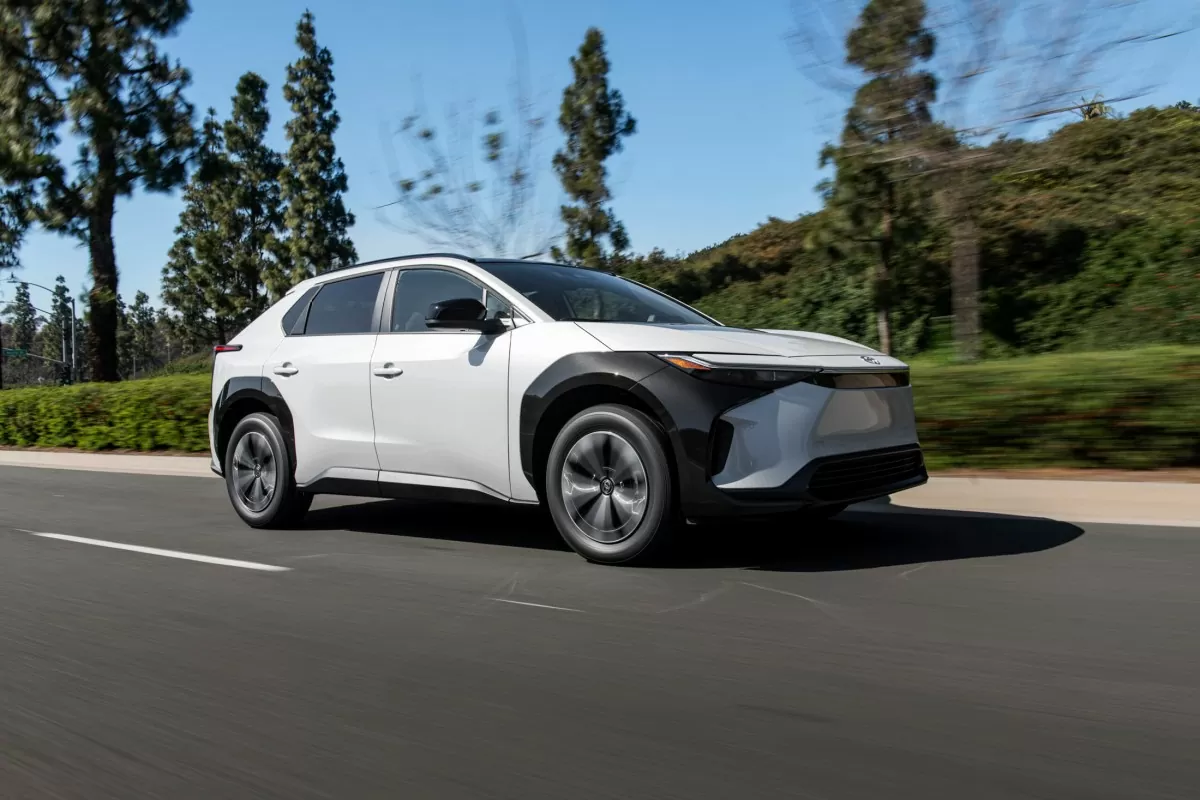 |
| Toyota's business remains stable thanks to its cautious approach to electric vehicles. Photo: Carscoops |
In fact, in 2024, the American automaker Ford officially abandoned its plan to produce a fully electric sport utility vehicle (SUV), replacing it with hybrid models. Hybrid vehicles typically have a shorter battery range but compensate for this by combining with a gasoline engine, resulting in a longer range. This decision not only meant Ford had to account for at least $400 million in production equipment already invested in for electric SUVs that are now no longer in use, but could also lead to an additional $1.1 billion loss from adjustments to its development and production plans.
Luxury car manufacturer Volvo remains committed to a future of all-electric products, with five models already on the market and five more under development. Complete electrification remains a key strategic goal, aiming for zero greenhouse gas emissions by 2040. However, Volvo has adjusted the specific figures and timelines of its original plan to align with its business strategy.
Specifically, Volvo aims to have 90-100% of its global sales by 2030 be electrified vehicles, including both pure electric and plug-in hybrid (PHEV) models, with the remaining 10% being a limited number of mild hybrid models if needed. Previously, the automaker had set a target of producing only pure electric vehicles by 2030.
Source: https://congthuong.vn/chu-tich-toyota-canh-bao-ve-so-nguoi-mat-viec-khi-thi-truong-chi-con-xe-thuan-dien-352118.html


![[Photo] Prime Minister Pham Minh Chinh holds a phone call with the CEO of Russia's Rosatom Corporation.](/_next/image?url=https%3A%2F%2Fvphoto.vietnam.vn%2Fthumb%2F1200x675%2Fvietnam%2Fresource%2FIMAGE%2F2025%2F12%2F11%2F1765464552365_dsc-5295-jpg.webp&w=3840&q=75)











































































Comment (0)