

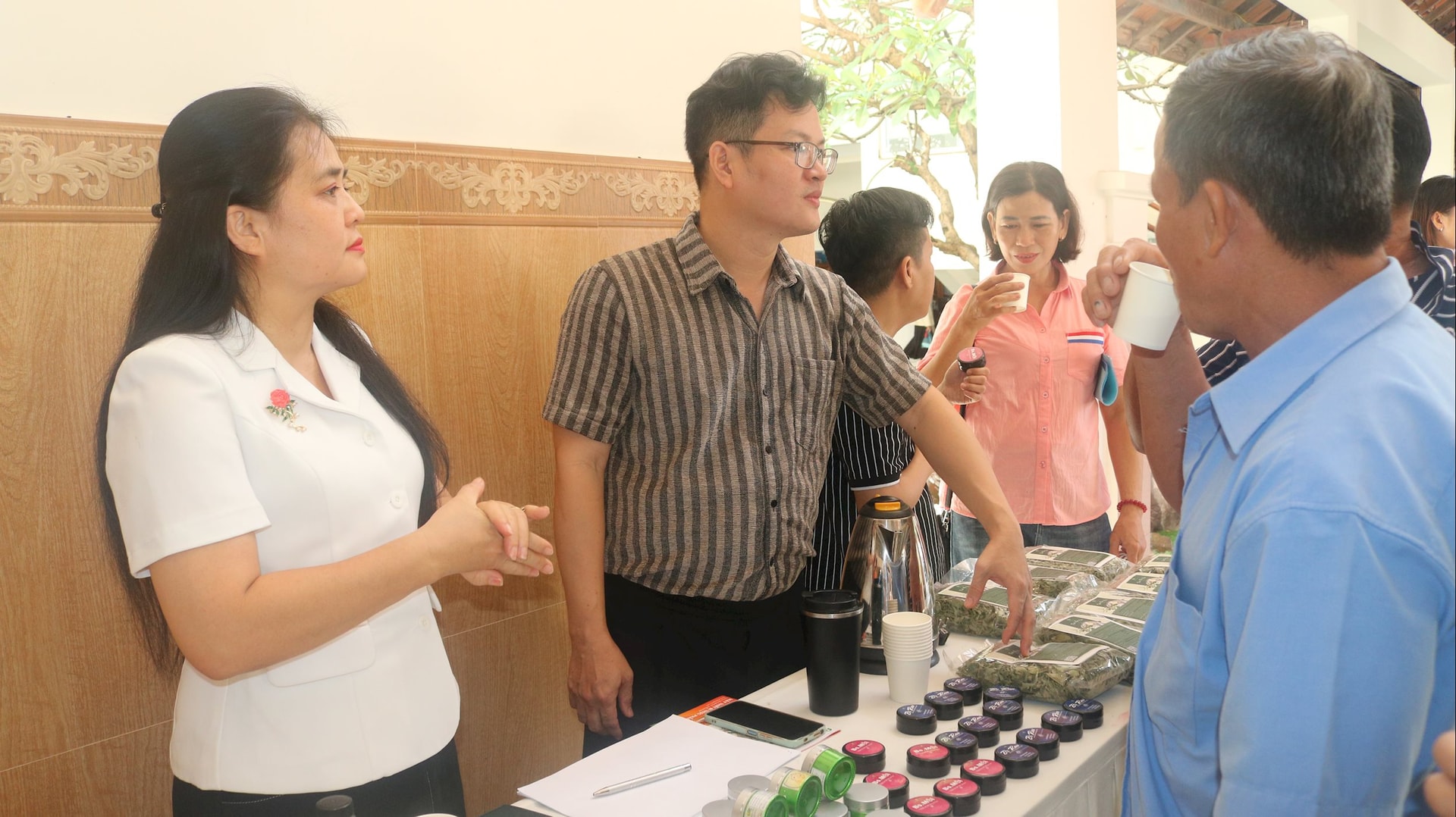
Mr. Tran Chi Thanh, M.Sc., from Sac Moc Tinh Co., Ltd. (Ho Chi Minh City), shared information about technologies for processing agricultural products and by-products with low initial investment costs. The speaker introduced the scientific basis of the new technology for everyone to understand. Specifically, jackfruit sap, or the peels of fruits such as oranges, tangerines, apples, and pears, which contain astringent and bitter substances, are treated with high alkaline pH to create neutralizing agents. The application of enzyme technology involves processing agricultural products at a boiling temperature of 100 ° C for 1-5 minutes, immediately soaking in cold water, then drying in a dryer, and finally sun-drying to dry the product, eliminating microorganisms and mold growth.
To synchronize this process, new technology supports the design of sun-drying houses with automatic electric temperature compensation, through the application of solar energy integrated with dehumidification technology in agricultural product processing. Innovative equipment designs, such as solar heat traps placed above the dryer or on the factory roof, integrate dehumidification technology for agricultural and seafood inputs; control drying temperature; eliminate microorganisms and mold using UVC technology; and provide automatic control and monitoring. The application of solar-powered drying with integrated dehumidification technology is currently designed for convenience and does not require large areas: a 60 m² drying house can dry 200 kg/batch. The dried products retain their nutritional content, and the temperature can be controlled as desired. Multipurpose solar-powered dryers save energy, reduce emissions; increase product uniformity and speed up drying; and preserve the original shape, color, and flavor. Food safety and hygiene, longer shelf life, and labor savings.
This method overcomes the challenges of traditional agricultural processing, such as sun-drying which requires large areas, is susceptible to damage from unexpected rain or birds, and some products do not dry as desired after sun-drying. Freezing seafood consumes a lot of electricity, requires large cold storage facilities, and is difficult to transport. Alternatively, heat drying using fuel or electricity is time-consuming, fuel-intensive, and has a small drying capacity.
.jpg)
“The design of an electric-powered automatic temperature-compensating sun-drying system is applied to drying agricultural and seafood products in the southeastern region of Lam Dong province, such as: drying dragon fruit peel jam, pomelo peel jam, dried mango slices, dried longan slices, cashews; and processed products such as winter melon tea and dried young jackfruit. Along with that, the technology of biological lipid coating, through steps of disinfection with silver nanoparticles, reduces oxygen exposure and reduces cold temperature exposure; preserving fresh fruit for 1-3 months at 4 ° C,” shared MSc. Tran Chi Thanh.
Recently, through an order from the Suoi Da Organic Dragon Fruit Agricultural Service Cooperative (Ham Thuan Bac commune), Sac Moc Tinh Company transferred technology and assembled a cool-temperature dragon fruit preservation system for 100 tons for the cooperative, facilitating the export of dragon fruit to China.
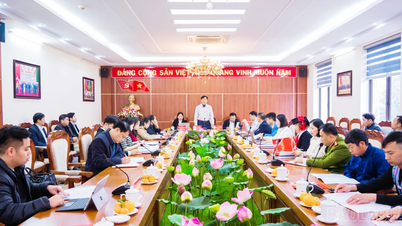
Mr. Nguyen Van Trung, Deputy Director of the Provincial Center for Science and Technology Application, stated: “Introducing technologies and equipment in agricultural and food processing aims to improve the quality of agricultural and seafood products after harvest, serving the production and business of the province's key and advantageous products. This contributes to diversifying products to meet domestic and export needs, increasing community income, and moving towards the sustainable development of agricultural products.”
Source: https://baolamdong.vn/chuyen-giao-cong-nghe-che-bien-bao-quan-nong-san-398207.html




























































Comment (0)