

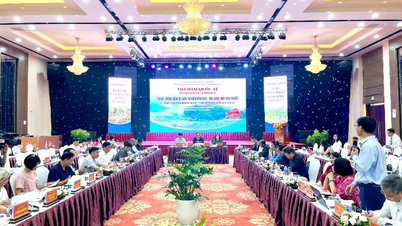
At the Ministry of Information and Communications ' regular September press conference, various functional units shared information regarding the response to and recovery efforts following Typhoon No. 3 that affected the telecommunications system.
According to Mr. Nguyen Phong Nha, Deputy Director of the Telecommunications Department, even before the storm, the Ministry of Information and Communications had sent a dispatch to the Departments of Information and Communications in 24 provinces and cities, as well as other units in the industry, regarding proactively responding to Typhoon No. 3.
Telecommunications companies have implemented systematic procedures, including reinforcing antenna towers, reducing the load on the towers, maintaining 24/7 readiness, providing backup power, and increasing fuel reserves. In total, 284 generators have been added to ensure backup power supply for BTS stations.
The Ministry of Information and Communications also directed telecommunications companies to send warning messages to 32 million subscribers. In total, more than 65 million warning messages were sent to people in provinces and cities affected by the storm.
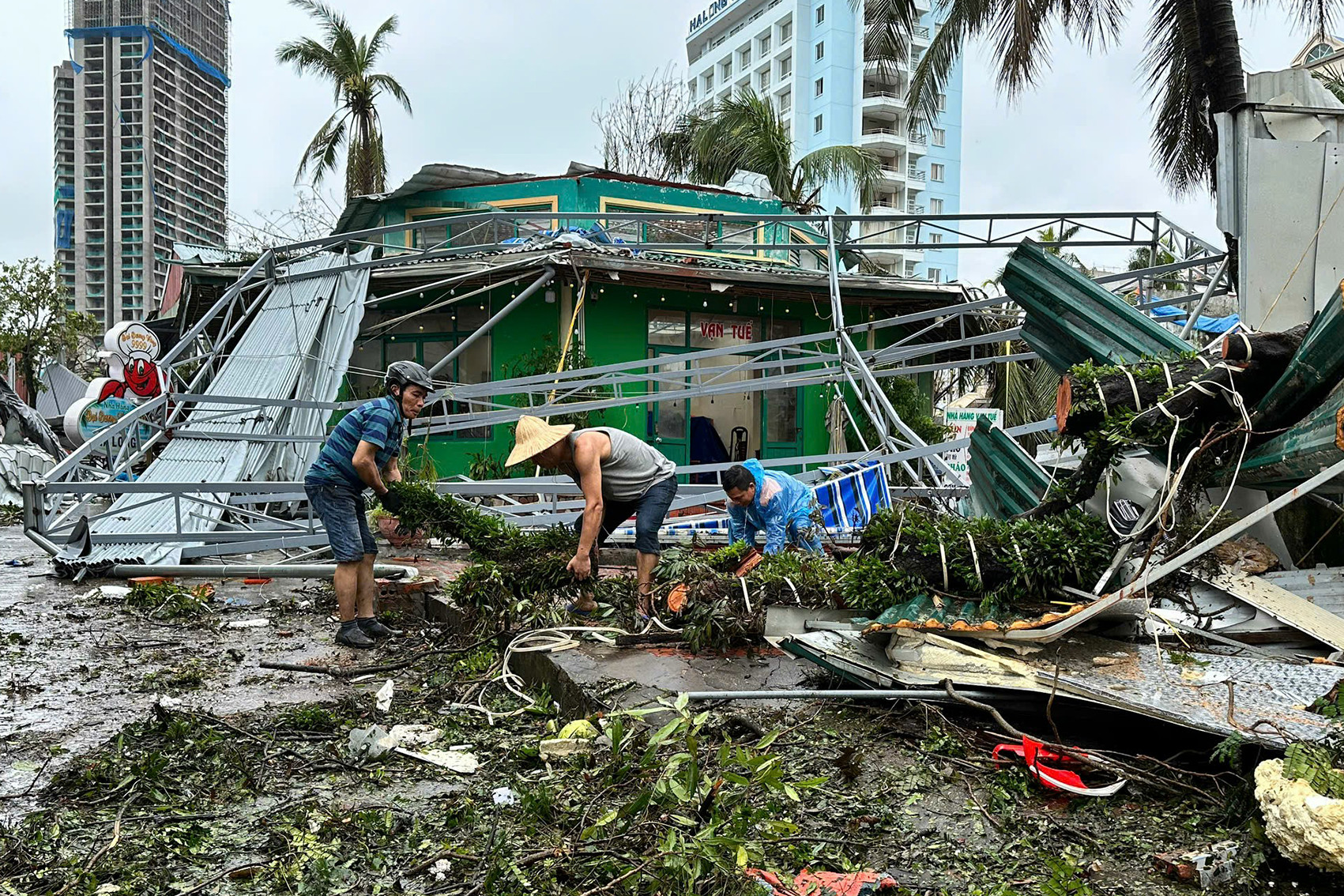
In fact, at the time when base stations were most affected, some network operators lost over 50% of their network. However, during the recovery process, telecommunications companies aggressively implemented the directives of the Prime Minister and the leaders of the Ministry of Information and Communications, mobilizing all resources from unaffected provinces to form teams to address the problem, prioritizing the restoration of mobile communication services.
Simultaneously, telecommunications companies have deployed mobile broadcasting vehicles and used satellite transmissions for certain priority areas. The Ministry of Information and Communications also directed network operators to prepare specialized broadcasting vehicles, ready to serve provinces when needed for rescue and relief operations.
Typhoon No. 3 caused communication disruptions in 15 provinces and cities, affecting 6,285 mobile base stations due to power outages. Currently, businesses have restored 4,012 BTS locations, while the remaining 2,273 stations are still being repaired.
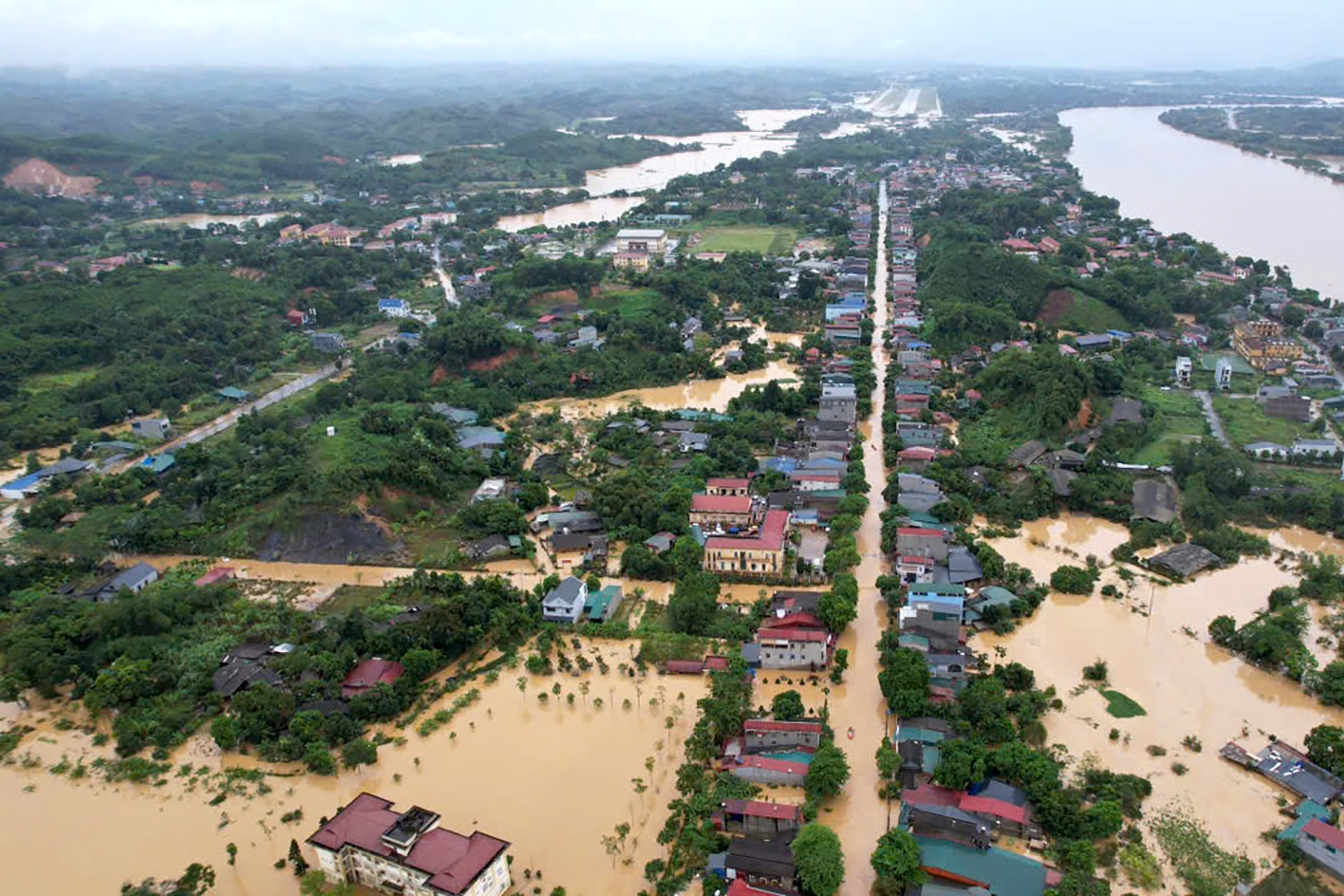
As of 3 PM on September 11th, the floods following the storm have also affected telecommunications infrastructure in the northern mountainous provinces, causing 995 base stations to lose communication.

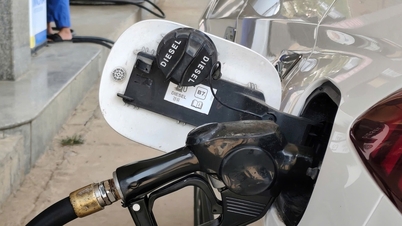
Over the past period, the Departments of Information and Communications have coordinated with the Departments of Industry and Trade in localities to regulate the supply of gasoline and diesel fuel, ensuring that key BTS stations are prioritized for fuel supply. The Telecommunications Department has also coordinated with network operators to share mobile signals (roaming) to maintain communication for people in the storm-affected areas.
“ To date, the telecommunications network in the provinces has been basically fully restored, with only 8% of stations still out of service. Telecommunications companies are striving to complete the restoration today or tomorrow. The rapid restoration of the telecommunications network will contribute to effective management and the restoration of people's normal lives, ” said Mr. Nguyen Phong Nha.
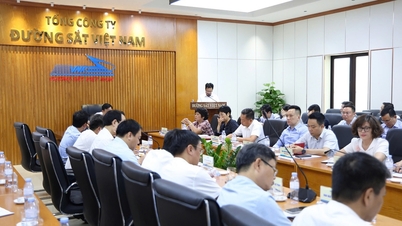
After addressing the aftermath of Typhoon No. 3, the Ministry of Information and Communications will compile detailed statistics on the damage to the telecommunications network and organize a review of lessons learned in disaster response and recovery efforts.
The fact that many base stations were cut off, lost power, and had their fuel supplies disrupted by the storm and floods is a lesson to be learned after typhoon number 3. This requires telecommunications companies to build base stations capable of withstanding level 4 natural disaster risks.
These are base stations capable of withstanding winds up to level 15, operating stably without fuel for 7 days, and equipped with fiber optic and microwave transmission lines. They will also serve as places where people can recharge their phones to reconnect to communication.
The fallen trees caused by the storm have affected telecommunications infrastructure (cable lines). Therefore, another lesson learned is that inter-provincial lines need to be undergrounded to ensure better communication.

According to Mr. Tran Manh Tuan, Deputy Director of the Radio Frequency Department (Ministry of Information and Communications), frequency control, serving disaster prevention and search and rescue efforts during Typhoon No. 3, was carried out effectively, preventing interference. This significantly contributed to the guidance and management of all levels of government, facilitating information dissemination about the situation during Typhoon No. 3 and ensuring communication for the people.
Source: https://vietnamnet.vn/co-nha-mang-mat-tren-50-mang-luoi-trong-bao-so-3-2321840.html


![[Image] Shipbuilders exposed to steel and record-breaking heat.](https://vphoto.vietnam.vn/thumb/1200x675/vietnam/resource/IMAGE/2026/06/04/1780545781745_ndo_br_img-5402-4683-jpg.webp)




















































![[Video] Sunset at Lap An Lagoon – Where the sun sets over the fishing nets](https://vphoto.vietnam.vn/thumb/1200x675/vietnam/resource/IMAGE/2026/05/31/1780192137701_beach-landscape-sea-water-nature-grass-745871-pxhere-com.jpeg)




































Comment (0)