

We suggest retaining the major, reputable newspaper brands.
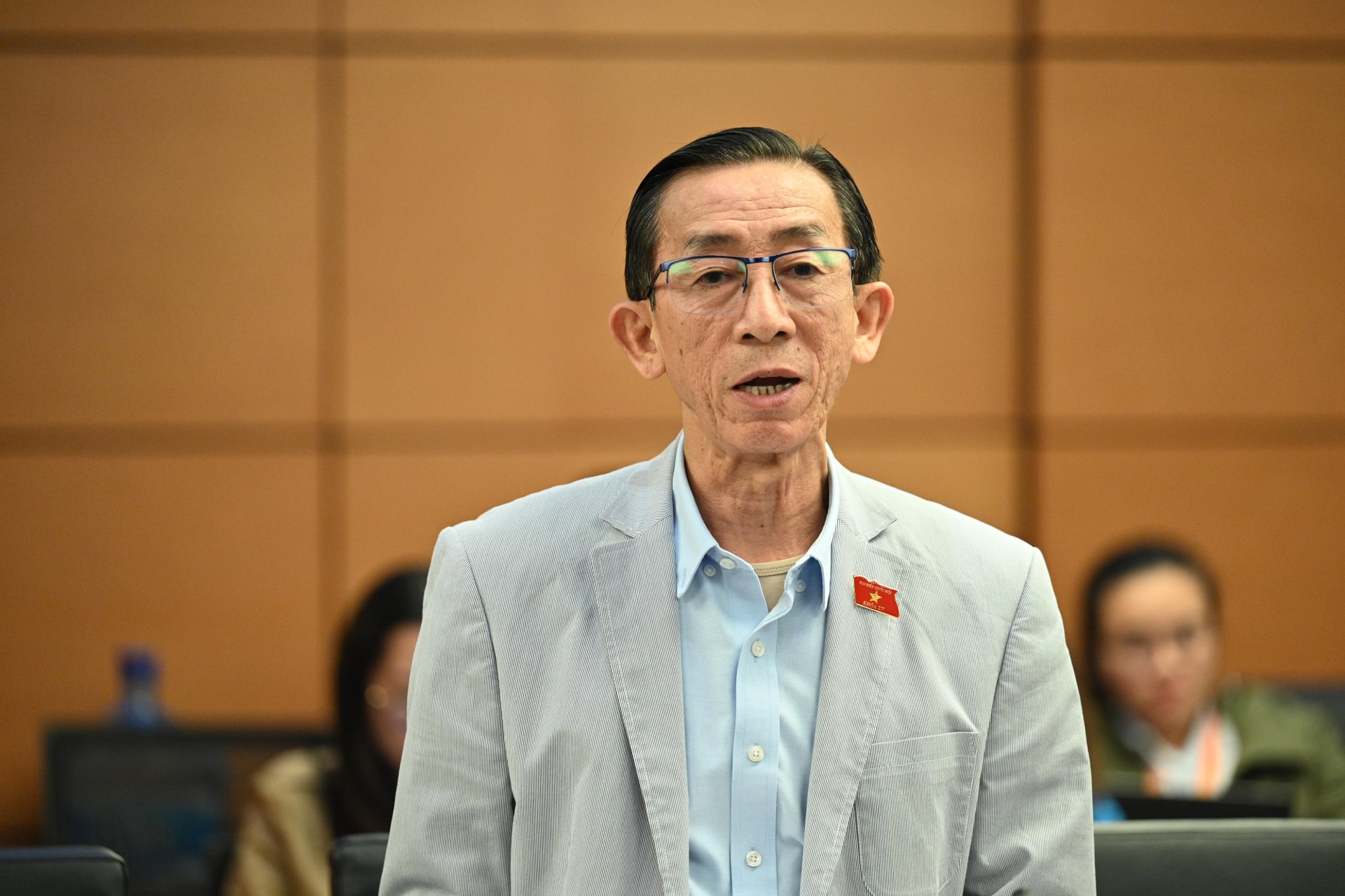
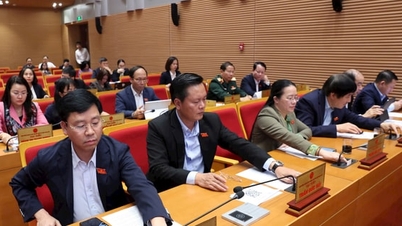
During the group discussion on the afternoon of October 23rd, delegate Tran Hoang Ngan (from Ho Chi Minh City) assessed that in recent times, the revolutionary press of Vietnam has performed its political tasks very well and effectively. The revolutionary press is closely linked to the national liberation struggle, the building and protection of the Fatherland; it is a very important means of information – most importantly, it guides and directs information, and serves as a forum for the people.
"When soliciting public opinion on draft political reports and documents, the press plays a role in disseminating information; many of the people's contributions are crucial for us to formulate policies, guidelines, and development strategies. In this context, we recognize the press as an important ideological weapon of the Party and the State, and the more numerous, modern, and professional these weapons are, the better," delegate Tran Hoang Ngan expressed.
Agreeing with the comprehensive amendment of the Press Law, the delegate from Ho Chi Minh City supported the National Assembly's early approval and early implementation of the law, along with specific guiding decrees and circulars so that once the National Assembly approves it, the law can be put into practice, because the law contains many provisions that delegate the authority to the Government to regulate in detail.
Representative Tran Hoang Ngan proposed clearer regulations regarding press agencies. Specifically, Clause 6, Article 16 stipulates: "A leading multi-media communication agency is a press agency with many types of media and affiliated press agencies; with a special financial mechanism; established in accordance with the Strategy for the Development and Management of the Press System approved by the Prime Minister."
Representative Tran Hoang Ngan proposed adding regulations on the conditions for establishing leading multimedia news agencies, as this type of journalism is quite common worldwide. “Specifically, in Hanoi, Ho Chi Minh City, and some other provinces, if the conditions are met, a leading multimedia news agency can be established. At the same time, I suggest preserving large, reputable news brands with readers,” Representative Tran Hoang Ngan proposed.
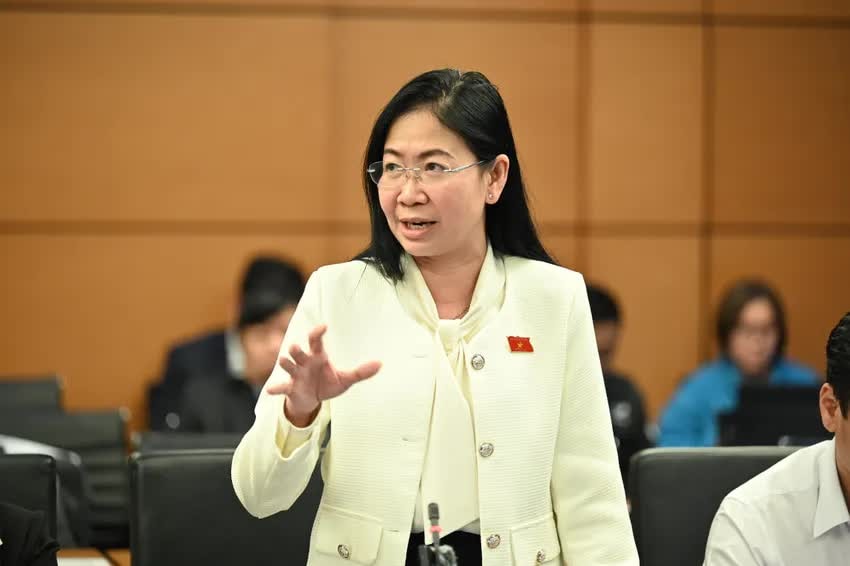
Based on over 50 years of journalistic development since the country's reunification, National Assembly representative Phan Thi Thanh Phuong (Ho Chi Minh City delegation) suggested that there should be separate regulations on the model of a "multimedia flagship press agency" or a "specialized press agency".
National Assembly representative Phan Thi Thanh Phuong cited several newspapers in Hanoi and Ho Chi Minh City that, despite being under local management, have risen to national brand status, enjoying prestige and widespread influence. Not only do they perform their informational duties well, but many agencies also effectively organize social and charitable activities, leaving a profound impact on the community.
Representative Phan Thi Thanh Phuong emphasized that if mergers are carried out mechanically without considering the brand, history, and financial autonomy of these newspapers, it will inadvertently lead to the loss of valuable assets and negatively impact the effectiveness of social information dissemination. Therefore, the representative proposed clearly defining the criteria for identifying specialized media organizations, including: having a minimum operating history of 20-30 years; adhering to the principles, objectives, laws, and political orientation of the Party; possessing financial autonomy; and having prestige and social influence domestically or internationally.
The governing body, such as the Hanoi or Ho Chi Minh City Party Committee or People's Committee, will be responsible for political direction, but will allow media outlets to operate independently in terms of professional and financial matters, under the supervision of the central press management agency.
According to delegate Phan Thi Thanh Phuong, along with the strong digital transformation process, there is an urgent need for a legal framework for the "media conglomerate" or "multimedia media and press complex" model. This model allows for strategic linkages between media agencies to share infrastructure, data, and content creation resources, in line with modern development trends.
"Hanoi and Ho Chi Minh City have the capacity and personnel to become the media and press centers of the North and South regions," said delegate Phan Thi Thanh Phuong. Therefore, the delegate proposed that the National Assembly study a special mechanism for these two major cities, allowing for a pilot program of a multi-media, leading media and press complex model.
Contributing to the improvement of regulations on the model of press agencies, delegate Hoang Duc Thang (Quang Tri delegation) suggested that the drafting committee consider adding a separate regulation on the model of a leading multi-media communication agency, similar to existing types of press, and at the same time entrust the Government with the task of specifying the organization and operation of this model.
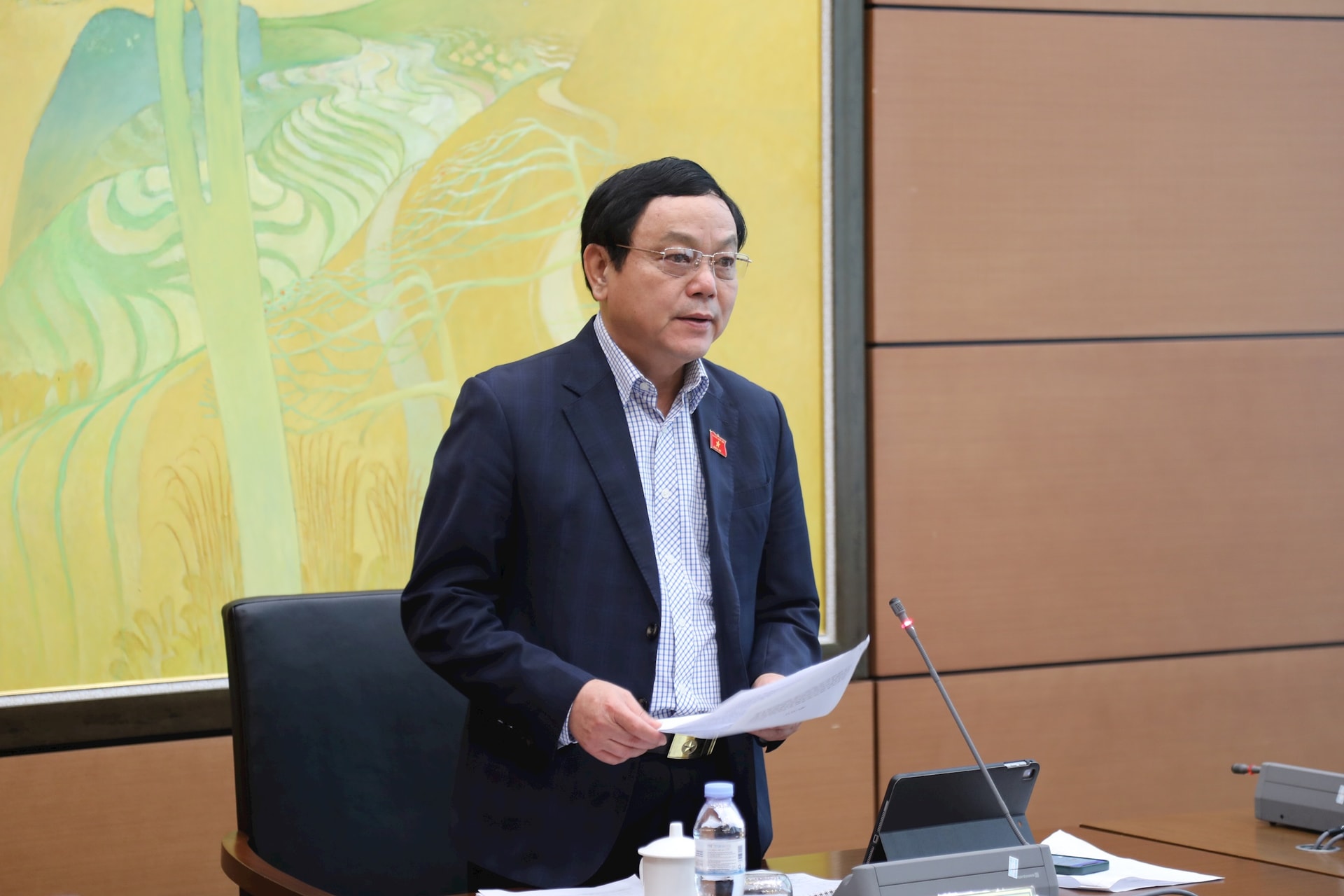
According to the delegates, this is a new model, being applied for the first time in Vietnam, requiring a clear legal framework to define its position, functions, tasks, powers, operating mechanisms, resources, and management responsibilities. Specifying these in the Law will create a complete legal basis while ensuring flexibility by allowing the Government to provide detailed guidance, in line with the rapid development of multi-platform media.
Furthermore, regulations should be added regarding a reasonable proportion of content dedicated to combating corruption, beyond the core principle of ensuring informational guidance, maintaining propaganda objectives, and avoiding commercialization, sensationalism, or excessive exploitation of negative issues. This regulation would both affirm the social oversight role of the press and strengthen social responsibility and state management of journalistic activities in the current period.
Creating opportunities for media organizations to generate additional revenue.
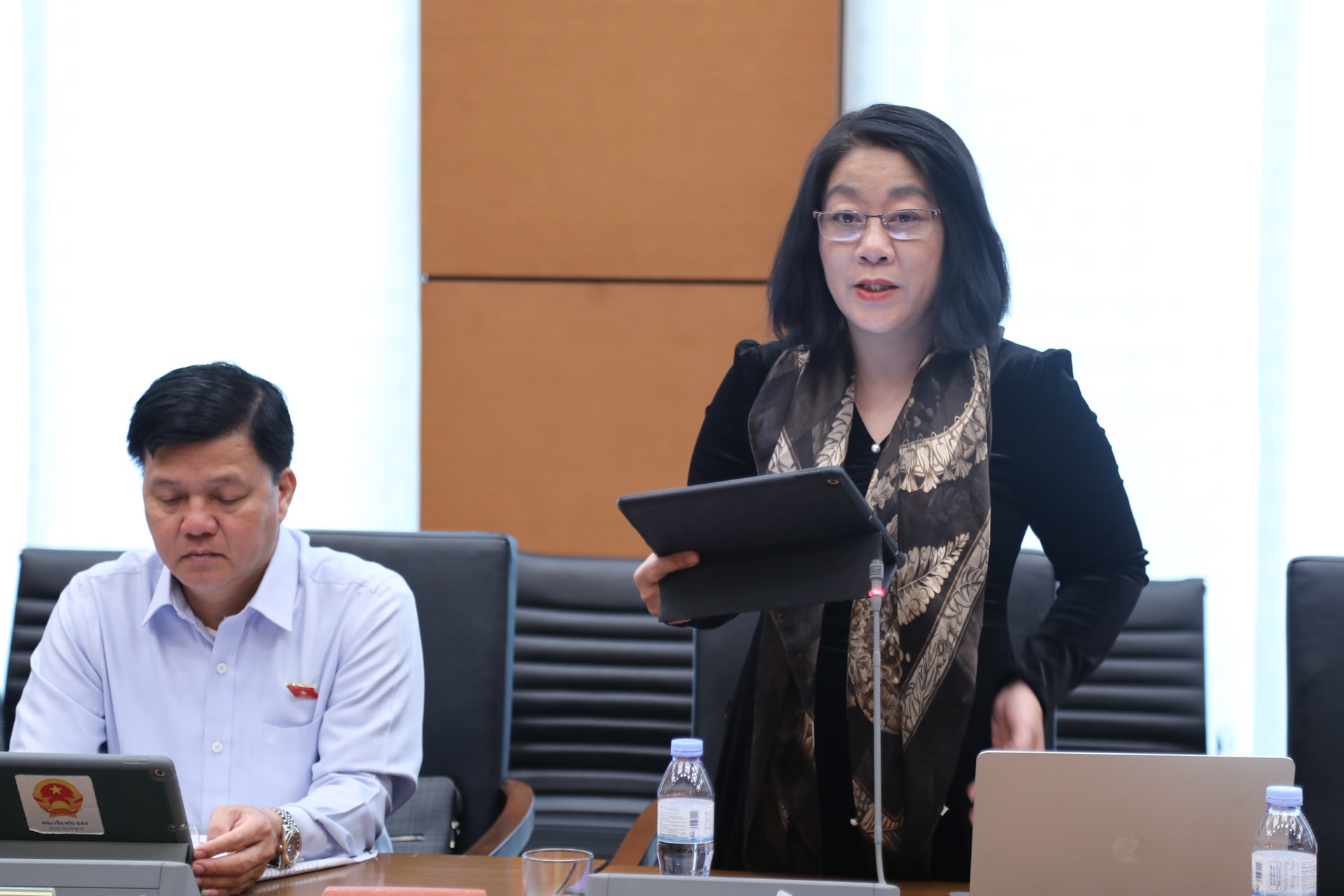
Regarding regulations on the economics of journalism, delegate Nguyen Thi Tuyet Nga (Quang Tri delegation) stated that the draft Law has supplemented and perfected several regulations to create conditions for media agencies to have more revenue sources and overcome difficulties in operation, such as: State support for investment and finance; expanding revenue sources for media agencies; regulations on linkages and cooperation… and regulations on advertising.
However, the regulations are still general; there is a lack of specific regulations related to public investment and autonomy mechanisms (Clause 3, Article 10). Specifically, there is a need for detailed guidance to prevent the exploitation or commercialization of journalism, such as regulations on revenue from business activities, services, and partnerships of media agencies and their affiliated units, as well as revenue from providing public services assigned, commissioned, or tendered by competent authorities.
At the same time, it is necessary to study and supplement regulations related to linking with cross-border platforms that have the potential to generate significant revenue; and to add regulations on the scope of such linkages to ensure copyright and the independence of the press. Based on this, the Government should be tasked with providing detailed regulations on this matter to ensure feasibility during implementation.
.jpg)
Discussing the mechanism of autonomy and the concept of journalistic economics, delegates Nguyen Ngoc Son and Nguyen Thi Viet Nga (from Hai Phong delegation) argued that a clear definition of "journalistic economics" and the mechanism of state support are needed. Delegate Nguyen Ngoc Son pointed out that the draft law does not mention the concept of "journalistic economics," even though Prime Minister's Decision 362 approving the National Plan for the Development and Management of Journalism until 2025 addresses this issue. According to the delegate, the law only acknowledges "economic activities of journalism," and the lack of a clear legal definition will make the mechanism of autonomy ineffective.
Representative Nguyen Thi Viet Nga also argued that the concept of "journalism economics" is still too general, and suggested researching a mechanism for a "Journalism Development Fund" (referencing the French model) to support media agencies in fulfilling their political tasks, serving remote areas, and supporting digital transformation.
Adding to this discussion, delegate Nguyen Ngoc Son suggested that the drafting committee study a mechanism for providing support from the state budget, especially from "public investment" funds, to enable media agencies to upgrade their facilities and infrastructure. However, careful review is needed to avoid conflicts with the Law on Public Investment and the Law on Budget.
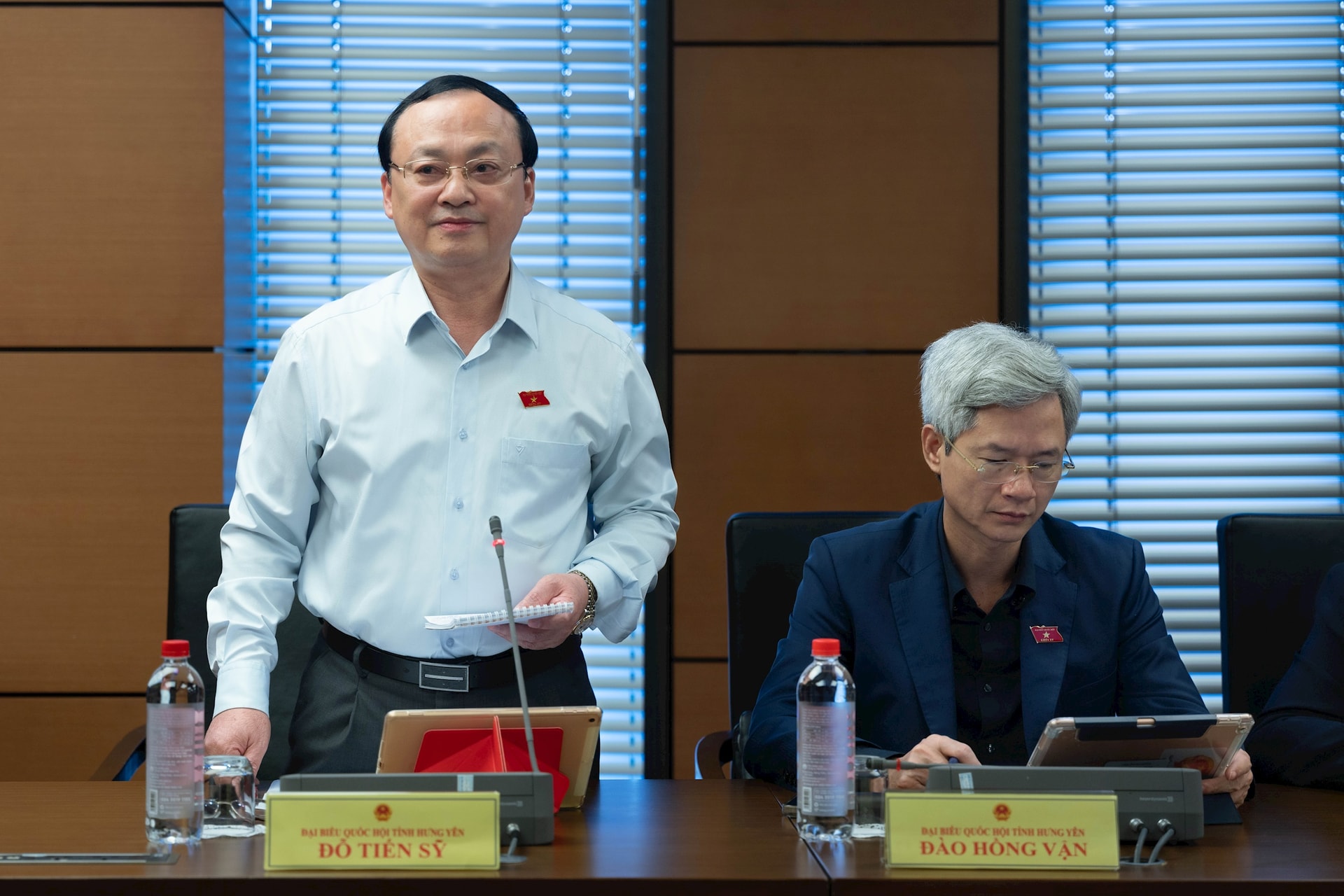
In light of the digital transformation trend, delegate Do Tien Sy (Hung Yen delegation) suggested clarifying new concepts or boldly adding a fifth type of journalism, "multimedia, multi-platform journalism," to accurately reflect the current reality of online newspapers integrating both audio (podcast) and video (livestream).
Presenting the report on the review of the draft Law on Journalism (amended), the Chairman of the National Assembly's Committee on Culture and Society, Nguyen Dac Vinh, stated that the Committee agreed with the addition of regulations on "major multi-media communication agencies".
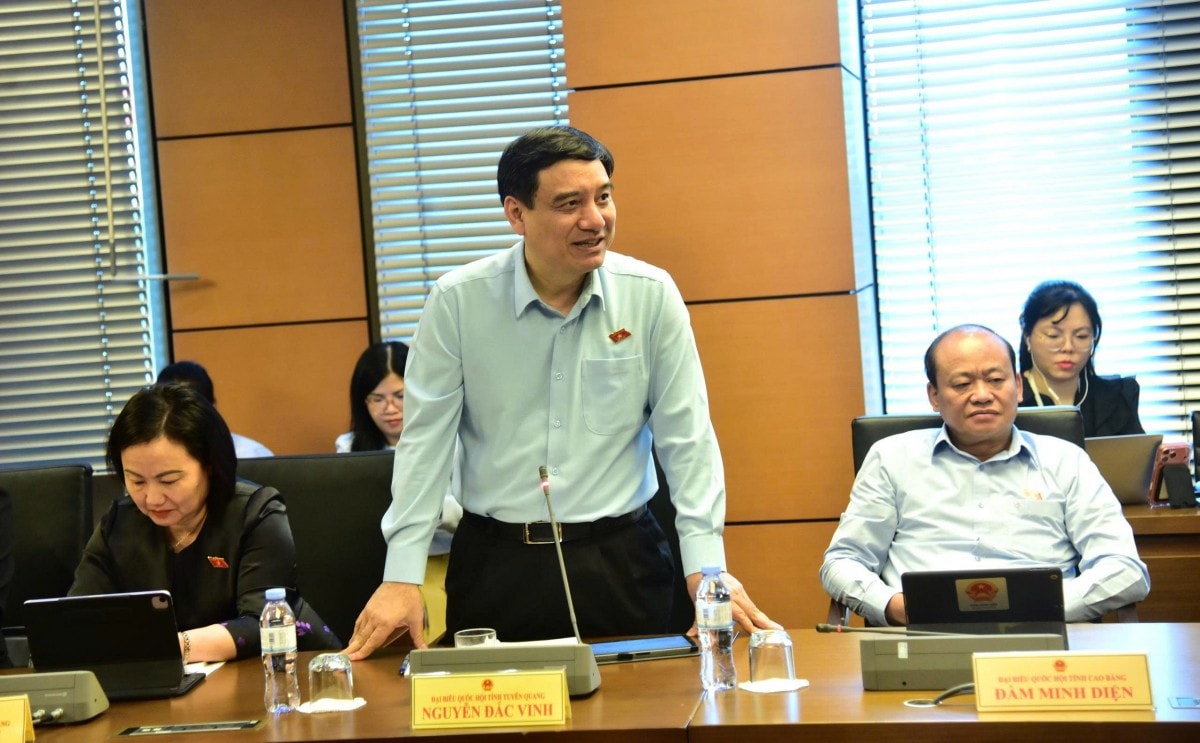
However, some argue that, in addition to the six media outlets identified in the Prime Minister's Decision 362 of 2019 on approving the national plan for the development and management of the press until 2025, consideration should be given to adding key multi-media news agencies in some localities or units that have built a reputation and have a certain position in journalistic activities.
Nguyen Dac Vinh, Chairman of the National Assembly's Committee on Culture and Social Affairs, stated that, regarding the content related to "journalistic economics," the reviewing body supports regulations aimed at creating conditions for media agencies to have additional revenue sources and increase financial resources to ensure and improve the quality of their operations, as outlined in the draft Law.
However, it is suggested that further research be conducted to clarify the concept of "journalistic economics" and related regulations concerning public investment, autonomy mechanisms, and regulations on revenue sources from the business activities of media organizations.
Delegate Bui Hoai Son (Hanoi Delegation) argued that one of the major trends today is decentralization, delegation of power, and streamlining of the administrative apparatus. The draft Law stipulates that provincial People's Committees are responsible for state management of local press, but it is necessary to clarify the authority and responsibilities of provincial People's Committees in coordinating the management of representative offices and resident reporters of central press agencies.
Along with that, it is necessary to study expanding the authority of local governments in licensing certain publications, supplements, and special features; and at the same time strengthen the responsibility for inspecting and supervising journalistic activities at the local level. "This will help the press connect with people's lives, reflect reality accurately, and at the same time reduce the burden on central management agencies," the delegate suggested... In addition, delegate Bui Hoai Son argued that the draft law not only creates a legal framework for journalistic activities, but also paves the way for the development of journalism as a modern cultural industry...
Source: https://hanoimoi.vn/dai-bieu-quoc-hoi-thao-luan-ve-luat-bao-chi-sua-doi-bo-sung-khung-phap-ly-cho-mo-hinh-to-hop-bao-chi-truyen-thong-chu-luc-da-phuong-tien-tai-ha-noi-va-tp-ho-chi-minh-721092.html






































































Comment (0)