

Maximizing potential
Over the years, the aquaculture sector in Hanoi has experienced stable development, making a significant contribution to the overall growth of the Capital's Agriculture and Environment sector.
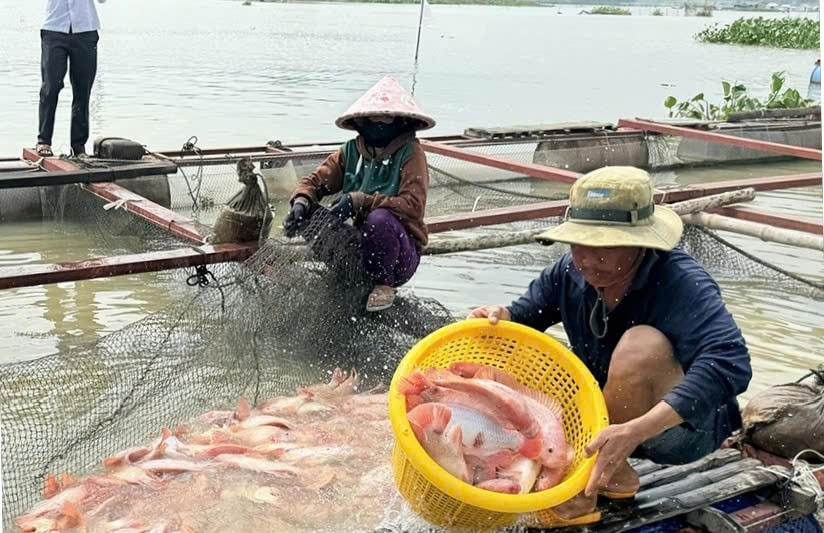
Hanoi possesses over 30,000 hectares of natural water surface, along with many major rivers such as the Red River, Duong River, and Da River… This provides favorable conditions for the development of aquaculture. However, given the current situation of declining numbers and production of natural aquatic resources, protecting and regenerating these resources has become a crucial task for the Capital's Department of Agriculture and Environment.
One of the highlights is the fish stocking program to replenish aquatic resources, organized by the Department of Agriculture and Environment in coordination with the Sub-Department of Livestock, Fisheries and Veterinary Medicine. This activity not only contributes to the restoration of the aquatic ecosystem but also aims to raise community awareness in the sustainable exploitation of natural resources and reduce overfishing.
Alongside protecting aquatic resources, Hanoi has implemented numerous solutions to promote the development of the aquaculture sector. These measures include introducing new breeds, applying modern technology to farming, effectively managing the farming environment, and using biological products to prevent and control diseases.
Many aquaculture households have boldly invested in and applied high technology, notably in southern Hanoi communes such as Ung Thien and Ung Hoa. These are localities with large aquaculture areas, totaling over 3,000 hectares. Digital technology application models here have yielded high economic efficiency.
A typical example is Mr. Nguyen Duc Thin's household in Ung Hoa commune, with an intensive farming model on an area of over 4 hectares. The use of a pond surveillance camera system and remote control applications helps him manage production effectively, reduce material waste, and optimize the conditions for aquaculture development.
Improve quality, expand market.
According to statistics from the Hanoi Department of Agriculture and Environment, the city currently has over 16,470 aquaculture households with a total area of 24,700 hectares. Of these, 69 establishments have adopted VietGAP-standard aquaculture models on an area of 510 hectares; and 12,920 establishments have signed commitments to ensure food safety. Notably, hundreds of households have invested in high-tech aquaculture, avoiding the use of antibiotics, achieving annual revenues ranging from hundreds of millions to billions of VND.
The application of VietGAP standards not only improves product quality but also facilitates access for Hanoi's seafood to domestic and international markets. This contributes to building the brand of Hanoi's seafood, affirming its position in the Vietnamese agricultural value chain.
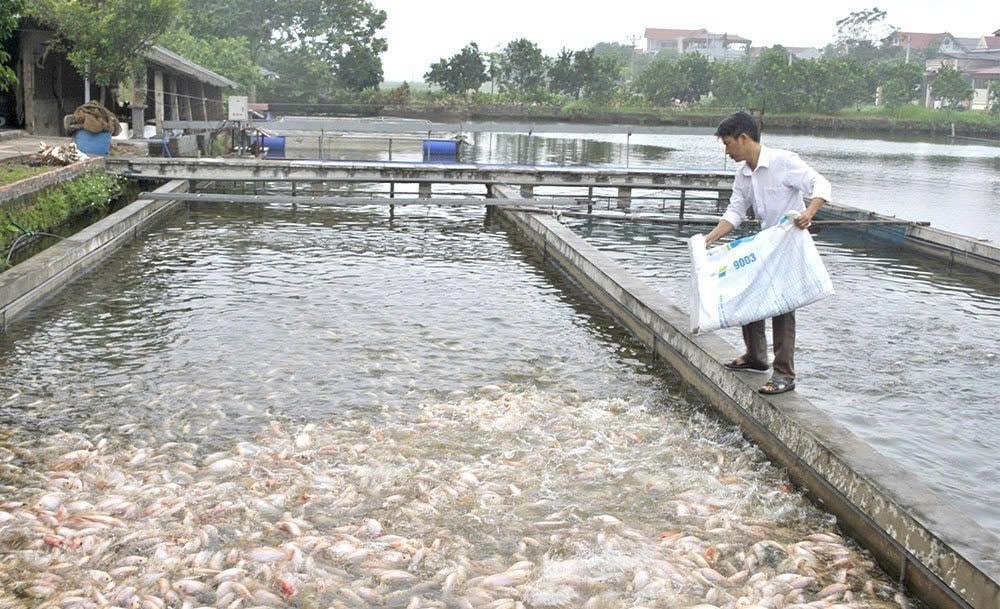
According to Ta Van Tuong, Deputy Director of the Hanoi Department of Agriculture and Environment, in order for the aquaculture industry to develop sustainably, the city will continue to invest in the comprehensive development of infrastructure for concentrated aquaculture areas. At the same time, it will build supply chains for aquatic products to ensure stable markets for farmers.
In addition, Hanoi is also actively encouraging farmers to apply scientific and technological advancements to production to improve productivity and product quality. This not only helps increase economic efficiency but also contributes to environmental protection, aiming for sustainable development.
(This article was written in collaboration with the Hanoi Department of Agriculture and Environment)
Source: https://daibieunhandan.vn/doi-moi-cong-nghe-nang-tam-phat-trien-nganh-nuoi-trong-thuy-san-10393198.html


![[Photo] Prime Minister Pham Minh Chinh holds a phone call with the CEO of Russia's Rosatom Corporation.](/_next/image?url=https%3A%2F%2Fvphoto.vietnam.vn%2Fthumb%2F1200x675%2Fvietnam%2Fresource%2FIMAGE%2F2025%2F12%2F11%2F1765464552365_dsc-5295-jpg.webp&w=3840&q=75)

































































Comment (0)