

Causes bloating, indigestion, and mild diarrhea.
Consuming too many chia seeds can often lead to symptoms such as bloating, abdominal distension, and indigestion. This is because the chia seeds haven't absorbed enough water, causing them to swell and feel uncomfortable in the body. If you experience these symptoms, drinking plenty of water will quickly alleviate them.
People with intestinal conditions such as ulcerative colitis or regional enteritis should consider carefully before consuming chia seeds.
Chia seeds are rich in fiber, which helps prevent constipation; however, consuming too many chia seeds can lead to diarrhea. If you experience diarrhea, stop using chia seeds immediately.
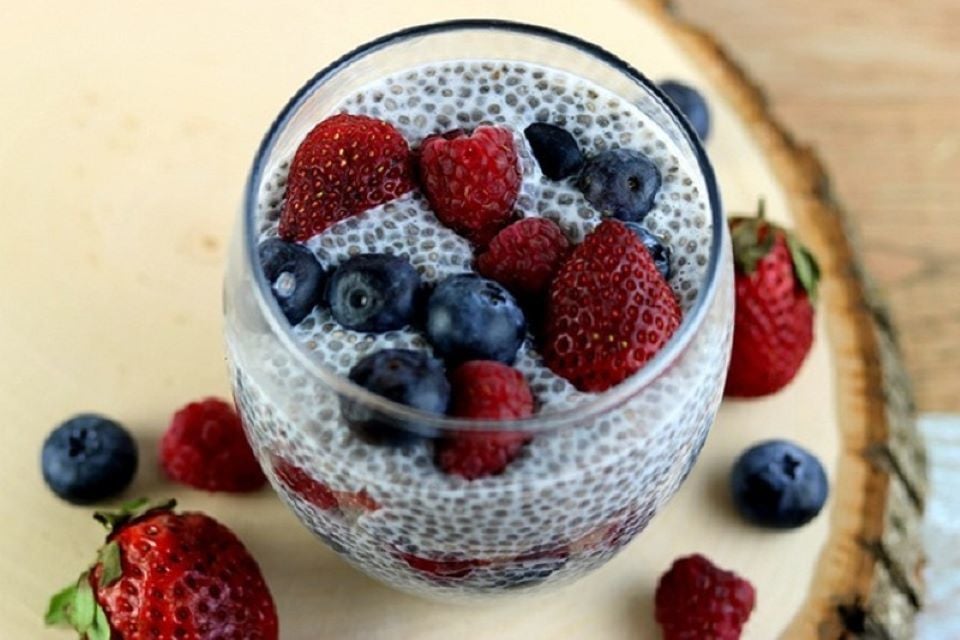
Hypoglycemia
One of the benefits of chia seeds is lowering blood sugar in people with diabetes. However, if a normal person consumes too many chia seeds, it can lead to hypoglycemia, causing fatigue, dizziness, and other symptoms.
Additionally, consuming too many chia seeds may increase interactions with medications used to treat diabetes and high blood pressure.
Nutritional imbalance
Although chia seeds are very nutritious, focusing too much on them can create nutritional gaps. Over-reliance on chia seeds for nutrient supplementation can lead to deficiencies in essential vitamins and minerals.
Therefore, it is important to eat a varied diet to ensure you get a wide range of nutrients.
Blood thinning
Chia seeds are often rich in omega-3 fatty acids, which have blood-thinning properties. Consuming large quantities can lead to blood thinning, potentially interfering with any medications being taken. Eating large amounts of chia seeds may also increase the risk of excessive bleeding or clotting.
Causes stomach irritation and allergies.
Chia seeds absorb water and swell up, filling the stomach and creating a feeling of fullness, which is why they are often used by people trying to lose weight. However, consuming too much can cause bloating, stomach cramps, or nausea.
Some people may be allergic to the nutrients in chia seeds, causing symptoms such as vomiting, diarrhea, and a burning sensation in the tongue. Additionally, the protein content in chia seeds can cause allergies, especially for those with a history of rapeseed or sesame allergies; it's advisable to test a small amount of chia seeds first to see if you have an allergic reaction.
Gastrointestinal obstruction
The fiber in chia seeds also poses a risk of causing digestive tract blockages if consumed in large quantities. When mixed with liquid, chia seeds swell and form a gel-like substance, which can lead to blockages in the digestive system.
To avoid this, always soak chia seeds before eating and control your portion sizes.
Weight gain
Although chia seeds are often touted as a superfood for weight management, eating too much can lead to weight gain. The high calorie and fat content of chia seeds increases daily calorie intake, resulting in unwanted weight gain if consumed excessively.
Therefore, pay attention to portion sizes that suit you to reap the benefits without gaining weight.
How to use chia seeds correctly?
The best way to incorporate chia seeds into your daily diet is to consume them in controlled portions, which is about 1-2 tablespoons per day.
Simply soak chia seeds in water or a low-calorie liquid like almond milk until they swell and form a gel-like consistency, then drink the mixture.
This drink helps you feel fuller for longer, aiding in overall weight management. To maximize weight loss, you must ensure you monitor your overall calorie intake and avoid overeating chia seeds as they are very high in calories.
Source: https://kinhtedothi.vn/de-ruoc-hoa-vao-than-khi-an-nhieu-hat-chia-de-giam-can.html


![[Photo] General Secretary and President To Lam presides over a meeting on preparations for the review of one year of operation of the three-tiered government system.](https://vphoto.vietnam.vn/thumb/1200x675/vietnam/resource/IMAGE/2026/06/02/1780391821195_a1-bnd-4595-9717-jpg.webp)





























































































Comment (0)