

Almost a decade ago, mentioning Thuan Nam, Ninh Hai, Bac Ai, Thuan Bac (formerly Ninh Thuan , now Khanh Hoa) or Tuy Phong, Bac Binh (formerly Binh Thuan, now Lam Dong) meant mentioning areas that were arid year-round, where grasslands withered yellow under the scorching sun, and the ground was littered with rocks and pebbles.
"Dogs eat rocks, chickens eat pebbles" is a saying used by locals to describe the harsh land they have clung to for generations. Agriculture is precarious, and the main livelihoods of the people depend on sheep and goat farming.
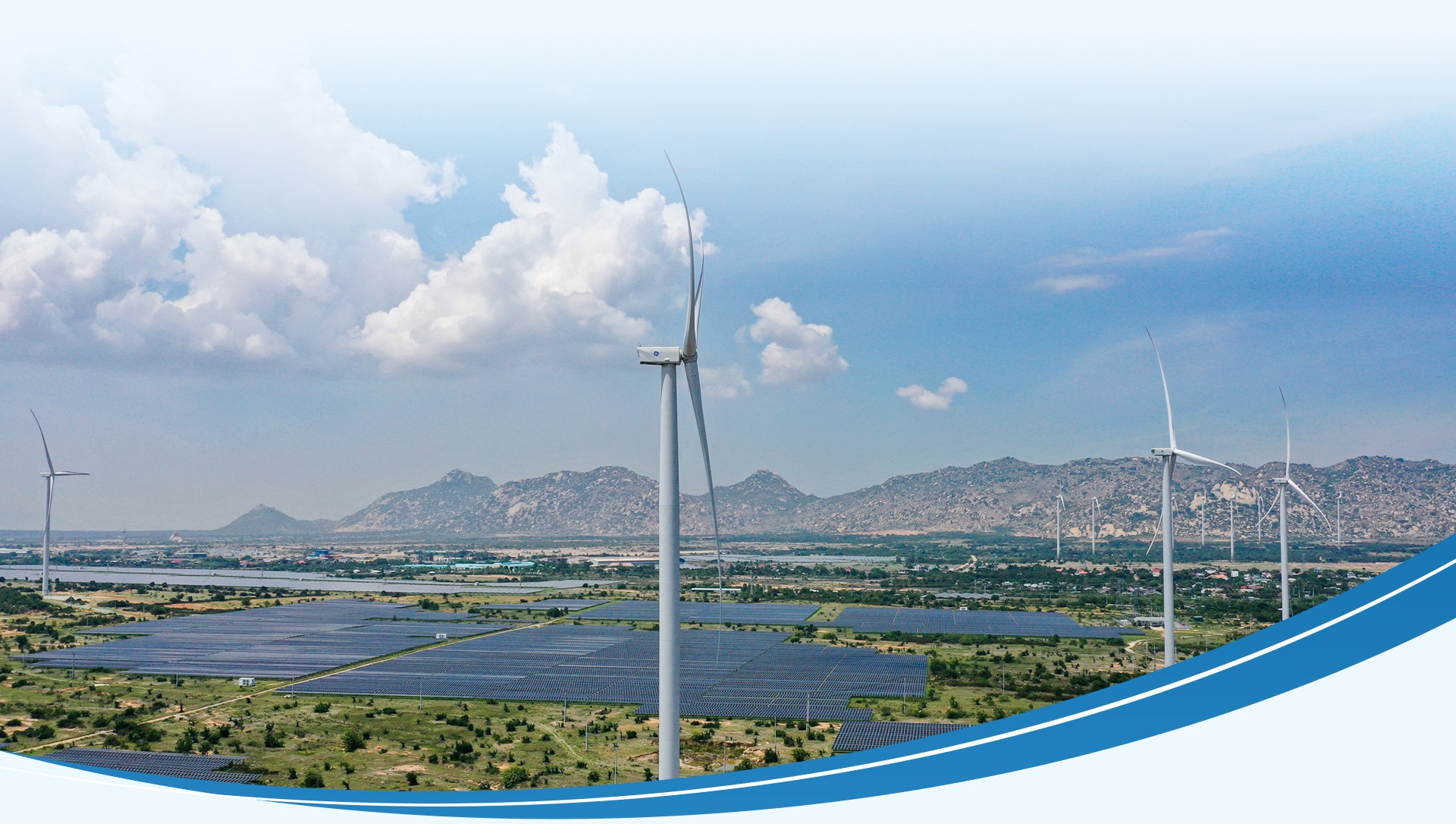
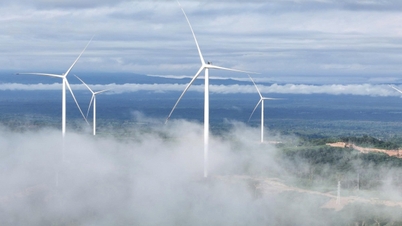
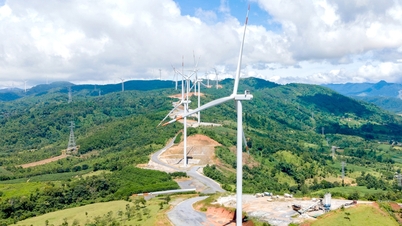
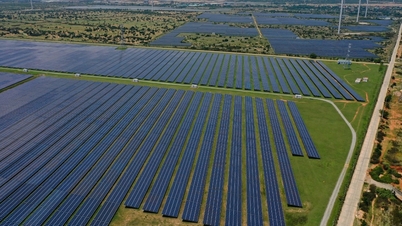
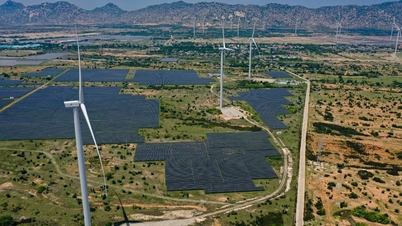
Then one day, convoys of heavy trucks lined up to arrive in the white sand region, erecting poles, installing batteries, and laying cables. In just a few months, the sun-scorched fields of Ninh Thuan and the former Binh Thuan provinces were successively covered with millions of solar panels and pristine white wind turbine towers.
Few could have imagined that these lands, once considered "unsuitable for cultivation," would become the destination for some of the country's largest energy investors. Sunshine and wind, once challenges, have now become advantages, enabling these two localities to contribute billions of kWh of clean electricity annually to the national power grid.

In 2011, the fixed electricity price mechanism - Feed-in Tariff (FIT) for renewable energy was first issued in Vietnam, applied to wind power projects at a price of 7.8 US cents/kWh (over 2,044 VND/kWh at the current exchange rate), according to Decision 37/2011. By 2018, Decision 39/2018 adjusted the FIT price for onshore wind power projects with a commercial operation date (COD) before November 1, 2021, to 8.5 cents/kWh (2,227 VND/kWh).
For ground-mounted solar power projects, the FIT price was initially applied under Decision 11/2017 at 9.35 cents/kWh (over 2,449 VND/kWh) and was only applicable to grid-connected projects from June 1, 2017 to June 30, 2019. In April 2020, the Government issued Decision 13/2020 with the FIT 2 tariff for solar power.
The purchase price for ground-mounted solar power is 7.09 cents/kWh (over 1,857 VND/kWh). This price will be valid for 20 years but only applies to projects that commenced power generation and had their meter readings confirmed by December 31, 2020.
A series of preferential FIT (Feed-in Tariff) policies with multiple development phases created a strong investment boost at that time. Many investors flocked to localities with advantages in solar radiation and wind speed, such as the southern part of Khanh Hoa province and the northeastern part of Lam Dong province (formerly Ninh Thuan and Binh Thuan provinces).
In particular, the former Ninh Thuan province will benefit from a preferential FIT rate of 9.35 cents/kWh until the end of 2020 for solar power projects and connection infrastructure with a designed capacity of 2,000MW that have been approved by the Prime Minister for implementation.
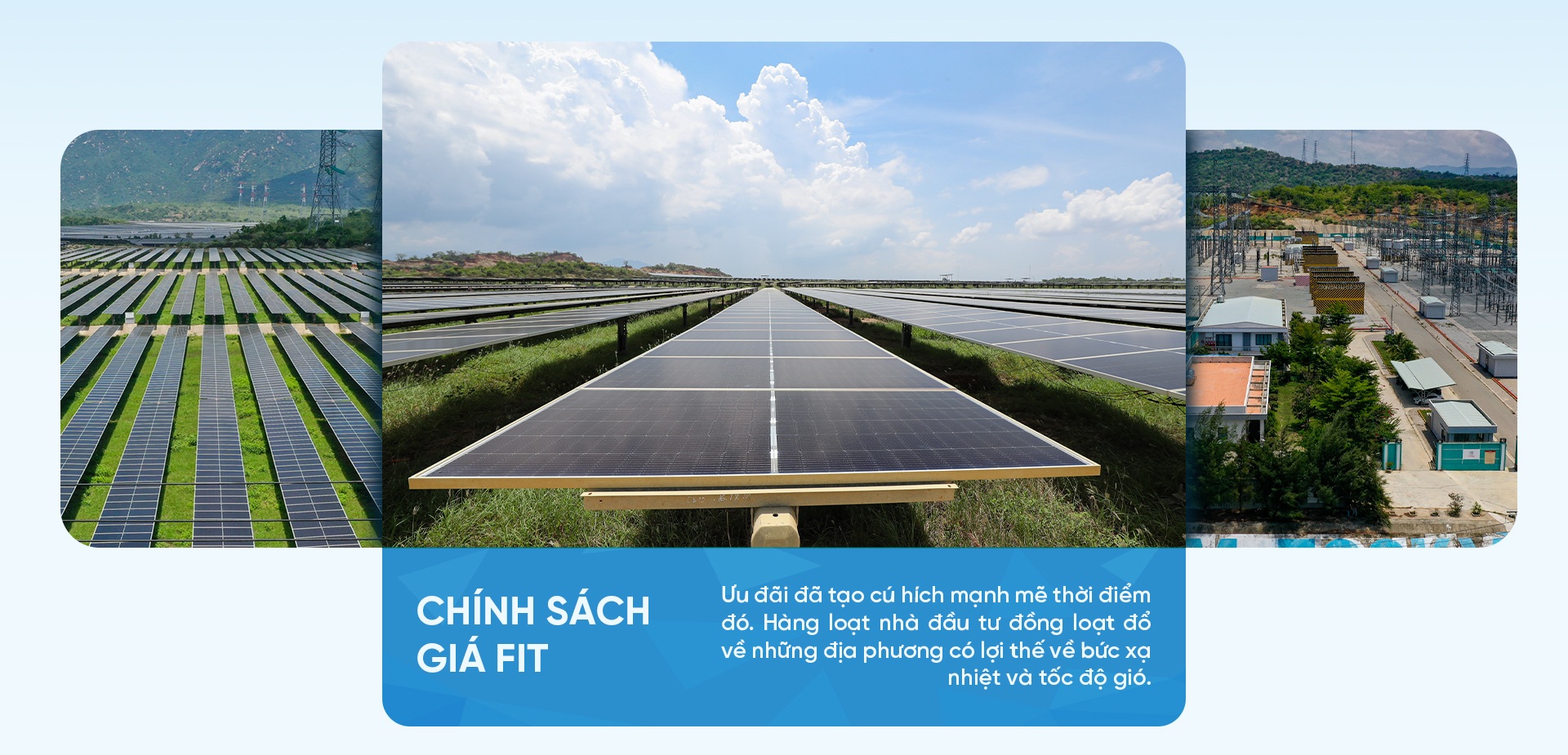
Many investors are racing against time to meet commercial operation deadlines. In southern communes of Khanh Hoa province such as Phuoc Dinh, Ca Na, Thuan Nam, etc., solar power capacity has boomed, quickly exceeding the permitted planning limits. In the northeastern region of Lam Dong province, many wind turbine farms cover the coastal areas of Bac Binh, Lien Huong, and Tuy Phong.
From 86 MW in 2018, solar power capacity surged to 4,464 MW by the end of June 2019 – when the FIT 1 incentive expired. At that time, the country had 89 wind and solar power plants, with a total installed capacity of 4,543.8 MW, accounting for 8.3% of the national power grid's total capacity.
This figure far exceeded the projections of the revised Power Development Plan 7 (only 850MW of solar power by 2020). In particular, the two provinces of Ninh Thuan and Binh Thuan (formerly) alone had 38 wind and solar power plants with a total installed capacity of 2,027MW as of July 2019. At the time, EVN leaders stated that the number of new solar power plants commissioned in just three months was a record in the history of the electricity industry.
By the end of 2020 – when the FIT 2 tariff for solar power expired – the total installed solar power capacity nationwide had reached 16,500 MW, accounting for approximately 25% of the total installed power capacity of the national power grid.
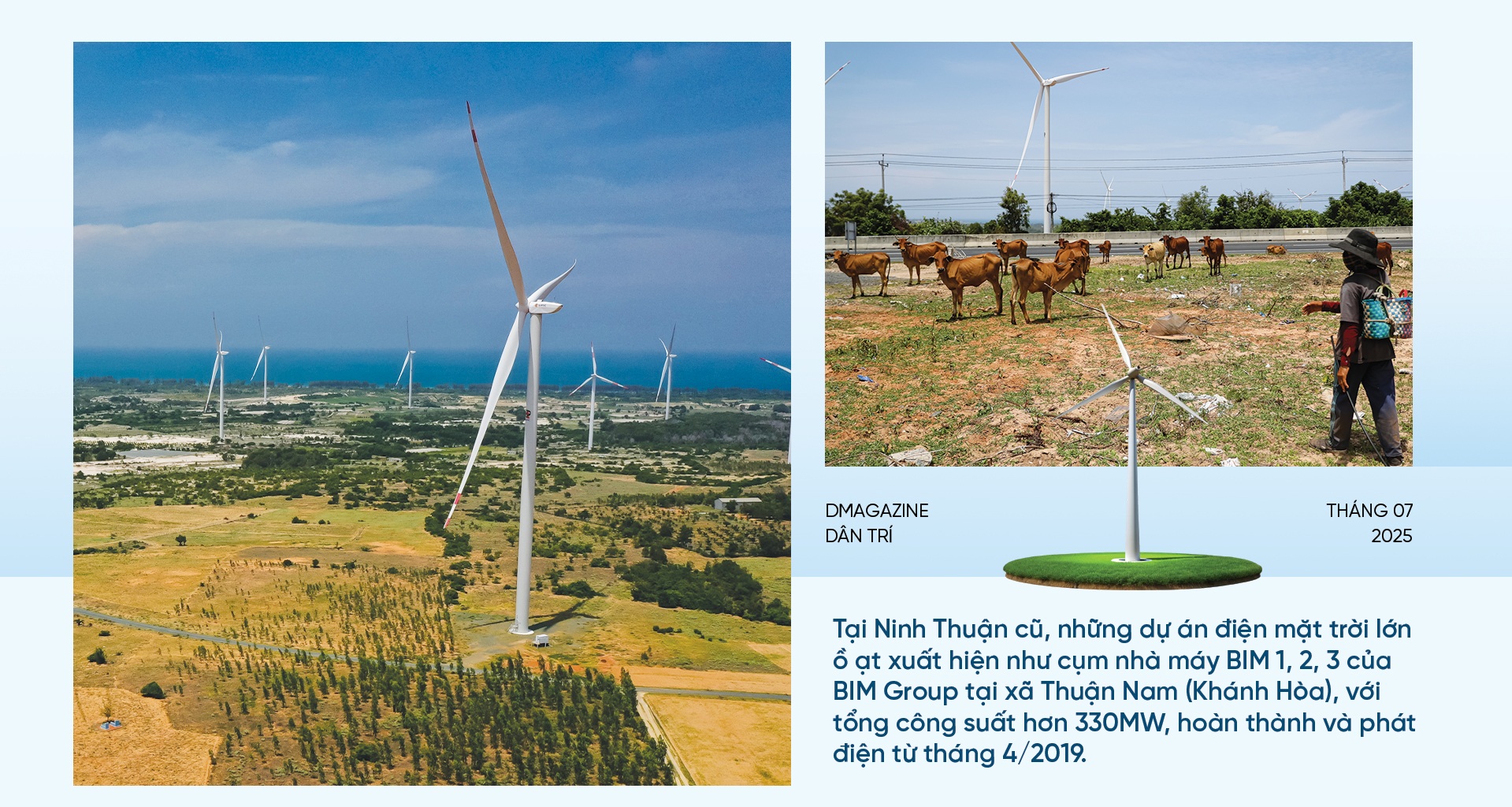
In the former Ninh Thuan province, large-scale solar power projects have sprung up, such as the BIM 1, 2, and 3 power plant complex of BIM Group in Phuoc Ninh and Phuoc Minh communes, with a total capacity of over 330MW, completed and generating electricity since April 2019. Nearby, the Trung Nam solar power plant in Bac Phong and Loi Hai communes, with a capacity of 204MW, also officially commenced operation in July 2019.
In addition, the CMX Renewable Energy Vietnam solar power plant project (168MW) and the My Son 1 plant (50MW) in Ninh Son commune also commenced operations in 2019, and the Trung Nam Thuan Nam solar power plant project (450MW) started operating in October 2020…
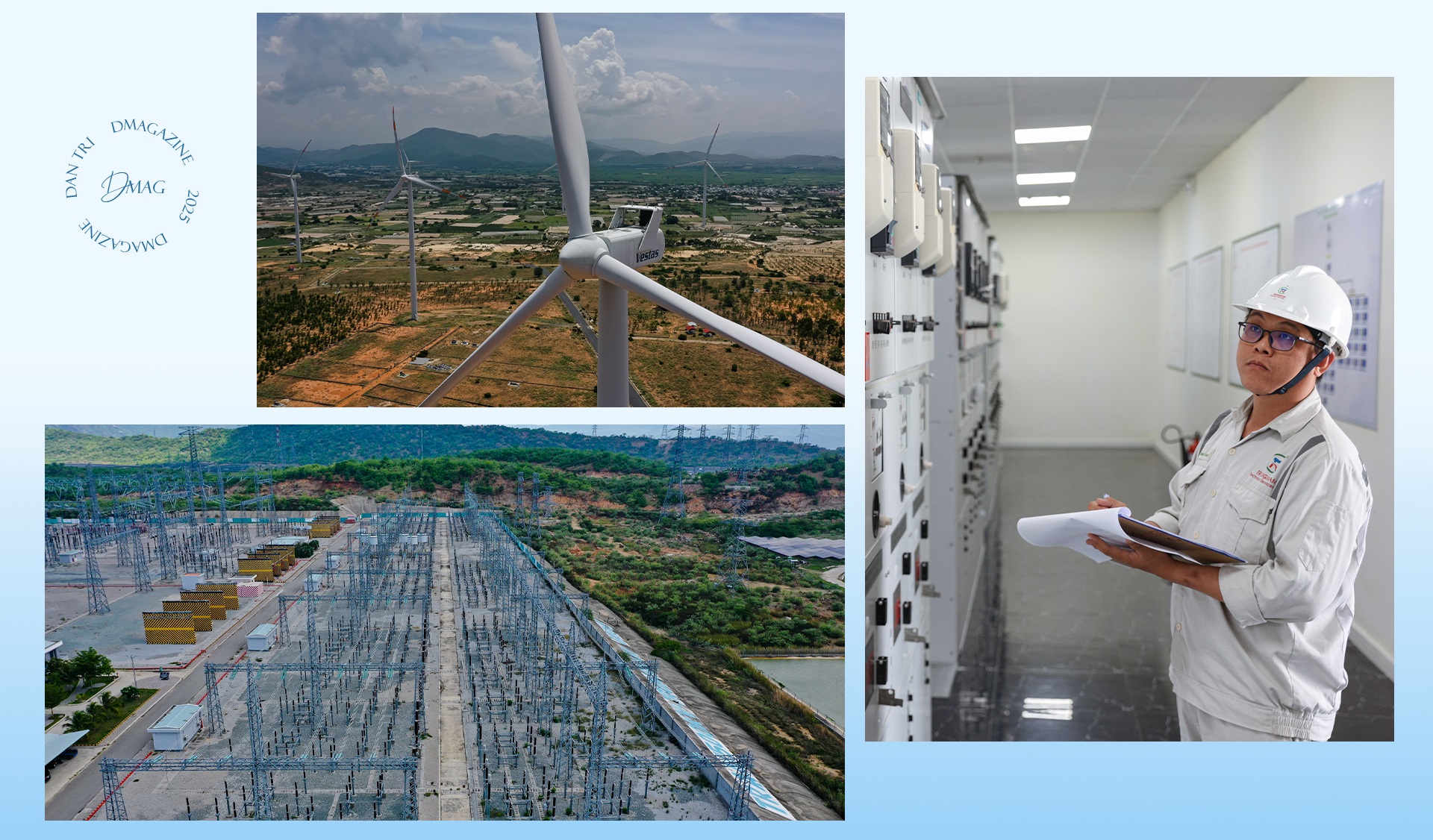
Meanwhile, wind power is also accelerating rapidly with numerous turbine towers rising along the southern coast of Khanh Hoa province. Lien Huong commune (Lam Dong province), where the first wind power project in Vietnam was located (2009), is also joining the race.
During the period 2017-2021, the province attracted dozens of wind power projects with a total capacity of thousands of MW, notably plants in Tuy Phong, Bac Binh, and Ham Thuan Nam districts such as the Dai Phong Wind Power Plant (50MW), which commenced commercial operation in July 2020; and the Phu Lac Wind Power Plant Phase 2 (25MW), which commenced commercial operation in October 2021…
By October 31, 2021 – when the feed-in tariff (FIT) mechanism for wind power expired – 69 projects with a total capacity of 3,298 MW had been approved for commercial operation. The national power grid now has a total of 84 wind power plants with a total capacity of 3,980 MW.
From 518MW by the end of 2020, installed wind power capacity increased to nearly 4,000MW in just one year. The increase in FIT (Feed-in Tariff) for wind power in 2018 played a significant role in stimulating this growth.
A series of incentive policies, especially attractive FIT (Feed-in Tariff) rates, have triggered a strong wave of investment both domestically and internationally, with trillions of dong poured into wind and solar power projects in Vietnam. The vibrancy of Vietnam's renewable energy market has attracted a host of international "giants" from France, the Netherlands, the Philippines, Thailand, China, and more.
Renewable energy not only transforms the landscape but also opens up new job opportunities, improves infrastructure, and makes a significant contribution to local budgets. The feed-in tariff (FIT) policy has been effective in promoting renewable energy production; however, it has not been accompanied by a comprehensive plan for developing and upgrading the electricity transmission and distribution system.
The simultaneous operation of renewable energy plants in a short period of time has also led to the overloading of the transmission grid in some areas, particularly in the former provinces of Binh Thuan and Ninh Thuan. Most 110-500kV power lines and substations in these two areas are overloaded, with some lines experiencing overloads up to 360%... Renewable energy plants in these areas have to reduce output at certain times to ensure safe system operation.
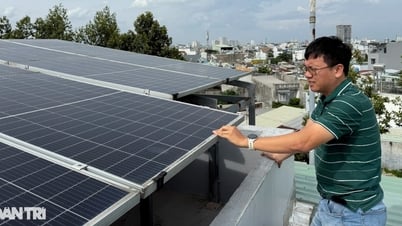
In particular, in 2020, the electricity sector witnessed a surge in renewable energy, notably rooftop solar power. In June 2020, rooftop solar power production reached 6,000 MWp, but by December 2020 it had increased to 10,000 MWp. The National Power System Dispatch Center had to reduce electricity consumption by 365 million kWh.

After a period of rapid growth, the development of solar and wind power suddenly stalled due to the termination of the Feed-in Tariff (FIT) mechanism and the lack of a suitable replacement. Although the Ministry of Industry and Trade has issued a price framework for transitional renewable energy projects and urged parties to negotiate electricity prices and sign power purchase agreements (PPAs), negotiations have remained deadlocked for many years due to a number of reasons.
Many wind and solar power projects have started generating electricity for the grid, but have yet to agree on the Commercial Operation Date (COD) and the official electricity selling price. A number of older projects are facing financial difficulties due to insufficient payments from EVN or the inability to negotiate new Purchase Agreements (PPAs). Meanwhile, over the past four years, many investors have been unable to develop new projects due to delays in the announcement of planning documents.
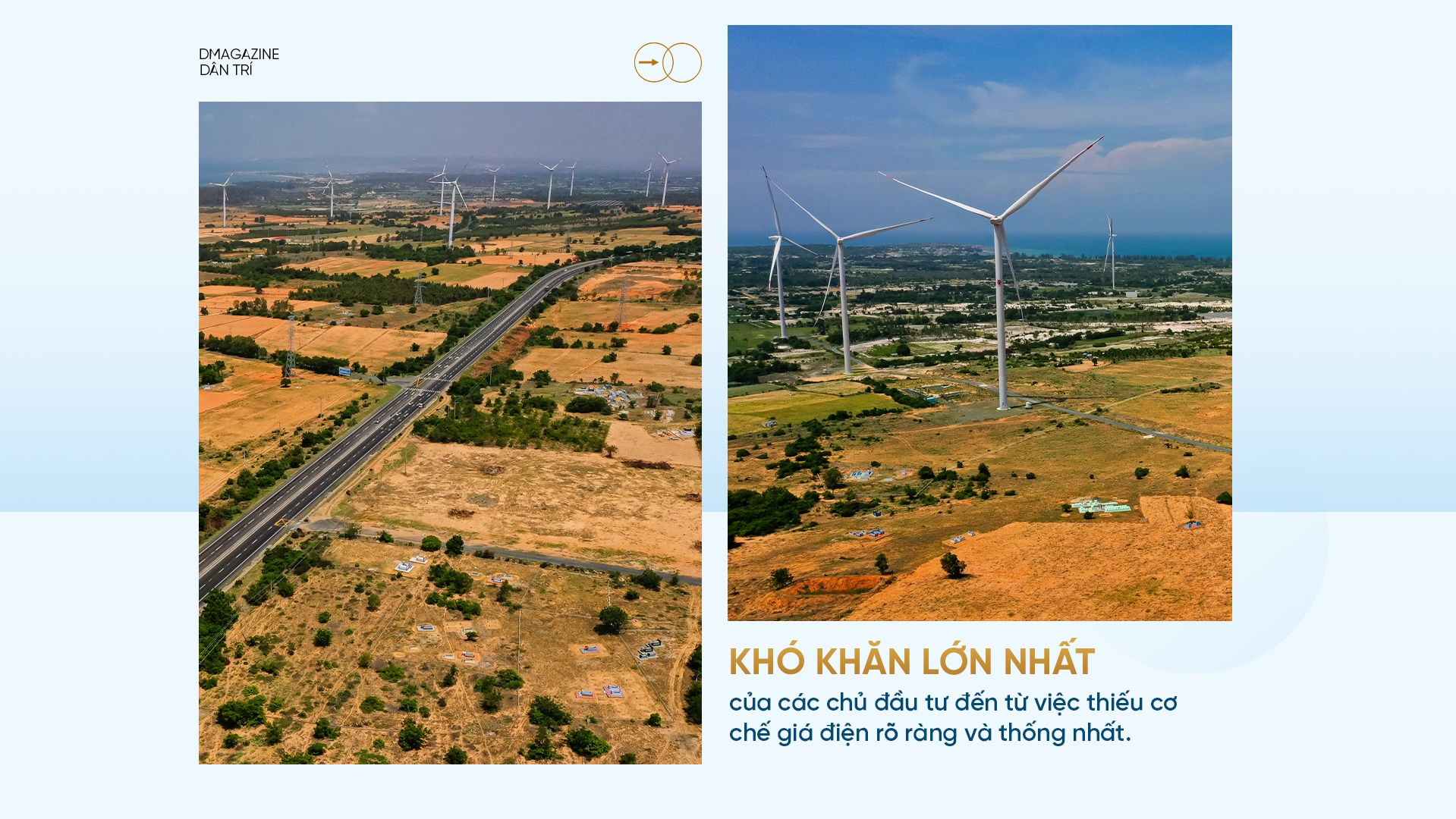
The biggest challenge for investors stems from the lack of a clear and consistent electricity pricing mechanism. After the preferential feed-in tariff (FIT) expires, projects that have been invested in and implemented but not completed before the FIT deadline are classified as "transitional" projects, requiring them to negotiate with EVN at the temporary price set by the Ministry of Industry and Trade (Decision 21/2023). However, the prolonged negotiation process for the official price causes difficulties for many investors in their investment and operation due to the wait for a unified electricity price.
According to the latest data from EVN, through the Electricity Trading Company (EVNEPTC), the group is currently negotiating PPAs with 85 power plants/parts of power plants in transition with a total capacity of over 4,734MW, including 77 wind power projects and 8 solar power projects.
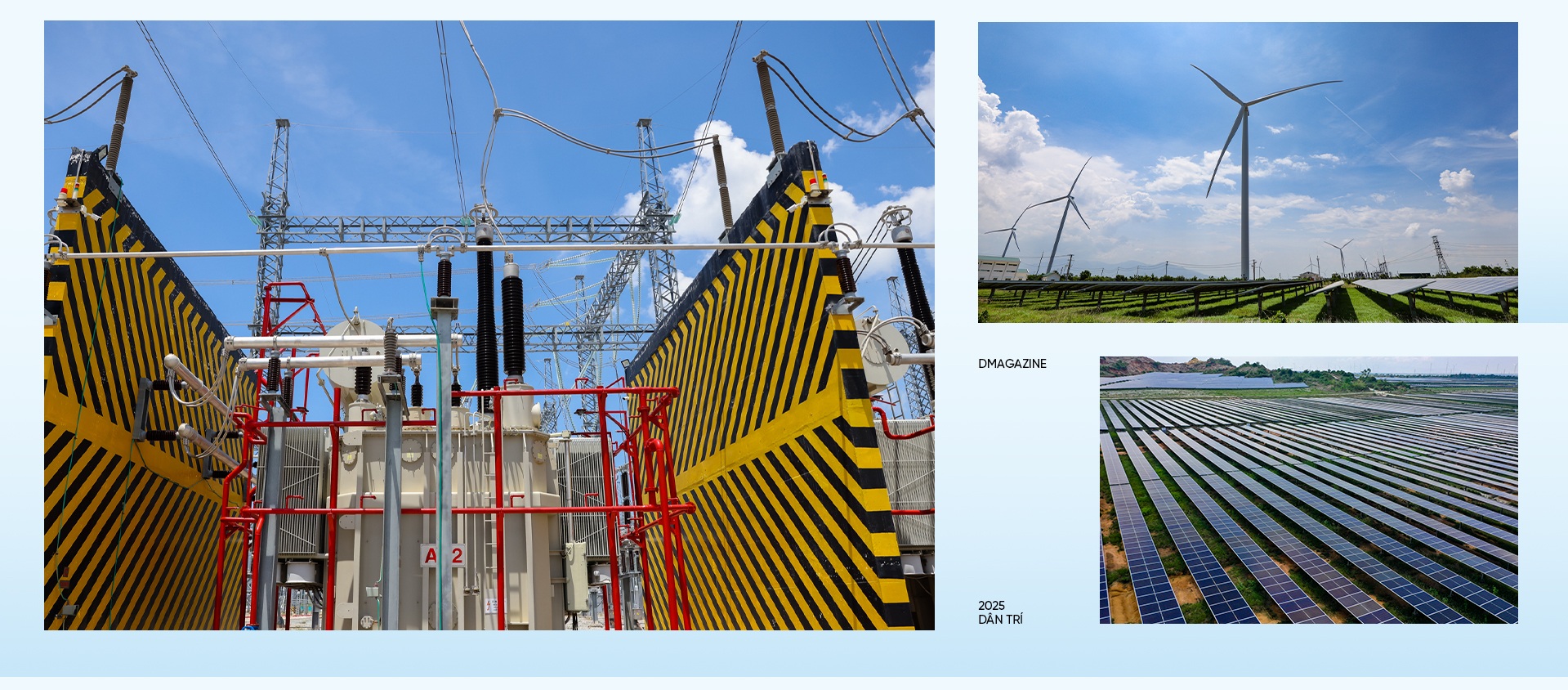
After more than two years, only 16 out of 85 transitional renewable energy projects with a total capacity of over 943 MW have agreed on official electricity purchase prices. Of these, 10 projects (532 MW) have officially signed amended contracts regarding electricity prices, and 6 projects (411 MW) are in the process of finalizing draft contracts, ready for signing. In addition, 30 projects with a total capacity of over 1,631 MW have completed the Commercial Operation Date (COD); and 41 projects, equivalent to over 2,516 MW, have submitted documents for electricity price negotiations.
The rush to meet deadlines in order to benefit from FIT rates has led some investors to shorten implementation processes, skip necessary procedures, and in some cases even violate planning and legal regulations.
A number of renewable energy projects that had commenced commercial operation and previously benefited from feed-in tariff (FIT) rates under previous decisions were later found by the Government Inspectorate's conclusion in late 2023 to lack the necessary procedures to qualify for those rates. According to a report by the Ministry of Industry and Trade, more than 170 grid-connected solar and wind power plants/parts of plants faced this situation.
The Government Inspectorate also concluded that 154 solar power projects added to the planning by the Ministry of Industry and Trade lacked legal basis. Following the inspection's conclusion, many projects encountered difficulties in implementing the findings, leading to delays or incomplete payment for electricity.
Recently, authorities have proposed solutions to address violations and irregularities in renewable energy projects. Among the solutions to overcome difficulties for energy projects, authorities have proposed that projects found to be in violation or failing to meet the necessary conditions will no longer be eligible for preferential feed-in tariff rates and will have their electricity prices reassessed. Simultaneously, any improperly received preferential feed-in tariff rates will be recovered through offsetting and payment for electricity purchases.
Therefore, instead of enjoying a solar power purchase price of up to 9.35 cents/kWh under FIT 1 or 7.09 cents/kWh under FIT 2, these projects risk receiving the same price as transitional projects, which is no more than 1,184.9 VND/kWh.
In a petition submitted in May, many investors expressed concerns about the handling of the proposals. In particular, they were concerned about EVNEPTC's proposal to make provisional electricity payments based on the principle of applying the equivalent price of the FIT or the ceiling price of the transitional pricing framework at the time the power plant receives the Certificate of Acceptance (CCA) approval, while awaiting further guidance.
This group of investors also stated that since January, EVNEPTC has unilaterally withheld a portion of the payment through the application of a temporary tariff. The businesses requested that the COD (Cash on Delivery) date be continued as initially agreed.
Besides the projects still facing obstacles, some projects have gradually had their legal procedures resolved, such as the project of TTC Group, specifically the Duc Hue 2 solar power plant (Duc Hue district, Long An province), which has been added to the planning and is currently under construction, expected to be commissioned this year…

On December 10, 2024, the Government issued Resolution 233 to address the difficulties and obstacles faced by investors.
The resolution requires the Ministry of Industry and Trade to take the lead, in coordination with EVN and local authorities, in reviewing the entire list of transitional projects, expediting licensing, acceptance testing, and determining temporary electricity prices to facilitate power generation by enterprises connecting to the grid. At the same time, the Government directs a review of the electricity auction and bidding mechanism in a transparent and stable manner, aiming to restore investor confidence.
Responding to a reporter from Dan Tri newspaper regarding the difficulties faced by renewable energy businesses, Deputy Director of the Electricity Department (Ministry of Industry and Trade) Bui Quoc Hung said that the Ministry has implemented many solutions to address the difficulties and obstacles for renewable energy projects.
Regarding planning, the Ministry issued a decision to finalize the plan to ensure the feasibility of renewable energy projects. Simultaneously, the Government also issued Decision 768/2025 adjusting Power Plan 8, which updates the renewable energy projects currently facing difficulties into this plan.
"Thus, the obstacles in the planning of current renewable energy projects have been removed," Mr. Hung said.
Regarding the issues related to the COD mechanism and FIT price, Mr. Hung stated that these issues fall under EVN's jurisdiction, as stipulated in the Electricity Law. The Ministry of Industry and Trade has issued numerous directives to EVN to resolve these issues definitively, particularly concerning the determination of eligibility for the FIT price. However, EVN has yet to submit an official report.
According to the resolution principles of Resolution 233, any difficulties and obstacles for a project that fall under the jurisdiction of a particular agency, level, sector, or locality must be resolved by that agency, level, sector, or locality. The Ministry of Industry and Trade is tasked with compiling and urging relevant ministries, sectors, and localities to resolve difficulties and obstacles within their respective jurisdictions and report to the Government.
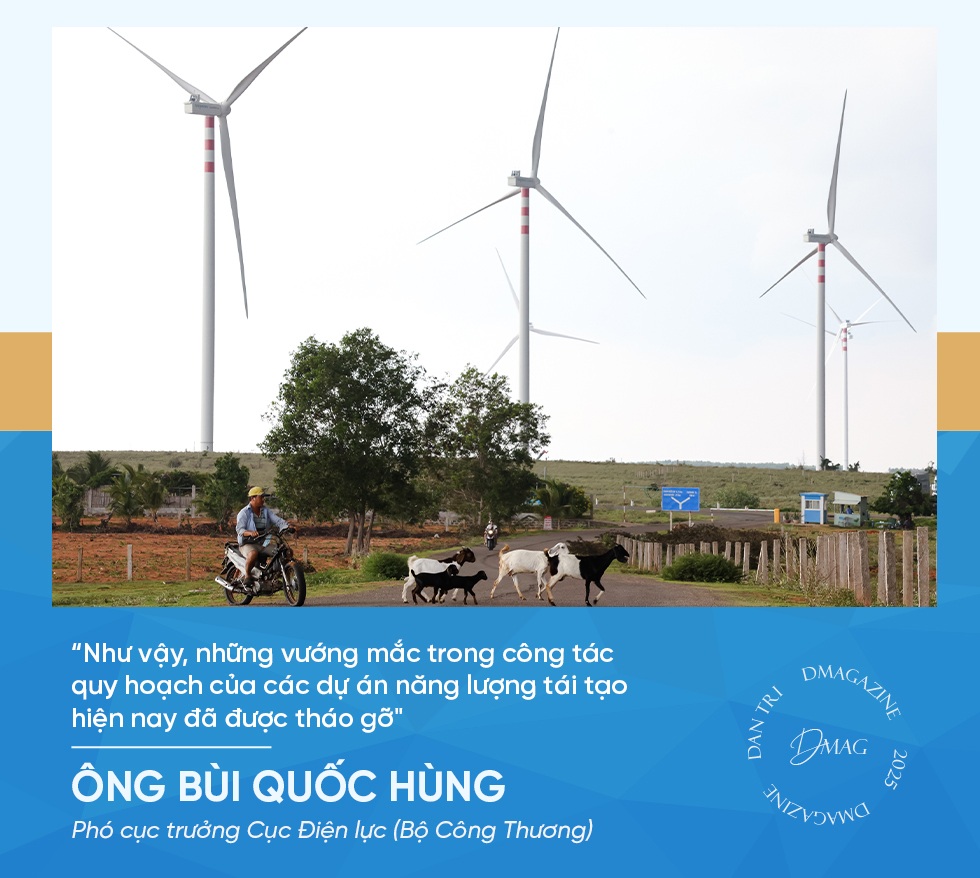
Mr. Hung added that the Ministry of Industry and Trade has also sent many documents to relevant localities to remove difficulties for renewable energy projects, and has submitted many reports to the Government for implementation, but so far the removal of these obstacles has not been completed.
Regarding EVNEPTC's temporary withholding of payments for some renewable energy projects and its proposal to adjust the FIT price for these projects, the head of the Electricity Department stated that, according to the law on electricity, the agreement, signing of power purchase agreements, and recognition of commercial operation (COD) for solar and wind power projects fall under the authority of EVN.
The Ministry of Industry and Trade has recently issued numerous circulars guiding investors, EVN, and related units on the forms for implementing power purchase agreements, such as Circular 18/2020, Circular 16/2017, and Circular 02/2019.
On May 29th, based on a report from EVN, the Electricity Department held a dialogue meeting with more than 36 representatives from businesses and associations to exchange ideas, listen to opinions, and provide feedback on the progress in resolving obstacles for renewable energy projects.
"In principle, according to Resolution 233, resolving difficulties and obstacles for projects falls under the jurisdiction of the relevant agencies, levels, sectors, and localities. The Ministry of Industry and Trade is tasked with compiling and urging relevant ministries, sectors, and localities to resolve obstacles within their authority and report to the Government," he said.
The Ministry of Industry and Trade has submitted numerous reports to the Government leaders and the Steering Committee 751, reflecting the difficulties regarding FIT pricing and requesting EVN to urgently resolve the issue in accordance with Resolution 233.
"According to Conclusion 1027 of the Government Inspectorate, responsibility for shortcomings and violations in recognizing COD and trading electricity from solar and wind power plants at fixed prices rests with the investor, the electricity trading company, and EVN. Therefore, EVN is the competent authority and responsible for resolving COD issues to determine the FIT price," Mr. Hung said.
According to the head of the Electricity Department, EVN is also responsible for coordinating with investors to develop a plan and reach a consensus on enjoying the FIT price for the projects. The Ministry of Industry and Trade has proposed to the Government leaders and the Steering Committee 751 to consider directing relevant units, based on EVN's report and the results of the meeting with businesses, associations, and investors.
"According to the Ministry of Industry and Trade, the risk of international disputes and lawsuits is entirely possible, on a large scale and for an extended period, for renewable energy projects. Therefore, the Ministry recommends that the Ministry of Justice take the lead, in coordination with EVN and relevant agencies, to research, assess, and promptly submit a report to Deputy Prime Minister Nguyen Hoa Binh and the Steering Committee 751," Mr. Hung said.
Currently, negotiations between EVN and investors are still facing many obstacles. Investors disagree with the proposed solution of temporary payment and the application of provisional pricing for EVN's current renewable energy projects.
As of April, 172 solar and wind power plants/parts lacked written approval of acceptance results from competent state agencies at the time of achieving the Commercial Operation Date (COD). EVNEPTC has worked directly with the investors of 159 plants/parts that had written approval of acceptance results after the COD date. Investors of 14 power plants/parts that did not have written approval of acceptance results did not attend the meeting, and EVN is temporarily suspending payments.
EVN is making provisional payments starting in January for 159 power plants/parts of power plants. Specifically, 25 power plants/parts of power plants (total capacity 1,278 MWp) currently paying at preferential FIT 1 will temporarily be paid at preferential FIT 2; and 93 solar power plants/parts of power plants (total capacity 7,257 MW) currently paying at FIT will temporarily be paid at the transitional ceiling price.
There are 14 wind power plants/parts of wind power plants (with a capacity of 649MW) currently being paid at preferential rates, which will temporarily be paid at the transitional ceiling price. There are also 13 plants that have not yet received written approval of the acceptance results; EVN will temporarily pay based on operating and maintenance costs.
According to EVN, during the negotiation process, EVNEPTC and the investors jointly faced several challenges related to completing legal documents. Some projects are still in the process of adjusting investment policies, extending deadlines, or clarifying information on planned capacity. EVNEPTC proactively requested the investors to work with competent state agencies to complete these tasks.
Regarding electricity production and total investment, EVN stated that there are sometimes discrepancies between the electricity production figures in the design documents and the actual operation or negotiated parameters. Similarly, reviewing investment costs to ensure compliance with Circular 12 also requires careful examination of contracts and documents.
Regarding the difficulties faced by renewable energy projects, at a workshop in late May, Mr. Nguyen Tai Anh, Deputy General Director of EVN, stated that the Government had issued Resolution 233 on removing obstacles and difficulties for renewable energy projects. EVN is also thoroughly implementing the spirit of Resolution 233 and addressing these issues effectively.

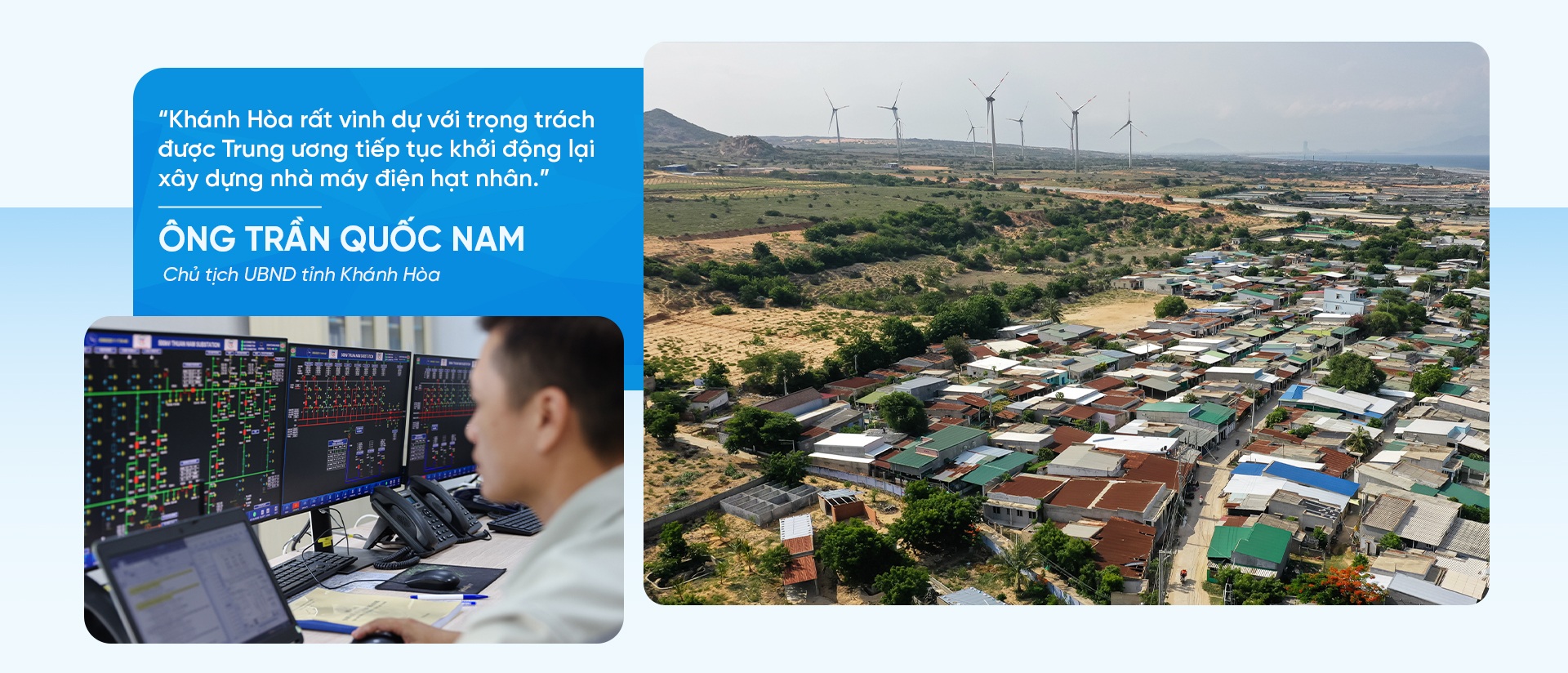
Speaking to a reporter from Dan Tri newspaper, Mr. Tran Quoc Nam, Chairman of the People's Committee of Khanh Hoa province, said that the southern region of Khanh Hoa province (formerly Ninh Thuan province) continues to identify energy and renewable energy as the driving force for growth and a key sector for attracting investment.
"Khanh Hoa is very honored to have the responsibility of having the Central Government restart the construction of the nuclear power plant. This is a nationally important project, significant in ensuring energy security to prepare for a new era of the country, creating an important impetus to promote socio-economic development in the southern part of the province," he said.
Provincial leaders assessed that the project also impacts and promotes the development of other economic sectors: supporting industries producing high-tech equipment, construction materials, and renewable energy; tourism and research activities; and financial, banking, and healthcare services. Accordingly, the nuclear power project is expected to contribute additional growth to the industrial, construction, and service sectors compared to the scenario before the nuclear power plant starts operating.
In late May, the Department of Industry and Trade of the former Ninh Thuan province submitted a report on the implementation of power projects under Power Plan 8 and the revised Power Plan 8. According to the state management agency, under Power Plan 8, the province has 22 renewable energy projects. The locality has approved investors for 8 projects/2,677 MW; 14 projects/2,051 MW are currently in the investor selection process.
These include the Phuoc Hoa Pumped Storage Hydropower Project, the Bac Ai Pumped Storage Hydropower Project, the Phuoc Huu Wind Power Plant, the Vietnam Power No. 1 Wind Power Plant, the Cong Hai 1 Wind Power Plant - Phase 1 and Phase 2, the Phuoc Nam - Enfinity - Ninh Thuan Renewable Energy Power Plant, and a portion of the Hanbaram Wind Power Plant's capacity.
For the 8 projects that have received investment approval, there are some difficulties regarding the issuance of electricity pricing mechanisms. The Provincial People's Committee has submitted a request to the Ministry of Industry and Trade. The Cong Hai 1 Wind Power Plant project - phases 1 and 2 of Power Generation Corporation 2 - Joint Stock Company - also lacks an electricity pricing mechanism.
Recently, the Provincial People's Committee also directed relevant departments and localities to remove obstacles and accelerate the implementation of renewable energy projects. This is especially important for projects facing land acquisition issues, such as the Bac Ai pumped-storage hydropower plant and the Vietnam Power No. 1 wind power plant project.
Despite remaining obstacles, the efforts of localities in removing bottlenecks and creating favorable conditions for investors are a positive sign for the future of renewable energy. However, to transition from rapid development to sustainable development, experts believe this sector needs a more synchronized and stable policy framework.
The shift from the Feed-in Tariff (FIT) mechanism to competitive models such as bidding is a step in the right direction in the current context, creating a transparent and fair environment that helps to filter out genuine investors. When policies, infrastructure, and the market operate in harmony, that is when renewable energy can truly play a pivotal role in ensuring national energy security and long-term green development.
Climate change is becoming increasingly severe. Energy security has become a vital issue for all nations. The shift from fossil fuels to clean energy is accelerating. In Vietnam, this process is an urgent requirement to ensure sustainable development and comply with international commitments.
Power Plan 8, issued in 2023 and adjusted in April 2025, has set the goal of a fair energy transition, strongly developing renewable energy, gradually reducing dependence on coal power, and promoting gas, wind, solar, biomass and nuclear power. However, the realization process is still facing many challenges when many projects have invested but have not yet agreed on official electricity prices, upgrading transmission infrastructure is still slow, not keeping up with the speed of power source development, and planning work is still lacking in synchronization...
The series of articles “Fair energy transition in the 8th power plan” carried out by Dan Tri Newspaper will reflect the overall picture of the orientation, clarify the current situation in the South, especially in localities with rich potential for renewable energy development such as Ninh Thuan and Binh Thuan, while recording the thoughts and expectations of people and businesses in the transition process. The series of articles contributes to spreading awareness, promoting policy dialogue and proposing solutions for a sustainable and effective energy development future.
Source: https://dantri.com.vn/kinh-doanh/dien-sach-hau-con-sot-hang-nghin-ty-dong-ket-giua-rao-can-chinh-sach-20250704205328007.htm



![[Photo] Closing Ceremony of the 10th Session of the 15th National Assembly](/_next/image?url=https%3A%2F%2Fvphoto.vietnam.vn%2Fthumb%2F1200x675%2Fvietnam%2Fresource%2FIMAGE%2F2025%2F12%2F11%2F1765448959967_image-1437-jpg.webp&w=3840&q=75)
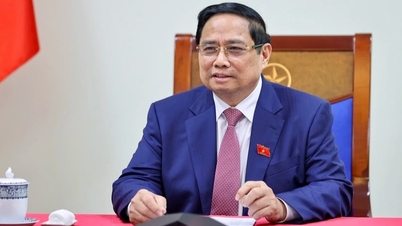
![[Photo] Prime Minister Pham Minh Chinh holds a phone call with the CEO of Russia's Rosatom Corporation.](/_next/image?url=https%3A%2F%2Fvphoto.vietnam.vn%2Fthumb%2F1200x675%2Fvietnam%2Fresource%2FIMAGE%2F2025%2F12%2F11%2F1765464552365_dsc-5295-jpg.webp&w=3840&q=75)






































![[OFFICIAL] MISA GROUP ANNOUNCES ITS PIONEERING BRAND POSITIONING IN BUILDING AGENTIC AI FOR BUSINESSES, HOUSEHOLDS, AND THE GOVERNMENT](https://vphoto.vietnam.vn/thumb/402x226/vietnam/resource/IMAGE/2025/12/11/1765444754256_agentic-ai_postfb-scaled.png)
















































Comment (0)