

Despite the goal of reducing dependence on Russian fossil fuels by 2027, EU countries spent nearly €5.3 billion ($5.7 billion) to purchase more than half of Russia's total liquefied natural gas (LNG) exports in the first seven months of 2023, with Spain and Belgium being the second and third largest customers worldwide (after China), according to estimates by the NGO Global Witness.
An analysis published on August 30 by Global Witness, based on data from analytics firm Kpler, shows that EU imports of this type of cryogenic gas increased by 40% between January and July this year compared to the same period in 2021, before Russia launched its military operation in Ukraine.
The aforementioned surge stems from the fact that, prior to the conflict, the EU did not import much LNG because the bloc relied more heavily on pipeline gas from Russia. But this increase is much stronger than the average global increase in imports of Russian LNG, which is 6% year-on-year, according to Global Witness.
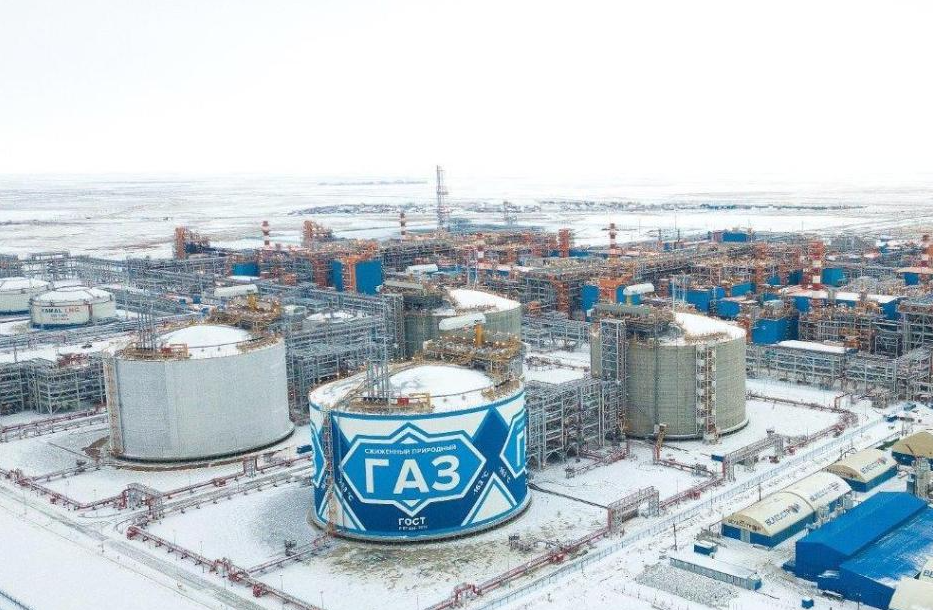
Yamal LNG joint venture in the Russian Arctic. Photo: Novatek
Additionally, the analysis shows that the EU is importing approximately 1.7% more Russian LNG than it did when imports reached a record high last year.
“EU countries have made significant efforts to phase out Russian fossil fuels only to replace pipeline gas with an equivalent transported by sea,” said Jonathan Noronha-Gant, a senior fellow at Global Witness. “Whether it’s from pipeline or sea – that means European companies are still pouring billions of dollars into the Kremlin’s war chest.”
Most of Russia's LNG is produced at the Yamal LNG joint venture, which is largely owned by the Russian company Novatek. Other shares are held by France's Total Energies, China's CNPC, and a Chinese state fund. This joint venture is exempt from export taxes but is subject to income tax.
Along with generating billions of euros in revenue for Russia at a time when the EU continues to tighten sanctions against Moscow, the aforementioned record LNG imports could cause problems for the "old continent" if LNG supplies are suddenly cut off, as happened with pipeline gas last year.
"Long-term buyers in Europe have indicated they will continue to take on contracted volumes unless prohibited by governments ," said Alex Froley, senior analyst at consulting firm ICIS.
The EU import ban will cause some disruptions in shipping because the global trade model will need to be rearranged, Froley said, adding that Europe may eventually find other suppliers and Russia may also find other customers.
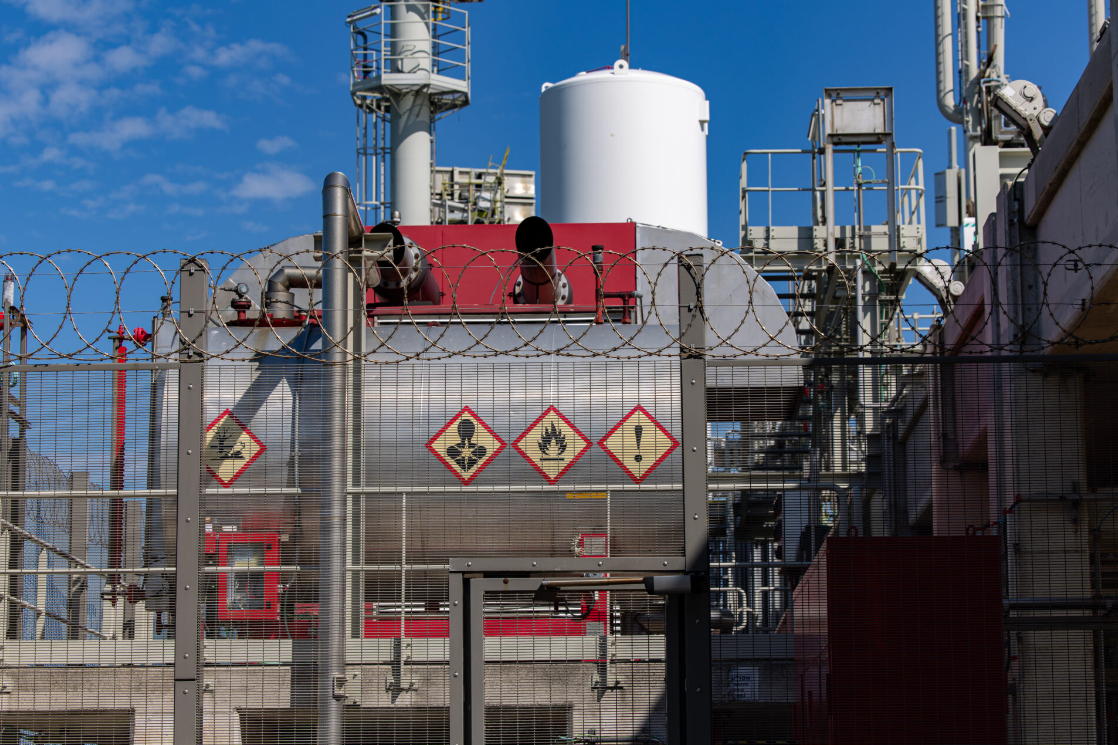
The Fluxys LNG terminal in Zeebrugge, Belgium. Photo: Brussels Times
The EU has set a target of phasing out Russian fossil fuels by 2027, but officials warn that a complete ban on LNG imports risks triggering an energy crisis similar to last year's, when gas prices in Europe hit record highs of over 300 euros/MWh.
Although gas storage facilities in Europe are more than 90% full ahead of winter, it remains "very worrying" if supply cuts continue, an EU official told the Financial Times.
Kpler data shows that Russian LNG accounted for 21.6 million cubic meters, or 16%, of the EU's total 133.5 million cubic meters of LNG imports (equivalent to 82 billion cubic meters of natural gas) between January and July this year, making Russia the bloc's second-largest LNG supplier, after the United States.
Henning Gloystein, director of energy, climate and resources at Eurasia Group, said the EU must cut demand by another 10%. “If we don’t systematically reduce gas consumption by 10-15%, we risk repeating the annual supply race,” Gloystein said .
Minh Duc (According to Financial Times, Global Witness)
Source























































































Comment (0)