

In Western media, peace initiatives, ceasefire proposals, and mediation plans have been appearing one after another. However, observers believe that most of these moves seem to serve political and media objectives more than they create a viable roadmap to end the war.
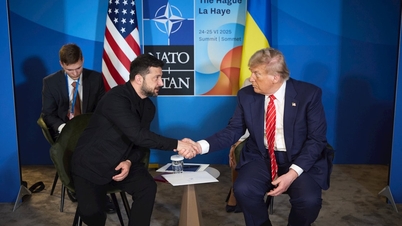
The negotiations over Ukraine, ultimately, have transcended the scope of the fate of a single nation, becoming a test of the Euro-Atlantic security order and relations between major powers.
Ukraine and continent Europe in progress pressure use war technique maintain Postponed ?
One of the most notable recent developments is President Volodymyr Zelenskyy's proposal for a possible referendum on territorial concessions.
Analysts believe that, formally, this proposal resembles a democratic step and seems geared towards a political solution. However, given the increasingly fragile internal political situation in Ukraine, this initiative carries more tactical implications than a genuine reconciliation effort.
The cession of even a small portion of territory is seen as a "red line" for the elite and political forces in Kyiv.
Faced with the risk of losing legitimacy, shifting the decision-making power to the voters could help the Kyiv government both avoid direct responsibility and reaffirm that it is acting in accordance with the "will of the people."
A referendum result rejecting concessions, which was anticipated, would become a political tool for Ukraine to maintain its current position and strengthen its standing in dialogue with Western partners.
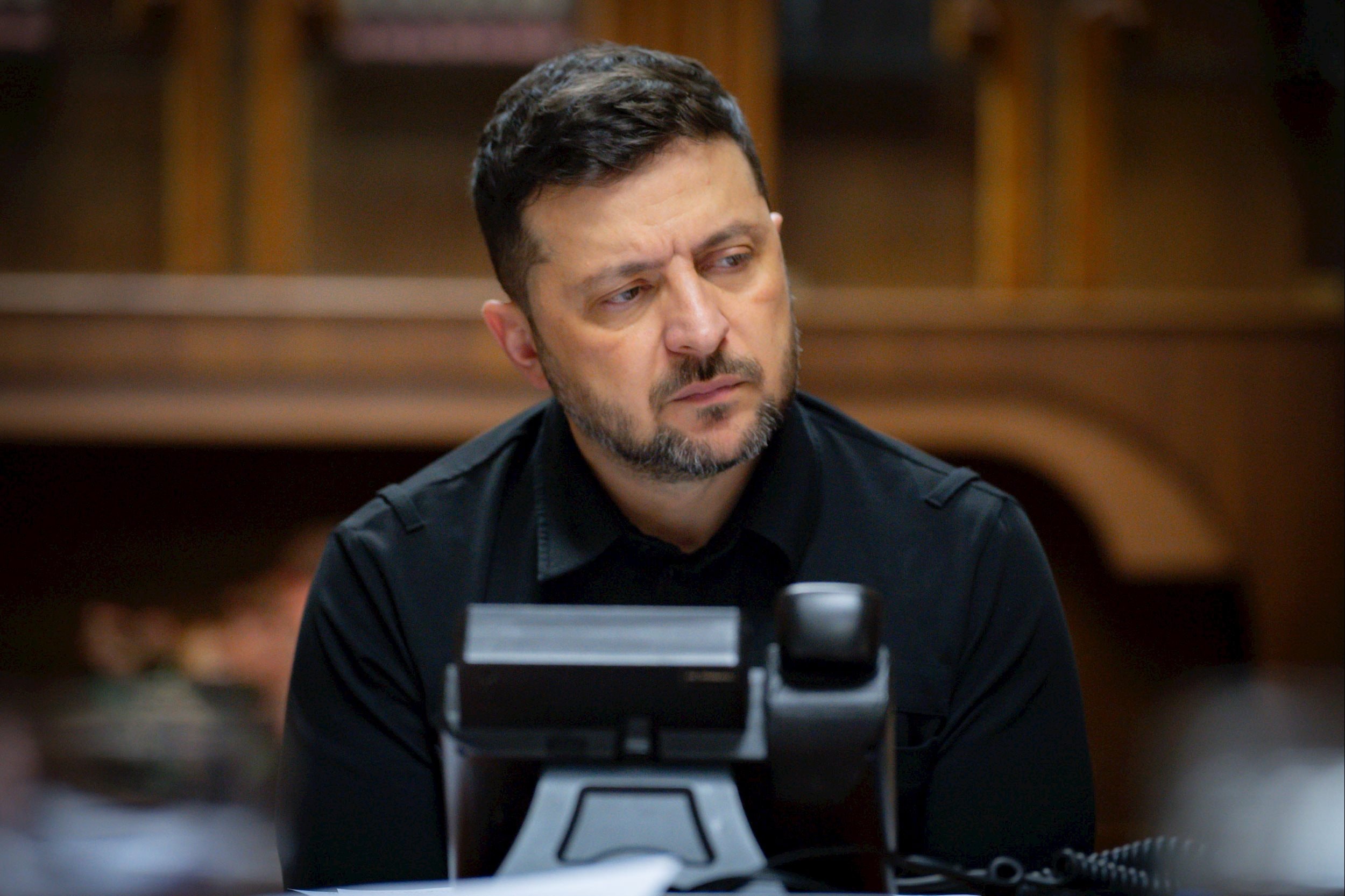
However, from a negotiating perspective, this initiative can hardly be seen as a step forward. Instead of opening up substantive discussions about the conditions for ending the conflict, it risks plunging the process into a spiral of protracted political procedures, where time becomes a strategic resource. According to this logic, delay equates to hope: hope for change on the battlefield, for shifts within the countries supporting Ukraine, or for a reversal of U.S. policy.
This tactic appears to be present not only in Kyiv, but also shared, to varying degrees, within the European Union. Germany, France, and the United Kingdom are now coordinating in a “coalition of ready states.”
European capitals are increasingly aware that Washington is seeking to narrow its role in direct contacts with Moscow and Kyiv. The US administration, learning from previous periods, appears to want to tightly control the negotiating channel, limiting intervention or pressure from allies.
In response, Europe actively put forward parallel peace plans, modifying or supplementing the US proposals. However, these initiatives are unlikely to have any real impact without accompanying hard power or sufficiently strong economic and military leverage. The lack of internal unity makes it difficult for Europe to become an independent negotiating entity, instead playing primarily a supporting or tactical disruptive role.
A prime example is the debate over the use or seizure of frozen Russian assets. Tactically, maintaining access to these funds allows Europe to both keep Ukraine within its orbit and prolong the potential for continued conflict. However, turning those assets into "empty promises" also contributes to delays in compromises, as Kyiv is encouraged to believe there is still room for confrontation rather than accepting territorial concessions.
Donbas changed afternoon and gender limit belong to calculate maths main treatment
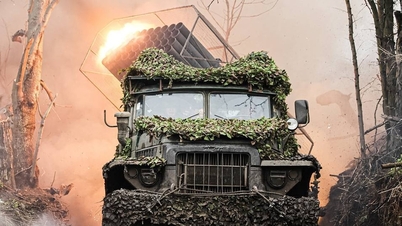
The fundamental weakness of the delaying tactic lies in the realities of the battlefield. According to Russian media, in recent weeks, the Russian army has intensified its offensives in multiple directions, particularly in Donbas, gaining control of more strategic areas and eroding Ukraine's defensive capabilities. These victories are not only military in nature but also have a direct impact on the negotiating table, as the balance of power increasingly favors Moscow.
Previously, a common assumption among Western policymakers was that Ukraine could maintain a balance of power using relatively low-cost means, such as drones, precision fire, and intelligence. The manpower shortage was thought to be compensated for by technology. However, reality shows that Russia's superior scale, firepower, and ability to maintain sustained pressure are gradually shattering this assumption.
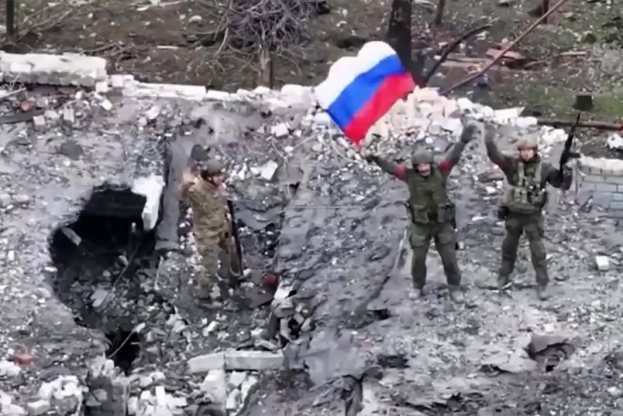
In this context, Kyiv finds itself in a dilemma: on the one hand, it faces increasing political pressure from Washington to seriously consider a negotiated solution; on the other hand, it faces direct and increasingly intense military pressure from Russia. European mediation efforts, while aimed at reducing tensions, are unlikely to change the situation without the decisive tools to do so.
Meanwhile, the logic of “waiting for change in Washington,” from midterm elections to potential adjustments in foreign policy, contains many uncertainties. U.S. foreign policy, in many cases, operates relatively independently of short-term political upheavals. Betting on a major reversal could lead parties to underestimate the inherent dynamics of the battlefield.
Ultimately, the history of conflict shows that diplomacy can rarely be completely detached from military reality. As the balance of power shifts, so too do the terms of negotiation.
In the case of Ukraine, the shelling in Donbas is gradually shaping the boundaries for any peace initiatives. The question is no longer whether negotiations will take place, but when and under what conditions, and whether the parties are ready to face that reality soon or continue to prolong a costly test, both in terms of human lives and resources.
Source: https://congluan.vn/dam-phan-ukraine-giua-tieng-phao-and-su-on-ao-ngoai-giao-10322552.html











































































Comment (0)