


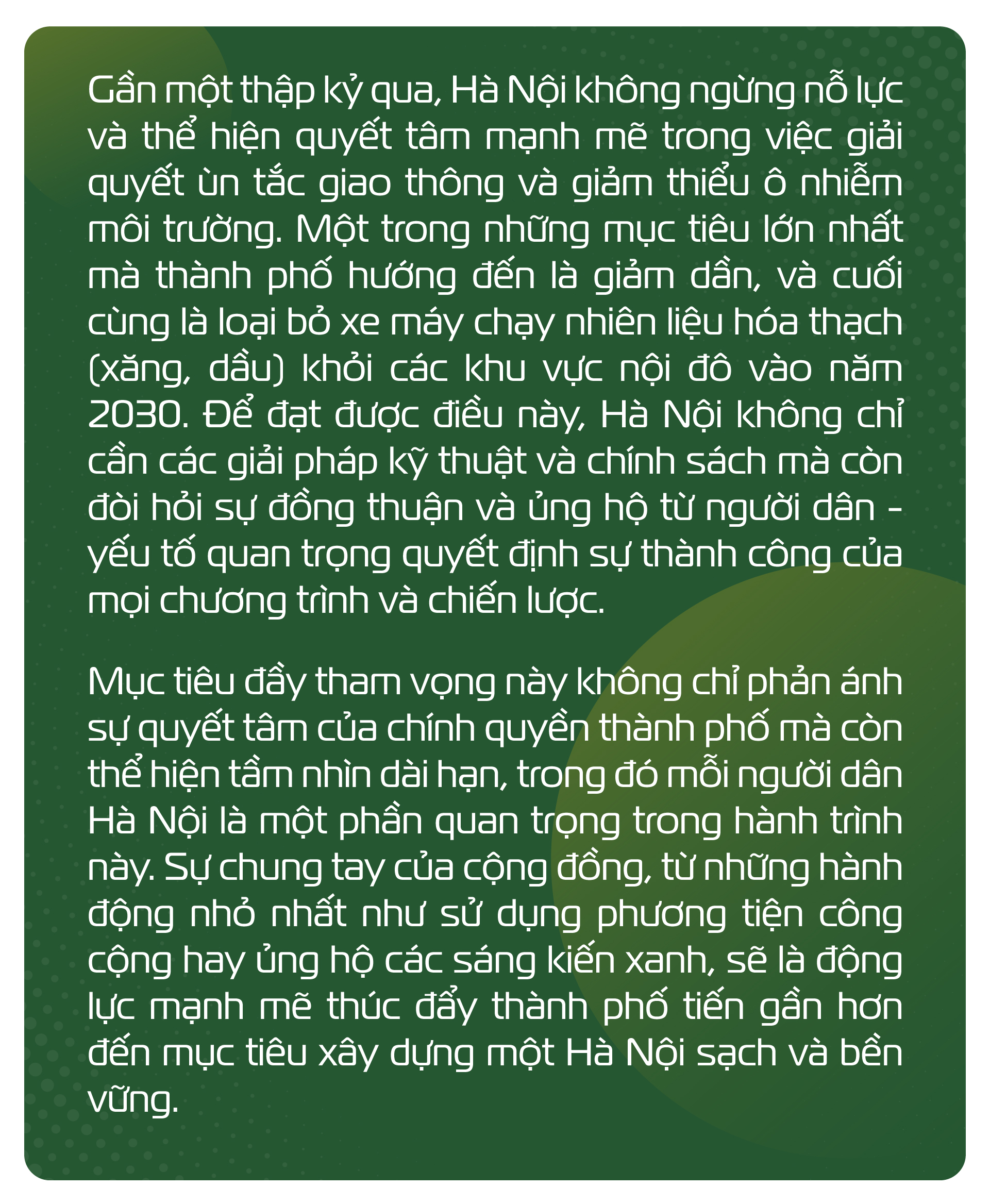

In January of this year, Dr. Tran Van Mieu, Head of the Environmental Communication Department of the Vietnam Association for the Protection of Nature and Environment, purchased an electric motorbike worth 27 million VND. He stated that he did this not only for transportation but also to contribute to reducing air pollution in Hanoi and promoting green transportation development.
"As a scientist and a social worker, I feel it's my responsibility to call on the public to join us. We may have to endure some initial hardship, but it's a necessary sacrifice for a revolutionary transformation – from polluting to environmentally friendly vehicles. If the government, businesses, and social organizations share the burden, the people will feel secure and united," said Dr. Tran Van Mieu.
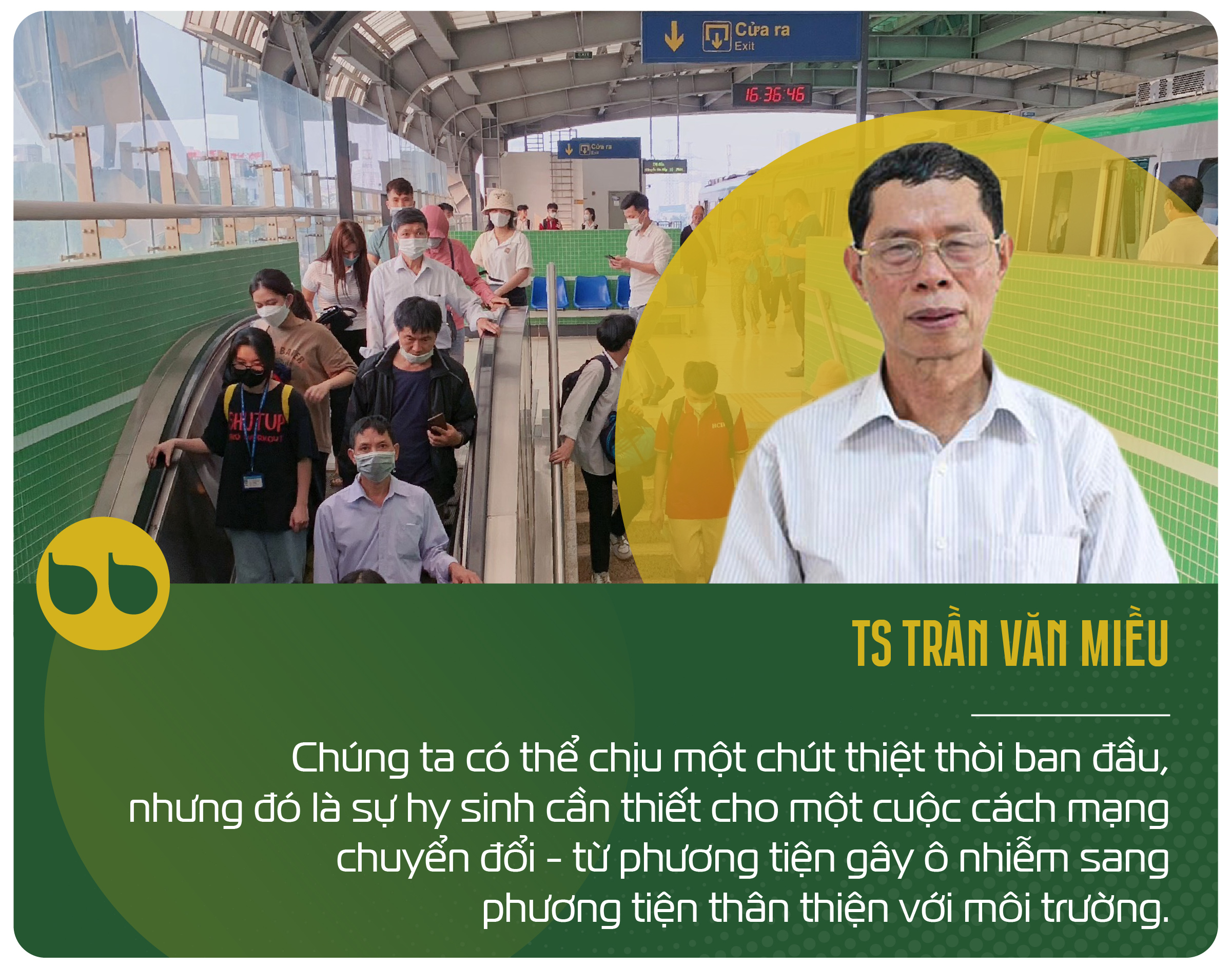
However, Dr. Mieu stated that not everyone has the means to make the transition, and any new policy will have a certain impact, especially on the people – the group directly affected.
"This particularly affects working-class people, those who earn their daily living in the inner city. Therefore, the challenge is how to balance the requirements of developing a green, smart, and civilized city with protecting the rights and livelihoods of the people," Mr. Mieu stated.
On July 12th, Prime Minister Pham Minh Chinh signed Directive No. 20/CT-TTg on a number of urgent and decisive tasks to prevent and resolve environmental pollution.
The directive requires Hanoi to implement measures to support organizations and individuals in converting their vehicles, ensuring that by July 1, 2026, no more motorcycles or scooters using fossil fuels will be circulating within the Ring Road 1 area.
The directive is considered a very timely, accurate, and necessary step, demonstrating the Government's political determination to realize international commitments, especially the commitment to bring net emissions to "zero" by 2050. There are only 25 years left until then – a relatively short time for such a major goal. To achieve this, we must gradually change our policies, infrastructure, technology, and social awareness.
Assessing Directive 20 as a necessary and urgent step in the face of seriously increasing pollution, Dr. Tran Van Mieu also emphasized the need to address the welfare of the people, ensuring that no one is left behind when transitioning from gasoline-powered vehicles using fossil fuels to electric vehicles, which use clean, environmentally friendly fuels.
Dr. Tran Van Mieu believes that, first and foremost, Hanoi needs to review and reassess the total number of motorized vehicles in the city. According to him, the figure of 9.2 million cars and motorbikes may not be complete, as it must also account for the number of vehicles from neighboring provinces and across the country that enter Hanoi daily. Accurate and up-to-date figures are necessary to formulate appropriate policies.
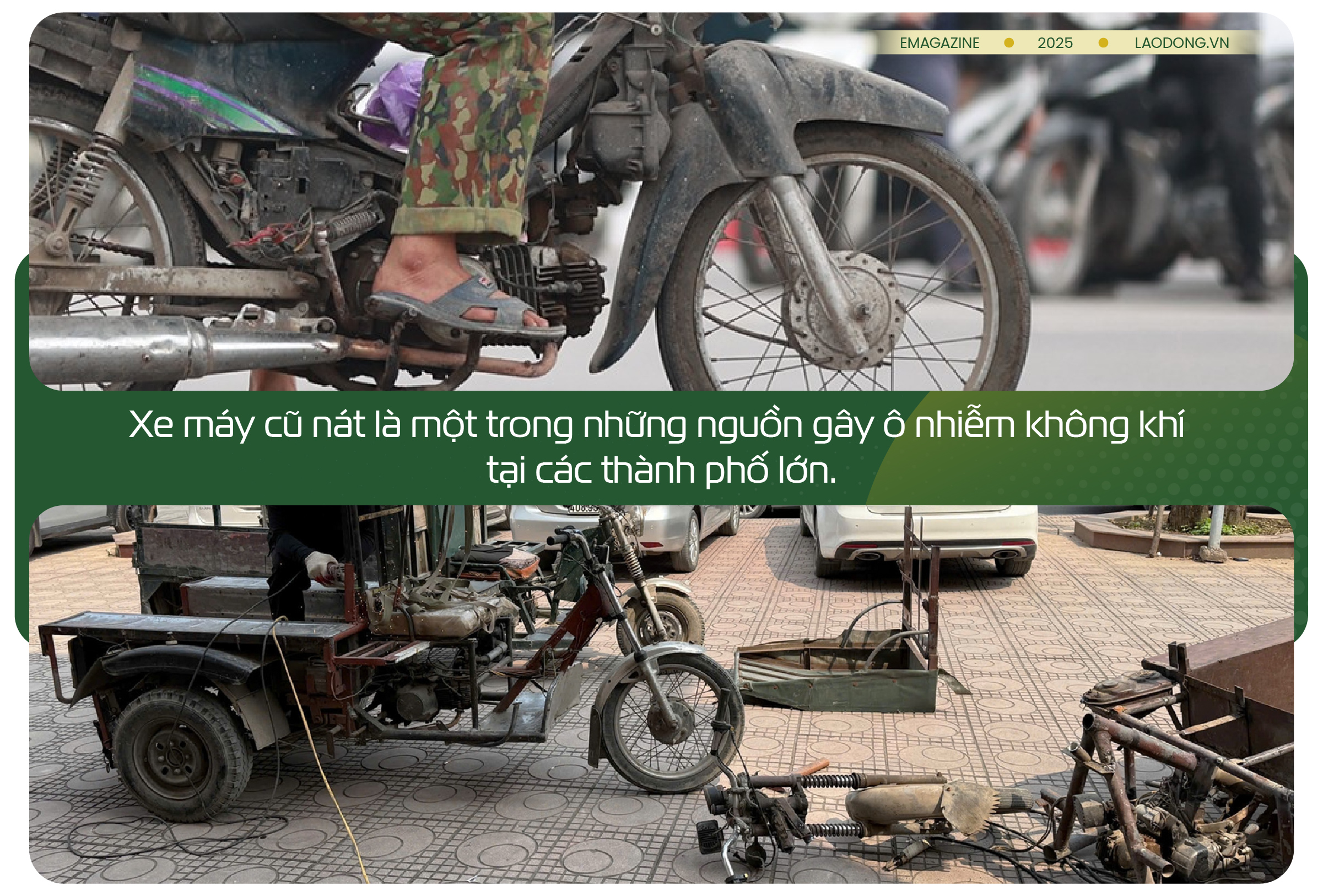
Besides quantity, the level of emissions must also be assessed. New vehicles have low emissions, but in reality, Hanoi still has many old, outdated vehicles – especially cargo vehicles and small-scale trading vehicles… These vehicles are often not well maintained, causing heavy pollution. Measures are needed to control, screen, and gradually replace them.
The city needs to immediately develop a specific action plan from now until July 2026. There are only 12 months left – time is running out. Without a concrete plan outlining specific timelines and tasks, we will easily fall into a reactive situation. The reorganization of the implementation apparatus, between the city and local governments, must also be carried out simultaneously.
Besides the technical roadmap, Hanoi must also implement social welfare and livelihood support policies. Without humane and practical policies, the people will not agree, and the policies will be difficult to succeed. Prohibiting is easy, but implementation must be done in a way that the people understand, trust, and support.
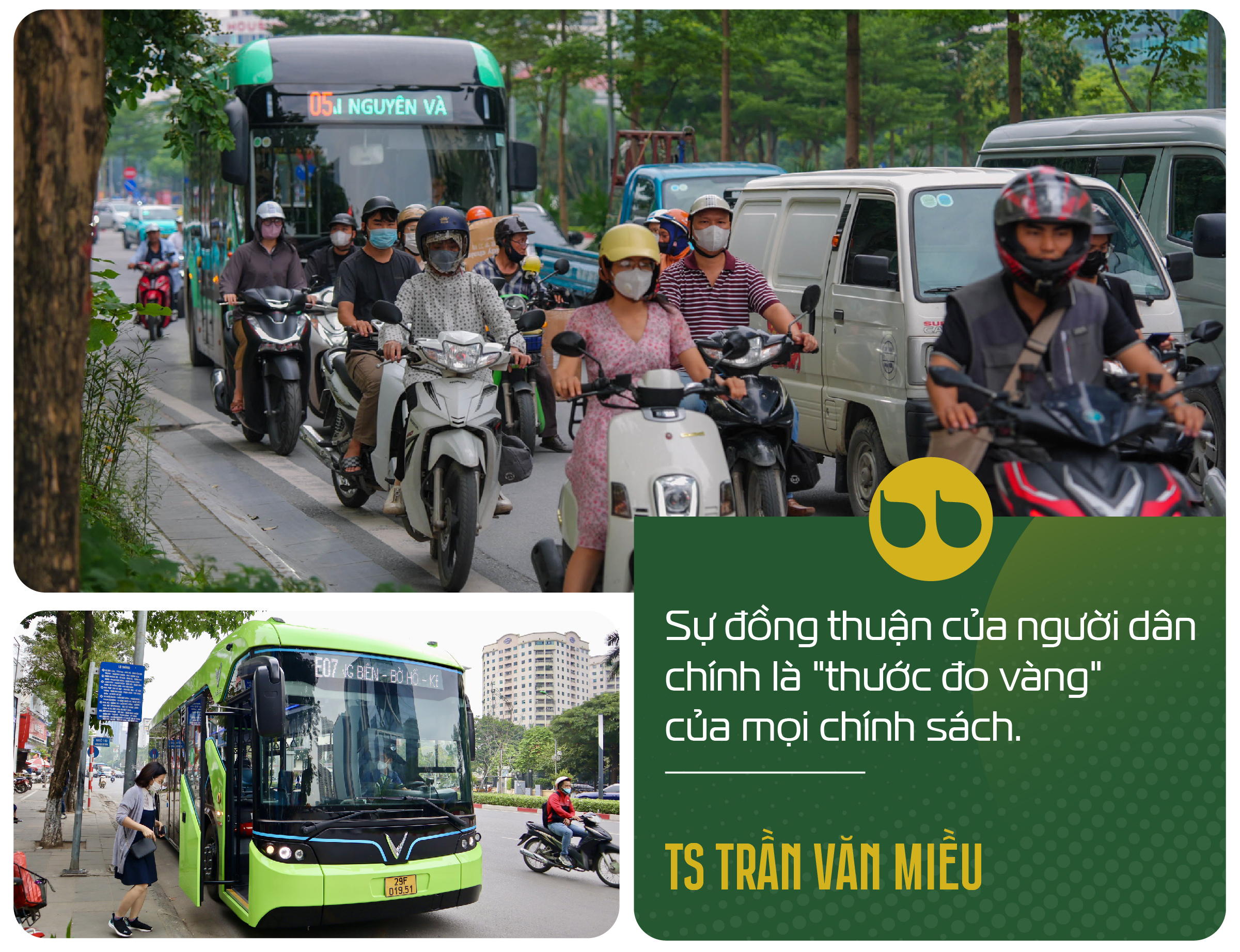
"I've always said: the consensus of the people is the 'gold standard' for any policy. To achieve that consensus, we must first do a good job of publicizing and disseminating information. We must make people understand clearly that this is not just the government's responsibility, but the responsibility of each and every citizen, and it is in their own best interest," Mr. Mieu emphasized.

Looking back over the past decade, Hanoi has continuously strived and demonstrated strong determination in addressing traffic congestion and environmental pollution, aiming for the grand goal of limiting, and ultimately eliminating, gasoline-powered motorcycles in inner-city areas by 2030.
Ten years ago, at its 14th session (early December 2015), the Hanoi City People's Council, 14th term, approved a program to reduce traffic congestion and ensure traffic safety in the city for the period 2016-2020. A key objective of this program was to limit the increase in private vehicles, especially motorcycles, thereby reducing air and environmental pollution and alleviating traffic congestion.
On December 28, 2015, at a government online conference with localities, the Chairman of the Hanoi People's Committee proposed that the government coordinate with ministries and agencies to develop a roadmap to restrict private vehicles, including motorcycles. At that time, Hanoi was registering between 18,000 and 22,000 new motorcycles and 6,000 and 8,000 new cars each month. By 2020, Hanoi was expected to have nearly 1 million cars and 7 million motorcycles.
Therefore, if timely solutions are not implemented, such as restricting the use of motorbikes and developing public transportation, traffic congestion will only worsen.
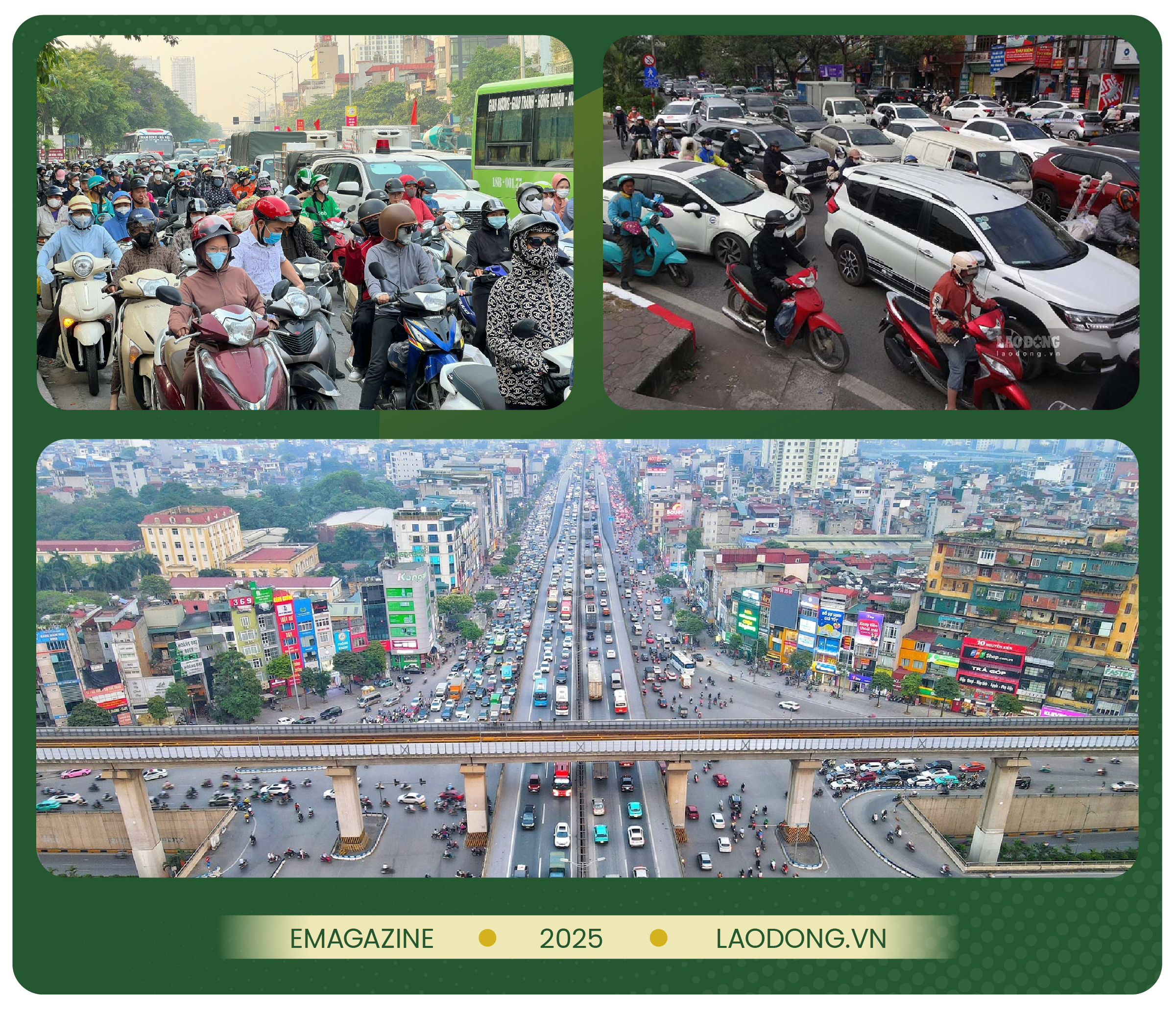
By mid-2016, the Hanoi City Party Committee released a draft urban modernization program with a roadmap to restrict motorbikes, aiming to completely ban them by 2025. However, some argued that Hanoi could not ban motorbikes at that time due to the underdeveloped public transportation system.
On July 4, 2017, the Hanoi People's Council passed Resolution 04 on the "Enhancing Traffic Management to Reduce Congestion and Environmental Pollution in the Period 2017-2020, with a Vision to 2030" project. Among the objectives that sparked much debate was the plan to phase out motorbikes in inner-city districts by 2030. At that time, Hanoi had over 5 million motorbikes in circulation, making them the primary mode of transportation for its residents.
However, the implementation of the Resolution has faced many difficulties and obstacles. In August 2024, in its report on the Resolution on socio-economic development for the 5-year period 2021-2025, the Hanoi Department of Transport (now the Hanoi Department of Construction) acknowledged that the plan to restrict motorcycles had not been completed on schedule. The reason given was that the content was difficult and sensitive, requiring thorough research to ensure it would not significantly affect people's lives. The Department also committed to continuing to review and refine the plan before proposing appropriate solutions.
It wasn't until June 9, 2025, at a meeting with the Vietnam Motorcycle Manufacturers Association, that Hanoi City Chairman Tran Sy Thanh affirmed Hanoi's commitment to the policy approved by the City Council in 2017 regarding the management of personal vehicles to reduce traffic congestion and environmental pollution. Hanoi will maintain its roadmap to restrict motorcycles in central core areas by 2030, while gradually transitioning from gasoline-powered motorcycles to electric motorcycles.
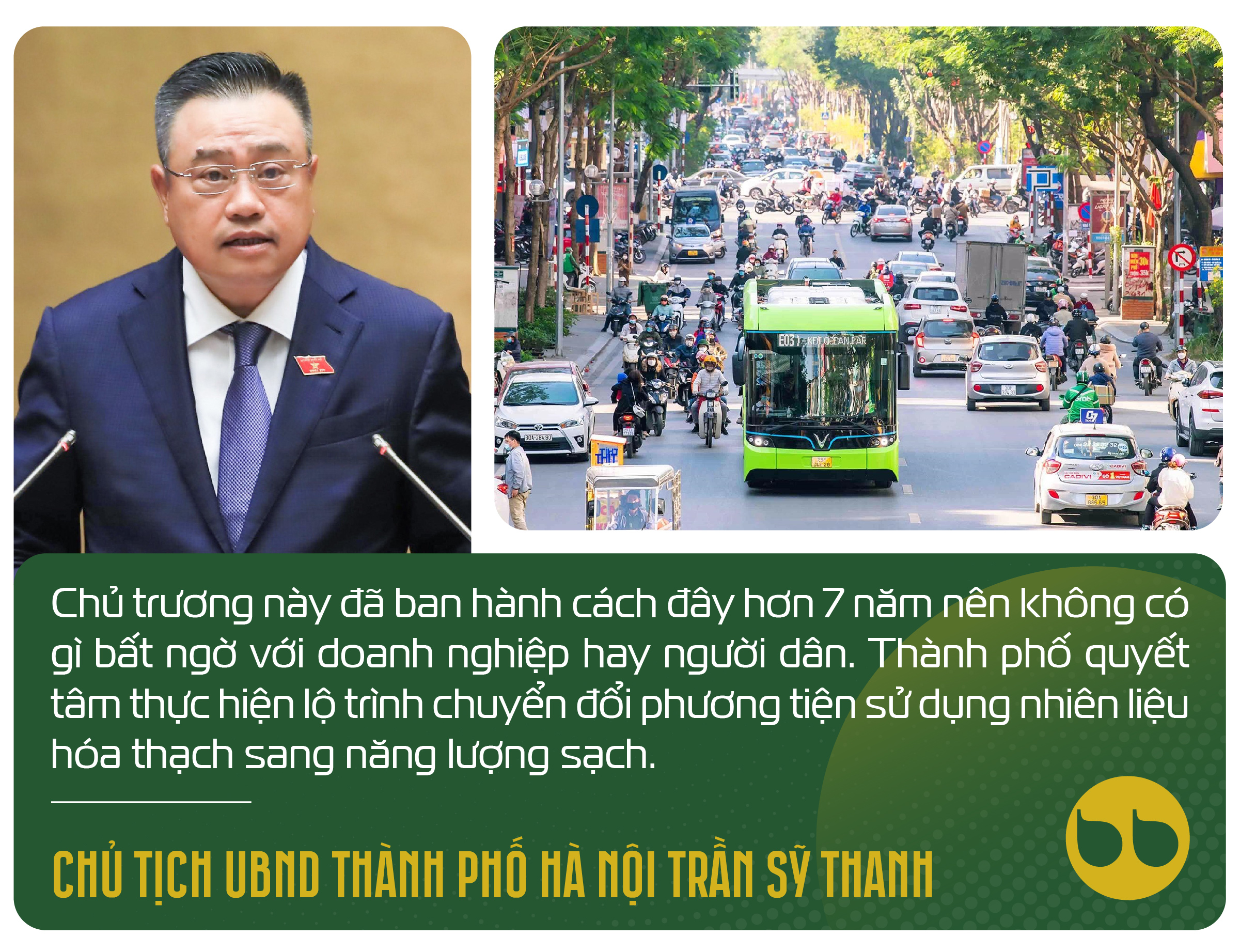
Particularly with the issuance of Prime Minister's Directive No. 20, which sets a roadmap for Hanoi to eliminate fossil fuel-powered motorcycles and scooters from the inner city's Ring Road by July 1, 2026, this has created a "boost" for the city to realize its 10-year journey towards eliminating gasoline-powered motorcycles in the inner city.
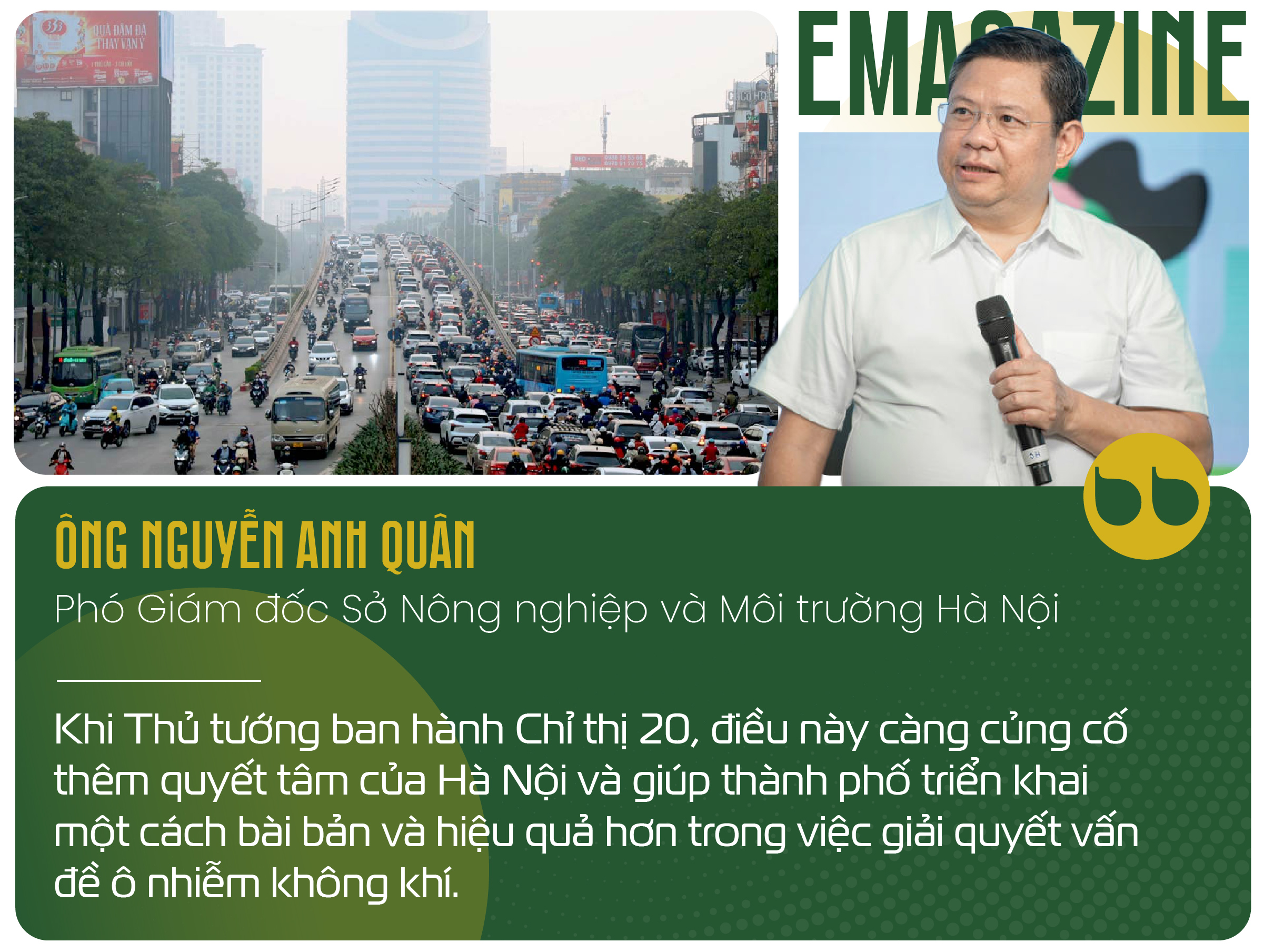
Mr. Nguyen Anh Quan, Deputy Director of the Hanoi Department of Agriculture and Environment, stated that the Prime Minister's Directive 20 is urgent, especially in the context of recent advancements in air pollution monitoring systems and assessment tools, incorporating modern scientific and technical methods, information technology, and artificial intelligence. These technologies are regularly and accurately updated for each area, allowing for detailed pollution assessments.
According to Mr. Quan, results from these systems show that air pollution in Hanoi caused by vehicles using fossil fuels accounts for over 50%.
The Deputy Director of the Hanoi Department of Agriculture and Environment also emphasized the comprehensive nature of Directive 20, noting that the Prime Minister not only addressed environmental pollution in general but also called for solid waste management in urban areas and pollution control in river basins. "Directive 20 has outlined specific policies and solutions to address environmental pollution, with the ultimate goal of providing clean air for the people," Mr. Quan affirmed.
Mr. Hoang Van Thuc, Director of the Department of Environment, Ministry of Agriculture and Environment, also commented that the directives in Prime Minister's Directive 20 are comprehensive and holistic, focusing on many aspects.
The directive outlines a very specific set of solutions and tasks to address environmental pollution in general, including air pollution in some major cities, wastewater in river basins, and solid waste management in urban and rural areas. The directive also proposes many supplementary solutions, along with overall mechanisms and policies, to achieve the goal of minimizing environmental pollution and ensuring a peaceful life for the people.
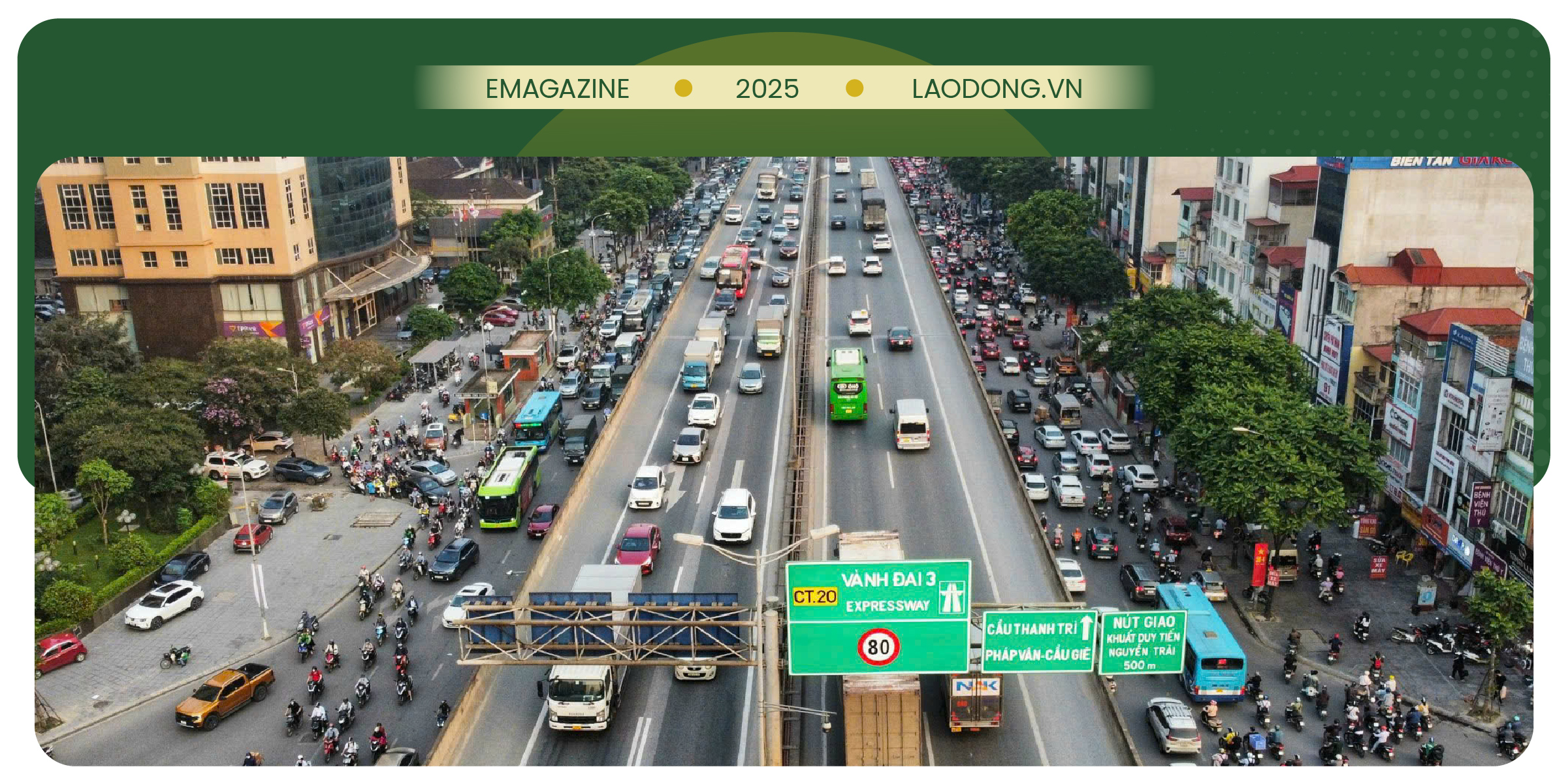
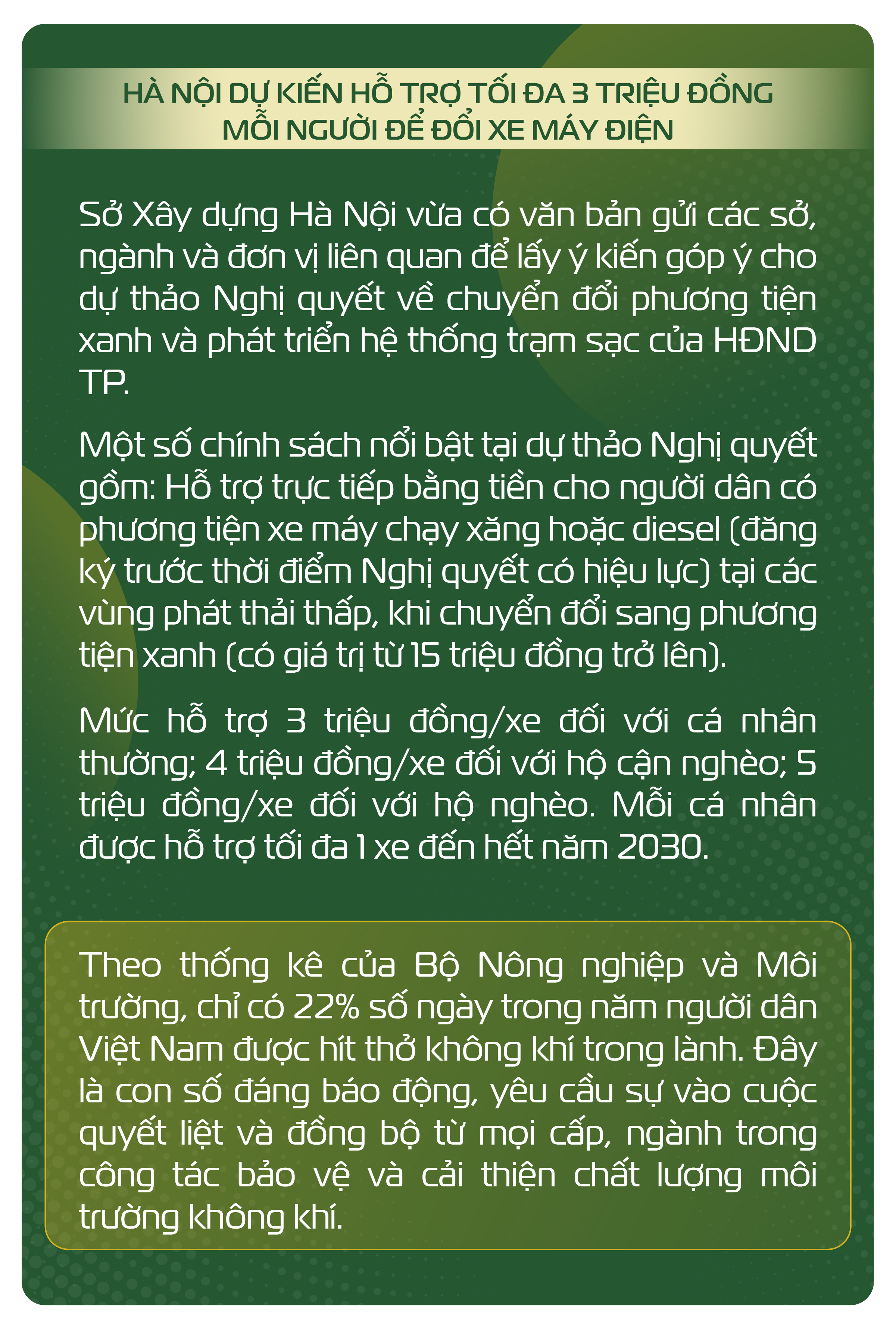
Laodong.vn
Source: https://laodong.vn/emagazine/gan-1-thap-ky-ha-noi-tien-toi-khong-con-xe-may-xang-o-noi-do-1541624.ldo


![[Photo] Closing Ceremony of the 10th Session of the 15th National Assembly](/_next/image?url=https%3A%2F%2Fvphoto.vietnam.vn%2Fthumb%2F1200x675%2Fvietnam%2Fresource%2FIMAGE%2F2025%2F12%2F11%2F1765448959967_image-1437-jpg.webp&w=3840&q=75)




































![[OFFICIAL] MISA GROUP ANNOUNCES ITS PIONEERING BRAND POSITIONING IN BUILDING AGENTIC AI FOR BUSINESSES, HOUSEHOLDS, AND THE GOVERNMENT](https://vphoto.vietnam.vn/thumb/402x226/vietnam/resource/IMAGE/2025/12/11/1765444754256_agentic-ai_postfb-scaled.png)










































Comment (0)