

Faced with this challenge, functional sectors, businesses and associations are urgently looking for ways to adapt; at the same time, turning difficulties into opportunities to improve the quality of the supply chain.
Big challenge, big opportunity
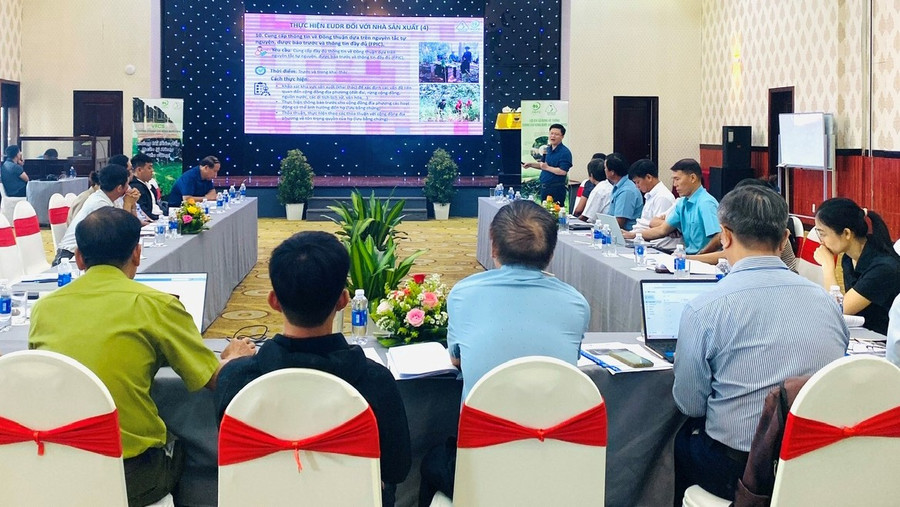
According to EUDR, wood, coffee, and rubber products exploited or harvested after June 29, 2023, and imported into the European Union (EU) after December 31, 2025 (for large and medium-sized enterprises) or after June 30, 2026 (for small and micro enterprises) must meet traceability requirements.
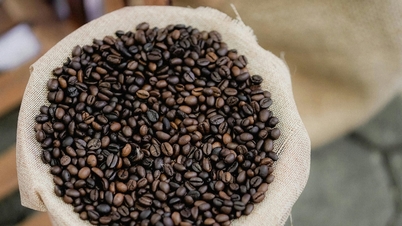
Gia Lai has about 100 thousand hectares of coffee and 102 thousand hectares of rubber, so the EUDR's traceability requirements are creating great pressure.
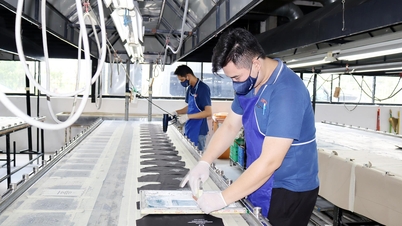
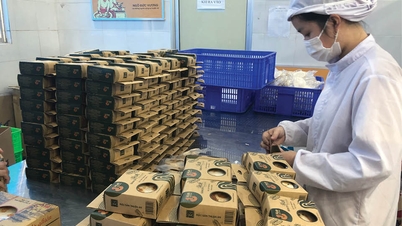
The eastern part of the province has about 350 enterprises and forest product processing facilities; EUDR is forcing these to adjust their production processes, otherwise they will face the risk of losing a market with high export value.
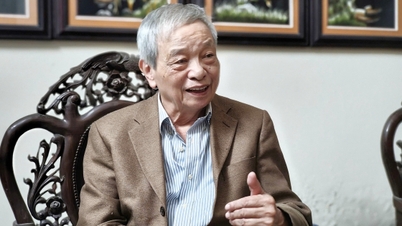
Mr. Cao Xuan Thanh - Chief of Office of Vietnam Timber and Forest Products Association (VIFOREST) commented: EUDR is a matter of survival for Vietnam's wood industry. Currently, businesses are facing many difficulties because of small-scale forest plantation households, maps that have not been fully digitized or difficulty proving coordinates for imported wood for pellet production.
“We really need detailed guidance and training from government agencies as well as international organizations,” Mr. Thanh shared.
Creating great challenges, EUDR also opens up opportunities to restructure the supply chain in a sustainable direction, enhancing the reputation and value of Vietnamese goods. Some international organizations such as the EU, the German International Cooperation Organization (GIZ), and the Sustainable Trade Initiative (IDH) are supporting localities to digitize data on growing areas and pilot traceability models.
Mr. Cyril Loisel, representative of the European Union Delegation to Vietnam, affirmed: The EU will continue to closely coordinate with ministries and branches, especially the Department of Forestry and Forest Protection, to support Vietnam in meeting the conditions of the EUDR.
EU projects in the coffee, cocoa, etc. sectors are focusing on developing traceability tools and strengthening the capacity of businesses. “Many businesses in the supply chain have participated in testing traceability tools to ensure they are ready when the EUDR is implemented,” said Mr. Loisel.
GIZ representative, Mr. Oemar Idoe informed that this organization is implementing many projects to support Vietnam in the fields of environment, agriculture and climate change, including a program dedicated to EUDR.
“Our dual goal is to support Vietnam in complying with EU regulations while maintaining socio-economic development for local communities,” affirmed Mr. Oemar Idoe.
Proactively adapt and increase integration capacity
In Gia Lai, many enterprises have quickly converted to meet the requirements of EUDR. Vinh Hiep Company Limited (An Phu Ward) exports about 160 thousand tons of coffee each year and has proactively cooperated with many international organizations to promote sustainable farming, reduce emissions and protect the ecosystem.
On September 15, 2025, Chu Se-Kampong Thom Rubber Joint Stock Company (Chu Se commune) became the first enterprise in the world to achieve PEFC EUDR DDS certification, ensuring that wood and wood products are harvested from legally managed forests, without deforestation, and are environmentally friendly.
In September 2025, the Gia Lai Provincial People's Committee issued a decision to implement an EUDR adaptation plan. The plan emphasizes the construction of a unified database from the provincial to communal levels, promoting propaganda to people and businesses, developing a tracing system with coordinates for each land plot, supporting sustainable livelihoods in risky areas and utilizing international resources.

The province is also reviewing all raw wood growing areas, aiming to have 100% of the forest area planted for export have transparent data, traceable to each household by 2026. At the same time, it is strengthening control over wood imports to avoid risks of association.
The Department of Agriculture and Environment coordinates with localities to guide people in attaching land plot identification codes and updating data to the centralized system.
Gia Lai Timber and Forest Products Association coordinates to open training courses on EUDR, instructing forest owners and enterprises to build planting area profiles, manage risks and digitize maps for enterprises and cooperatives.
At the national level, Vietnam has an advantage when it is classified by the European Commission (EC) as a “low risk” country from May 2025. Thanks to that, coffee, rubber and wood products exported to the EU only have to apply simple appraisal procedures, with a compliance inspection rate of 1%.
However, to overcome EUDR barriers, enterprises must proactively standardize growing area data, upgrade traceability systems and closely coordinate with management agencies.
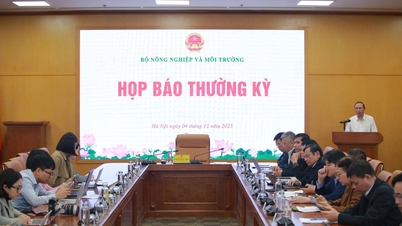
Mr. Nguyen Do Anh Tuan - Director of the Department of International Cooperation (Ministry of Agriculture and Environment) commented: EUDR is like "IUU on land", the important thing is that all parties understand the regulations correctly and fully prepare everything necessary.
In June 2025, the Ministry of Agriculture and Environment issued Circular No. 26/2025/TT-BNNMT, requiring forest owners to provide geographical coordinates in the forest product declaration - this is a key factor to ensure traceability according to EUDR standards.
Mr. Truong Tat Do, representative of the Department of Forestry and Forest Protection, said: The Department is reviewing, standardizing data and building a national forestry data platform so that businesses and people can look it up themselves.
Source: https://baogialai.com.vn/gia-lai-chu-dong-tim-huong-thich-ung-voi-eudr-post573901.html
![[Photo] Cat Ba - Green island paradise](/_next/image?url=https%3A%2F%2Fvphoto.vietnam.vn%2Fthumb%2F1200x675%2Fvietnam%2Fresource%2FIMAGE%2F2025%2F12%2F04%2F1764821844074_ndo_br_1-dcbthienduongxanh638-jpg.webp&w=3840&q=75)








































![[VIMC 40 days of lightning speed] Da Nang Port: Unity - Lightning speed - Breakthrough to the finish line](https://vphoto.vietnam.vn/thumb/402x226/vietnam/resource/IMAGE/2025/12/04/1764833540882_cdn_4-12-25.jpeg)
































Comment (0)