

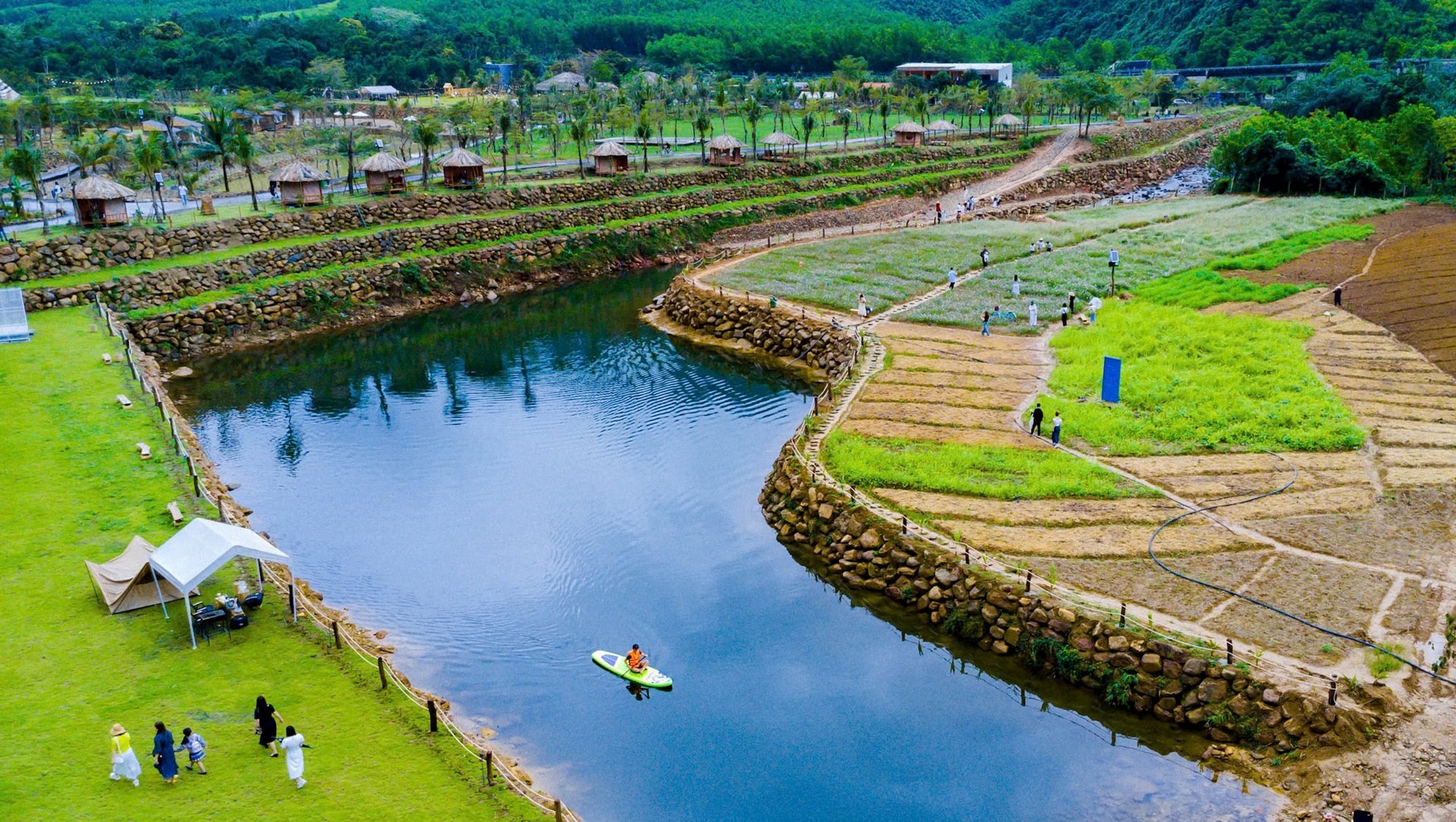
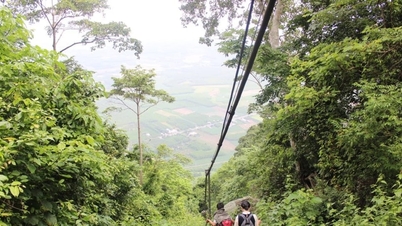
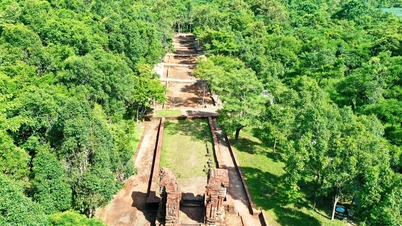
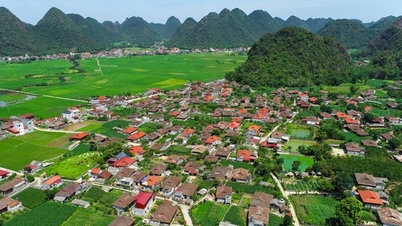
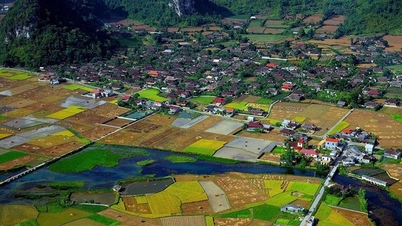
Blessed with lush green landscapes and crystal-clear waters, the new city of Da Nang is not only famous for My Khe Beach, Hoi An Ancient Town, or My Son Sanctuary, but also possesses immense potential from its peaceful countryside and unique mountain villages, where pristine beauty and distinctive traditional cultural values remain intact. This is the time for the city to boldly transform itself, exploiting and developing its rural and mountainous tourism potential even more strongly.
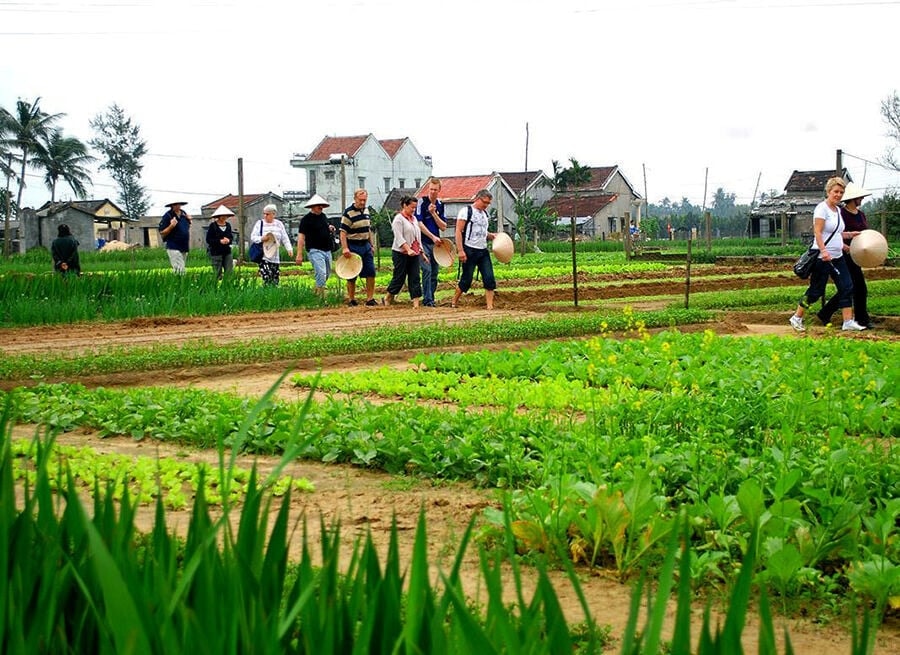
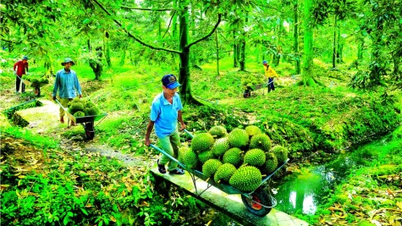
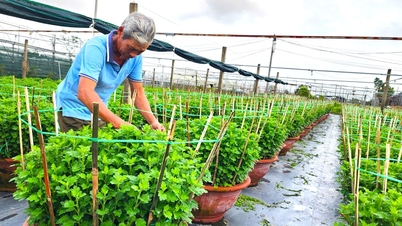
Before the merger, areas such as Tra Que vegetable village (Hoi An), An Tan, Duy Vinh (Duy Xuyen), Tam Thanh (Tam Ky), along with craft villages like Thanh Ha pottery village, Kim Bong carpentry village, Cam Thanh seven-acre coconut forest… gradually formed community tourism models, bringing stable income to the people.
Meanwhile, Da Nang also has rural areas with great potential such as Hoa Bac, Hoa Phu, and Hoa Lien (formerly Hoa Vang district), which boast beautiful natural scenery, fertile fields, and the distinctive cultural identity of the Co Tu people.
The merger further opens up opportunities to connect rural tourism spaces between the two localities. "A day as a farmer" and "planting vegetables, catching fish, and cooking traditional dishes with the locals" experiences will no longer be limited to Hoi An but can expand to the highlands of Hoa Bac or neighboring communes like Dai Loc, where the Vu Gia River flows, bringing with it both poetic charm and ecotourism potential.
In fact, before the merger, Quang Nam had a large ethnic minority population living in the western mountainous areas such as Nam Giang, Tay Giang, Dong Giang, Phuoc Son, and Tra My districts, including ethnic groups like the Co Tu, Gie-Trieng, and Bh'noong.
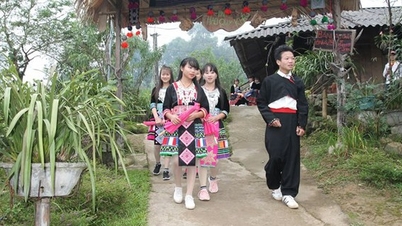
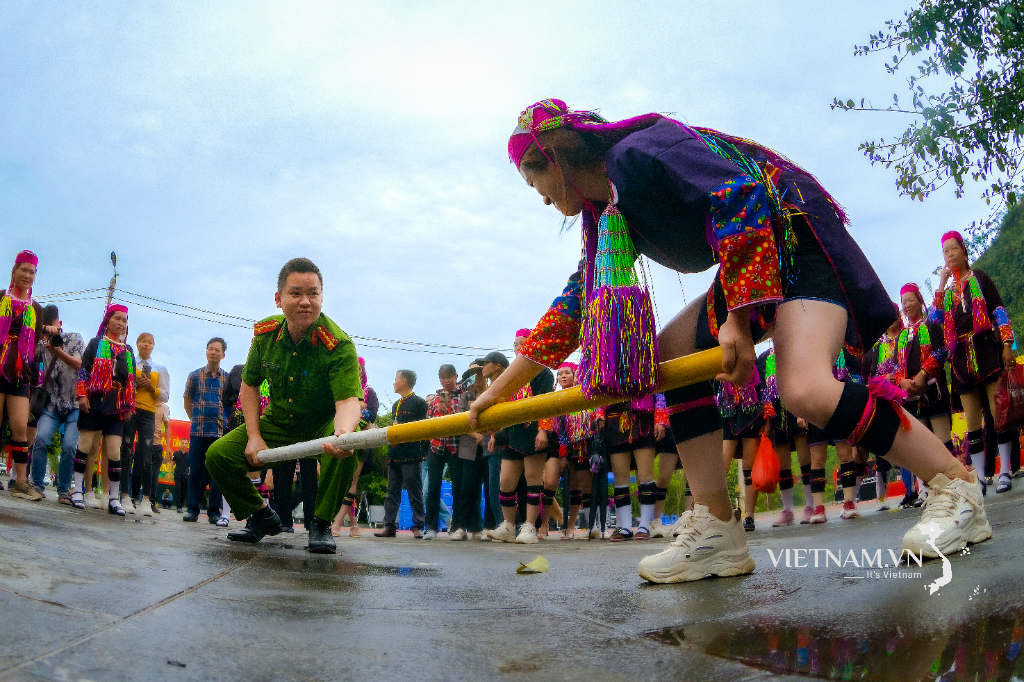
Meanwhile, Da Nang also has the Co Tu ethnic group living in Hoa Phu and Hoa Bac communes. Villages such as Bhalee, A Nor, Zo Ra, Ta Lang... still preserve the Gươl house, traditional clothing, language, and original festivals.
With the right and diversified strategy, the new Da Nang city center, with its advantages in infrastructure, communication, and transportation connections, can absolutely become a "transit hub" bringing tourists from the coastal city to the pristine villages of Dong Giang, Tay Giang, Tra My, and the picturesque reservoir in Phu Ninh within just a few hours.
Tours such as "trekking through the forest, sleeping in villages, listening to gong music, learning to weave brocade" or floating on boats on the vast lake will be unique tourism products, contributing to diversifying services and extending the length of stay for tourists.
One requirement for developing tourism in mountainous and rural areas is to preserve the authenticity of local culture. To achieve this, Da Nang needs to establish a mechanism for close coordination between the government, businesses, and local communities.
In particular, tourism products in each rural area and village now go directly to communes and wards, bypassing intermediaries at the district level.
In addition to professional tourism staff, local people need to be trained in hospitality skills, and local guides must know how to "tell stories of their homeland" in the language of integration, and must be sincere, open, and friendly...
Meanwhile, investors need to adhere to the principles of preserving the landscape and traditional architecture when developing homestays, farmstays, or eco-lodges to allow tourists to experience the unique characteristics of the countryside and villages.
A crucial factor for the strong development of rural and village tourism is that it cannot thrive if developed in isolation. Especially in the context of the widespread adoption of digital technology in all aspects of social life, communication has become faster and more convenient. The formation of interconnected tourism clusters linking beaches, cities, the countryside, and mountainous areas will create a complete travel experience.
Visitors to Da Nang can not only relax on the beach but also visit Hoi An, go boating in Tra Nhieu, float along Phu Ninh Lake to admire the mountains and forests, participate in the buffalo eating festival in Tay Giang, or sleep on the stilts of a Gươl house in Hoa Bac…
In addition, systematic media investment is needed: promotion on digital platforms, interactive tourism map applications, documentary films, and experience-based music videos featuring KOLs and travel bloggers both domestically and internationally. Once the product is ready but doesn't reach tourists, the opportunity remains only on paper.
The consolidation facilitates the unleashing of potential and synergy for socio-economic development, particularly in exploiting the strengths of tourism. Rural and mountainous tourism, in particular, is a "rough gem" waiting to be powerfully awakened. Developing tourism is not only about enriching the locality but also about preserving culture, improving people's lives, and spreading the unique values of this region to friends both domestically and internationally.
To achieve this, Da Nang needs to prioritize the development of tourism that is distinctive, sustainable, and community-oriented. This is the key to going far in the post-merger era and the age of green and experiential economy.
Source: https://baodanang.vn/khai-thac-tiem-nang-du-lich-dong-que-mien-nui-3265126.html





































































Comment (0)