

What is AI doing in newsrooms?
AI is now deeply involved in the journalistic process, from news gathering and data analysis to draft, multimedia content production, and personalized distribution and reader interaction. For example, tools like ONECMS in Vietnam can automatically scan, categorize, and synthesize news from hundreds of sources – something reporters cannot do manually in a short amount of time.
Globally, major news outlets like AP and the Washington Post are using AI systems to write thousands of financial, sports , and weather reports. Some Vietnamese newsrooms are also experimenting with AI-assisted writing models to save time and manpower.
Regarding fact-checking and combating fake news, AI tools like ClaimBuster and Full Fact can also scan speech, search databases, and suggest warnings about misinformation in real time.
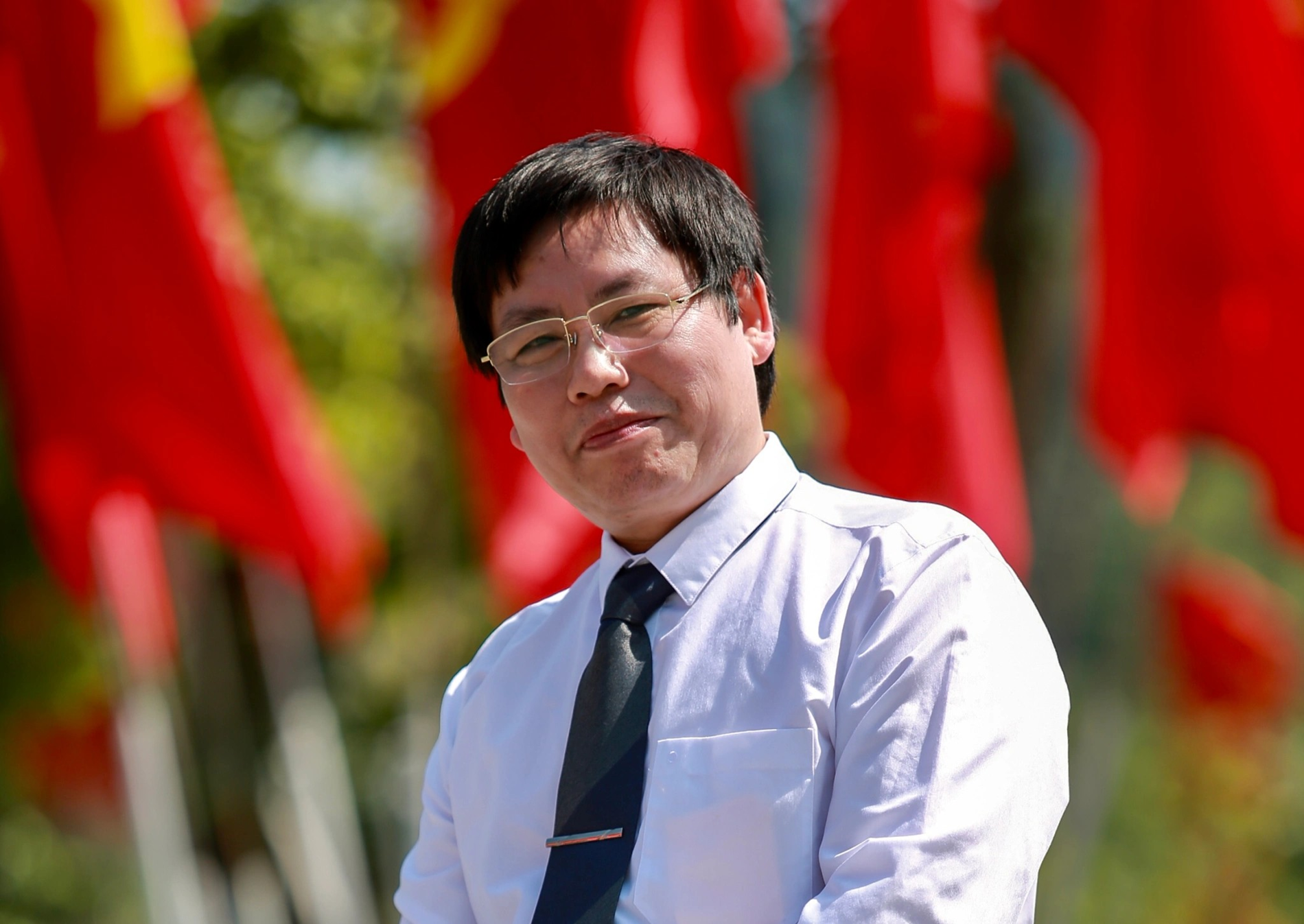
Sharing his thoughts on the role of AI in newsrooms, journalist Dinh Ngoc Son – former Deputy Head of the Broadcasting and Television Department, Academy of Journalism and Communication – said that previously, journalists mainly focused on gathering information, writing articles, and editing. However, with the support of AI, processes such as data aggregation, trend analysis, and even writing basic news articles have been automated.
Meanwhile, at a press event held on May 2nd in Thailand, Joseph Hincks – a communications expert at UNESCO Bangkok – commented that generative AI “ is reshaping journalism in ways few could have imagined a few years ago.”
However, using AI also comes with risks of misinformation due to the "illusion" of technology; the risk of losing individual identity and empathy – things that only humans acquire through life experiences; and a lack of skills to cope with the dark side of AI.
Media training expert Mike Raomanachai – Vice President of the Asian American Journalists Association in Southeast Asia – emphasized the need for journalistic education as AI generation becomes more prevalent in newsrooms. He pointed out that many Thai journalists use AI without fully understanding its limitations or ethical implications.
AI helps journalists focus on core values.
One thing must be stated clearly: AI does not and will never replace journalists. “AI cannot be curious, cannot judge, cannot have empathy or surprise, cannot have a sense of humor, it has no heart. It has no real intelligence, it doesn’t know what is right,” commented Professor Charlie Beckett, Director of the JournalismAI project at the London School of Economics .

Experts agree that AI cannot replace journalists, especially those who do investigative journalism, in-depth commentary, tell compelling stories, or connect with communities.
However, the role of journalists in the AI era will certainly change. According to Mr. Dinh Ngoc Son, as technology and AI automate some stages in the production of journalistic works, journalists can focus more on the core values of the profession: insightful storytelling, analyzing complex issues, and building trust with the public.
"The role of journalists now leans towards shaping public opinion, offering humanistic perspectives, and monitoring society – areas that AI can hardly replace completely because they require human empathy and creative thinking," the former Deputy Head of the Broadcasting and Television Department stated.
Mr. Dinh Ngoc Son advised young journalists to focus on honing their critical thinking skills by asking insightful questions about the data sources used by AI and verifying the accuracy and objectivity of the results. He also encouraged participation in practical activities such as writing feature articles, conducting live interviews, or participating in writing competitions. These activities help cultivate inspiration and a unique style.
In terms of professional ethics, it is necessary to build a personal "guideline" based on journalistic principles such as honesty, transparency, and respect for privacy, while always prioritizing the public interest when using AI.

Source: https://vietnamnet.vn/khong-co-trai-tim-ai-gioi-den-may-cung-khong-the-thay-the-nha-bao-2413472.html


![[Photo] Closing Ceremony of the 10th Session of the 15th National Assembly](/_next/image?url=https%3A%2F%2Fvphoto.vietnam.vn%2Fthumb%2F1200x675%2Fvietnam%2Fresource%2FIMAGE%2F2025%2F12%2F11%2F1765448959967_image-1437-jpg.webp&w=3840&q=75)












































![[OFFICIAL] MISA GROUP ANNOUNCES ITS PIONEERING BRAND POSITIONING IN BUILDING AGENTIC AI FOR BUSINESSES, HOUSEHOLDS, AND THE GOVERNMENT](https://vphoto.vietnam.vn/thumb/402x226/vietnam/resource/IMAGE/2025/12/11/1765444754256_agentic-ai_postfb-scaled.png)














































Comment (0)