


Under the correct, wise, and timely leadership of the Party and the State, with the unity and support of the entire people and the efforts of the business community, our country has achieved important accomplishments, creating a solid foundation for economic growth and development in 2025 and the following years.
On the occasion of the Lunar New Year of the Snake, we are honored to present a special interview with Ms. Nguyen Thi Huong, Director General of the General Statistics Office, to gain a more comprehensive and in-depth understanding of these achievements as well as the challenges and opportunities ahead.
- Madam, could the General Statistics Office provide a more detailed analysis of Vietnam's economic growth in 2024, particularly the main drivers and the contribution of each sector to this success?
Ms. Nguyen Thi Huong: In 2024, the Vietnamese economy witnessed impressive growth with a GDP growth rate of 7.09%, a figure that affirms a strong recovery after the serious impacts of the COVID-19 pandemic and the difficulties and uncertainties of the world .
Notably, this growth was achieved thanks to the balanced and positive contributions of all three economic sectors: agriculture, forestry and fisheries; industry and construction; and services.
In particular, the agriculture, forestry, and fisheries sector, despite facing negative impacts from adverse weather conditions such as heatwaves, droughts, saltwater intrusion, and the effects of Typhoon Yagi, maintained a stable growth rate of 3.27%. Specifically, the added value of the agricultural sector increased by 2.94% compared to the previous year; forestry production increased by 5.03%; and fisheries increased by 4.03%. These figures demonstrate the encouraging efforts of the agricultural sector in ensuring food security and contributing to the overall development of the country.
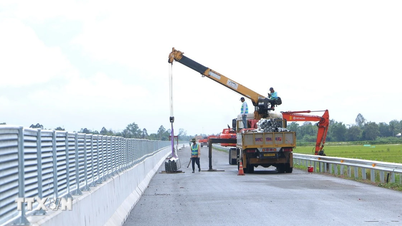
Furthermore, the industrial and construction sector experienced a breakthrough year with a growth rate of 8.24%, with manufacturing increasing by 9.83%, reaching its highest level since 2019. The recovery of major economies provided impetus for Vietnam, as consumer demand for goods, especially electronics and technology products, increased. In addition, the accelerated disbursement of public investment capital boosted construction and infrastructure development, contributing to the overall growth of this sector.
Furthermore, the service sector continued to demonstrate its role as a crucial growth driver for the economy, with a growth rate of 7.38%. Service sectors such as wholesale and retail trade, transportation and warehousing, administrative and support services, and accommodation and food services all experienced strong growth. Particularly noteworthy was the transportation sector, which accounts for over 5% of GDP, achieving a growth rate of 10.82%, primarily driven by increased freight transport. In addition, e-commerce and online shopping also developed strongly, making positive contributions to the growth of the service sector.
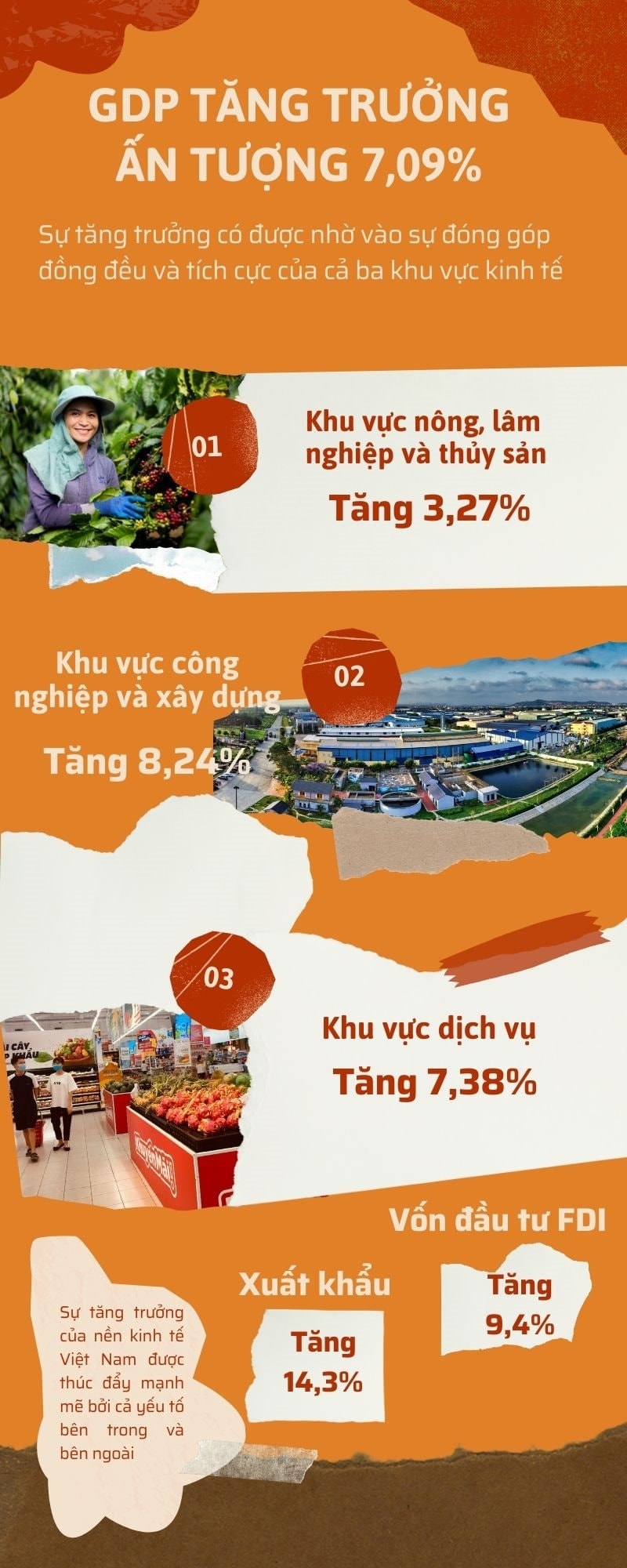
Vietnam's economic growth has been strongly driven by both internal and external factors. On the demand side, goods exports have emerged as a bright spot, recording an impressive growth rate of 14.3%. This achievement is thanks to the recovery of consumer demand and shopping in major markets such as the US, EU, and ASEAN. In addition, foreign direct investment (FDI) continues to increase, becoming a crucial driver supporting production and export development.
Realized foreign direct investment (FDI) in 2024 increased by 9.4% year-on-year, a significant jump from the 3.5% increase in 2023. This increase not only reflects the recovery of export activities but also shows that investors are increasingly optimistic and confident in the business environment in Vietnam. Domestic consumption also contributed significantly to growth, bolstered by macroeconomic policies such as VAT reductions, consumer support through fee reductions, wage reforms, and efforts by businesses to lower prices of goods and services. Domestic shopping and tourism promotions also contributed to stimulating domestic consumption, which had declined during the COVID-19 pandemic.
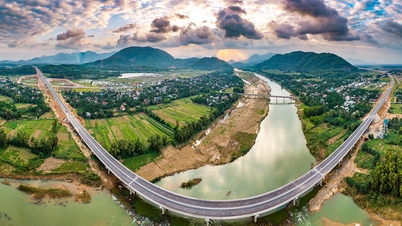
These encouraging results were achieved thanks to several favorable factors supporting the Vietnamese economy. Specifically, political and macroeconomic stability, along with the flexible application of fiscal and monetary policies, helped control inflation at a safe level, creating conditions for reducing policy interest rates and supporting production. Furthermore, the investment and business environment continued to improve due to policies supporting businesses and attracting foreign investment. Transportation and logistics infrastructure also made significant progress, reducing transportation costs and increasing the competitiveness of Vietnamese goods in the international market. In particular, the successful signing of free trade agreements (FTAs) created an important foundation, helping Vietnam's exports exceed targets and affirming Vietnam's position as an attractive destination for investment and production for foreign investors.
Anticipating and promoting the application of the digital economy and digital transformation has created breakthroughs in many fields, boosting labor productivity and expanding opportunities for businesses to access global markets.
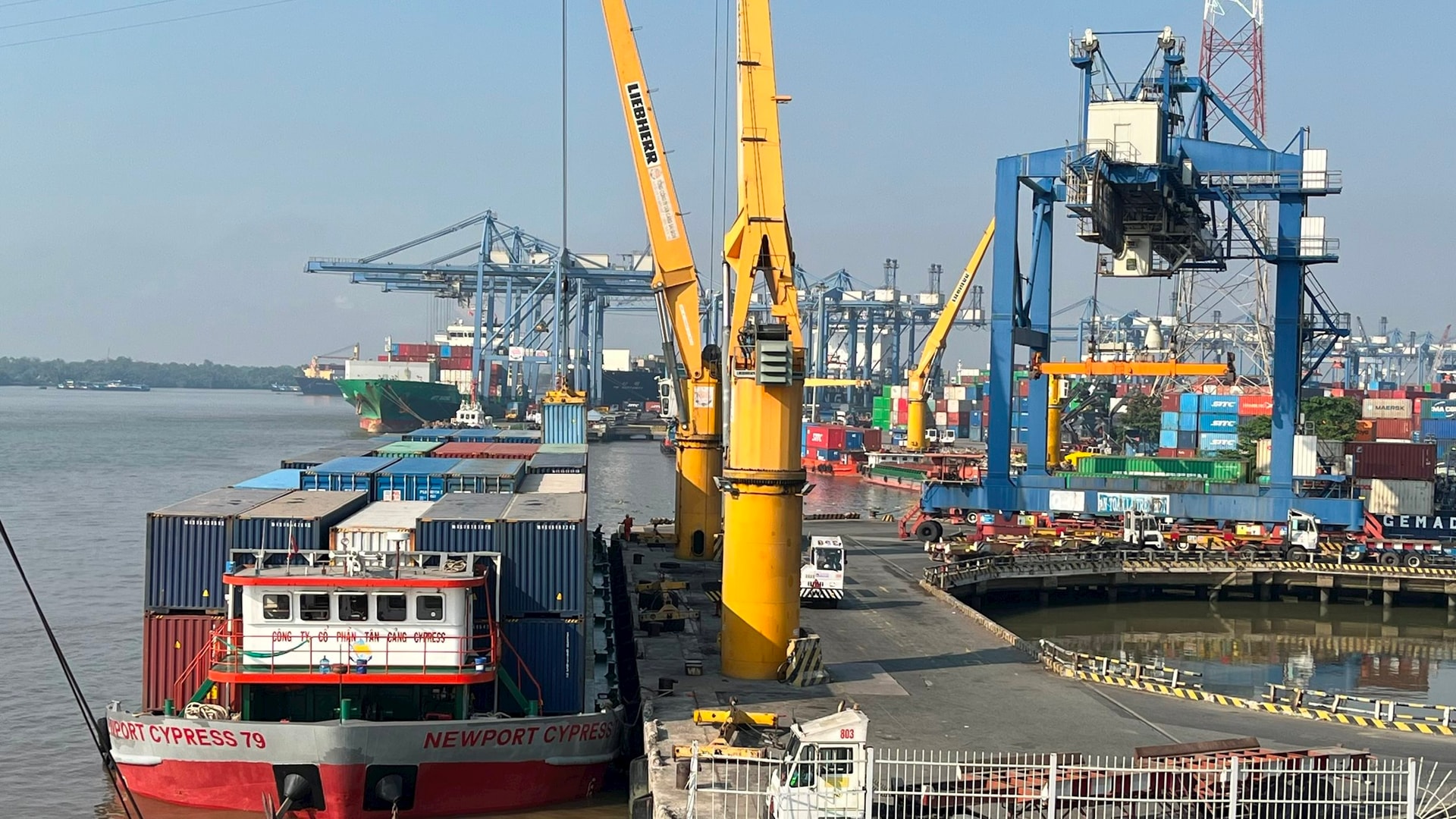 Political and macroeconomic stability, along with the flexible application of fiscal and monetary policies, has helped control inflation at a safe level, creating conditions for lowering policy interest rates and supporting production. (Photo: Vietnam+)
- Despite achieving significant successes, the Vietnamese economy still faces many challenges. Could you share specific details about the difficulties we had to overcome in 2024 and their impact on economic development?
Ms. Nguyen Thi Huong: In 2024, the Vietnamese economy not only benefited from positive factors but also faced a series of complex challenges, both external and internal. These difficulties significantly impacted economic development and demanded flexible and effective solutions.
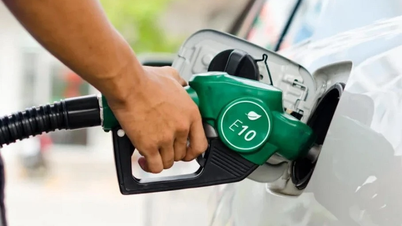
The global situation continues to be complex, with geopolitical instability such as the prolonged Russia-Ukraine conflict and tensions in the Middle East putting pressure on fuel prices and increasing input costs for many manufacturing sectors. Consequently, protectionist trends and trade competition are impacting Vietnam's access to and expansion of markets. Furthermore, natural disasters such as storms, floods, and droughts in the Central Highlands, and saltwater intrusion in the Mekong Delta have caused significant damage to infrastructure, agricultural production, and people's lives.
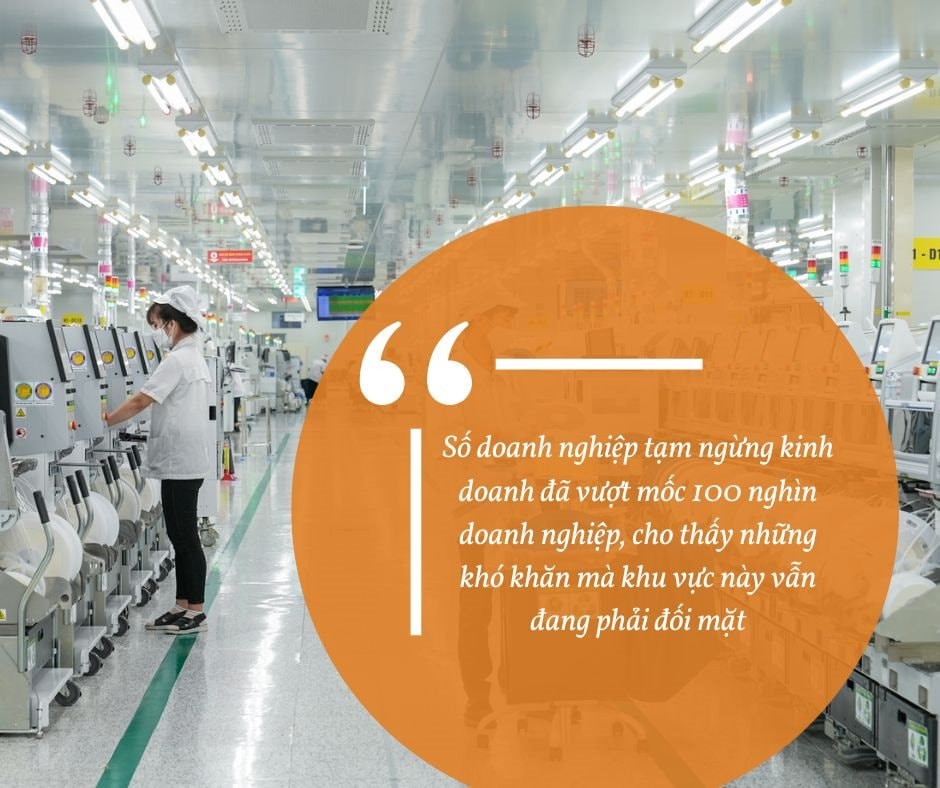
Furthermore, although interest rates have cooled down, they remain high. This makes it difficult for businesses to access capital to maintain and expand production. Tight credit policies continue to be an obstacle, causing many businesses to struggle. Reduced domestic purchasing power and demand make it difficult for businesses to sell their products, leading to downsizing of production or temporary suspension of operations.
The number of businesses temporarily suspending operations has exceeded 100,000, highlighting the difficulties the region continues to face. Key economic zones such as the Red River Delta, the Southeast region, and the two growth poles of Hanoi and Ho Chi Minh City have seen a decline in the number of newly established businesses. The impacts of these challenges include rising production costs, difficulties in accessing capital, declining purchasing power, businesses scaling back production, and risks to the economy.
- One of the highlights of Vietnam's economy in 2024 is that import and export turnover reached an all-time high. Could you elaborate on this achievement, particularly the main drivers and the contributions of different economic sectors?
Ms. Nguyen Thi Huong: In 2024, Vietnam's import and export turnover reached a record high of US$786.29 billion, an increase of 15.4% compared to 2023. This is a proud achievement, affirming Vietnam's increasingly important role in the global supply chain. This success is due to the efforts of the entire political system, the business community, and the people, and reflects the recovery of global demand and domestic production activities.
The main drivers of exports and imports include the recovery of global demand, the recovery of domestic production, and free trade agreements.
Specifically, total import and export turnover reached US$786.29 billion, of which exports were US$405.53 billion and imports were US$380.76 billion, resulting in a trade surplus of US$24.77 billion. The domestic economic sector saw a 19.8% increase in export turnover, higher than the national average. Meanwhile, the foreign direct investment (FDI) sector continued to play a leading role, accounting for 71.7% of total merchandise exports. Key export items included electronics, computers and components, telephones, machinery and equipment, textiles, footwear, wood, and agricultural products. Export turnover grew significantly in most of Vietnam's major markets, such as the United States, the EU, South Korea, and ASEAN. To further increase export turnover, we need to improve the quality of goods, diversify the forms of communication about FTA benefits, and innovate trade promotion activities.

- Madam, although exports have made remarkable progress, the business sector still faces many difficulties as the number of businesses withdrawing from the market remains high. What specific recommendations does the General Statistics Office have to support this sector in the coming period, especially manufacturing and construction businesses?
Ms. Nguyen Thi Huong: Although there are some bright spots in the import-export picture, we cannot deny the difficulties that the business sector is facing, especially the high number of businesses withdrawing from the market.
To effectively support the business operations of enterprises, the General Statistics Office conducted a survey and made several specific recommendations, focusing on processing, manufacturing, and construction enterprises.
For manufacturing businesses, management at all levels needs policies aimed at reducing lending interest rates, stabilizing raw material prices, and reforming administrative procedures. In particular, specific land lease policies and support for specific sectors such as construction materials are crucial.
For construction businesses, support is needed in terms of materials, capital, transparent bidding processes, reduced administrative procedures, guaranteed on-schedule site handover, penalties for late payments, public disclosure of projects and tender packages, facilitation of participation in small projects, and increased digitalization of procedures.
- Given the achievements in 2024 and the remaining challenges, could you share your outlook on Vietnam's economic growth in 2025 and what factors will play a key role?
Ms. Nguyen Thi Huong: 2025 is expected to be a year of continued positive developments for the Vietnamese economy. However, we also need to be extremely cautious and make every effort to take advantage of opportunities and overcome difficulties.
The short-term global situation is projected to present seven main risks that could dampen the outlook for global economic growth. These include: tighter monetary policy with a greater-than-expected impact; revaluation of financial markets due to monetary policy reassessments; increased public debt stress in emerging markets and developing economies; a deeper-than-expected contraction in the Chinese real estate sector; sharp increases in commodity prices as a consequence of climate shocks; broader regional conflicts or geopolitical tensions; increased protectionist policies by various countries; and continued social unrest. These risks could have adverse impacts on highly open economies like Vietnam.
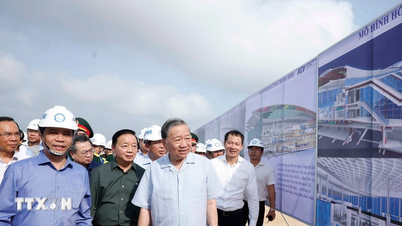
Domestically, the macroeconomic situation is stable, inflation is under control, FDI attraction continues to increase, and public investment continues to be prioritized, especially for key national projects. These factors have a ripple effect on the economy, and industrial production continues to develop.

Furthermore, the recent trend of shifting international supply chains presents significant opportunities for Vietnam. If Vietnam effectively leverages this advantage while accelerating its digital and green transformation to meet the demands of the shifting supply chains and increasingly stringent international market requirements, it could achieve a breakthrough in industrial growth in 2025 and beyond.
Furthermore, the key factors will be flexibility in response, collective determination, and innovative thinking.
- Madam, the issue of the minimum living standard for the people is always of particular concern. Could the General Statistics Office provide a more specific assessment of the minimum living standard for the population in 2024 and what factors influence this figure?
Ms. Nguyen Thi Huong: According to preliminary survey results from the General Statistics Office, the minimum living standard for Vietnamese people in 2024 is 1.8 million VND/person/month. This figure is 2.3 million VND/person/month in urban areas and 1.7 million VND/person/month in rural areas. Compared to 2023, the minimum living standard has increased by 6.7%, reflecting a positive economic recovery and an increasingly improved standard of living for the people.
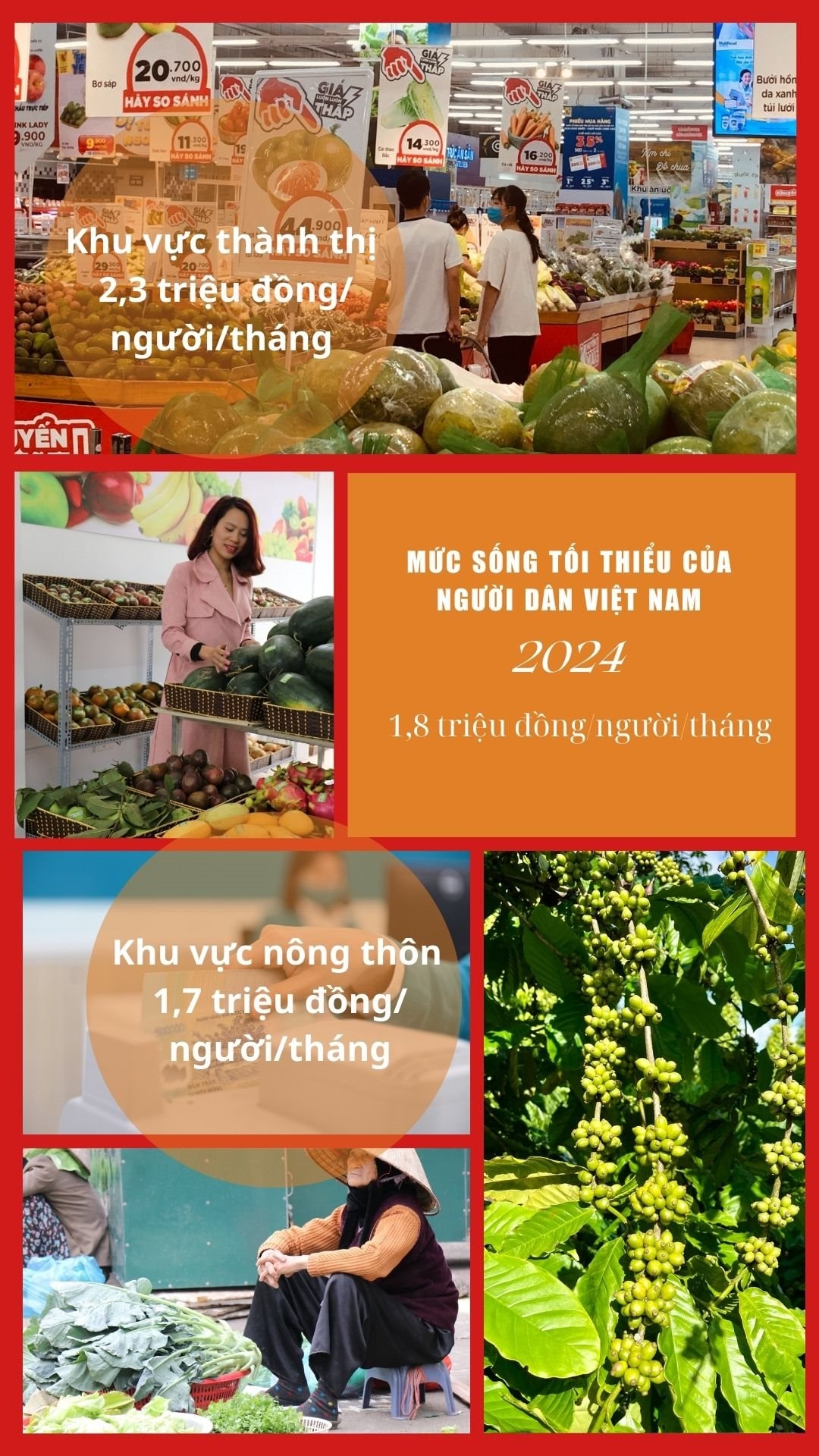
The minimum living standard is determined based on the equivalent value of food items to ensure a daily intake of 2,100 kcal per person, along with other essential items such as housing and clothing, to meet the most basic daily living needs. The kcal amount is determined and calculated from expenditure data in the population living standards survey and based on the spending on food items by the population group above the near-poverty and below the middle-income group. The calculation of the general minimum living standard is based on the minimum expenditure required for this population group (to be able to afford basic food and non-food items).
The minimum living wage is used to inform the National Wage Council, serving as a basis for negotiating and determining regional minimum wages and related policies.
Thank you, ma'am!

Vietnamlus.vn
![[Photo] Closing Ceremony of the 10th Session of the 15th National Assembly](/_next/image?url=https%3A%2F%2Fvphoto.vietnam.vn%2Fthumb%2F1200x675%2Fvietnam%2Fresource%2FIMAGE%2F2025%2F12%2F11%2F1765448959967_image-1437-jpg.webp&w=3840&q=75)

![[Photo] Prime Minister Pham Minh Chinh holds a phone call with the CEO of Russia's Rosatom Corporation.](/_next/image?url=https%3A%2F%2Fvphoto.vietnam.vn%2Fthumb%2F1200x675%2Fvietnam%2Fresource%2FIMAGE%2F2025%2F12%2F11%2F1765464552365_dsc-5295-jpg.webp&w=3840&q=75)










































![[OFFICIAL] MISA GROUP ANNOUNCES ITS PIONEERING BRAND POSITIONING IN BUILDING AGENTIC AI FOR BUSINESSES, HOUSEHOLDS, AND THE GOVERNMENT](https://vphoto.vietnam.vn/thumb/402x226/vietnam/resource/IMAGE/2025/12/11/1765444754256_agentic-ai_postfb-scaled.png)






























Comment (0)