

Foresight
Faced with the rapid changes in the world situation in the 1930s, especially the emergence of fascism and the threat of World War II between major powers, Ho Chi Minh foresaw the impact on the Vietnamese revolution. Therefore, he submitted a report to the Communist International outlining his views and requested permission to return to Vietnam to directly lead the revolution. When Nazi Germany occupied France, he believed: "The loss of France is a very favorable opportunity for the Vietnamese revolution. We must find every way to return to the country immediately to seize this opportunity." Thus, after many years of wandering, in January 1941, he returned to Cao Bang, establishing Pac Bo cave as his headquarters to lead the revolution.
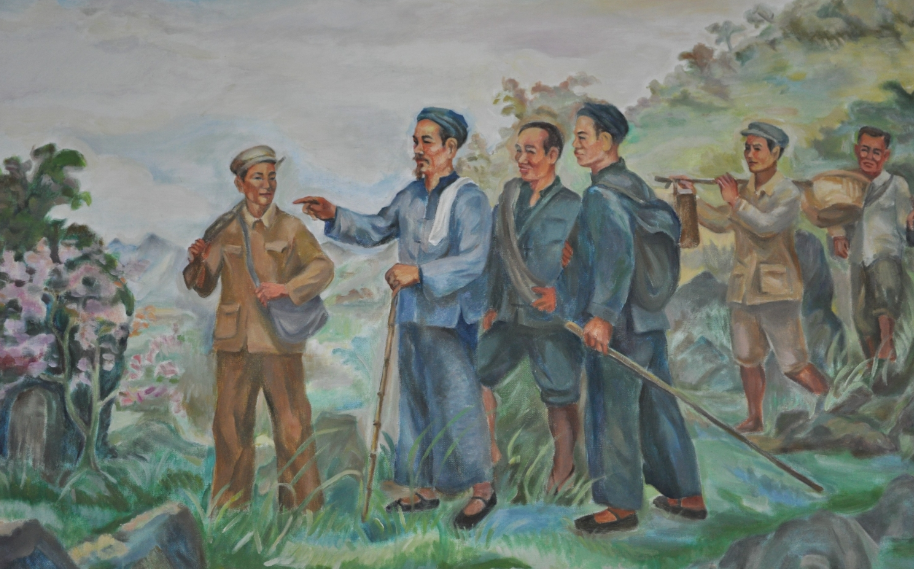
After assessing the domestic and international situation, as well as the ongoing revolutionary movement, he convened and personally chaired the 8th Central Committee Conference (1st term) of the Party from May 10 to 19, 1941. At the conference, he analyzed and concluded that, although fascist Germany, Italy, and Japan were expanding the war and attacking the Soviet Union and its allies, they would inevitably fail, and this was a great opportunity for the Vietnamese revolution.
Based on that insightful assessment, he put forward a crucial strategic shift: focusing all efforts on the task of national liberation, temporarily setting aside the land reform policy. At this time, the banner of national liberation had to be raised high, placing the task of fighting imperialism first, and the task of national liberation above all else. This policy reflected keen political insight, sharp strategic vision, and profound theoretical thinking deeply rooted in practice. Therefore, this policy quickly took effect, igniting the fighting spirit of all strata of the people against the invaders and their collaborators; initiating the mass movement to rise up and carry out the August Revolution.
Organizing revolutionary forces
The decisive factor in the victory of the August Revolution was Ho Chi Minh's initiative to establish the Viet Minh Front. Along with the birth of the Viet Minh Front came the strong development of various organizations within the Front, such as the National Salvation Peasants' Association, the National Salvation Workers' Association, the National Salvation Youth Association, the National Salvation Women's Association, and the National Salvation Children's Association…
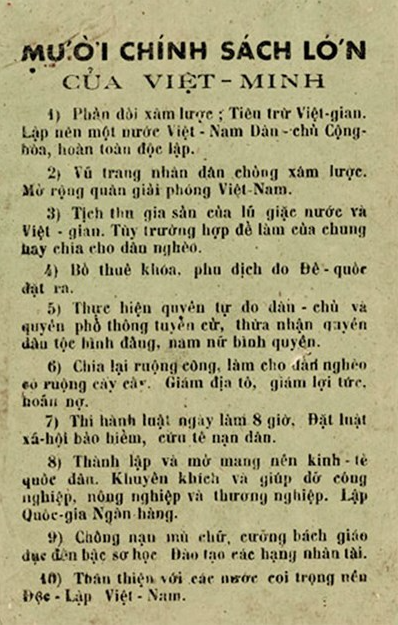
Under the banner of the Viet Minh Front and the "national salvation" call of various organizations, all patriotic people from all walks of life were united and strongly drawn into the movement to overthrow colonial invaders and win independence and freedom. The establishment of the Viet Minh Front was a creation of Ho Chi Minh that met the demands of history. When the Party operated secretly, the Front served as a gathering place for large numbers of people, a crucial bridge between the Party and the masses, and a symbol of national unity. It can be said that the birth of the Viet Minh Front was a decisive factor in the victory of the August Revolution.
To lay the foundation and core for political struggle, Ho Chi Minh built up armed forces. First, he established the Cao Bang armed force, tasked with protecting revolutionary bases, providing political and military training to local self-defense forces and guerrilla militias, and supporting mass struggles.
Next, to meet the demands of the revolution, Ho Chi Minh decided to establish the Vietnam Propaganda and Liberation Army (December 22, 1944). Immediately after its establishment, the Army made a great impact with its decisive victory in destroying two enemy outposts at Phay Khat and Na Ngan. The Army's prestige spread throughout the country, and from there, many localities proactively established armed units.
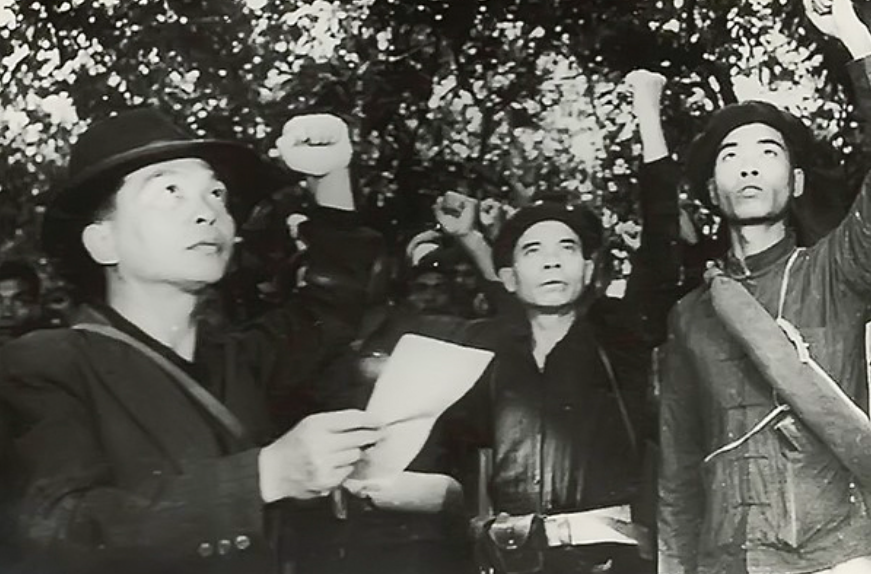
To accelerate preparations for the uprising, Ho Chi Minh and the Central Committee of the Party organized the Northern Military Conference, unifying and merging the armed forces into the Vietnam Liberation Army and placing military tasks at the forefront. Along with the political forces, the continuously growing armed forces created extremely important conditions for the victory of the August Revolution.
One of Ho Chi Minh's innovative approaches to mobilizing forces was securing international support. He launched a series of intensive diplomatic activities to enlist all available forces abroad. He directly met with Zhou Enlai, representing the Chinese Communist Party, to discuss coordinating revolutionary activities between the two countries; he sent representatives to Yan'an to expand international relations and strengthen communication lines with the Communist International; in August 1942, he personally traveled to China to meet with representatives of Chiang Kai-shek's government... He participated in reorganizing the Vietnamese community in China – the Vietnam Revolutionary Alliance – to divide, win over, and attract patriotic individuals within the Vietnamese community to the revolutionary side. He also decided to meet with American representatives in Kunming to discuss methods of cooperation between the Viet Minh and the United States. In implementing that extremely sensitive cooperation plan, the United States provided Vietnam with weapons, ammunition, medicine, radio equipment, and even some volunteer soldiers to train the Vietnamese armed forces in the use of weapons and military radio technology. These international activities contributed to the victory of the August Revolution.
Seize the opportunity in a timely manner.
With his profound intellect and extensive practical experience, Ho Chi Minh and the Party seized the revolutionary opportunity, promptly formulating the policy and plan for a general uprising. In August 1945, Nazi Germany surrendered to the Allies, the Japanese army in Indochina was in disarray, and the revolutionary movement throughout the country was surging… Ho Chi Minh affirmed that the time had come, and national independence had to be achieved, no matter the sacrifice. He said, “We need to seize every second, every minute. The situation will change rapidly. We cannot miss this opportunity.” He decided to convene the National Congress of Delegates in Tan Trao and launch a general uprising to seize power before the Allied forces entered the country. Immediately afterward, he personally sent a letter calling for a general uprising to the people of the whole country, in which he affirmed: “The decisive hour for the destiny of our nation has arrived. All compatriots throughout the country, rise up and use your strength to liberate yourselves…”
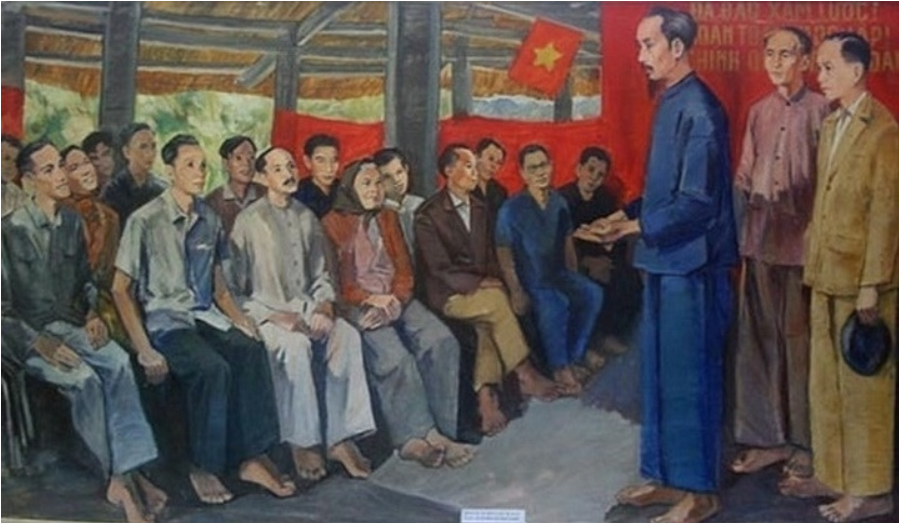
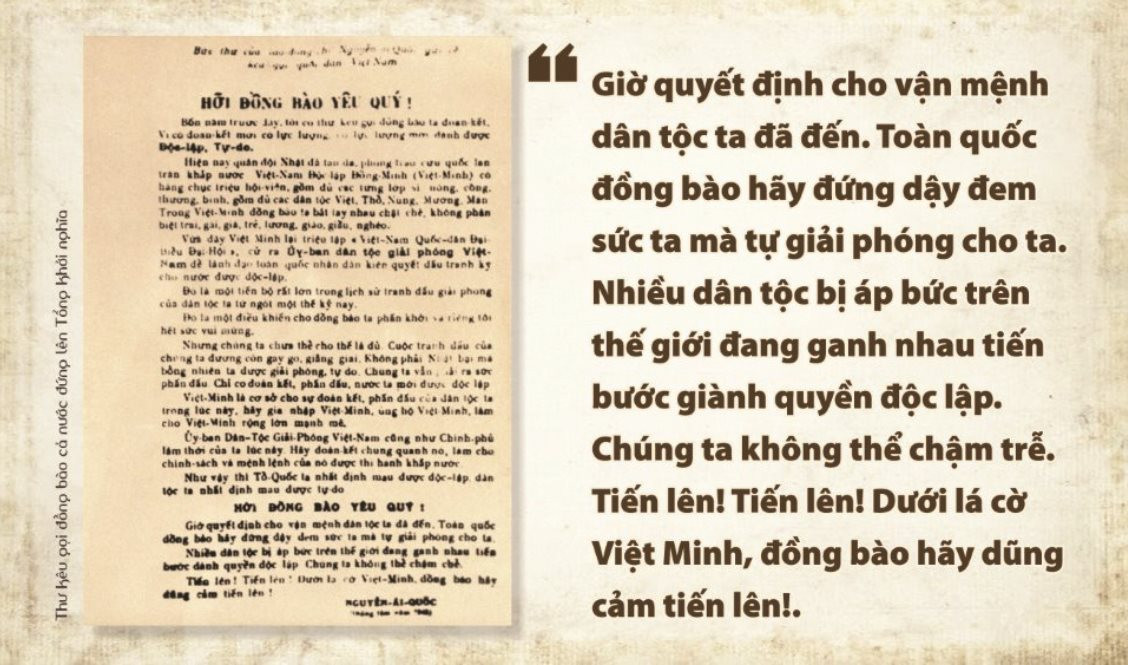
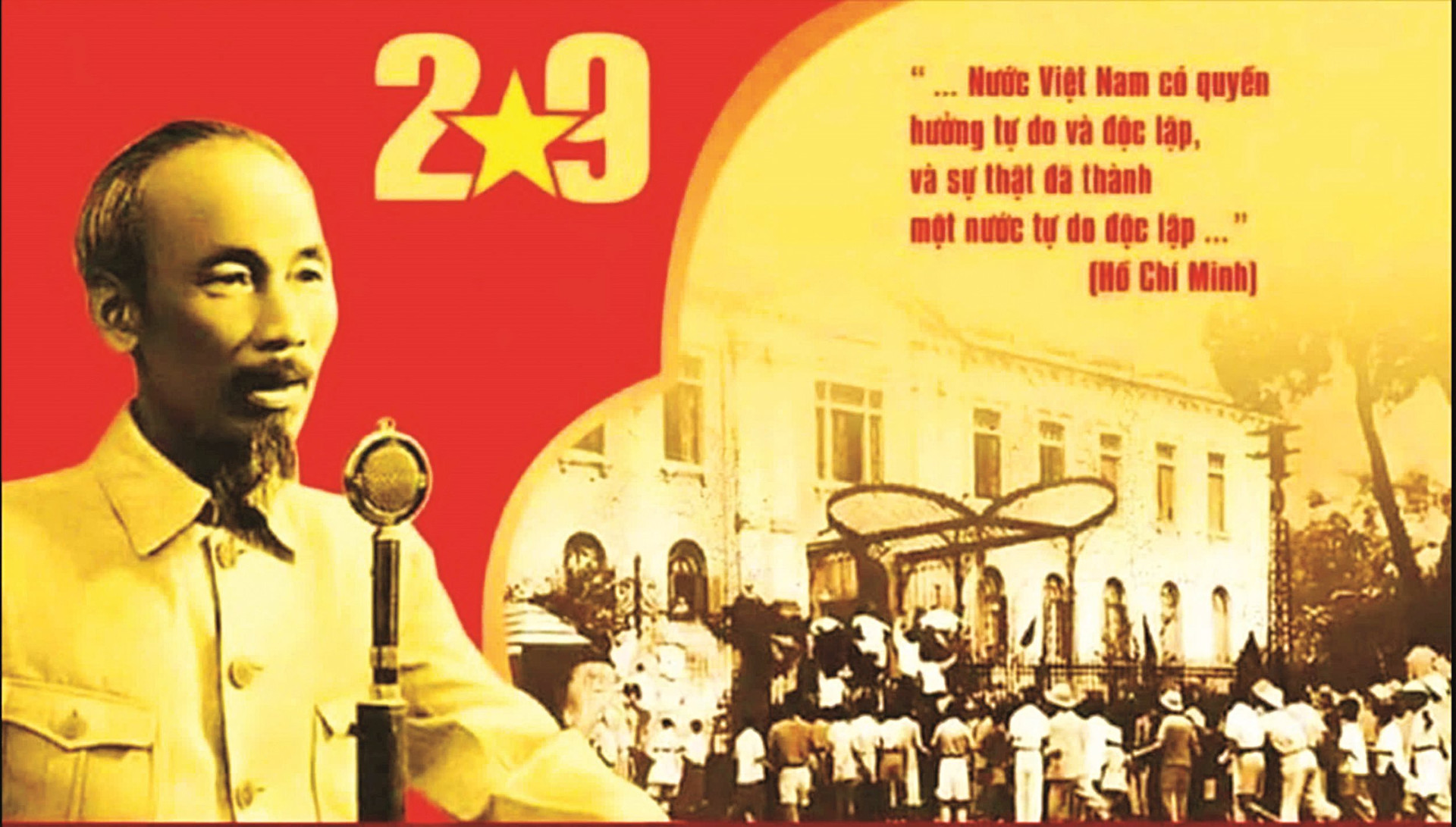
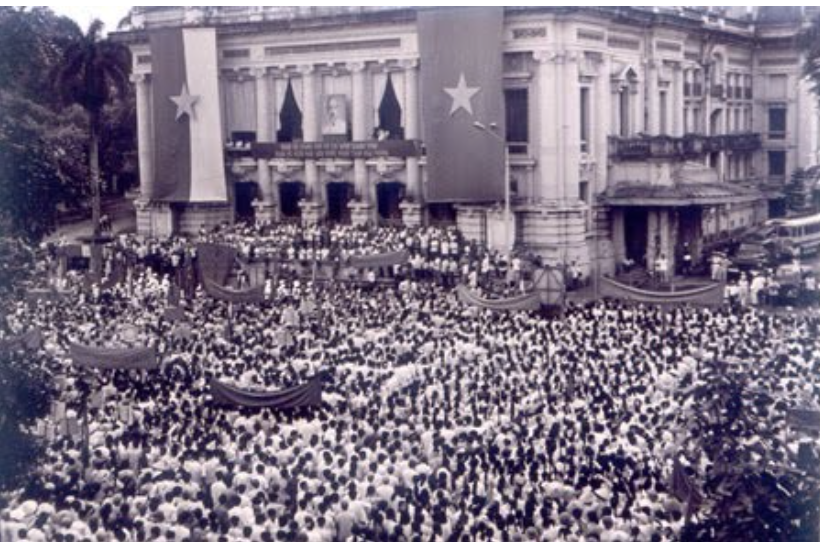
Responding to President Ho Chi Minh's call, millions rose up as one to successfully carry out the general uprising. Immediately after the victory of the August Revolution, he drafted the Declaration of Independence, setting September 2, 1945, as the day of its presentation to the nation and proclaiming the birth of the Democratic Republic of Vietnam.
Studying the insightful policies and close, timely guidance of President Ho Chi Minh regarding the August Revolution, we have sufficient historical evidence to affirm that the success of the August Revolution was the result of a process of organizing forces, from preparing the conditions to seizing opportunities, under the leadership of the Party, in which the role of President Ho Chi Minh was particularly important.
Source: https://baotainguyenmoitruong.vn/lanh-tu-ho-chi-minh-voi-cach-mang-thang-tam-379200.html


![[Photo] Explore the US Navy's USS Robert Smalls warship](/_next/image?url=https%3A%2F%2Fvphoto.vietnam.vn%2Fthumb%2F1200x675%2Fvietnam%2Fresource%2FIMAGE%2F2025%2F12%2F10%2F1765341533272_11212121-8303-jpg.webp&w=3840&q=75)
![[Photo] The captivating scenery of the fragrant maple forest in Quang Tri](/_next/image?url=https%3A%2F%2Fvphoto.vietnam.vn%2Fthumb%2F1200x675%2Fvietnam%2Fresource%2FIMAGE%2F2025%2F12%2F10%2F1765353233198_lan09046-jpg.webp&w=3840&q=75)
















![[Video] The craft of making Dong Ho folk paintings has been inscribed by UNESCO on the List of Crafts in Need of Urgent Safeguarding.](https://vphoto.vietnam.vn/thumb/402x226/vietnam/resource/IMAGE/2025/12/10/1765350246533_tranh-dong-ho-734-jpg.webp)












































Comment (0)