

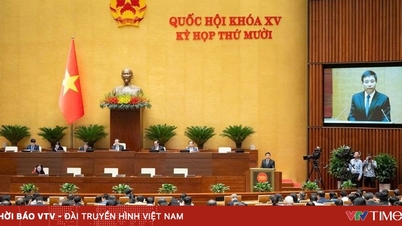
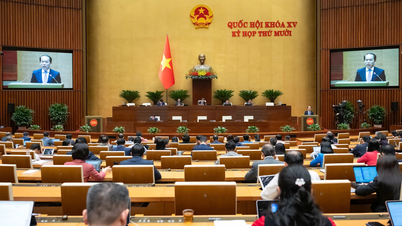
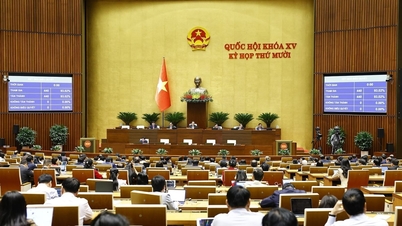
Continuing the agenda of the 10th Session of the 15th National Assembly , on the morning of December 10th, under the chairmanship of Deputy Speaker Nguyen Duc Hai, the National Assembly convened in the assembly hall and proceeded to vote on the Law on Personal Income Tax (amended).
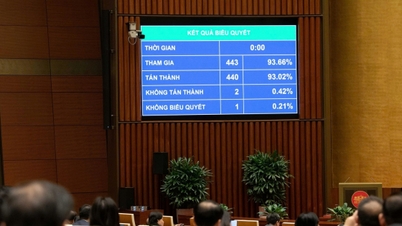
The results showed that 438/443 delegates voted in favor, accounting for 92.60%, thereby the National Assembly officially passed the law with 4 chapters and 30 articles.
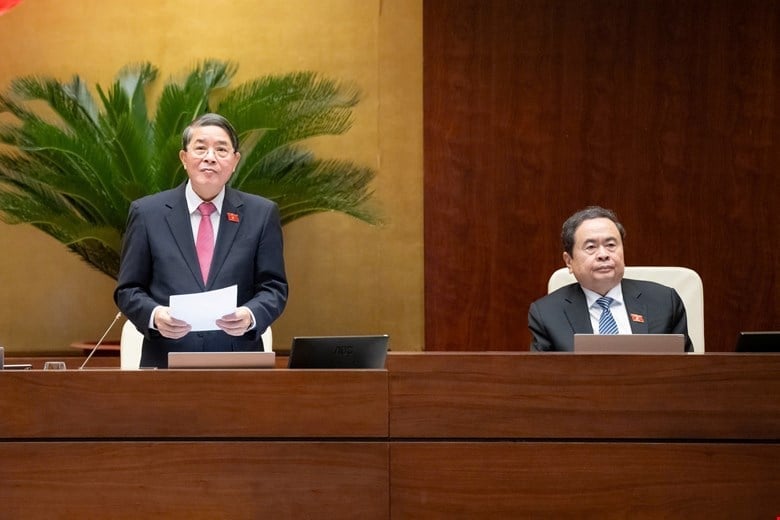
Vice Chairman of the National Assembly Nguyen Duc Hai presided. Photo: Quochoi.vn.
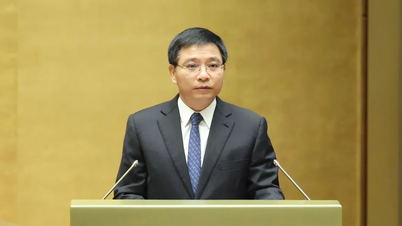
Before casting their electronic votes, delegates listened to Minister of Finance Nguyen Van Thang, authorized by the Prime Minister, present a summary report on the revisions, amendments, and explanations regarding the draft law.
According to the Ministry of Finance, the incorporation of feedback was based on the opinions of National Assembly deputies in committees and in the plenary session; the review opinions of the Economic Committee and the Finance and Budget Committee; and the conclusions of the National Assembly Standing Committee. The Government reviewed, incorporated as much feedback as possible, and finalized the draft before sending it to the deputies.
Many important adjustments directly impact taxpayers
Regarding taxes for household and individual businesses, the draft law has been revised to reduce the compliance burden and create more favorable conditions for household businesses, especially small and medium-sized enterprises.
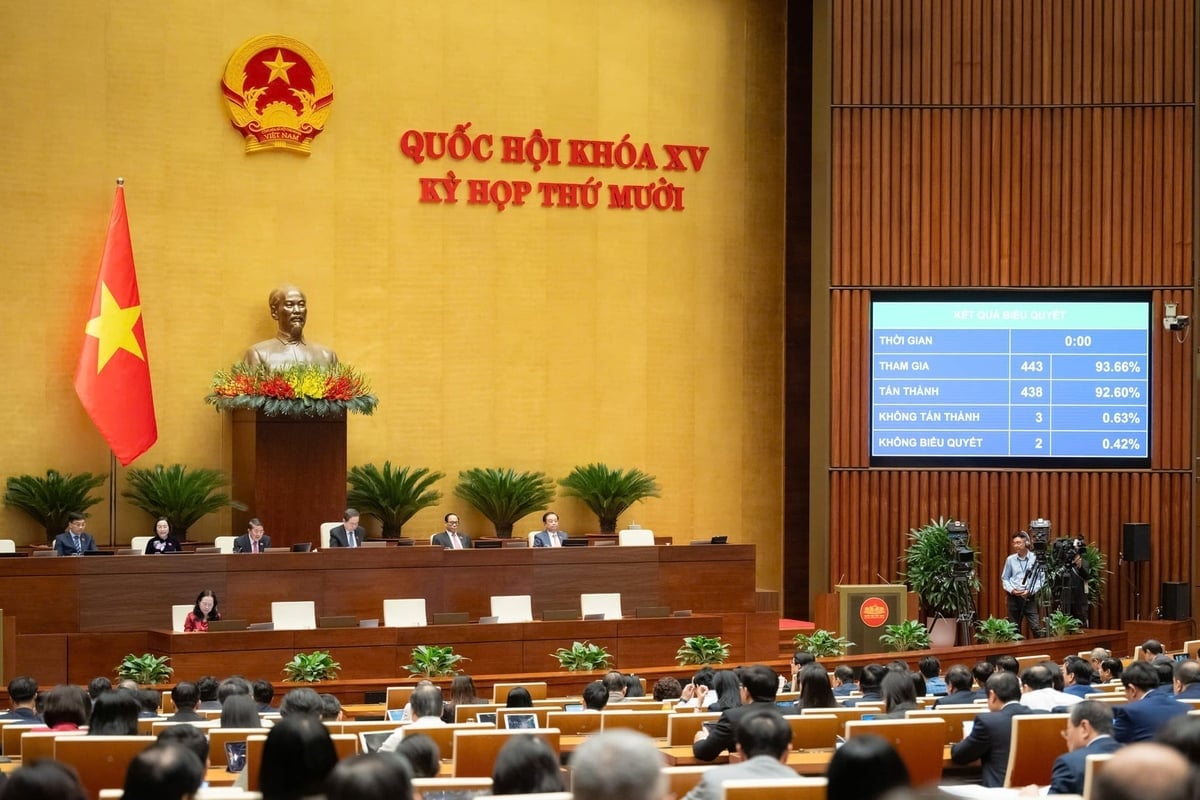
The National Assembly passed the Law on Personal Income Tax (amended) with 92.60% of delegates voting in favor. Photo: Quochoi.vn.
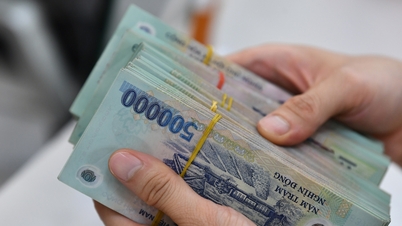
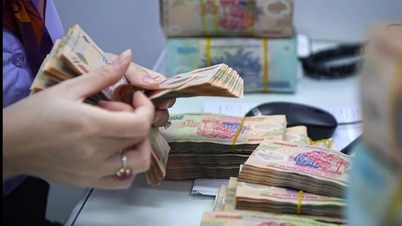
Increase the tax-exempt revenue threshold from VND 200 million/year to VND 500 million/year, and allow this amount to be deducted before calculating tax based on a percentage of revenue.
Increase the corresponding non-VAT revenue to VND 500 million.
The tax calculation method based on income is added for household and individual businesses with annual revenue exceeding 500 million VND to 3 billion VND, applying a tax rate of 15%, similar to the corporate income tax rate for businesses with annual revenue under 3 billion VND. This group has the right to choose between tax calculation based on revenue or income.
Regarding the progressive tax rate schedule, the new schedule has been adjusted to reduce tax rates in some brackets to avoid sudden "bracket jumps" and to incentivize workers: The tax rate for bracket 2 has been reduced from 15% to 10%; the tax rate for bracket 3 has been reduced from 25% to 20%.
Regarding personal deductions, the Government has incorporated the deduction levels stipulated in Resolution 110 into the draft law: Deduction for the taxpayer themselves: VND 15.5 million/month; Deduction for each dependent: VND 6.2 million/month.
The draft also assigns the Government to submit to the National Assembly Standing Committee to adjust the deduction level when prices and incomes fluctuate.
Tax on gold transfer
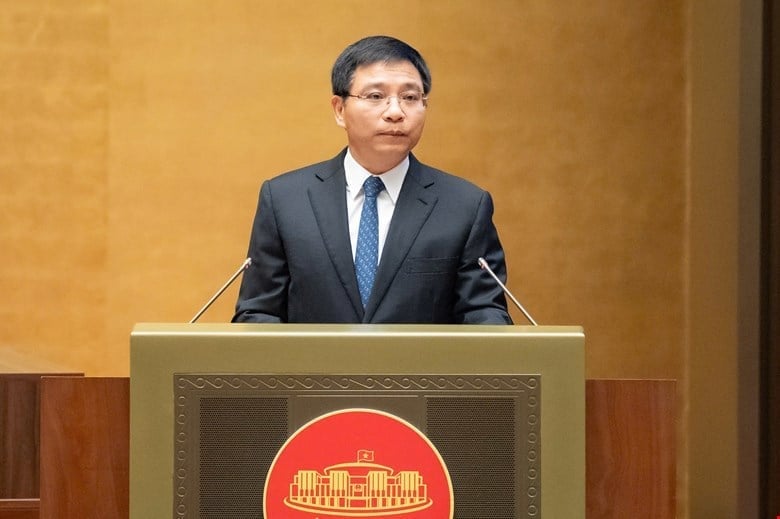
Minister of Finance Nguyen Van Thang presented a summary report on the acceptance and explanation of the draft law. Photo: Quochoi.vn.
After reviewing and referring to international experience, the draft stipulates:
Tax on gold bars at a rate of 0.1% on each transfer price.
The Government shall regulate the threshold value of gold bars subject to tax, the time of application, and adjust the tax rate in accordance with the roadmap for managing the gold market.
According to the drafting agency, this regulation aims to curb speculation, avoid negative impacts on the gold market, and create conditions to attract social resources into production and business, while eliminating purely gold-buying and holding transactions.
In addition, the Government has directed a review of the language, format and presentation techniques to perfect the draft before submitting it to the National Assembly.
Source: https://nongnghiepmoitruong.vn/diem-moi-cua-luat-thue-tncn-thue-vang-mieng-01-moi-lan-chuyen-nhuong-d788610.html





























![[Video] The craft of making Dong Ho folk paintings has been inscribed by UNESCO on the List of Crafts in Need of Urgent Safeguarding.](https://vphoto.vietnam.vn/thumb/402x226/vietnam/resource/IMAGE/2025/12/10/1765350246533_tranh-dong-ho-734-jpg.webp)

















































Comment (0)