

Positioning Vietnamese coffee brands
Over the years, coffee has been one of the important export commodities for many countries and accounts for a significant proportion of the world's trade balance. Vietnam is the world's second-largest coffee exporter, exporting to nearly 100 countries, with an annual output of over 1 million tons.
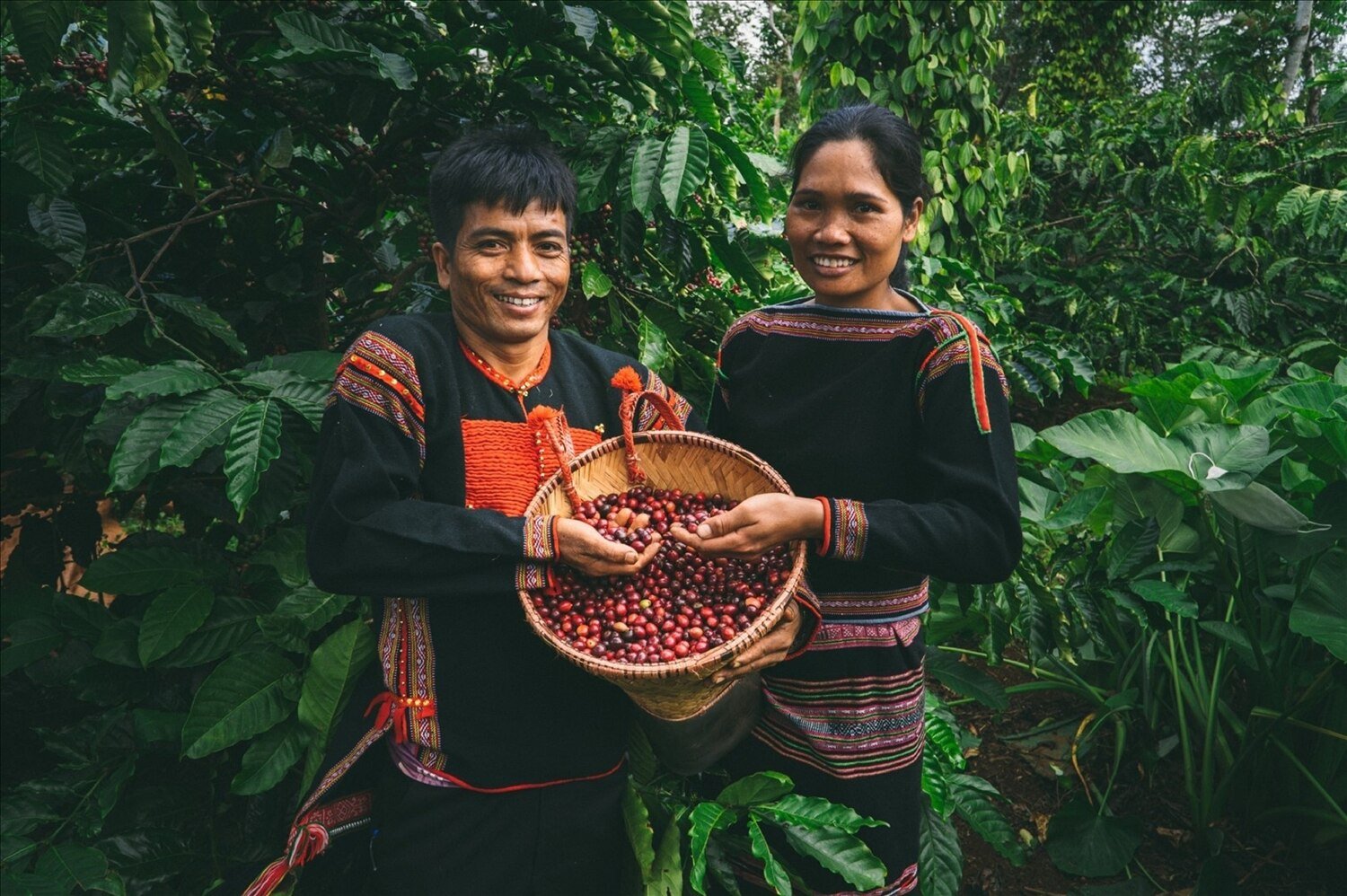
The Vietnamese coffee industry is gradually asserting its position, surpassing the $4 billion export mark for the first time in 2023. The Ministry of Agriculture and Rural Development forecasts that in 2024, coffee export revenue will certainly exceed $5 billion, possibly even reaching $6 billion – the highest level in history. Coffee remains a key agricultural product of the Central Highlands provinces, providing stable income for farmers, especially ethnic minority communities in the region.
In fact, over the past period, the sustainable value in the coffee sector has increased year by year. According to statistics, the total area of coffee cultivation nationwide is currently about 710,000 hectares, with about 650,000 hectares currently being harvested. As of the beginning of 2023, the area of coffee cultivation in Dak Lak province was over 212,912 hectares (accounting for 32.37% of agricultural land). Of this, the coffee production alone reached over 550,000 tons (accounting for one-third of the total national production).
Gia Lai province is also growing about 99,000 hectares of coffee, of which 46,000 hectares are coffee according to 4C and Organic standards, applying irrigation technology for coffee. The total coffee area of Dak Nong province is currently about 141,000 hectares, accounting for 23% of the agricultural land area; accounting for 59.6% of the total perennial crop area of the province.
Lam Dong province has many advantages for coffee development, with a cultivated area of approximately 173,000 hectares. Meanwhile, the total coffee cultivation area in Kon Tum is expected to increase sharply to nearly 30,000 hectares in 2024.
That vast raw material area is always associated with tens of thousands of farming households, of which more than 60% of ethnic minorities directly produce coffee in the area, helping them solve jobs, increase income, and improve their lives. In the following years, coffee will remain a key economic sector, a driving force for the socio-economic development of the Central Highlands region, contributing positively to the economic development of the country.
Coffee is considered a “billion-dollar tree”, but sustainable development of the “black pearl” is a burning question for farmers. Recently, coffee prices have increased, at times reaching over 130,000 VND/kg. The increase in coffee prices has encouraged farmers to plant new or replant coffee gardens.
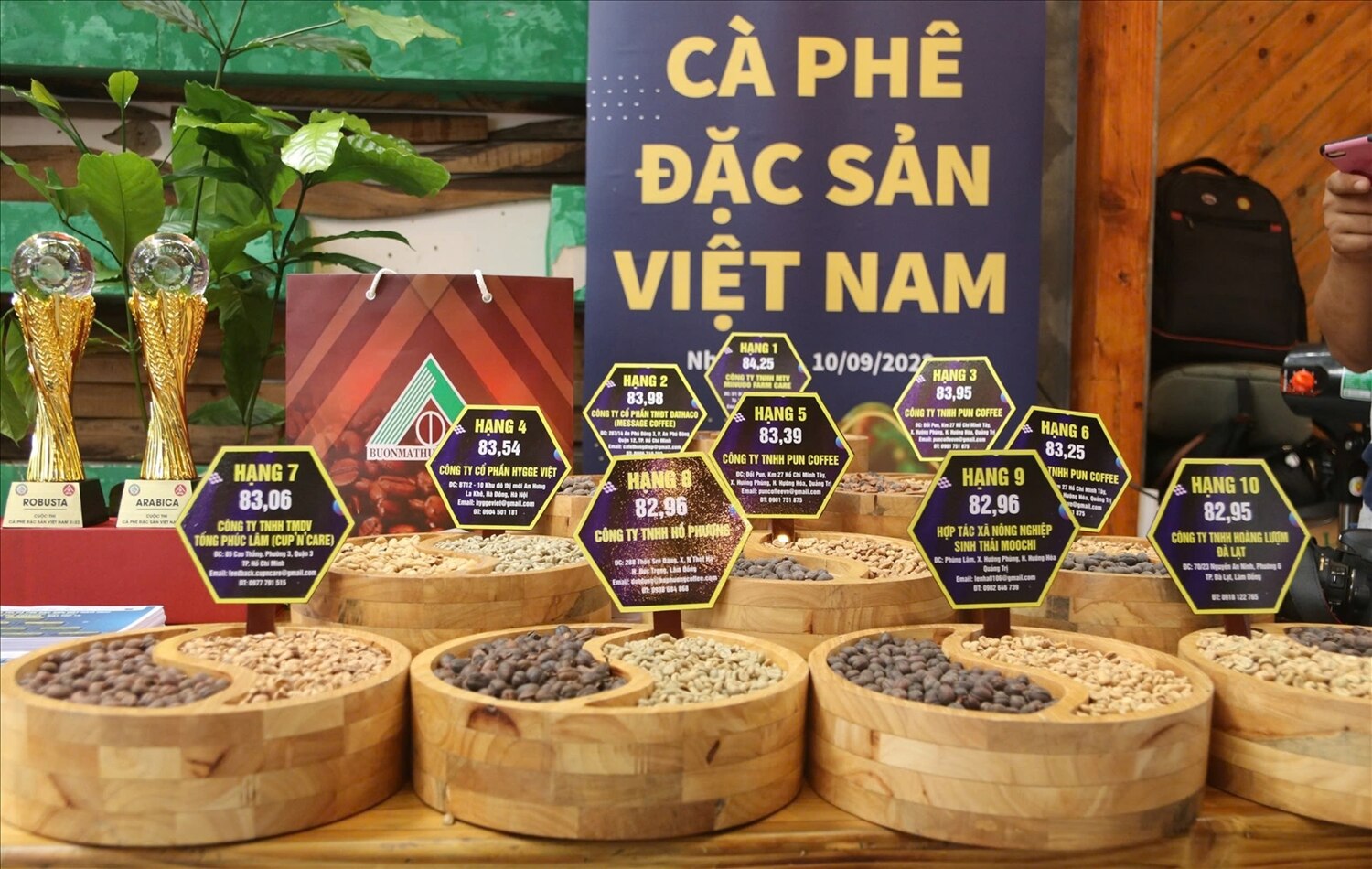
According to the Project for the Development of Vietnamese Specialty Coffee in the period 2021-2030 issued by the Ministry of Agriculture and Rural Development, by 2030, Vietnam will develop 19,000 hectares of specialty coffee, with a production of approximately 11,000 tons. Along with this, the goal is to build a brand for Vietnamese specialty coffee to meet the growing demands of the domestic market and increase competitiveness in the global market, contributing to the development of Vietnamese coffee.
Consolidate coffee to continue to be one of the top 5 national export products and affirm the important position of Vietnamese coffee in the world coffee industry.
Coffee Festival aims to stimulate the Central Highlands economy
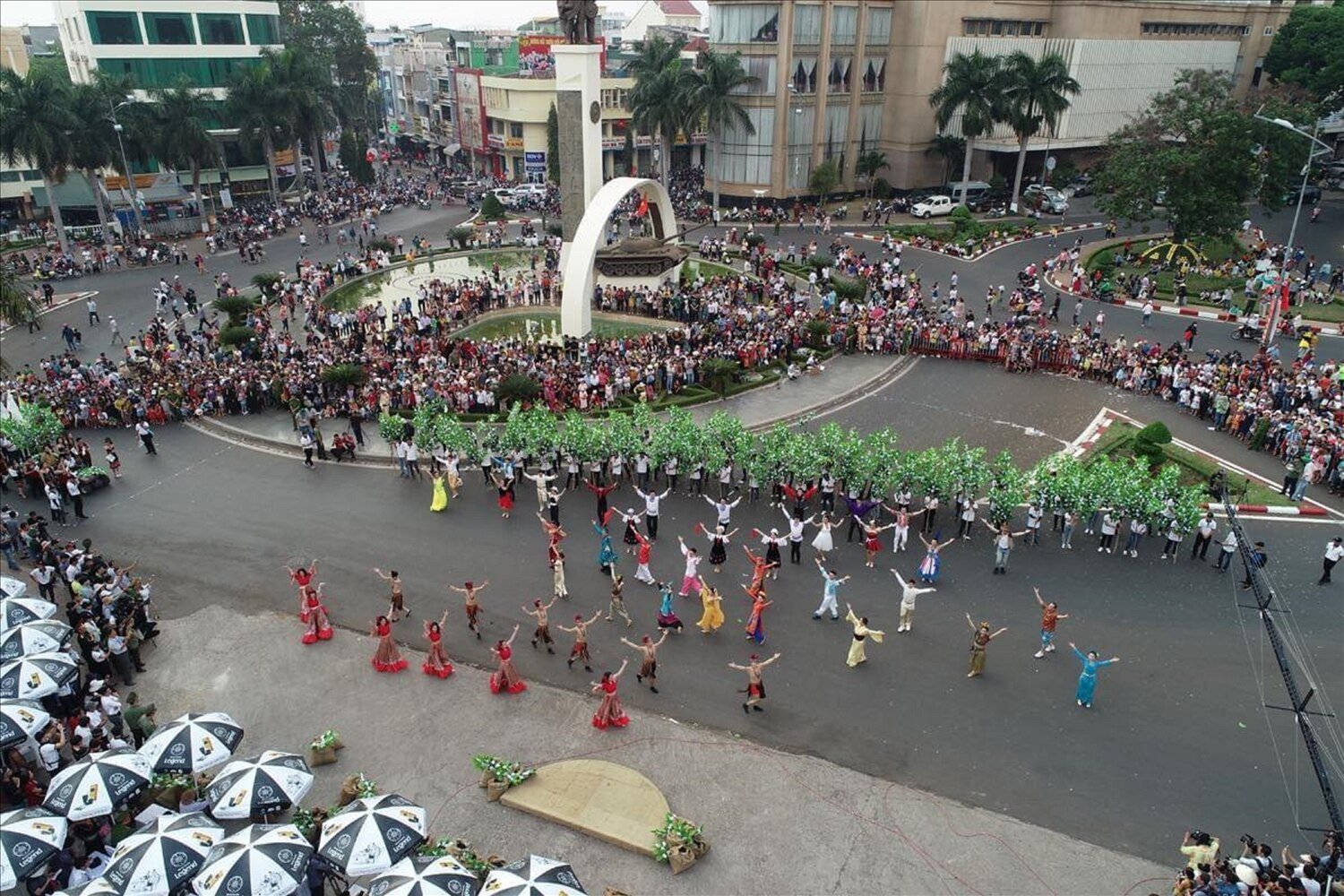
The Buon Ma Thuot Coffee Festival, recognized by the Prime Minister as a national-level festival, is held every two years in March. This is the most beautiful time of year in the Central Highlands and also a time for many cultural events. Coffee has also officially become a representative image of Vietnam in its economic endeavors on the world stage.
With its national scale and international vision, all activities of the Coffee Festival are "coffee-themed," creating a colorful and flavorful world of coffee with numerous programs taking place at the festival.
The vast space to create value for coffee has only just begun to be exploited. As the world's leading coffee exporter, Vietnam is aiming to build the Central Highlands region into the coffee capital of the world. Coffee festivals will be the highlight to promote the Central Highlands Coffee brand, develop Vietnamese specialty coffee and build the image, potential, and strengths of local tourism, promote investment in the field of coffee processing and agricultural products in the Central Highlands.
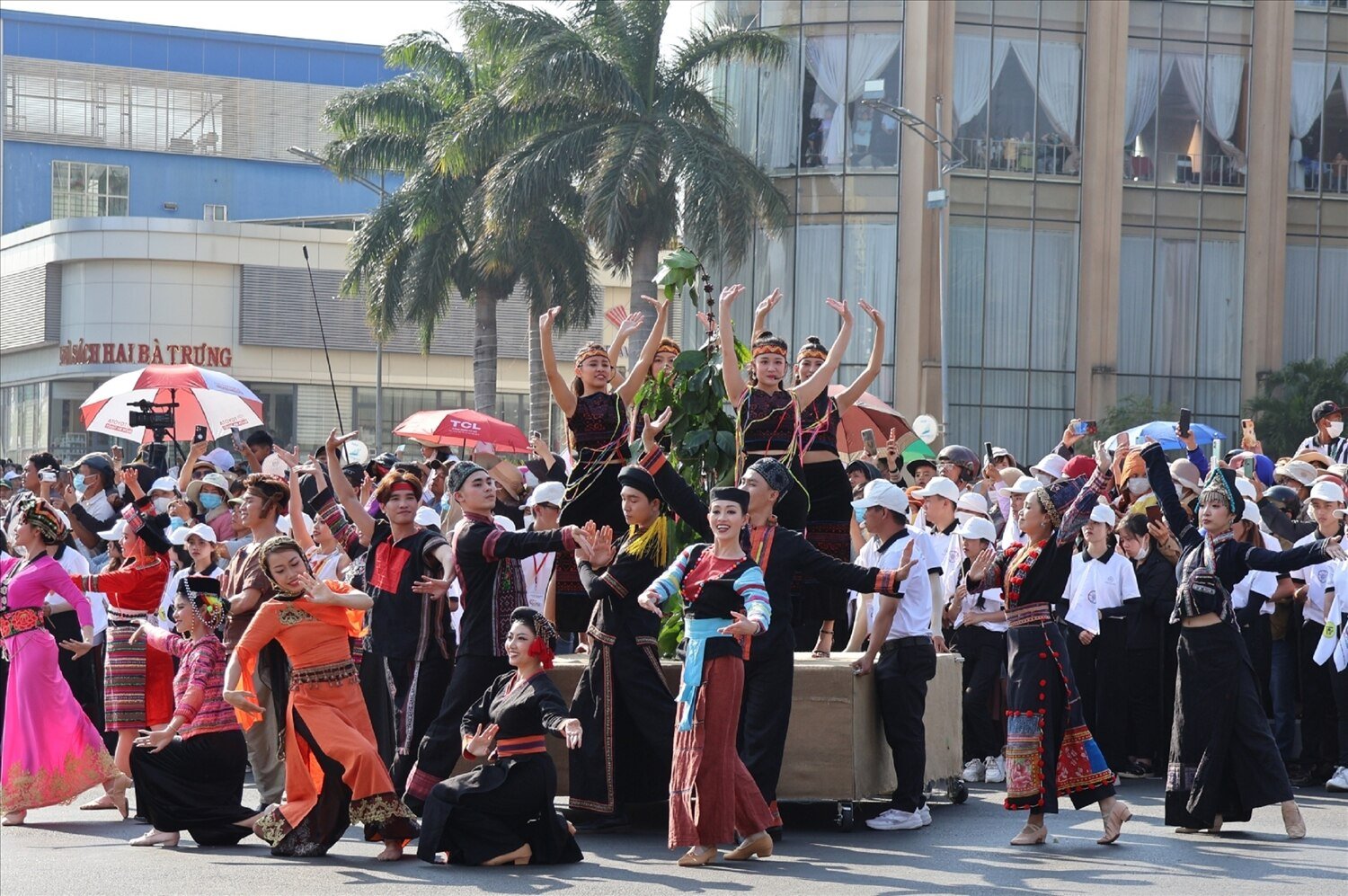
At the opening ceremony of the 8th Buon Ma Thuot Coffee Festival in 2023, Deputy Prime Minister Tran Luu Quang requested that the development of high-quality coffee and Vietnamese specialty coffee with unique and distinctive flavors, certified according to international standards, be promoted to meet the increasingly high demands and tastes of consumers; to increase the value of the coffee industry chain, especially to increase direct profits for farmers.
The festival aims to honor the coffee plant, a crop that has brought prosperity and abundance to the highland region, affirming the enduring preservation of cultural identity and serving as a bridge to bring the image of ethnic minorities to the whole country.
At the same time, through Coffee Festivals, we aim to build a unique Vietnamese coffee culture, promoting the image of this legendary land rich in national cultural identity. Coffee Festivals are an opportunity to introduce, promote, and help explore and awaken the potential for local investment and tourism, rich in cultural identity, in the Central Highlands. They transform ethnic minority villages into unique cultural tourism centers, offering valuable tourism packages and various supporting commercial investment services, contributing to economic development.
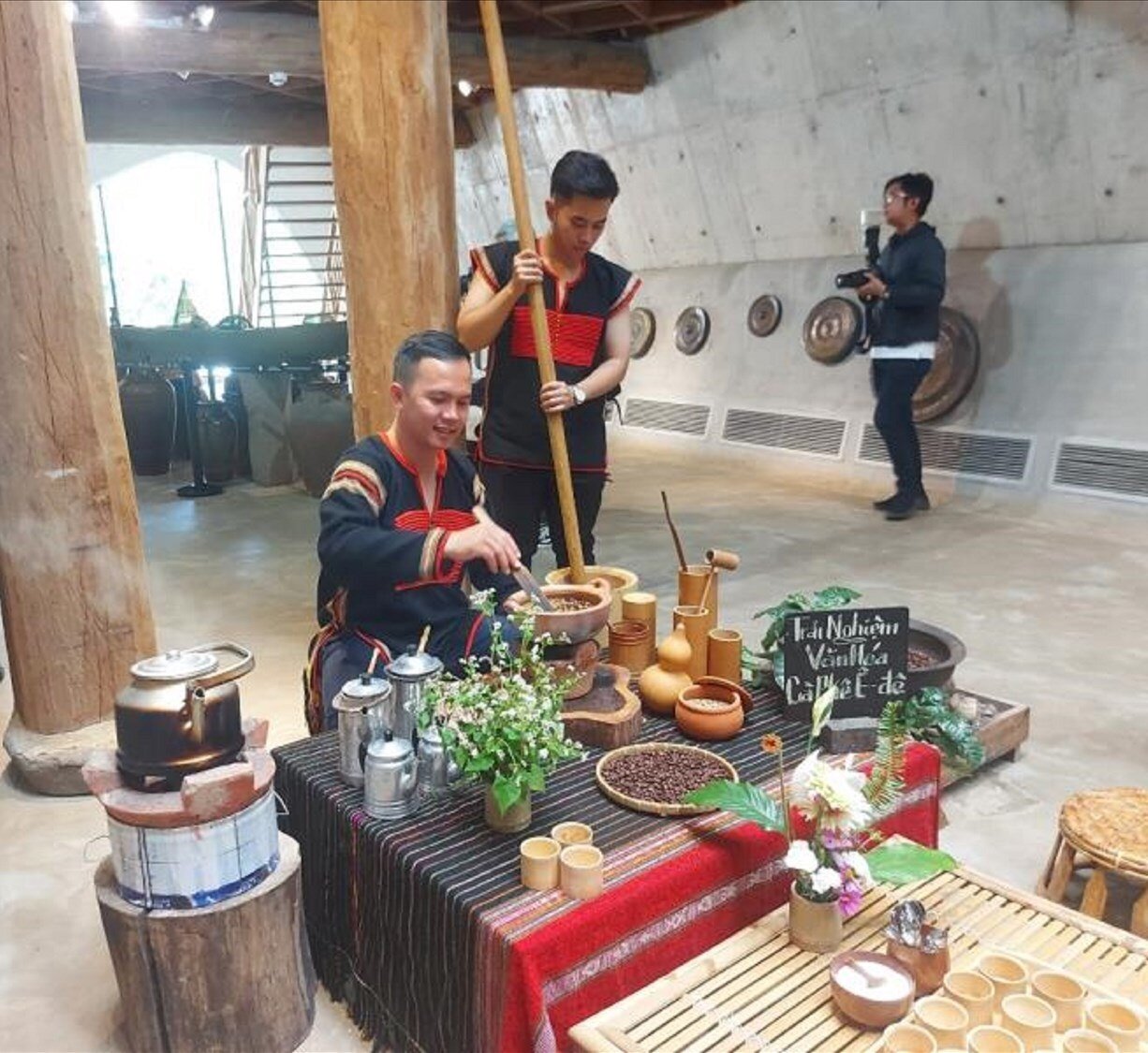
Currently, the tourism industry is striving to innovate tourism products that reflect the unique cultural and historical characteristics of this region. Besides the "Elephant brand" in the Central Highlands, another distinctive tourism product, "coffee tourism," is being invested in and developed by tourism businesses. With the idea of transforming coffee production, processing, and trading into a unique tourism product, several travel companies such as Dam San and Dak Lak Tourist have developed itineraries to take tourists to visit and experience this novel product at various locations.
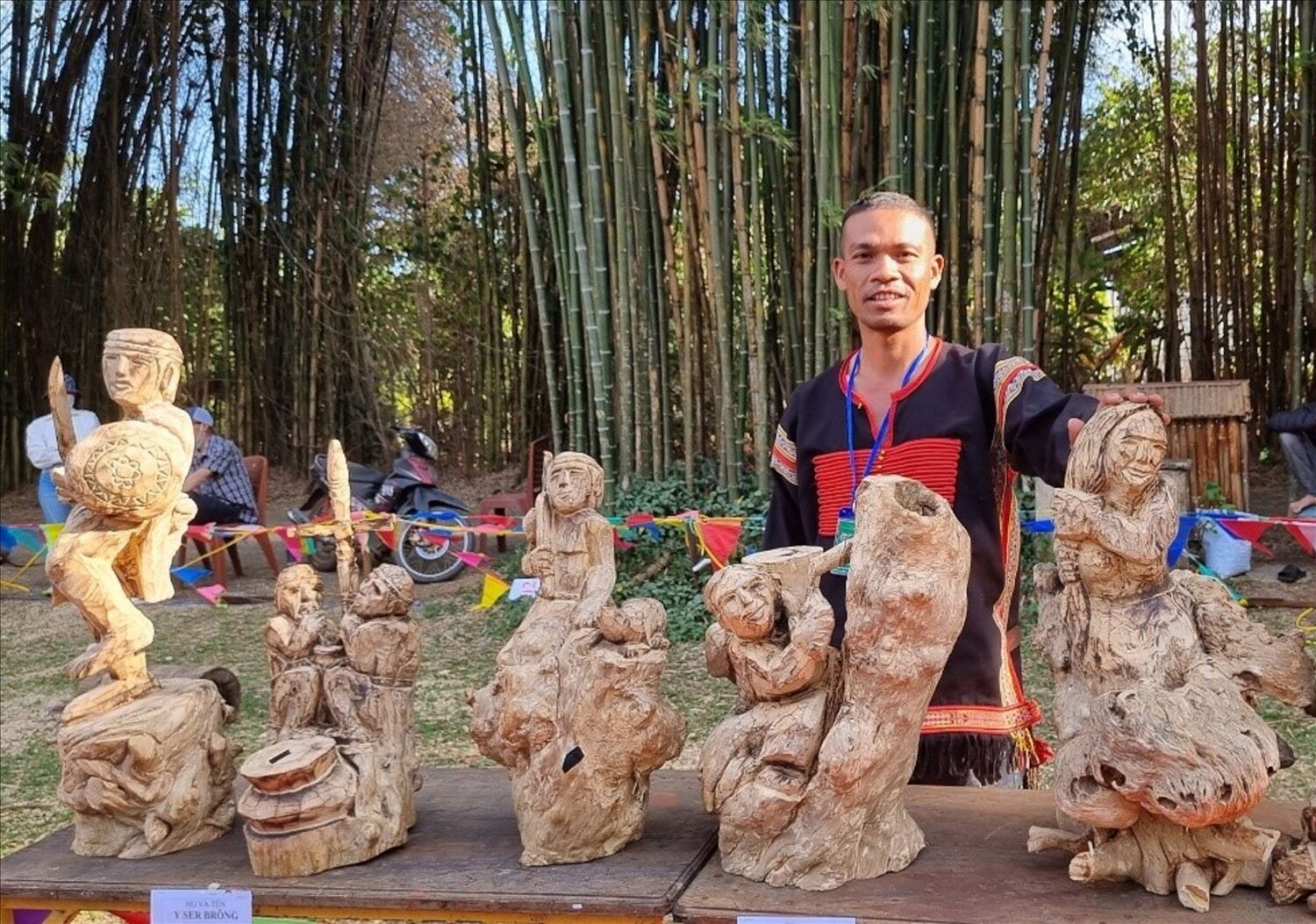
Clean coffee gardens with high productivity, along with coffee processing facilities are becoming attractive and familiar destinations for tourists. Many travel tours have gradually led tourists to learn, research and explore cultural and historical values closely related to coffee. At the same time, many handicraft products from coffee trees are also commercialized, such as coffee tree statues with the characteristics of indigenous culture of the Central Highlands are also focused on.
Over 100 years of development, along with creating great economic value for communities, coffee has also created an international character for Central Highlands agriculture, when many farmers and ethnic minorities have known how to follow market news from agricultural product exchanges around the world. Coffee has become the glue that binds the cultures of ethnic groups from all 3 regions of the North, Central and South.
Nowadays, many regions in the Central Highlands have more colorful festivals, and each festival cannot lack the flavor of coffee along with stories of production and business of this plant. From the Coffee Festival, stories about coffee and coffee culture are more deeply engraved in this land.
Besides, it also aims to raise awareness and actions of the community on preserving, introducing and promoting the unique cultural identity of the ethnic minorities in the Central Highlands, not only with Vietnamese coffee beans, but also with other values such as the Central Highlands Gong Cultural Space.
Vietnamese coffee is not only known for its output, which is among the top in the world, but also for its unique Vietnamese coffee culture. The taste of Vietnamese coffee is increasingly flying high and far with big brands such as Trung Nguyen Coffee, Vinacafe, NesCafe… bringing great economic benefits to the country.
Entering the period of international economic integration, to continuously affirm and develop the Vietnamese coffee brand, it is necessary to always be creative, have a sustainable development strategy and reach new heights. Localities in the Central Highlands continuously organize activities to promote, honor and affirm the value of coffee, raise social awareness of sustainable coffee development, and at the same time request relevant ministries, departments and branches to build mechanisms and policies in line with the trend of sustainable coffee development; pay attention, support and create the best conditions for the Vietnamese coffee industry to develop comprehensively and firmly.
In March 2025, the 9th Buon Ma Thuot Coffee Festival with the theme “Buon Ma Thuot – Destination of world coffee”, took place in Buon Ma Thuot City and some localities in the province, once again affirming the value of coffee in promoting the economy of the Central Highlands region.
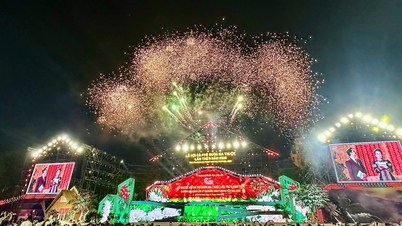
Opening of the 8th Buon Ma Thuot Coffee Festival




















![[Video] The craft of making Dong Ho folk paintings has been inscribed by UNESCO on the List of Crafts in Need of Urgent Safeguarding.](https://vphoto.vietnam.vn/thumb/402x226/vietnam/resource/IMAGE/2025/12/10/1765350246533_tranh-dong-ho-734-jpg.webp)





















































Comment (0)