

Lawyer Nguyen Thanh Ha - Chairman of SB Law Firm - believes that the quality and origin of goods on the Temu e-commerce platform need to be controlled.
Currently, many e-commerce platforms such as Shopee, Lazada, Temu, etc., are offering goods at low prices, raising concerns that this could negatively impact the production and business operations of domestic enterprises, especially small and medium-sized enterprises. Lawyer Nguyen Thanh Ha – Chairman of SB Law Firm – discussed this issue with a reporter from the Industry and Trade Newspaper.
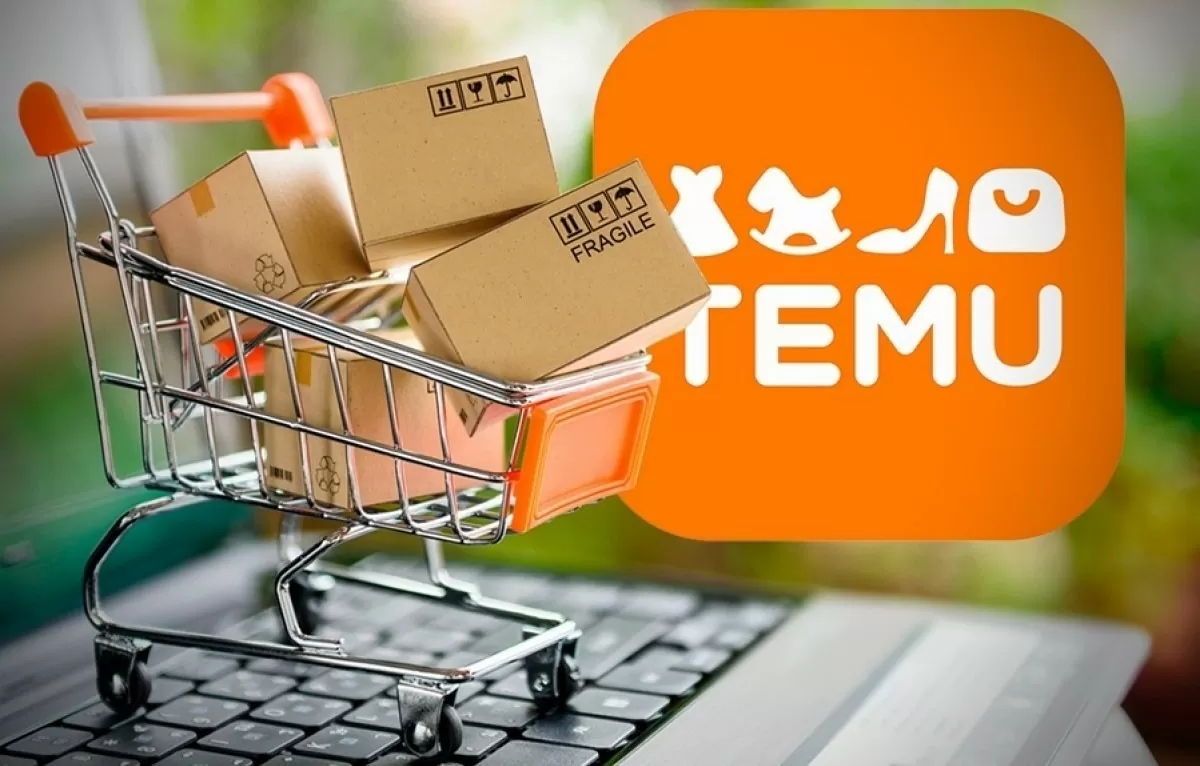 |
| The Temu e-commerce platform offers cheap goods, raising concerns about the problem of counterfeit and fake products. (Illustrative image) |
Recently, with e-commerce platforms selling cheap goods to the Vietnamese market, many believe this will create difficulties for domestic manufacturing businesses. What is your opinion on this matter?
Currently, Vietnam is one of the countries with an average e-commerce growth rate of approximately 25% per year, ranking among the top in Southeast Asia. The number of online shoppers has now exceeded 61 million, with an average online shopping value of around US$336 per person per year. This is also why Vietnam has become a destination for cross-border e-commerce platforms.
However, the fact that e-commerce platforms are offering cheap goods to the Vietnamese market is a matter of great concern today. In my opinion, the sale of cheap goods by foreign e-commerce platforms in Vietnam creates both significant opportunities and challenges for the e-commerce industry and the economy .
Specifically, on the positive side, it promotes competition, forcing domestic businesses to improve product quality, enhance services, and modernize to retain customers, while also providing consumers with more choices at more reasonable prices. This also contributes to the development of digital infrastructure, promotes digital transformation in businesses, and thus modernizes the economy.
However, the strong presence of international marketplaces puts significant pressure on domestic businesses, especially small and medium-sized enterprises (SMEs), making it difficult for them to compete on price and promotions. The dominance of cheap imported goods reduces the market share of Vietnamese products, increases the trade deficit, and makes the Vietnamese economy more dependent on foreign platforms, posing many risks.
Furthermore, foreign exchanges often employ procedures to avoid certain types of taxes, impacting national budget revenue.
 |
| Lawyer Nguyen Thanh Ha – Chairman of SB Law Firm |
Recently, the Temu e-commerce platform launched in the Vietnamese e-commerce market with a wide variety of goods at incredibly low prices. However, this activity raises concerns about the potential for counterfeit and fake products to be mixed in. In your opinion, what solutions are needed to prevent this situation?
To prevent counterfeit goods, pirated products, and other products with negative impacts on foreign e-commerce platforms like Temu (if any), Vietnam needs to implement a comprehensive set of solutions.
First, it is necessary to strengthen management and strict supervision from relevant authorities, requiring e-commerce platforms to implement rigorous controls on product quality and seller information. Clear regulations on providing information on origin, source, and quality certification are essential.
At the same time, e-commerce platforms also need to build a reliable seller verification system, requiring sellers to provide valid documentation regarding the origin of goods and business registration. In particular, applying strict penalties for violations, including fines, suspension, or criminal prosecution, will help deter the sale of counterfeit and pirated goods.
Furthermore, it is necessary to raise consumer awareness on how to identify counterfeit goods and encourage them to report suspicious products for timely action. International cooperation with other countries and international organizations is also crucial for sharing information and implementing coordinated measures in combating counterfeit goods.
Furthermore, applying technologies such as blockchain and artificial intelligence to track and verify the origin of goods will help consumers easily distinguish between genuine and counterfeit products, thereby enhancing the transparency and credibility of the e-commerce market.
According to current regulations, what are the conditions for foreign e-commerce platforms to operate in Vietnam, and what Vietnamese laws must these platforms comply with when participating, sir?
Based on Article 67c of Decree 52/2013/ND-CP, foreign investors choosing to invest in the e-commerce sector in Vietnam must meet two conditions: the form of investment and a national security assessment from the Ministry of Public Security in cases where the foreign investor controls at least one enterprise belonging to the group of five leading enterprises in the Vietnamese e-commerce market.
Specifically, as follows:
Firstly , regarding the form of investment: Although e-commerce activities can be conducted through "electronic means connected to the internet, mobile telecommunications networks, or other open networks," foreign investors wishing to invest in Vietnam in the e-commerce sector must still establish an economic organization in Vietnam, or through capital contribution, share purchase, or equity investment.
Therefore, essentially, foreign investment in the e-commerce sector in Vietnam must be conducted through a business entity (which could be a business established by the investor or one in which the investor invests capital, purchases shares, or acquires equity), and investment in the form of business cooperation contracts is not yet permitted.
Secondly , in cases where a foreign investor controls one or more businesses belonging to the top five e-commerce service companies in Vietnam, as listed by the Ministry of Industry and Trade, the foreign investor must obtain a national security assessment from the Ministry of Public Security. In this case, the investor needs to pay attention to two issues: what constitutes "control," and which businesses belong to the top five e-commerce service companies in Vietnam.
In Decree No. 85/2021/ND-CP, the Government added regulations related to e-commerce activities with foreign elements. The Decree requires foreign individuals and organizations with websites providing e-commerce services in Vietnam to be businesses or organizations with one of the following forms of operation: E-commerce websites under Vietnamese domain names; E-commerce websites with the display language being Vietnamese; E-commerce websites with more than 100,000 transactions from Vietnam in one year.
Foreign businesses and organizations with websites providing e-commerce services in Vietnam, as stipulated above, shall register their e-commerce activities in accordance with this Decree and establish a representative office in Vietnam in accordance with the law, or appoint an authorized representative in Vietnam.
The activities of a representative office or authorized representative must ensure the following responsibilities: Coordinating with state management agencies in preventing transactions of goods and services that violate Vietnamese law; fulfilling obligations regarding the protection of consumer rights and product quality as prescribed by Vietnamese law; and fulfilling reporting obligations as required.
Given the above regulations, what measures should Vietnam take to prepare for and respond to the influx of cheap goods into the market by e-commerce platforms, in order to help domestic businesses maintain production and achieve stable and sustainable development?
The operation of foreign e-commerce platforms in Vietnam, especially unregistered ones, can create numerous challenges regarding product quality control, origin verification, and fair competition with domestic businesses such as Shopee, Lazada, and Tiki. To address these issues, we can implement the following measures:
Firstly , quality control and product origin verification are crucial. The government needs to require product registration and certification for products sold on e-commerce platforms. Foreign e-commerce platforms must register their operations and comply with regulations regarding product quality, including providing certificates of origin for their products.
The competent state authorities may require these businesses to submit documentation proving that their goods meet the quality and safety standards stipulated by Vietnamese regulations.
At the same time, authorities should strengthen inspections and supervision of suppliers of goods from abroad, especially products traded through e-commerce platforms. This could include regular and surprise inspections of imported shipments. If substandard or counterfeit goods are detected, strict measures such as fines, suspension of operations, or import bans should be taken.
Secondly , to ensure fair competition, foreign e-commerce platforms must comply with the same promotional regulations as domestic businesses. Furthermore, when running promotional programs or policies, they must provide clear information about products and prices. This allows consumers to compare and choose products fairly.
The competent state authorities may encourage domestic and foreign e-commerce platforms to cooperate to ensure the quality of goods and services, while creating a healthy competitive environment. This could include establishing forums for businesses to share experiences and quality management processes.
Furthermore, it is necessary to enhance consumer education and awareness. Developing strict regulatory policies will help protect the rights of domestic consumers, support Vietnamese businesses in competing fairly, and promote the sustainable development of the e-commerce market.
Thank you, sir!
Source: https://congthuong.vn/luat-su-nguyen-thanh-ha-kiem-soat-chat-nguon-goc-va-chat-luong-hang-hoa-tren-san-thuong-mai-dien-tu-temu-355988.html
![[Photo] Prime Minister Pham Minh Chinh holds a phone call with the CEO of Russia's Rosatom Corporation.](/_next/image?url=https%3A%2F%2Fvphoto.vietnam.vn%2Fthumb%2F1200x675%2Fvietnam%2Fresource%2FIMAGE%2F2025%2F12%2F11%2F1765464552365_dsc-5295-jpg.webp&w=3840&q=75)


















































































Comment (0)