Upon reading Nguyen Van Dung's poetry collection "Land of Memories"
From 1992 to 2024, poet Nguyen Van Dung published 14 literary works, including 2 epic poems, 11 poetry collections, and 1 collection of critical essays. This means that in less than two years, he published a substantial book of hundreds of pages. This doesn't even include poems co-authored with other authors, poems published in the Literature and Arts Newspaper, Tien Phong Newspaper, Poetry Magazine, Cua Viet Magazine, Song Huong Magazine, Nhat Le Magazine, and the Quang Tri Newspaper, Ha Tinh Newspaper, Binh Dinh Newspaper... demonstrating his remarkable creative output. As the Chairman of the Quang Tri Provincial Literature and Arts Association, he has countless responsibilities, yet it's unclear when he finds time for his "muse."

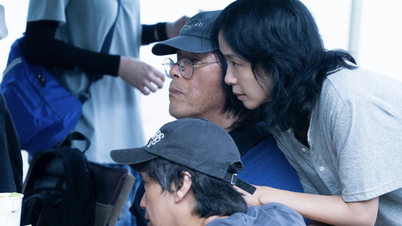
Poet Nguyen Van Dung presents a book to the author of the article - Photo: TN
Nguyen Van Dung's 13th poetry collection, titled "Land of Memories," published by Thuan Hoa Publishing House in June 2023, is 254 pages long and contains 120 poems. The poems address many themes: love, the sea, rivers, the four seasons, rain, wind, the moon, rural markets, homeland, and perceptions of the concrete and the abstract; the visible and the invisible. His poems are imbued with a profound sadness, a lingering longing, and a melancholic contemplation, but ultimately, they reflect the longing and affection for the places where the poet has lived, is living, and has visited.
The baggage of each person in general, and the poet Nguyen Van Dung in particular, has grown heavy with time. From childhood, living in the loving embrace of his parents, to adulthood, he has met countless people and traveled through countless different regions. In his twilight years, his heart is filled with nostalgia, and the emotions surge as if memories are still vivid; he can call those places "lands of longing."
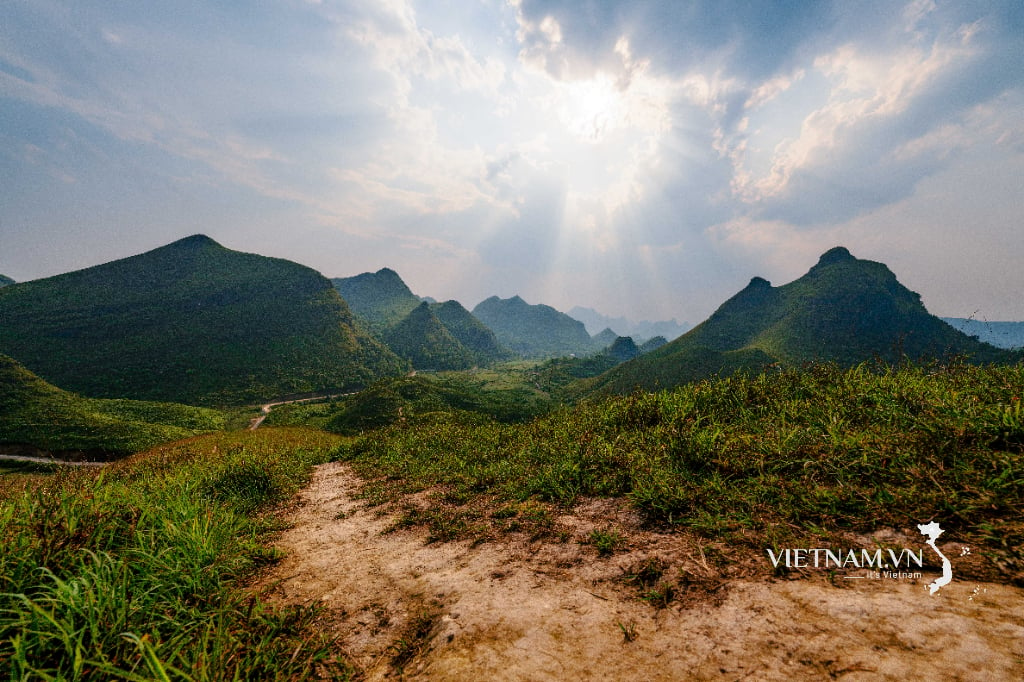
Born and raised in Vinh Giang commune, very close to Cua Tung beach, poet Nguyen Van Dung always felt an overwhelming love for his hometown whenever he had the chance to visit his homeland. He would immerse himself in the purple twilight of the sunset, regretting the lingering rays of the setting sun. In the town of Dong Ha, the poet would send a heartfelt message: “Is anyone returning to Cua Tung?/Please leave behind my love and longing/When parting, my heart still owes a debt/To the blue sky, the turquoise sea, and the surging waves” (Purple Twilight of Cua Tung). Quy Nhon, the provincial capital of Binh Dinh province, was once visited by a gentle breeze. Overwhelmed by the vast expanse of white sand, he felt incredibly small before the boundless ocean. Upon parting, he would secretly wrap up a “lonely moon” hidden at the bottom of his suitcase, letting his heart yearn: “Oh Quy Nhon, tomorrow I leave/I yearn for the impossible/...You and Quy Nhon, so warm and affectionate/Coming and going, when will we meet again?” (You and Quy Nhon). The poet possesses a romantic soul, that's for sure. During a visit to Hanoi, the thousand-year-old capital, he reminisced about his dreamy student years, lost in the lecture halls. In the late autumn, the weather was still cool, and the old, moss-covered streets had changed their appearance. Despite his age, he was captivated by the elegant beauty of a Hanoi girl strolling by Ho Guom Lake. The poet exclaimed, "You are so beautiful, I can't take another step / Something stirs my heart!" And after the initial shock wore off, that enchanting beauty drew him to stay in the capital longer than planned: "You are so beautiful, I hesitate to leave / Hanoi lingers, unwilling to see me off" (A Glimpse of Autumn in Hanoi). At West Lake, the poet was enchanted by the playful, cheerful beauty of a young woman in her prime: "Her pigtails swayed / Her delicate feet danced gracefully." That's all it took for the poet to say, "Let my heart sing for hours on end." In a fleeting, unintentional moment, the poet laments, "A moment of wistfulness at West Lake / Bidding farewell to that time with a lingering feeling" (The Feelings of West Lake).

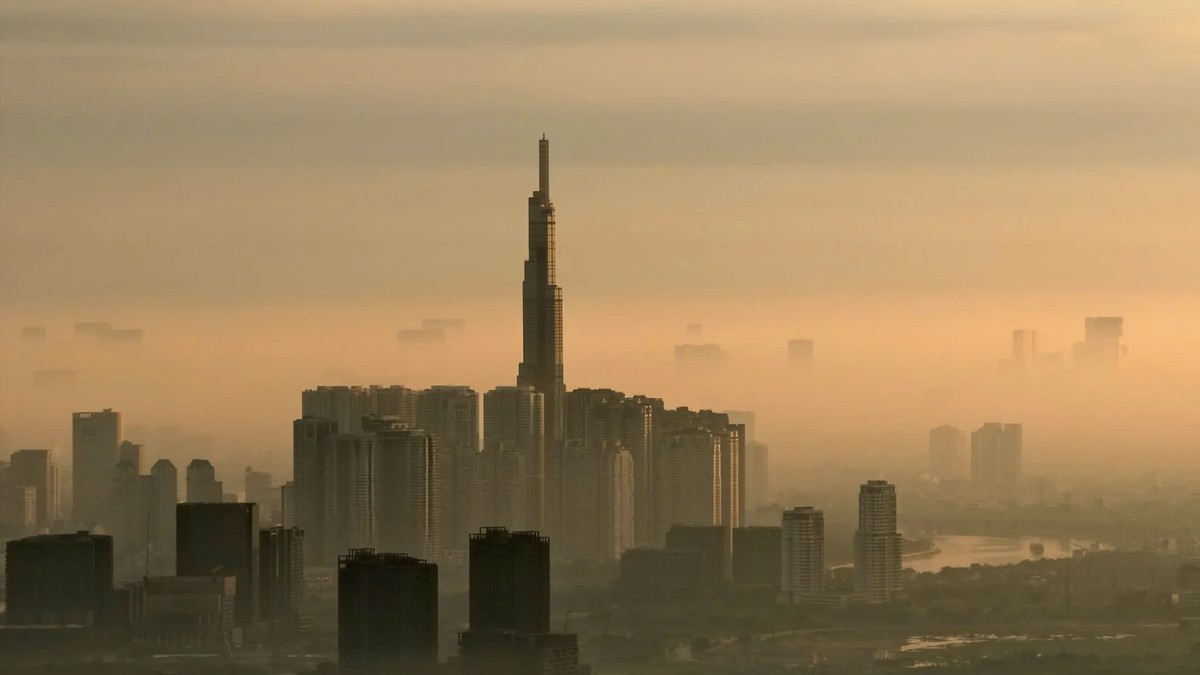
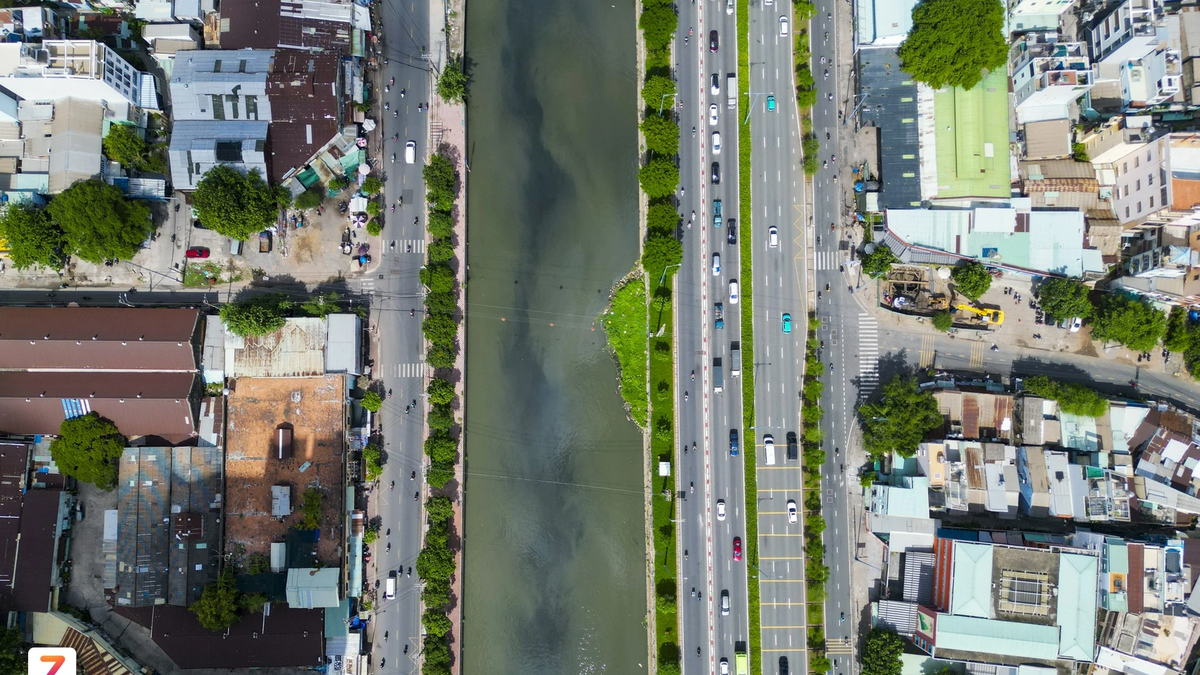
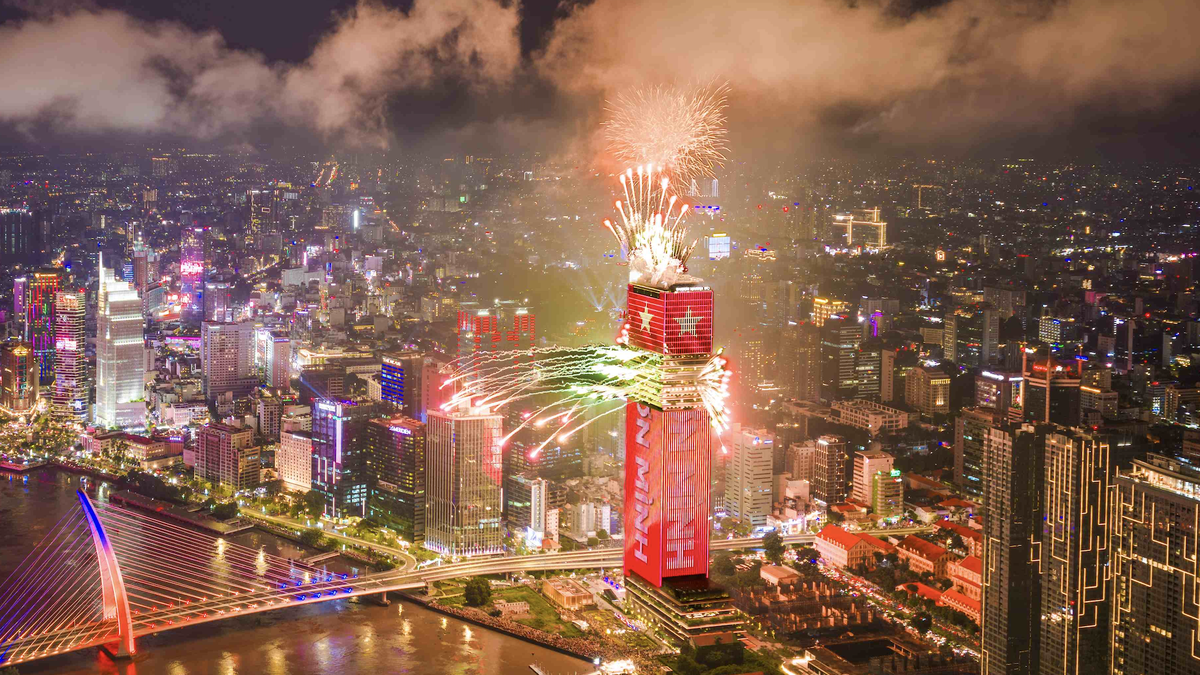
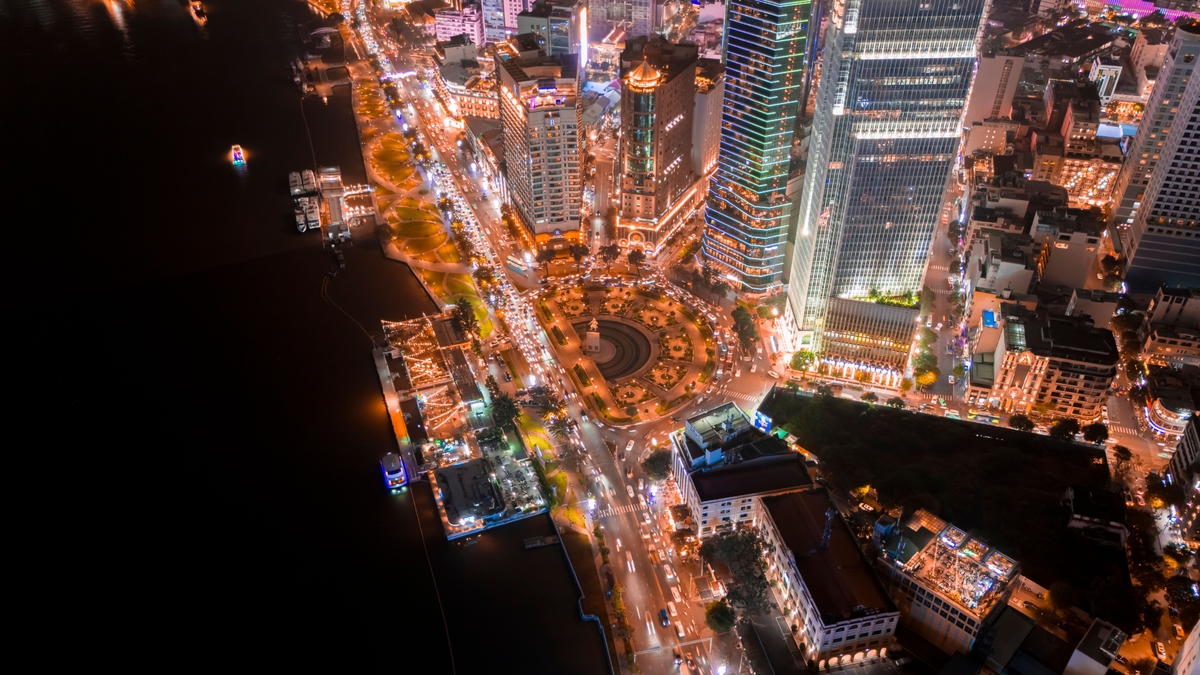
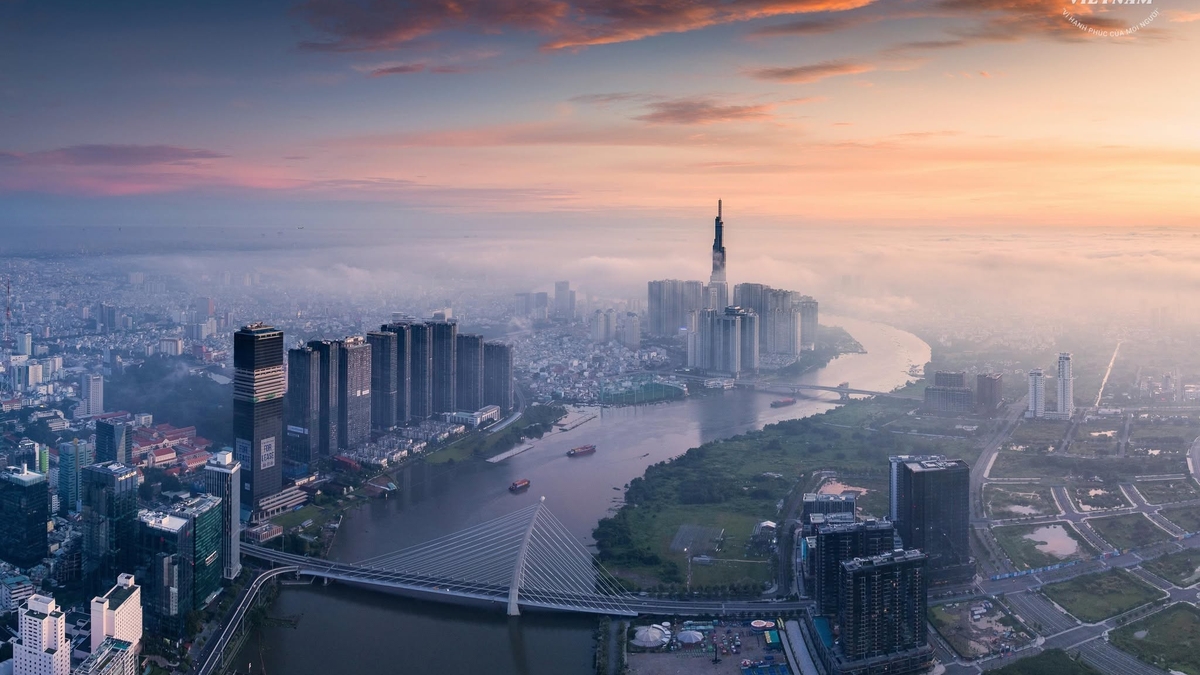
With affection for those near and longing for those far away, every place he has set foot on has been marked by poetry. Ho Chi Minh City, a civilized, modern, and compassionate city, has been struggling for a long time against the COVID-19 pandemic, and the whole country, including Quang Tri, has turned its attention to it.



Everyone eagerly hopes for the "Pearl of the Far East" to return to normal soon, and the poet is no exception: "Saigon and I are so far away/Why do I often dream of Saigon?/Late at night, muttering incoherently/I call out to Saigon, my pillow soaked with tears/Missing you, struggling through the COVID season/The hardships are countless, not only I know/Why do I often dream of Saigon?" (Why do I often dream of Saigon?). Hue, once the capital under the Tay Son and Nguyen dynasties, possesses a contemplative and romantic beauty, creating a unique Hue identity.
The persistent rains and the melodious folk songs are unforgettable "specialties" for tourists and those from Hue living far from home. Famous landmarks such as the Hue Citadel, Thien Mu Pagoda, Tu Duc Mausoleum, Dong Ba Market, Truong Tien Bridge, and Ngo Mon Gate are recognized by UNESCO as World Cultural Heritage sites.
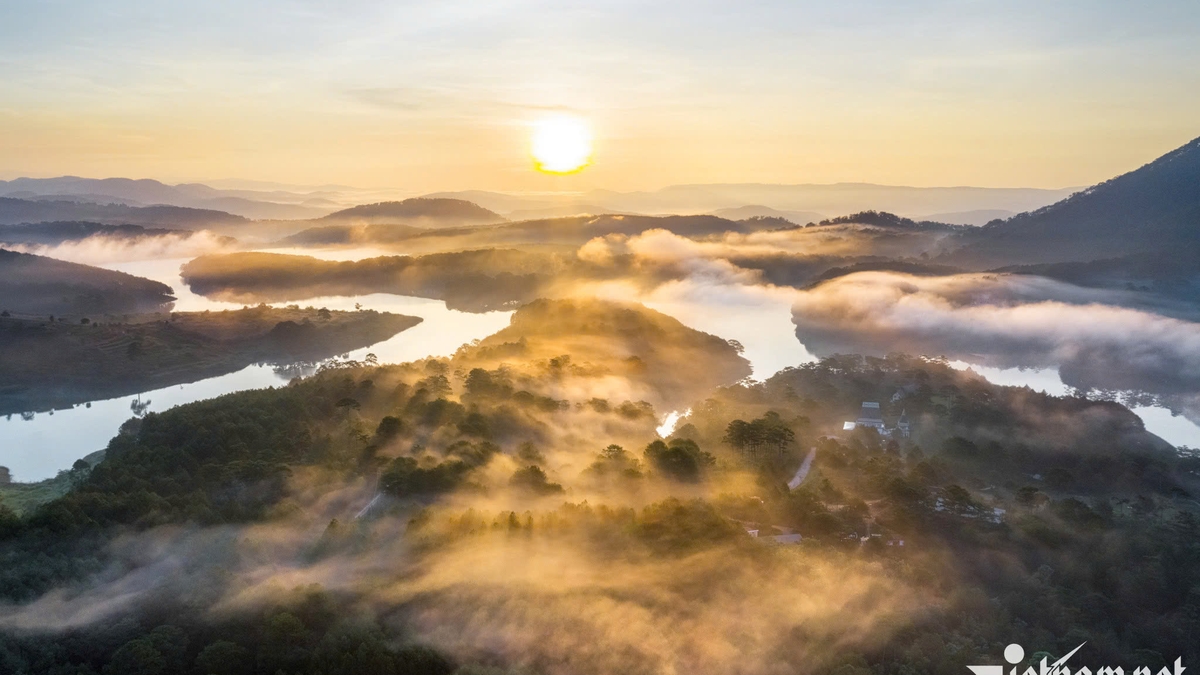
The poet arrived in Hue on a rainy afternoon, with Ngu Binh Mountain shrouded in mist, thousands of pine trees silently contemplating, Truong Tien Bridge still bustling with people, the land of poetry echoing in the wind: "Oh Hue, so many hopes and dreams / The Forbidden City now awaits every hour / I passed by Ben Ngu by chance / It seems someone was softly reciting poetry" (With Hue).
Nguyen Van Dung's poetry is not pretentious, nor does it contain profound philosophical ideas or riddles for the reader. His poems are gentle and simple, like the rice grains and potatoes of his homeland. Many poets write about distant lands around the world to demonstrate their global citizenship.
Poet Nguyen Van Dung, on the other hand, mostly explores themes within Quang Tri province, yet his poems feel strangely familiar and warm. Each time he returns to his hometown, the Ben Hai River, bordered by Gio Linh district on one side and Vinh Linh district on the other, he feels a pang of pain remembering the time of North-South division. There, he leaves behind an unfinished love: “Your eyes are black, your lips are pink / Leaving me confused more than once / Staying awake all night with the scent of the fields and the wind / My heart is troubled by a private sorrow / Does anyone know the crescent moon over the sea / Is it the moon that is waning or my love that is fading?” (Reuniting with the Ben Hai River).
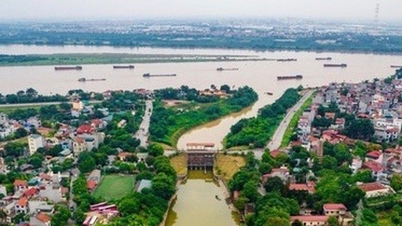
The poet stood on the Chau Thi bridge spanning the Sa Lung river in Vinh Linh district on a late afternoon. A cool breeze blew up from the river. Water hyacinths drifted gently on the water's surface. Smoke from the riverside village wafted softly from behind the bamboo groves. The warm greetings of acquaintances traveling back and forth across the bridge filled the air.
In that still atmosphere, the faint sound of a mother's lullaby stirred his emotions: "How many seasons have passed with the moon waxing and waning? / Do I still have lingering feelings for the one far away? / I am like a lost child / Lost in thought, listening to the song, feeling sorrow for our love / Under the sun and wind of Vinh Linh / Crossing Chau Thi Bridge, waiting alone for someone? (Crossing Chau Thi Bridge)."
The Hieu River, flowing through Cam Lo district and Dong Ha city before emptying into Cua Viet sea, has been praised by many poets, including Nguyen Van Dung. With the imagery of poetry, the river is woven with sunlight, the afternoon both real and dreamlike, incredibly captivating, the wind whispering melodies that make the poet even more dreamy: “Because your name shines brightly in the golden afternoon / The street is old, but you are always new / The sky over Hieu Giang is clouded with confusion / Because of Hieu Giang, I stay with the afternoon” (Afternoon at Hieu Giang). “When we are here, it is where we live / When we leave, the land suddenly becomes our soul” (Che Lan Vien), a line of poetry imbued with philosophical meaning about life.
We come to live in a new land, remembering the old land that has become a part of our soul, our very being, filled with countless memories, both happy and sad. But the poet Nguyen Van Dung, living in Dong Ha city, misses Dong Ha city because he loves it so much. He loves the cold moon, the sun and wind, the painful mistakes that sting like salt in a wound, the naive innocence of a youthful, impulsive past.

He likened Dong Ha to a poem with both even and uneven rhymes, to a song with both joyful and sad lyrics, his heart filled with "a jumble of emotions" for the young city south of the historic Hien Luong Bridge: "I'm so infatuated with it / I can't be apart / I want to live truly for a single moment / With Dong Ha tonight" (Inspiration from Dong Ha).
There are many more captivating poems: The Town and I, Night at the Sea, Last Evening of the Year, Stranger, When the Poet Falls in Love, Waiting for the Train, Why Don't You Get Married?, Village Market, I Still Owe You, The Street is Empty Without You, Unsent Love Poems... The motivation for poet Nguyen Van Dung to write poetry is because the "Adjective of Love" urged him to write: "I crossed the slope of life / Loving you more intensely than in my youth" (Full of Emotions).
Reading the poetry collection "Land of Memories" makes us love life, our homeland, all the joyful and sad memories, familiar faces, and the places we've visited even though they all remain in our memories.
Nguyen Xuan Sang
Source