

 |
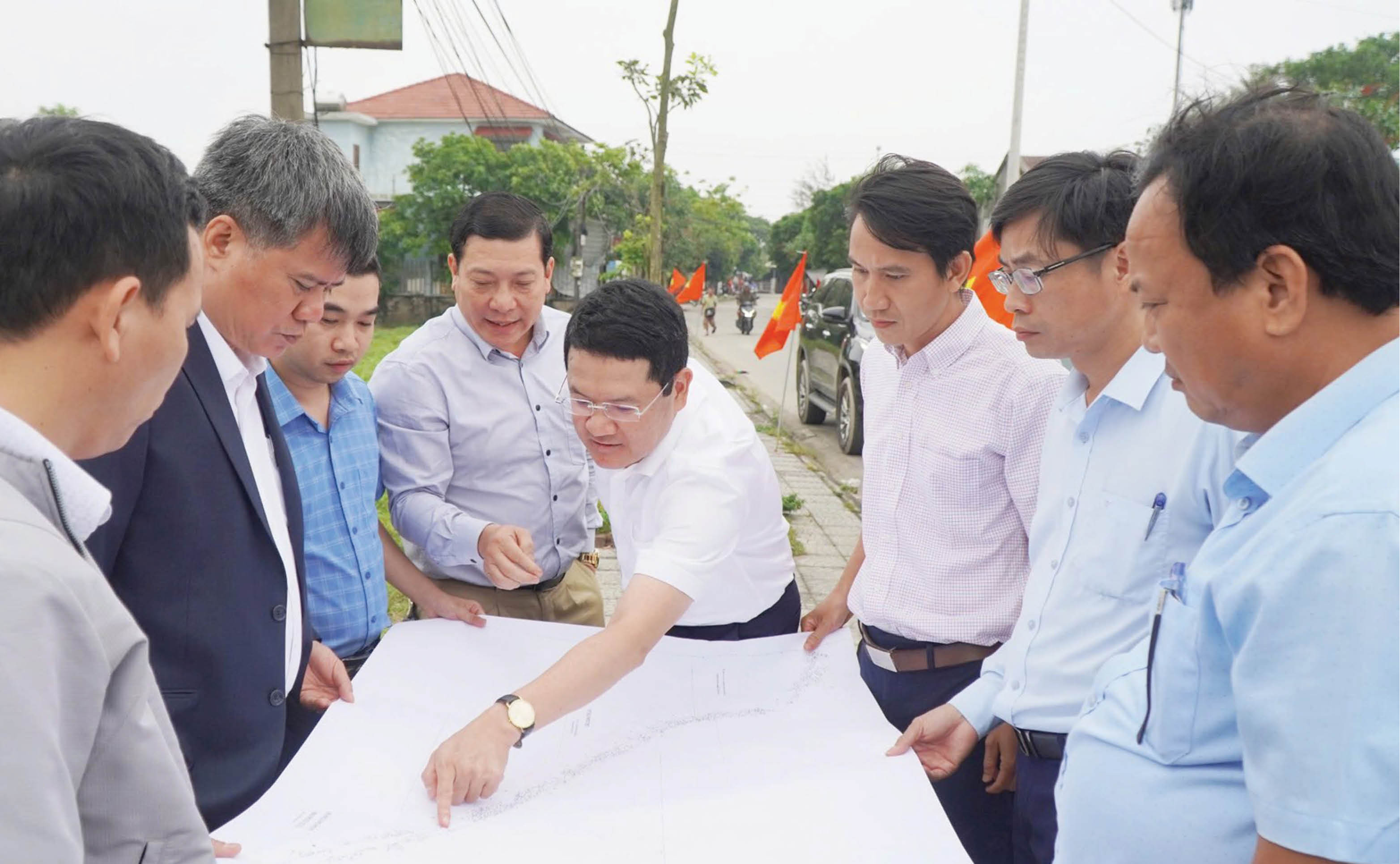
| Vice Chairman of the People's Committee of Ho Chi Minh City, Hoang Hai Minh (fifth from the left), during an inspection of the progress of transportation projects. |
Breaking free from dependence and creating opportunities for development.
Hue has long been known as a heritage city rich in cultural depth. However, in the new context, the old development model – heavily focused on administration, preservation, and budget dependence – has revealed many limitations. The city is compelled to transform itself to achieve further development.
Shifting from a conservation mindset to a development mindset, from purely administrative to creative economy , and from dependence on the budget to attracting social investment are fundamental changes that Hue is gradually implementing. The city has been gradually removing institutional, planning, and infrastructure barriers—bottlenecks that have hampered its growth for many years.
According to Mr. La Phuc Thanh, Director of the Department of Finance, Hue is developing a multi-pillar economic model with parallel driving forces: manufacturing and processing industry, heritage tourism , digital services, and urban economy. Industrial products such as automobiles, electricity, gloves, etc., which were once considered unfamiliar to the image of the ancient capital, are now becoming rapidly growing sectors. Specifically, automobile production reached over 2,100 units, an increase of nearly 13 times; electricity production increased by over 60%, gloves increased 3.4 times, and wood chips increased by more than 13% compared to the same period. High-tech industries are developing strongly in the Chan May - Lang Co Economic Zone, Phu Bai Industrial Park, etc.
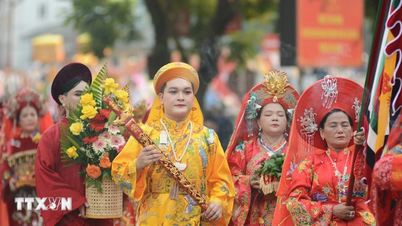
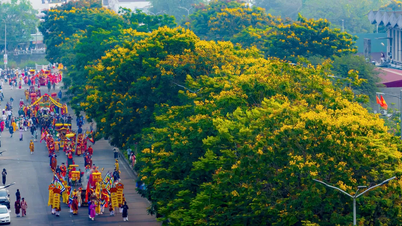
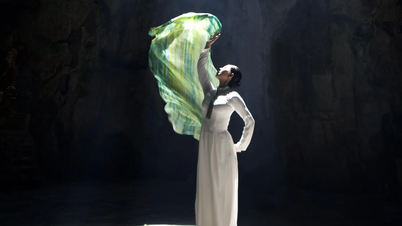
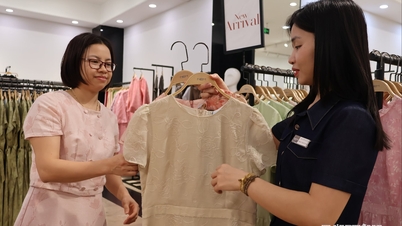
A highlight of Hue's development is the continued leading role of tourism. With over 3.4 million visitors in the first seven months of the year, including over 1.2 million international tourists, Hue achieved an impressive number. However, even more noteworthy is the strategic shift from exploiting heritage in the traditional way to creating innovative experiences – spaces showcasing traditional ao dai (Vietnamese dress), light festivals, bicycle tours to ancient villages, and experiences of royal cuisine…
According to Ms. Tran Thi Hoai Tram, Director of the Department of Tourism, the green and smart tourism mindset, centered on emotions and joyful, memorable experiences, has helped Hue create a distinct and sustainable competitive advantage.
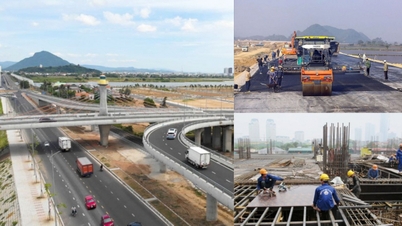
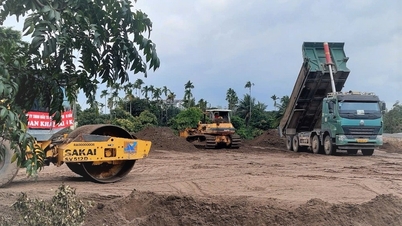
Along with reforming its growth model, Hue also focuses on promoting public investment. The city has developed a detailed disbursement plan for each month and each project. As of the end of July, the entire city had disbursed 3,034/4,521 billion VND, reaching 67.1%. Key projects are being accelerated. In addition, social housing construction projects are also receiving special attention from the city, not only to ensure housing needs but also to create a ripple effect in investment, construction, and consumption. The goal is to complete at least 1,200 units this year…
Creating a new foundation for long-term growth.
A major turning point in the reform process was the completion of the two-tiered local government model on July 1, 2025. 133 commune-level administrative units were reorganized into 40; 40 commune-level public administrative centers are operating synchronously, bringing the rate of online application processing to among the top in the country. Digital infrastructure has developed strongly, with the Hue-S platform integrating most public services, helping to reduce costs, shorten processing times, and increase trust among citizens and businesses.
In addition, urban planning is considered a highlight. As of July 2025, Hue had approved more than 500 planning projects, covering 100% of its area; and simultaneously implemented 22 local planning adjustments to remove bottlenecks and create favorable conditions for attracting investment and implementing projects.
According to the City People's Committee, in the revised scenario, Hue aims for a GRDP growth rate of 10% or more in 2025, with the last six months of the year reaching 10.6% or higher. The projected structure is: services growing by 9.5-10%, industry and construction by 14.5-15%, agriculture by 2-2.5%, and product taxes less subsidies by approximately 9%.
This is a challenging goal, but it is considered appropriate given the current growth trajectory. To achieve this goal, Hue must have five key elements: efficient infrastructure, a transparent investment environment, substantial support for businesses, prioritized development of new industries, and decisive government action.
“Among the solutions to promote growth, the city is focusing on supporting key projects to become operational, such as: Indochina Hotel, Hue International Hospital, FPT Education Complex, Hue Square Hotel... At the same time, ensuring the progress of projects starting construction around National Day on September 2nd, such as: Thuy Van Hotel Phase 2, Digital Data Center, 42 Phan Chu Trinh Commercial Project...”, informed Tran Huu Thuy Giang, Chief of the City People's Committee Office.
One of the most fundamental solutions is to perfect the institutional framework to suit the model of a centrally-governed city. Reorganizing administrative units and operating a two-tiered local government system not only streamlines the apparatus but also demands innovation in governance methods: serving instead of managing, digitizing processes, shortening processing times, and reducing costs for citizens and businesses.
In its future development orientation, along with traditional drivers such as exports, industry, agriculture, services, and tourism, Hue needs to seek and promote new drivers such as science and technology, innovation, digital transformation, and artificial intelligence... to create a substantial and sustainable transformation in the new development phase.
Source: https://huengaynay.vn/kinh-te/mo-khoa-tang-truong-hai-con-so-157152.html












































Comment (0)