

Differences in the structure of each person's gut and liver play a significant role for both doctors and patients. Currently, surgical procedures, medical treatments, and even dietary and lifestyle recommendations are designed for people with average body mass indexes. However, each person's digestive system can be different, according to US News & World Report .
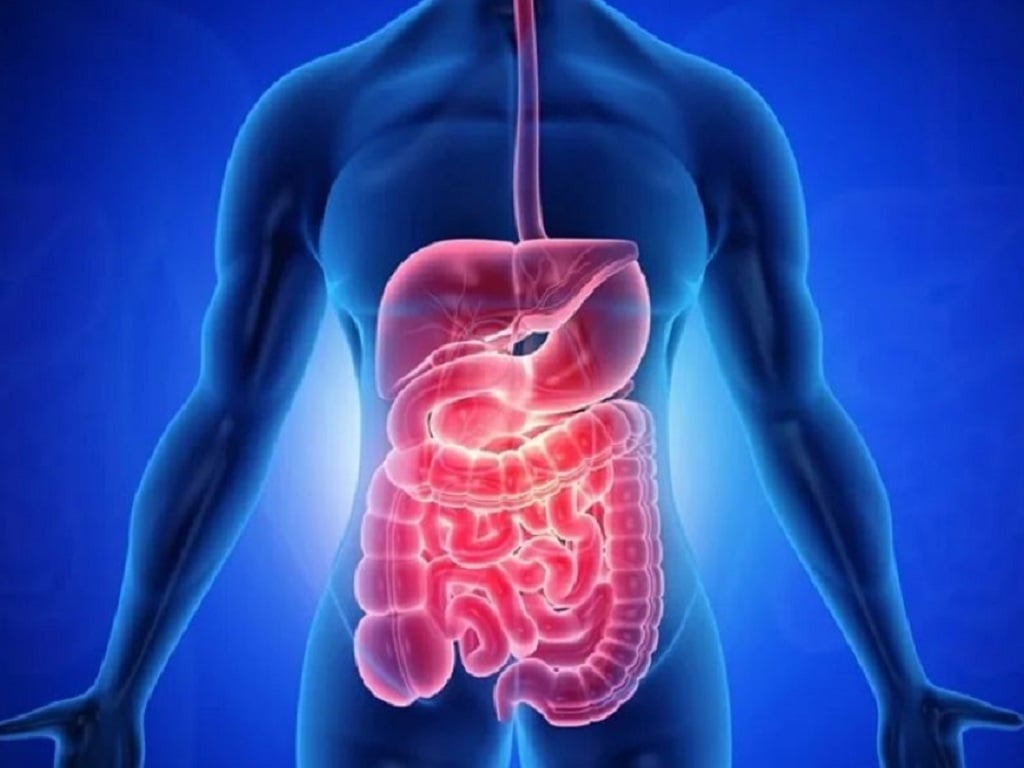
The structure of each person's intestines can be very different.
In the study, Associate Professor Erin McKenney and her colleagues at North Carolina State University (USA) dissected and measured the intestines and livers of 45 people who donated their bodies for medical research after death. They found that some people had larger-than-normal livers, while their small and large intestines were longer.
In fact, some organs are even in the wrong place. "I almost couldn't find someone's appendix because it was behind the cecum instead of in front," McKenney said.
Some people have cecums that are much larger than normal. A typical cecum measures about 3 to 5 cm. But during their study, the scientific team discovered one woman whose cecum measured 10 to 12 cm in length.
They also found that women's small intestines tend to be longer than men's, while men have longer large intestines. This finding supports the hypothesis that women are better able to survive than men during times of food scarcity. This is because their longer small intestines allow them to absorb nutrients from food more effectively than men.
Meanwhile, men have longer large intestines, which are better able to absorb water from stool. The longer the large intestine, the longer stool remains in it and the more water it absorbs. This can easily lead to constipation. Therefore, fiber and adequate water intake are more important for men's gut health.
"If you're talking to four different people, chances are they all have different guts," McKenney added.
The discovery that organs like the intestines and liver vary from person to person could lead to changes in healthcare. For example, differences in intestinal length may increase the risk of digestive problems such as irritable bowel syndrome. These individuals need care and counseling to better manage their health risks, according to US News & World Report .
Source link


![[Photo] Prime Minister Pham Minh Chinh holds a phone call with the CEO of Russia's Rosatom Corporation.](/_next/image?url=https%3A%2F%2Fvphoto.vietnam.vn%2Fthumb%2F1200x675%2Fvietnam%2Fresource%2FIMAGE%2F2025%2F12%2F11%2F1765464552365_dsc-5295-jpg.webp&w=3840&q=75)
































































Comment (0)