

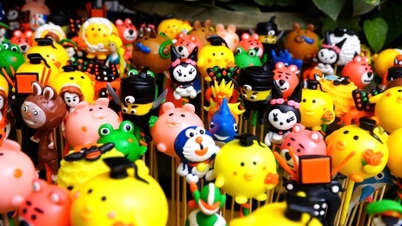
To he (traditional Vietnamese clay figurines) are a purely rural folk toy that has become an integral part of the spiritual life of countless generations of Vietnamese people. With skillful hands and dedication, the to he makers transform the lifeless clay into creative and colorful works of art.
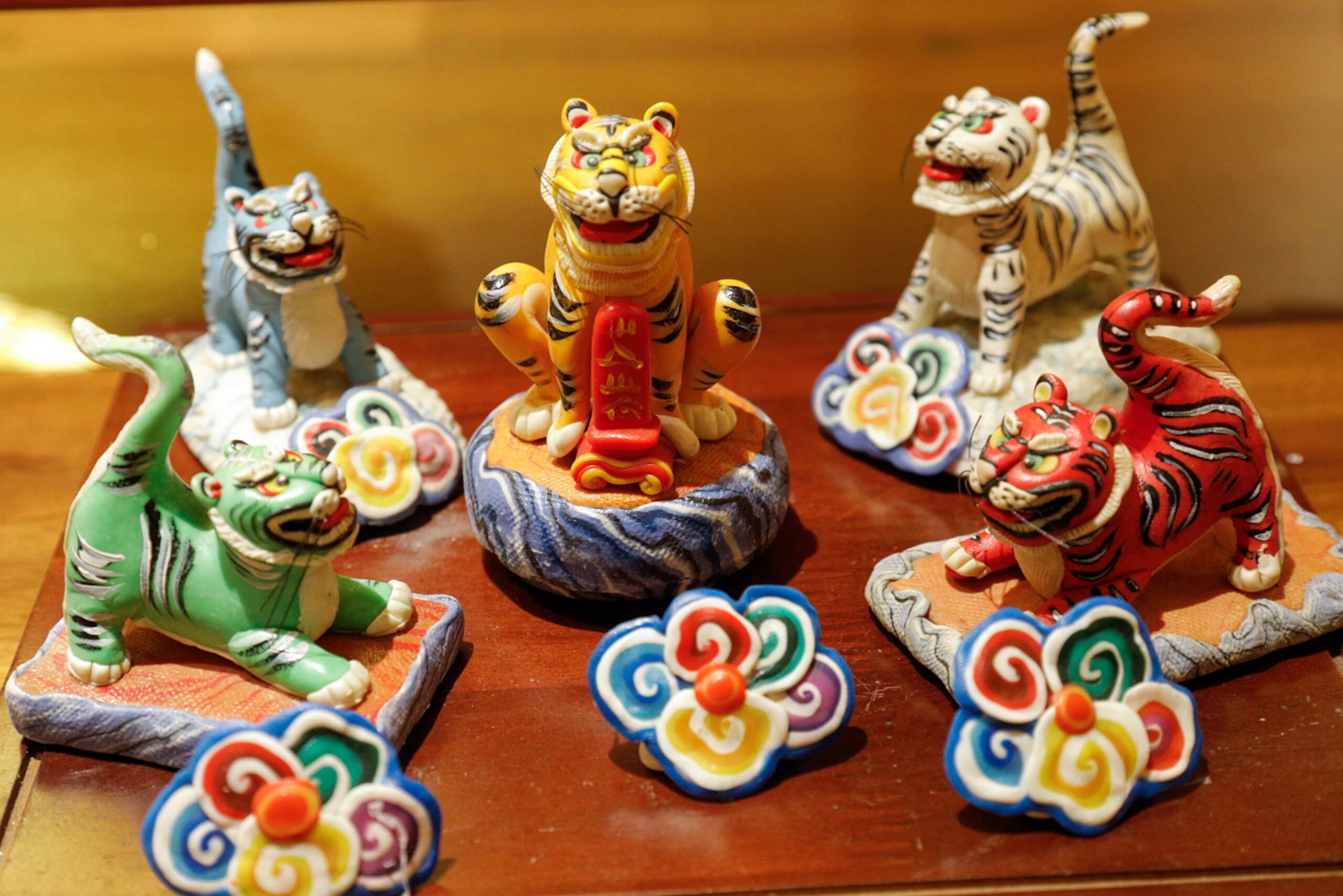 Vietnam.vn proudly presents the photo series "The Man Who Breathes Life into Traditional Vietnamese Clay Figurines" by author Tran Duc Hanh. The series captures the image of artisan Dang Van Hau, from Xuan La village, Phuong Duc commune, Phu Xuyen district, Hanoi, who has dedicated over 20 years to learning, researching, and improving traditional Vietnamese clay figurines. The series was submitted to the "Happy Vietnam" photo and video contest organized by the Ministry of Information and Communications .
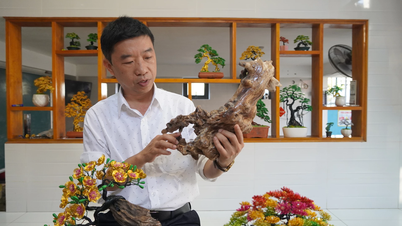
 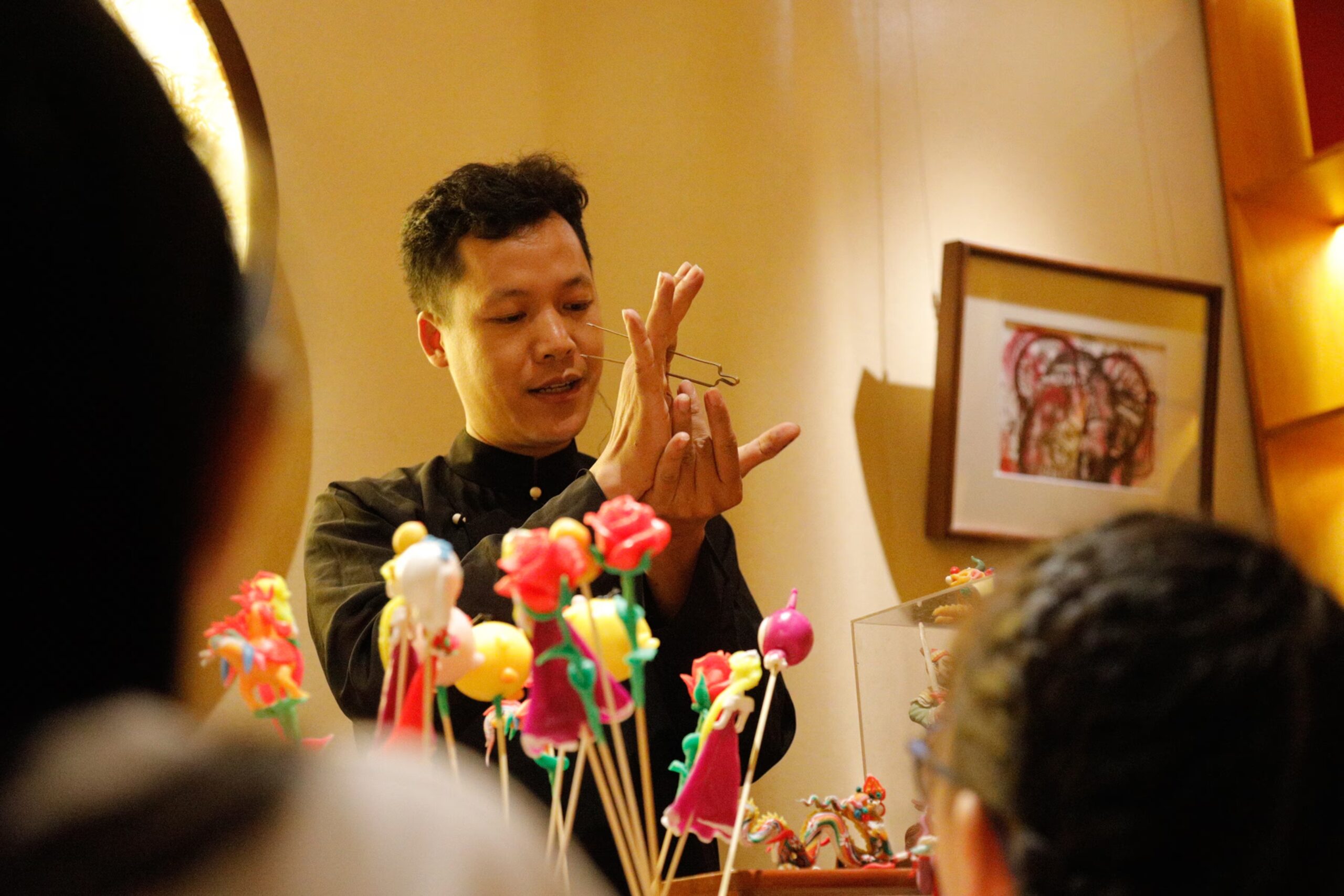 Artisan Dang Van Hau, from Xuan La village, Phuong Duc commune, Phu Xuyen district, Hanoi, has spent more than 20 years learning, researching, and improving traditional Vietnamese clay figurines (to he).
 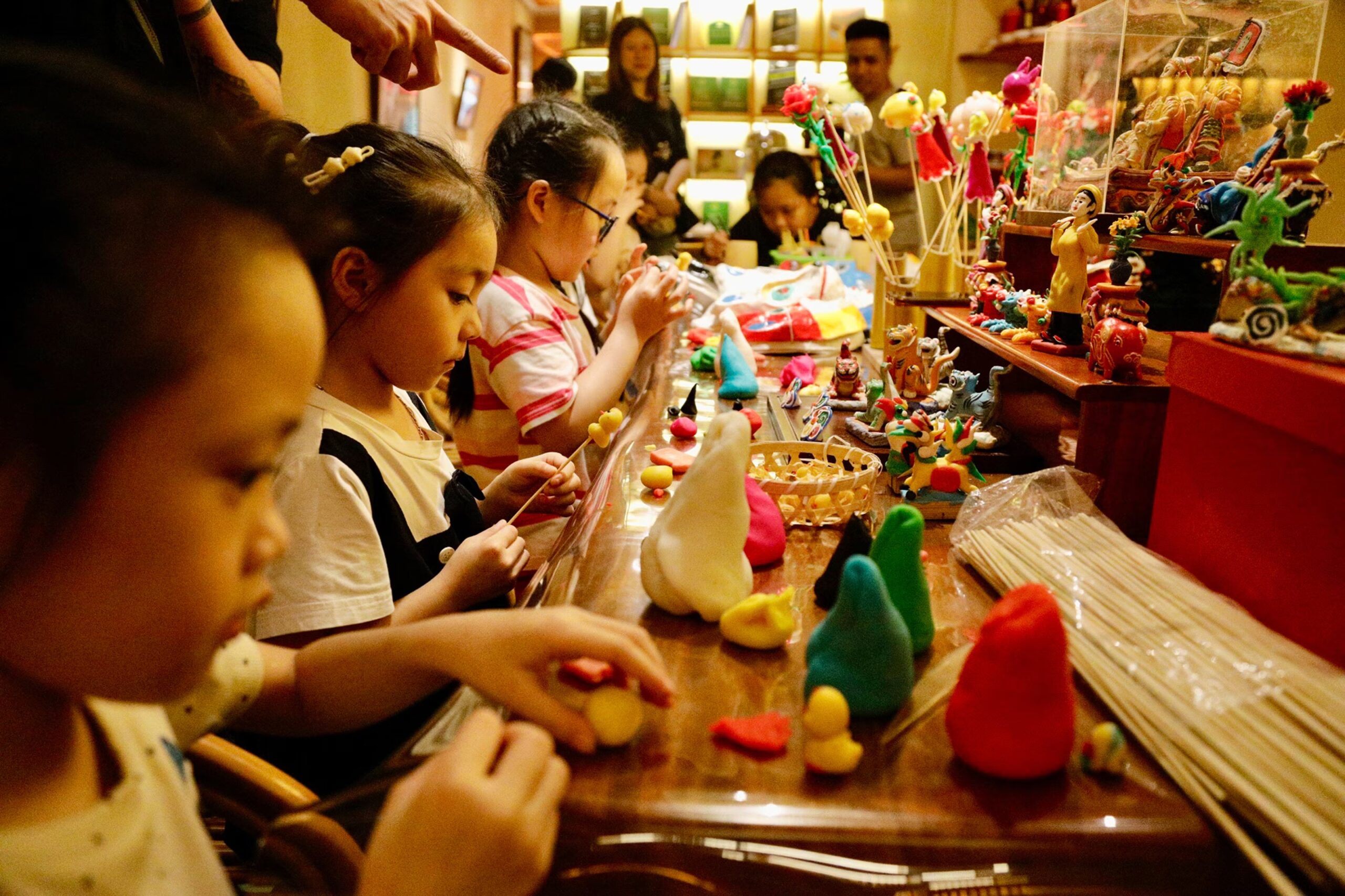 According to those who still preserve the craft in Xuan La village, the art of making tò he (traditional Vietnamese figurines made from rice dough) originated about 400-500 years ago. Previously, tò he making was a folk cultural tradition in rural areas of Vietnam, especially in the North. Initially, tò he were products used for religious ceremonies, so they often depicted animals. Because of this, tò he was also known as "bird and crane toys."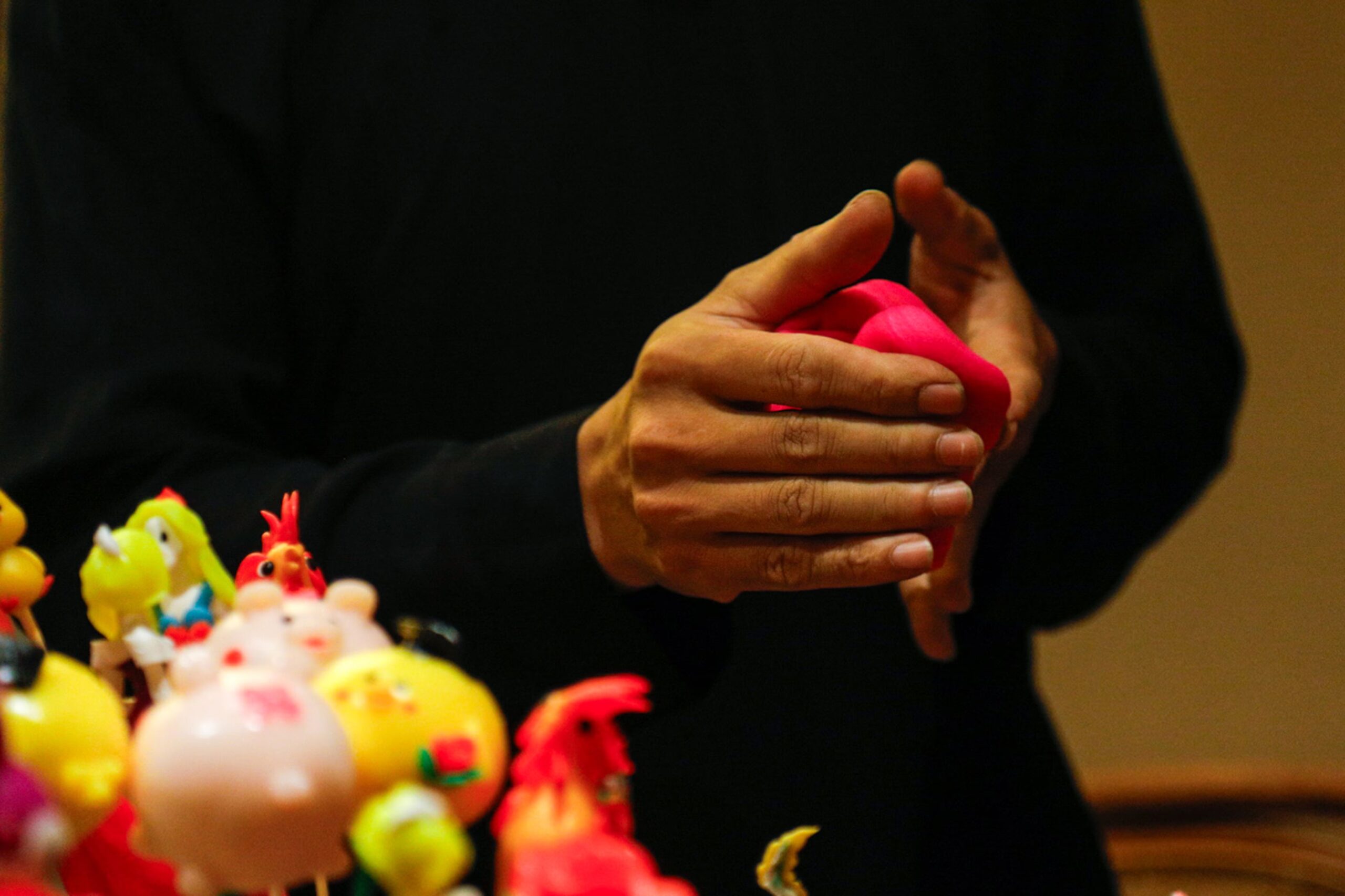
The ingredients for making tò he (traditional Vietnamese figurines made from glutinous rice and regular rice are mixed together, soaked in water, and then ground or pounded into flour; glutinous rice is easier to work with and produces a better quality product. The finished flour is kneaded thoroughly until it is no longer sticky to the hands before being formed into small balls and boiled until cooked. According to tò he artisan Dang Van Hau from Xuan La village, the important thing is the technique of boiling and preparing the flour according to the weather. The flour is more pliable in winter than in summer.
 The artisans who make tò he (traditional Vietnamese figurines made from glutinous rice flour) will "compete" in colors and mold the figures. The colors used to dye the dough are also derived from natural sources, from edible leaves and vegetables. For example, red from gac fruit, black from the plant known as "nhọ nồi" (a type of herb), and green from betel leaves and galangal leaves. Many elaborate steps are required, especially the dough preparation, to produce the smooth, glossy tò he figurines with vibrant colors.
 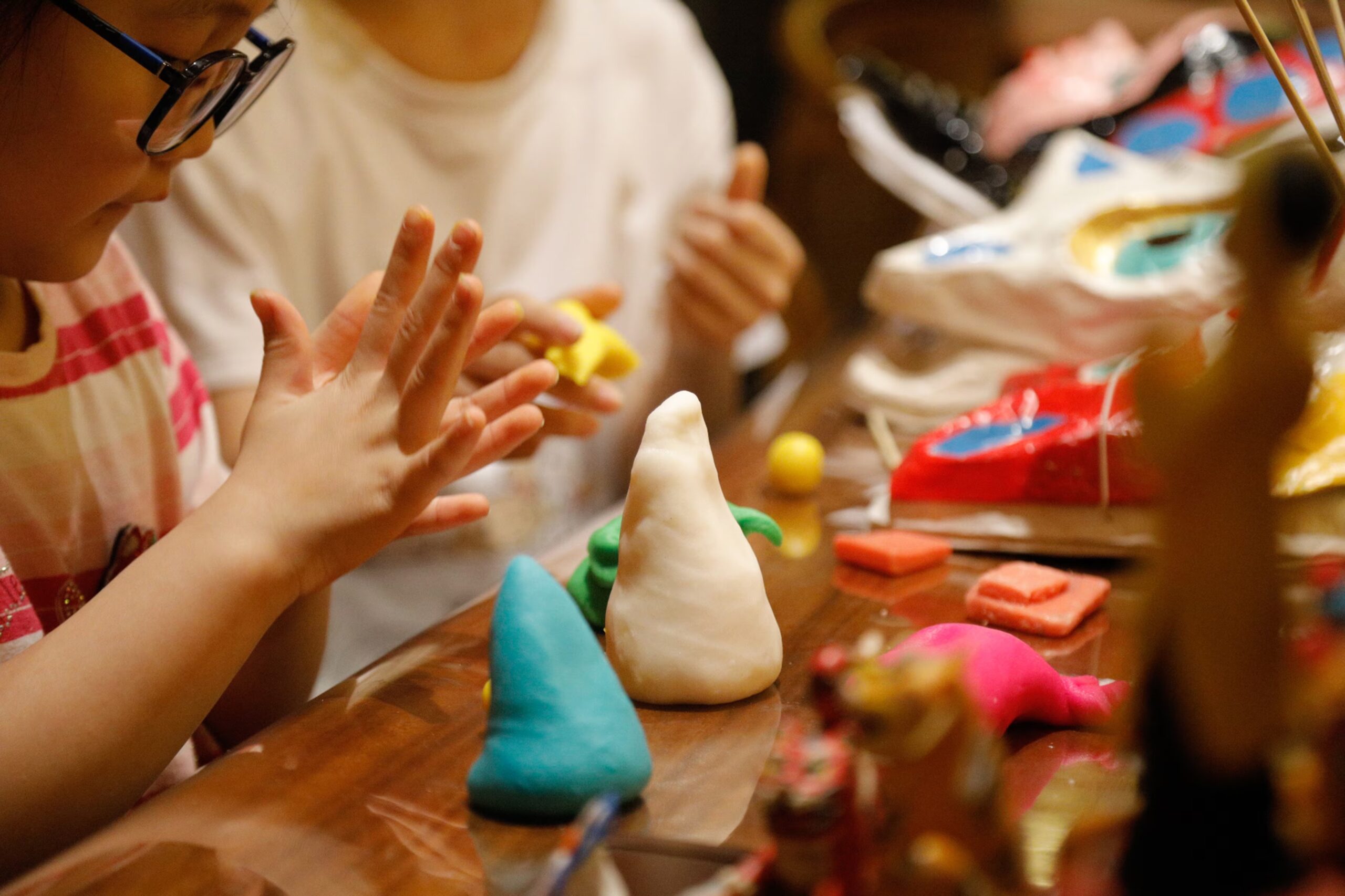 Not only is he keeping the traditional craft of making clay figurines alive in Xuan La village, but with his talent and passion, young artisan Dang Van Hau is also bringing the art of sculpting clay figurines to a wider audience of locals and tourists both domestically and internationally.
 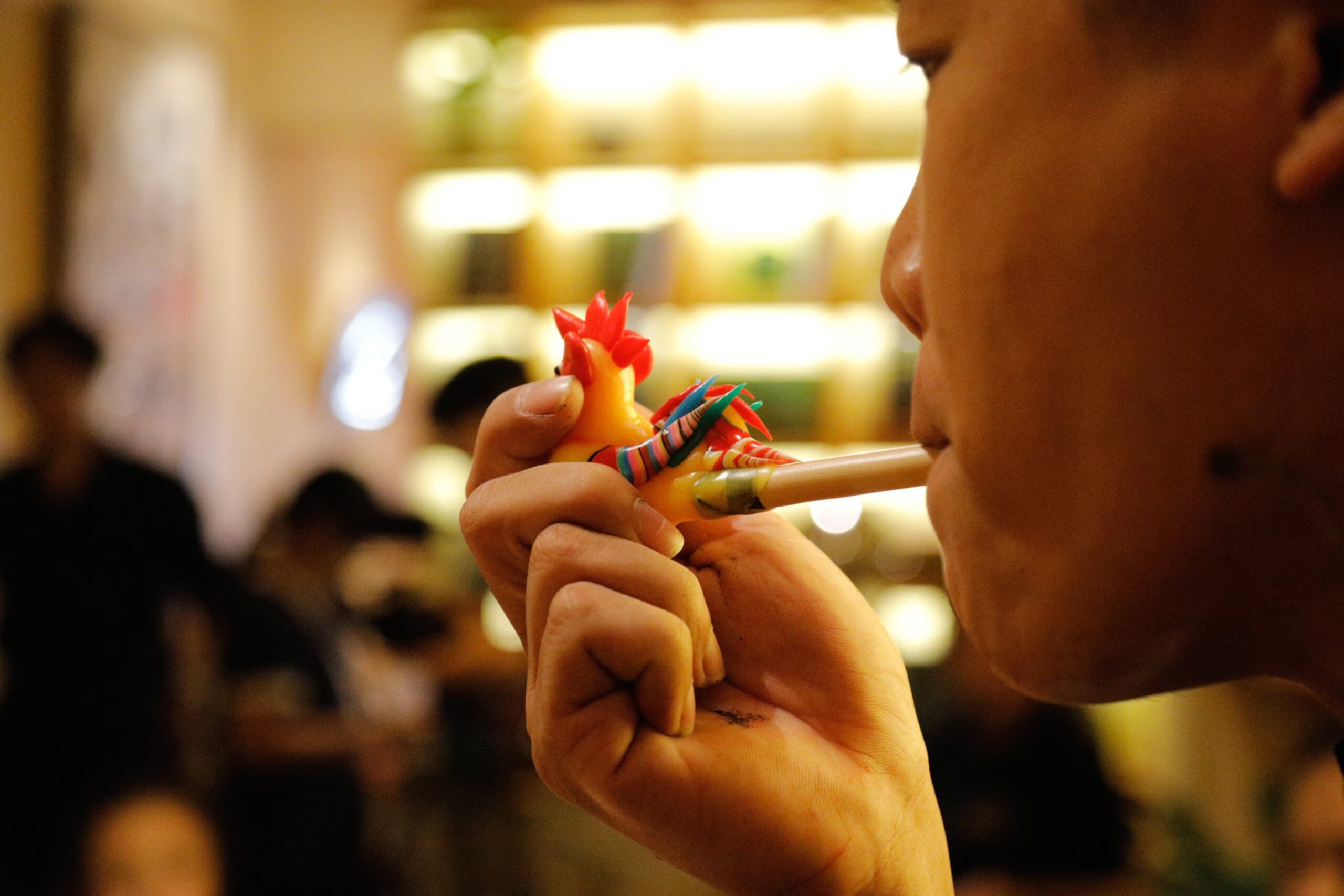 For both children and adults, domestically and internationally, people can preserve these toys for a very long time, possibly up to 3 years. At the same time, artisan Dang Van Hau is also creating a toy kit. This is a kit that allows participants to engage in the creation process of these products, thereby stimulating the creativity of players, especially children.”
 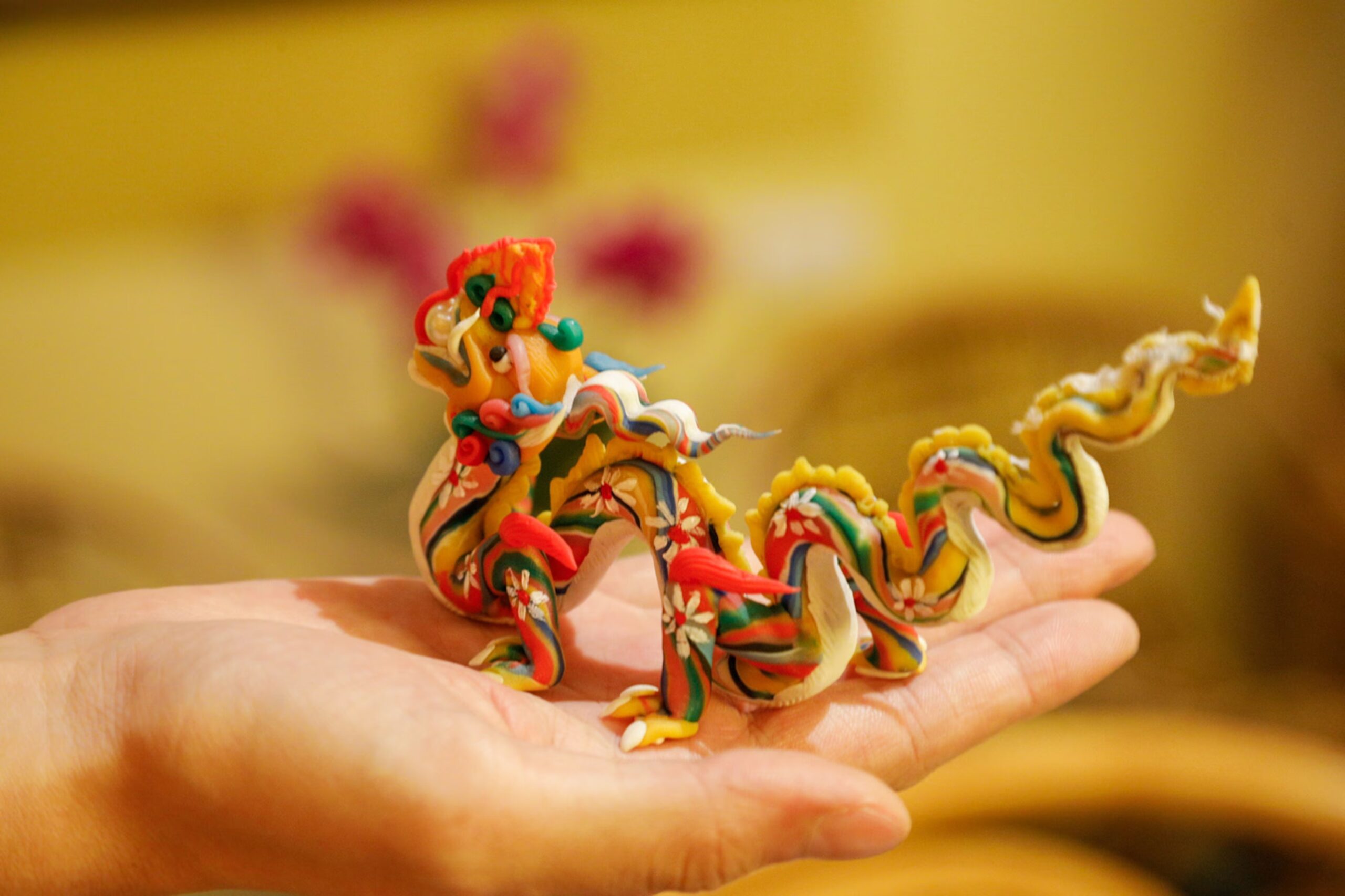 In some areas of Northern Vietnam, it's also called "animal-shaped cakes" because, besides animal shapes, people also mold dough into bunches of bananas, betel nuts, pork legs, plates of sticky rice, etc., creating offerings to take to temples. Later, the product was attached to a pipe-shaped horn, with a little malt syrup brushed on the end. When blown, it produced a "to te" sound, hence the name "to te," which later became "to he" through phonetic transcription.
 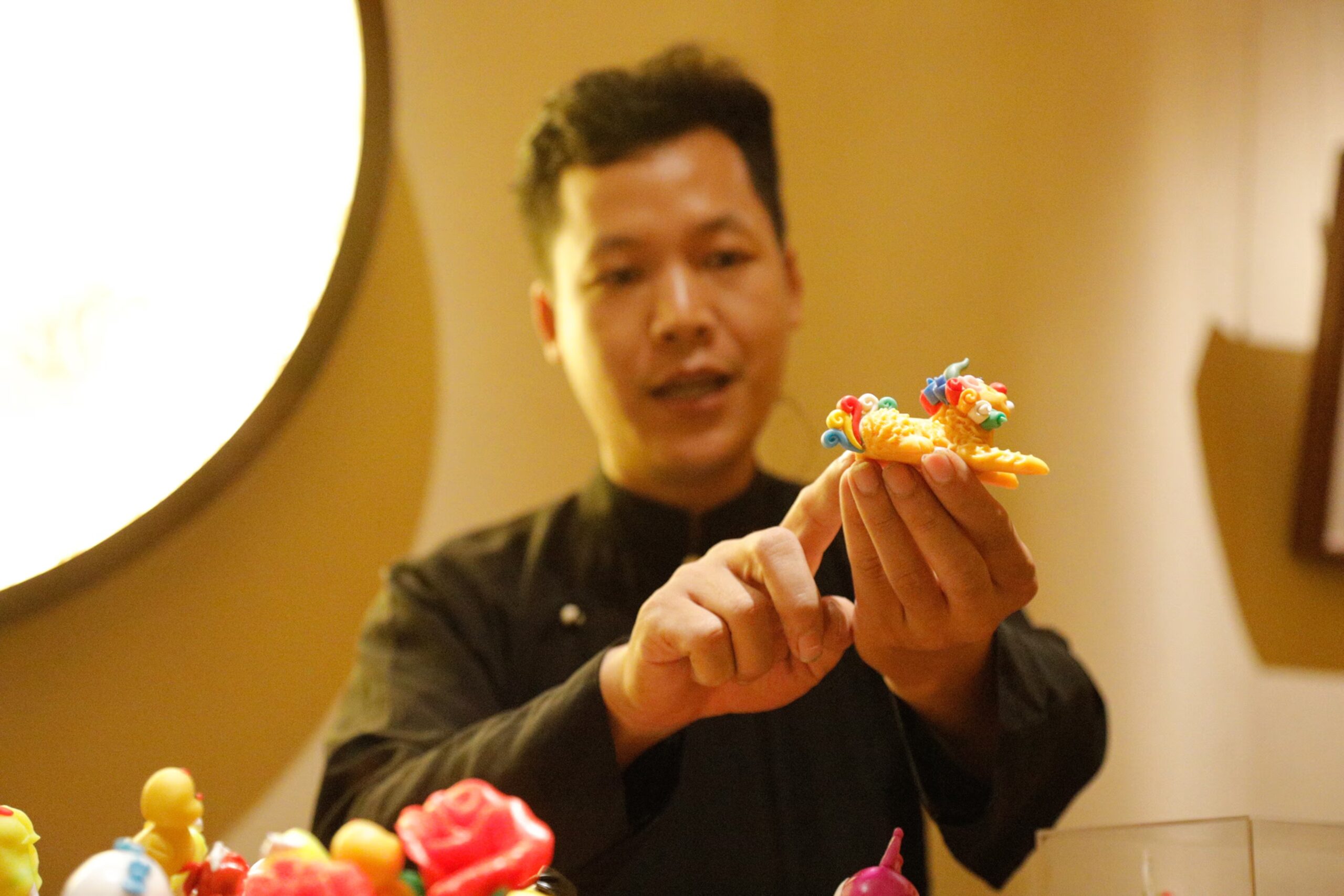 Today, artisans in Xuan La village still directly make and pass on the traditional crafts to their descendants.
  The traditional toy-making village of Phu Xuyen is a unique craft village with many artisans possessing "golden hands." They are highly skillful and meticulous in creating products rich in folk art, helping to improve the economic lives of the local people. Currently, the toy-making product has been recognized as a 4-star OCOP product. Local people hope that the Hanoi People's Committee, the Department of Industry and Trade, etc., will continue to implement promotional programs, open more points of sale for OCOP products and traditional crafts so that the toy-making village of Phu Xuyen district in particular, and Hanoi's traditional crafts in general, will become known to more people, tourists, and visitors both domestically and internationally. In 2024, the "Happy Vietnam" photo and video contest will continue to be organized by the Ministry of Information and Communications in coordination with the Vietnam Association of Photographic Artists on the website. https://happy.vietnam.vn is open to all Vietnamese citizens and foreigners aged 15 and above. The competition aims to honor individuals and groups with positive informational products that make practical contributions to promoting a beautiful image of Vietnam to the world . Through this, it helps people at home, overseas Vietnamese, and international friends access authentic images of Vietnam, its people, its achievements in ensuring human rights, and towards a happy Vietnam. Each competition category (photos and videos) has the following prizes and prize values: – 1 Gold Medal: 70,000,000 VND – 2 Silver Medals: 20,000,000 VND – 3 Bronze Medals: 10,000,000 VND – 10 Consolation Prizes: 5,000,000 VND – 1 Most Voted entry: 5,000,000 VND. Winning authors will be invited by the Organizing Committee to attend the Award Ceremony and Certificate Presentation, broadcast live on Vietnam Television.
Vietnam.vn



































































Comment (0)