

Venus, Jupiter, Mars, Saturn… will have some interesting “shows” in the sky that astronomy enthusiasts can observe in 2025. Below is the forecast from the Hanoi Astronomical Society (HAS).
1. Venus reaches its maximum elongation to the east (January 10th)
Venus will be farthest from the sun during its appearance in the evening sky at 3:31 PM on January 10, 2025. The planet will shine with an apparent magnitude of 4.4 and will be easily visible to the naked eye in the west shortly after sunset.

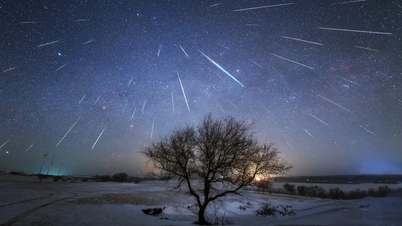
The night sky in 2025 will feature a fascinating display of planets.
PHOTO: HUY HYUNH
Typically, when observed from Earth, Venus appears close to the sun in the sky and is "drenched" in the bright light of this star for most of the time. At its maximum elongation, Venus appears so bright and prominent that it becomes the second brightest object in the night sky after the moon. These appearances repeat approximately every 1.6 years.
2. Mars reaches opposition (January 16th)
Mars reached opposition, its position directly opposite the sun in the sky as observed from Earth, at 9:32 a.m. on January 16th. Mars appeared approximately 7° above the northeastern horizon shortly after sunset, reached its highest point in the sky at midnight, and remained at about 10° northwest at dawn. At the same time it reached opposition, Mars also approached its closest point to Earth, making it appear brightest and largest during this appearance.
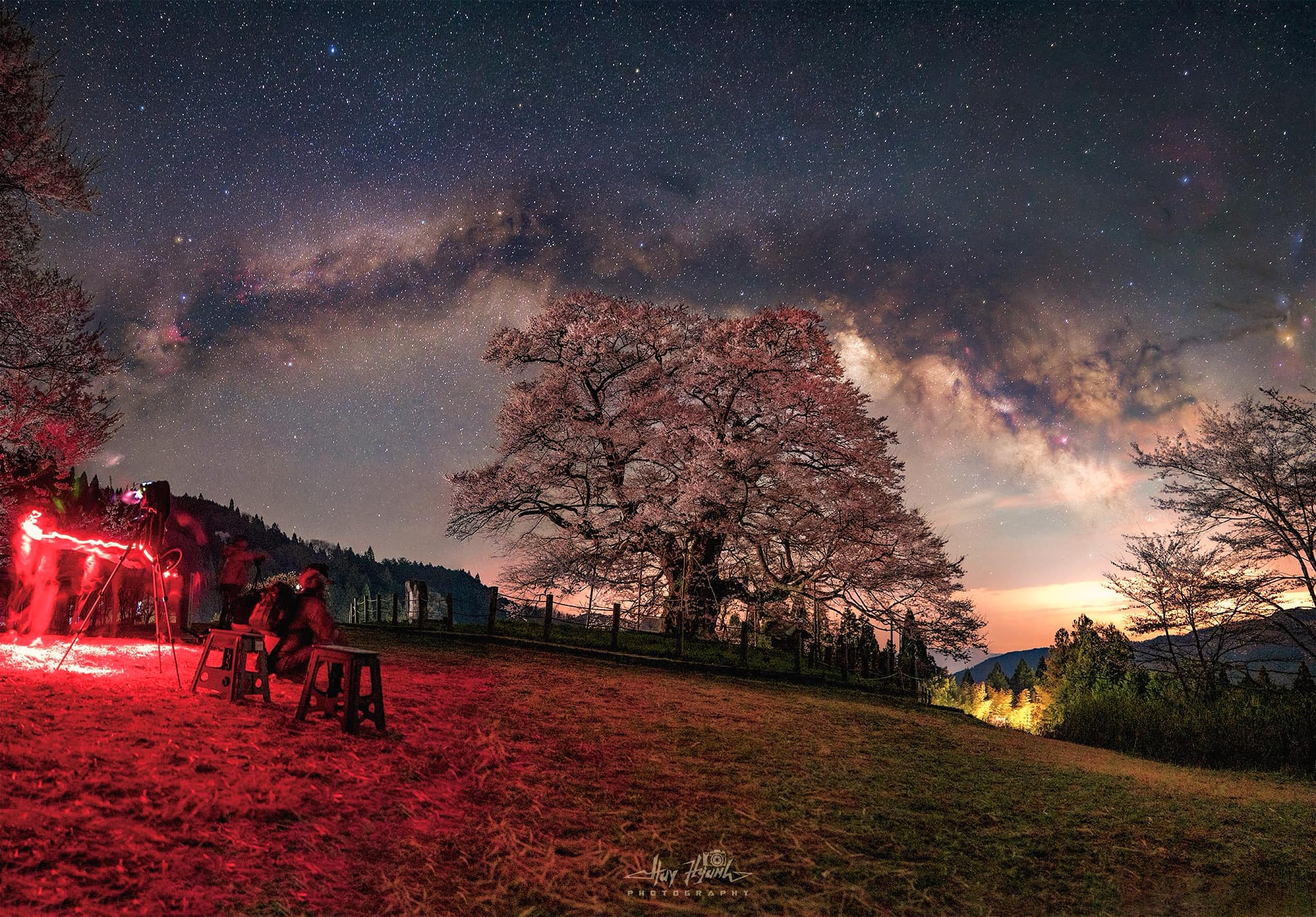
Which planet in the solar system are you looking forward to observing in 2025?
PHOTO: HUY HYUNH
3. Venus reaches its maximum elongation to the west (June 1st)
After briefly leaving its evening spectacle, Venus quickly returns to shine brightly in the early morning sky just before sunrise. On June 1st, the planet will reach its westernmost elongation. Venus will be a brilliant, bright dot attracting all the light. It will rise in the sky at 2:30 a.m. and be approximately 36° above the eastern horizon at sunrise.
4. Venus and Jupiter are in conjunction (August 12th)
The two brightest planets in the night sky began approaching each other several days prior. On the morning of August 12th, they will appear to be less than 1° apart, marking their closest approach of 2025.
This "pair" will rise from the eastern horizon at 2:53 a.m. and be approximately 31° above the horizon at sunrise. The most recent conjunction between these two planets occurred in March 2023, and we have had to wait over two years to observe this fascinating encounter again. If you miss this conjunction, you will have to wait until June 2026 to once again witness the reunion of these two most prominent bright spots in the night sky.
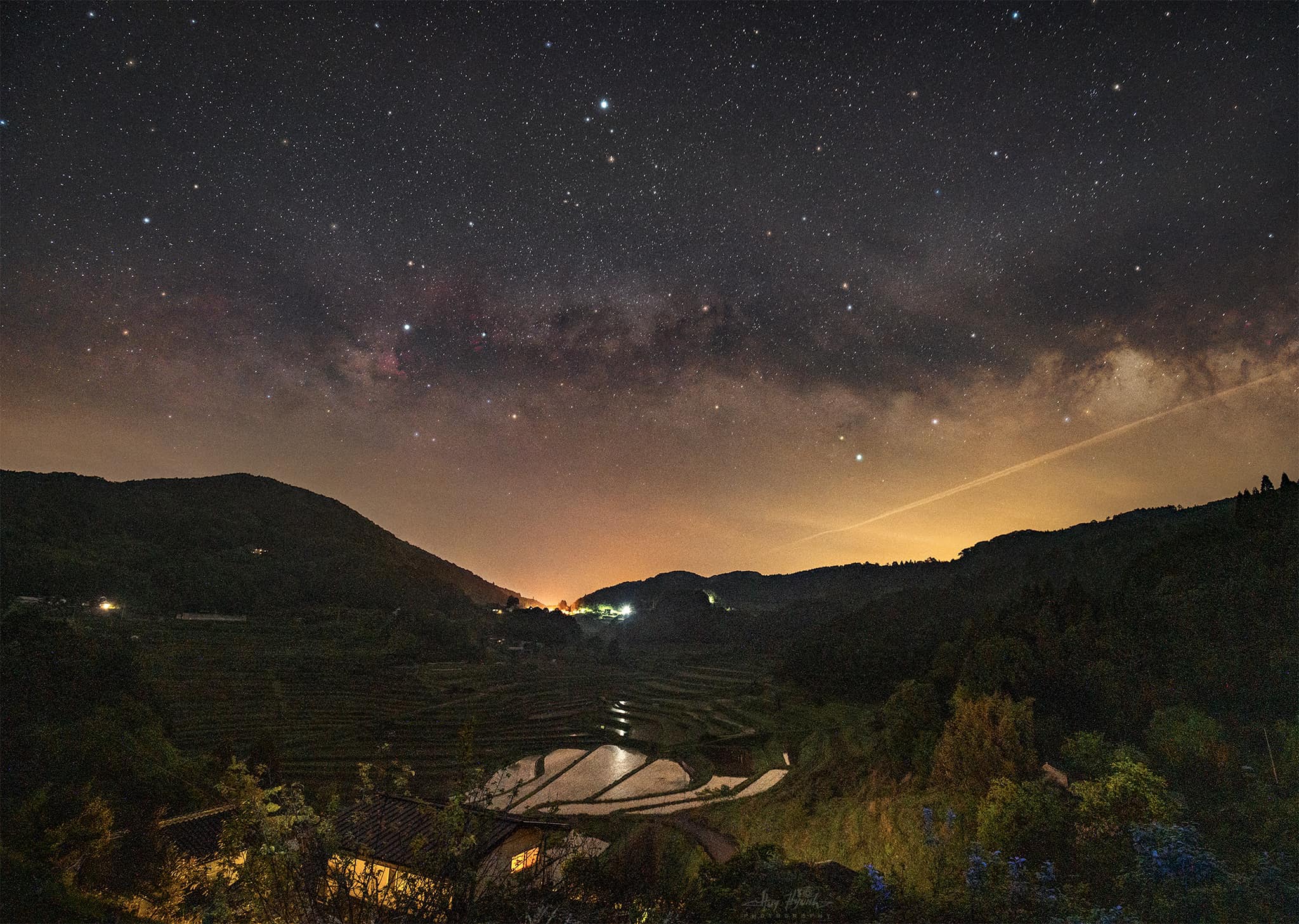
5. Saturn reaches opposition (September 21st)
Saturn will reach opposition, the position opposite the sun in the sky when observed from Earth, at 12:37 PM on September 21st. From Hanoi, Saturn can be observed starting at 6:43 PM when the planet is approximately 11° above the eastern horizon.
At the same time Saturn reaches opposition, it will also be closest to Earth, making the planet brightest and largest of the year. For a few hours around opposition, if observed through a sufficiently powerful telescope, you will see Saturn's rings appear significantly brighter than the planet's disk.
Thanhnien.vn


![[Photo] Prime Minister Pham Minh Chinh attends the Conference summarizing and implementing tasks of the judicial sector.](/_next/image?url=https%3A%2F%2Fvphoto.vietnam.vn%2Fthumb%2F1200x675%2Fvietnam%2Fresource%2FIMAGE%2F2025%2F12%2F13%2F1765616082148_dsc-5565-jpg.webp&w=3840&q=75)




























































































Comment (0)