

Affirming that implementing Resolution 57 is a key task of the Ministry of Science and Technology , Minister Nguyen Manh Hung expressed his hope that the leaders of the Ministry's units would have a new understanding and new energy to successfully complete the challenging tasks in the coming period.
Special policies have "hit the mark," removing bottlenecks.
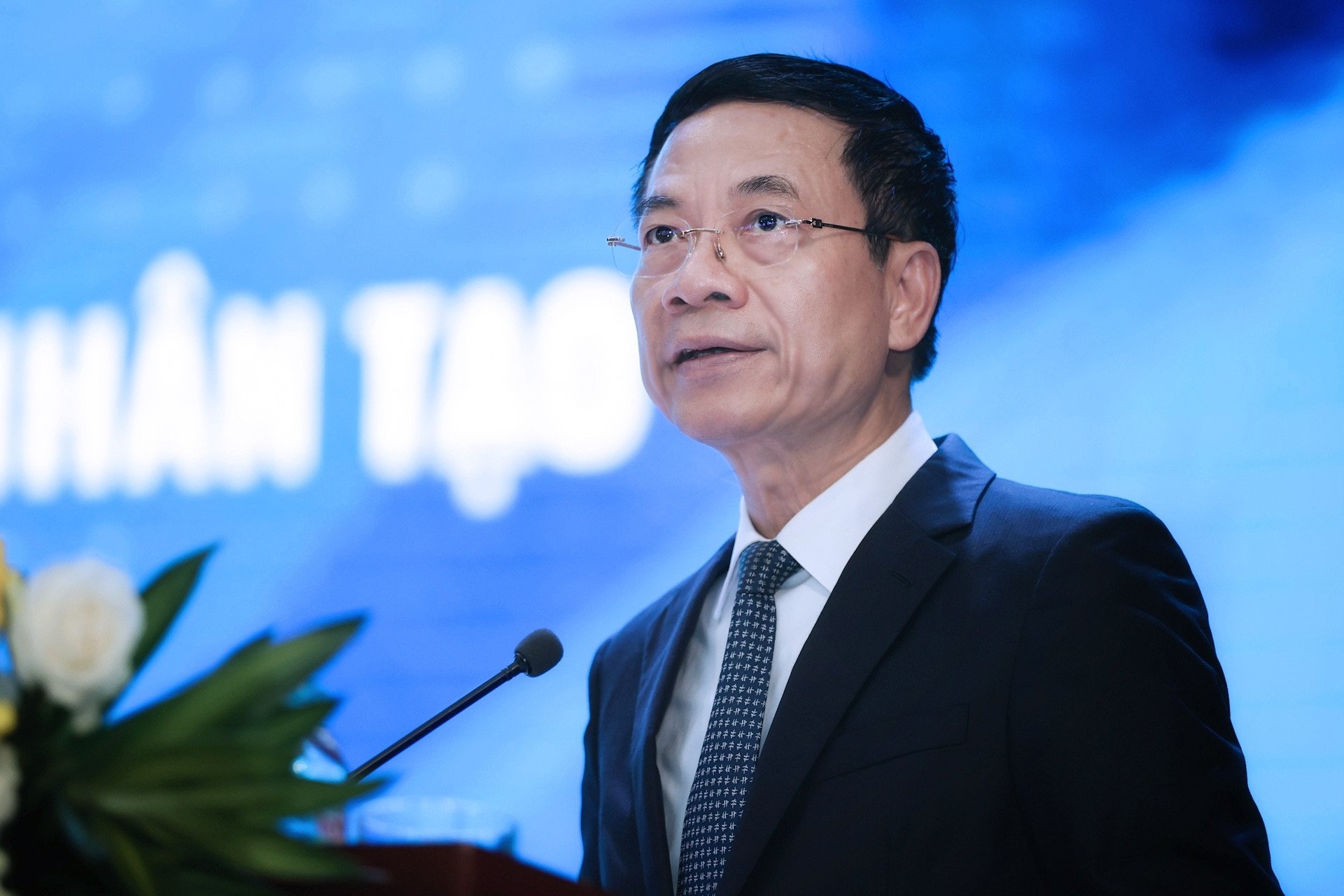
On the afternoon of March 6th, immediately after the announcement of decisions on organizational and personnel matters of the new Ministry of Science and Technology (MST), Minister Nguyen Manh Hung chaired the Ministry's February monthly meeting on state management.
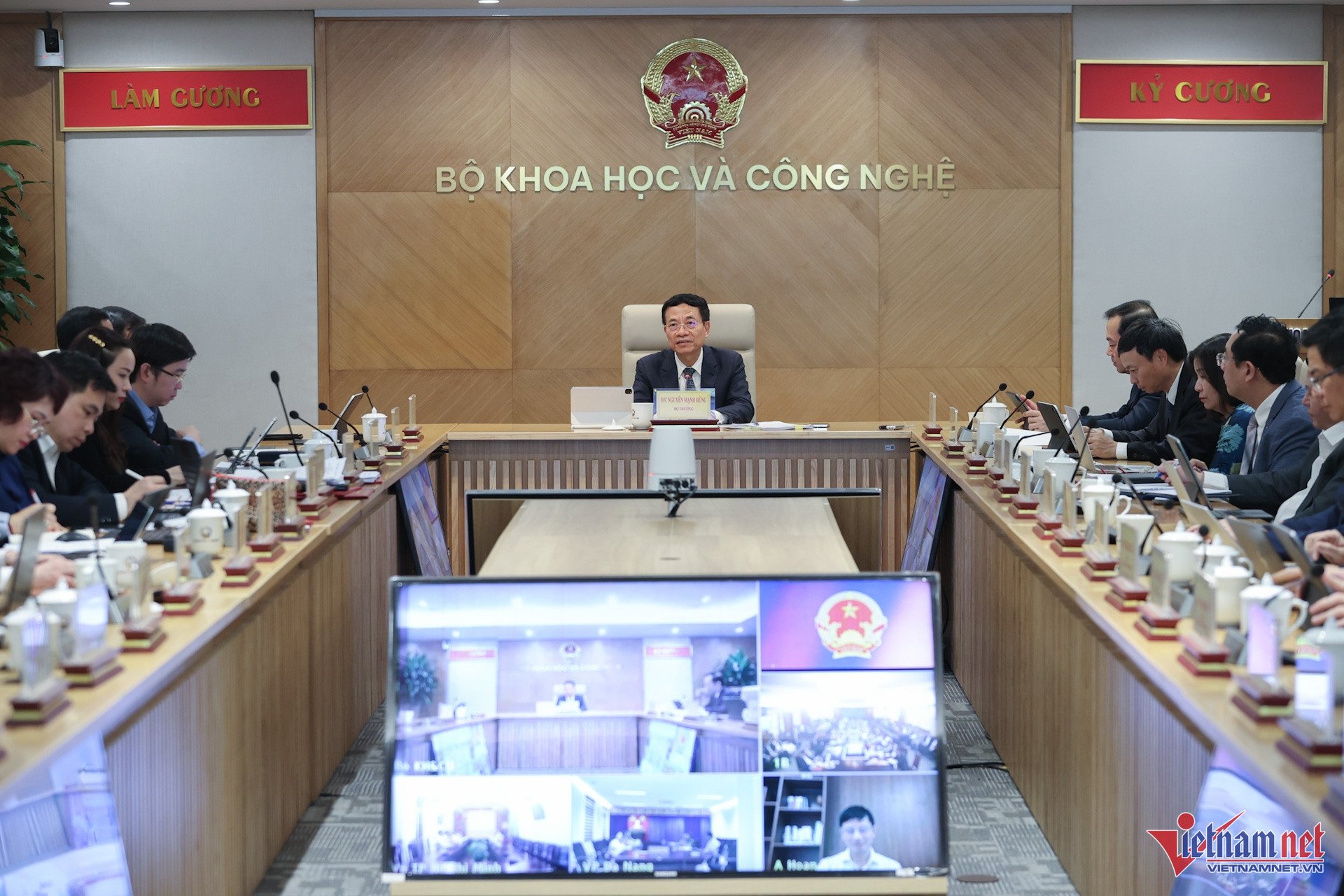
Held in a hybrid format (in-person and online), the conference was also attended by five Deputy Ministers of Science and Technology: Bui The Duy, Pham Duc Long, Le Xuan Dinh, Hoang Minh, and Bui Hoang Phuong, along with heads and deputy heads of agencies, units, and enterprises under the Ministry.
Through the video clip shown at the beginning of the conference, some of Minister Nguyen Manh Hung's guiding ideas and viewpoints on science and technology (S&T), innovation, and digital transformation were disseminated to all key officials of the newly established Ministry of Science and Technology.
The head of the Ministry of Science and Technology emphasized that Resolution 57 has identified the trio of Science and Technology, Innovation, and Digital Transformation as the three main pillars for national development in the new era, and stated: “For the first time, the trio of Science and Technology, Innovation, and Digital Transformation are included in a single Politburo Resolution and also in a merged Ministry of Science and Technology (a new Ministry formed from the former Ministry of Science and Technology and the latter from the former Ministry of Information and Communications). Simultaneously, this creates a synergistic force to drive Vietnam's development faster and stronger in the new era, serving as the main impetus for Vietnam to become a high-income developed country.”
This clip features some of Minister Nguyen Manh Hung's thoughts and views on science and technology, innovation, and digital transformation. Source: Ministry Office.
During a direct exchange at the conference, affirming that the implementation of Resolution 57 is a priority for the Ministry's leadership, Minister Nguyen Manh Hung requested that heads of units and assigned officials also consider it a key task to focus on and strive to accomplish.
Resolution 57 identified the "bottleneck of bottlenecks" as institutions, so the first thing to focus on and do as quickly as possible is to address institutions. In this spirit, in February, the National Assembly issued Resolution 193 on piloting a number of special mechanisms and policies to create breakthroughs in the development of national science and technology, innovation, and digital transformation.
Commenting on the effectiveness of the special policies outlined in Resolution 193, Minister Nguyen Manh Hung cited the following examples: Exactly one week after the National Assembly passed this Resolution, one enterprise submitted a proposal to request permission to test low-orbit satellites with 100% foreign investment; two Vietnamese network operators committed to investing $1.2 billion in 2025 to build 5G networks, quadrupling the number of 5G base stations compared to 2024; four Vietnamese enterprises committed to investing in nine submarine fiber optic cables; and four domestic enterprises committed to investing in data centers with a total capacity of 200 MW.
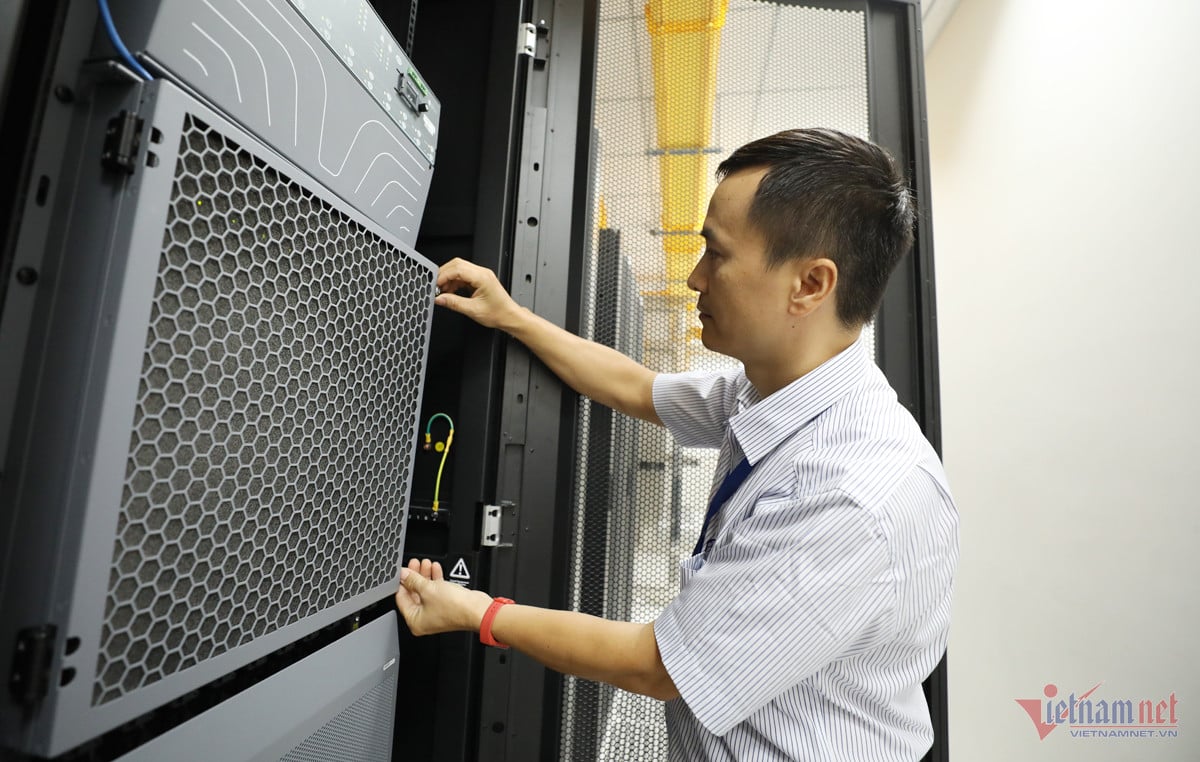
These commitments, once realized, will contribute to the development of the industry and the country. For example, if the two network operators invest in developing 5G networks as committed, Vietnam's mobile speeds will increase fourfold, thereby boosting GDP by at least 1-2%. Similarly, with the investment in nine additional submarine cables, the number of undersea cables connecting Vietnam to the international internet will increase to 15, enhancing the security and sustainability of the national digital infrastructure.
Based on the initial results of Resolution 193, the head of the science and technology sector noted: "When considering new, breakthrough policies, we must always think about what it will ultimately create and use that as a benchmark. If we hit the mark, we must have measurable results."
Regarding institutional development, Minister Nguyen Manh Hung reminded all heads of units within the Ministry to elevate their thinking, not limiting themselves to the mindset of departmental and divisional leaders, in order to improve the quality of documents. At the same time, they should boldly trust and delegate tasks to employees to help them grow; however, they need a "backup" and support to prevent mishaps.
Along with requiring units to be proactive and avoid delays in submitting documents, Minister Nguyen Manh Hung also provided specific guidance such as: Each law and each institutional document must have a leading specialized unit, with a key personnel responsible for synthesizing ideas and writing the main text; the drafting dossier for each law must retain records of the drafting team and explanations of the viewpoints presented; after receiving the task of drafting an institutional document, the unit and key personnel must identify major issues and hold a meeting to seek the Ministry's leadership's opinion on how to handle and resolve those issues... The Legal Department was tasked with compiling these notes to develop a handbook guiding institutional drafting at the Ministry of Science and Technology.
Standardize methods and increase the use of virtual assistants.
At the first state management briefing conference of the new Ministry of Science and Technology, Minister Nguyen Manh Hung agreed with the leaders of the units on the working methods of the Ministry.
Specifically, unit heads are direct subordinates of the Minister; however, by authorization of the Minister, for matters already regulated (up to 95%), heads of departments and divisions report to the Deputy Minister in charge, and the matter is essentially resolved by the Deputy Minister. For new or complex matters, unit leaders will report directly to the Minister.
The Minister of Science and Technology manages work on a weekly basis, while heads of units within the Ministry are required to manage work on a daily basis. Quarterly, the Minister assigns tasks to unit heads and evaluates performance based on the number of tasks completed on time or not, as recorded in the IT system.
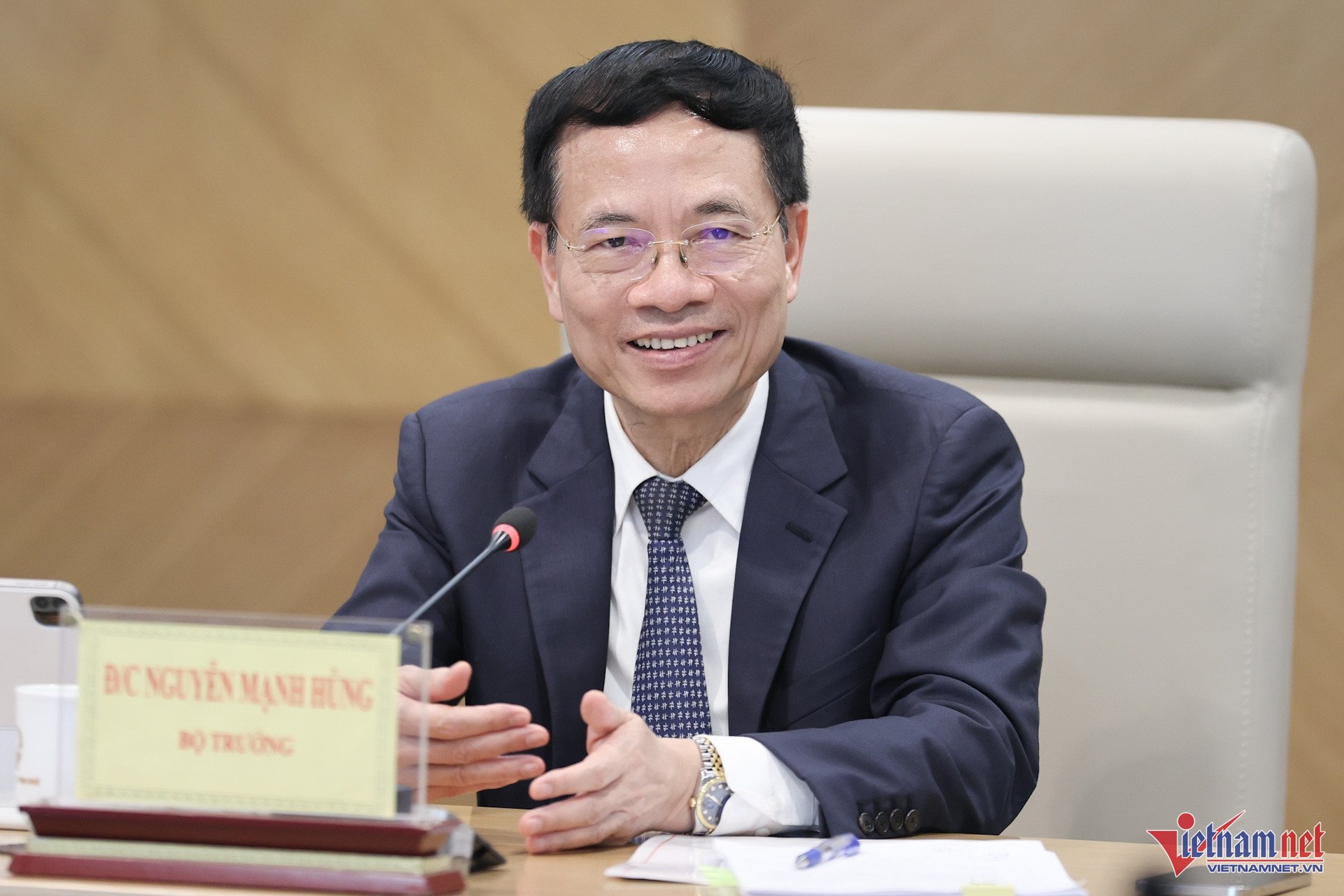
At the conference, leaders of units under the Ministry of Science and Technology experienced a new way of discussing and clarifying issues through question-and-answer sessions.
Specifically, through a question-and-answer session to clarify the meaning of the concept of "Strategic Technology" as defined by South Korea, Minister Nguyen Manh Hung instructed the Director of the Department of Science, Technology and Engineering, Dam Bach Duong, and leaders of other units on the importance of thoroughly reading and understanding each issue. "Instead of reading 10 proposals, just read one, but understand every sentence and every word in it," the Minister emphasized.
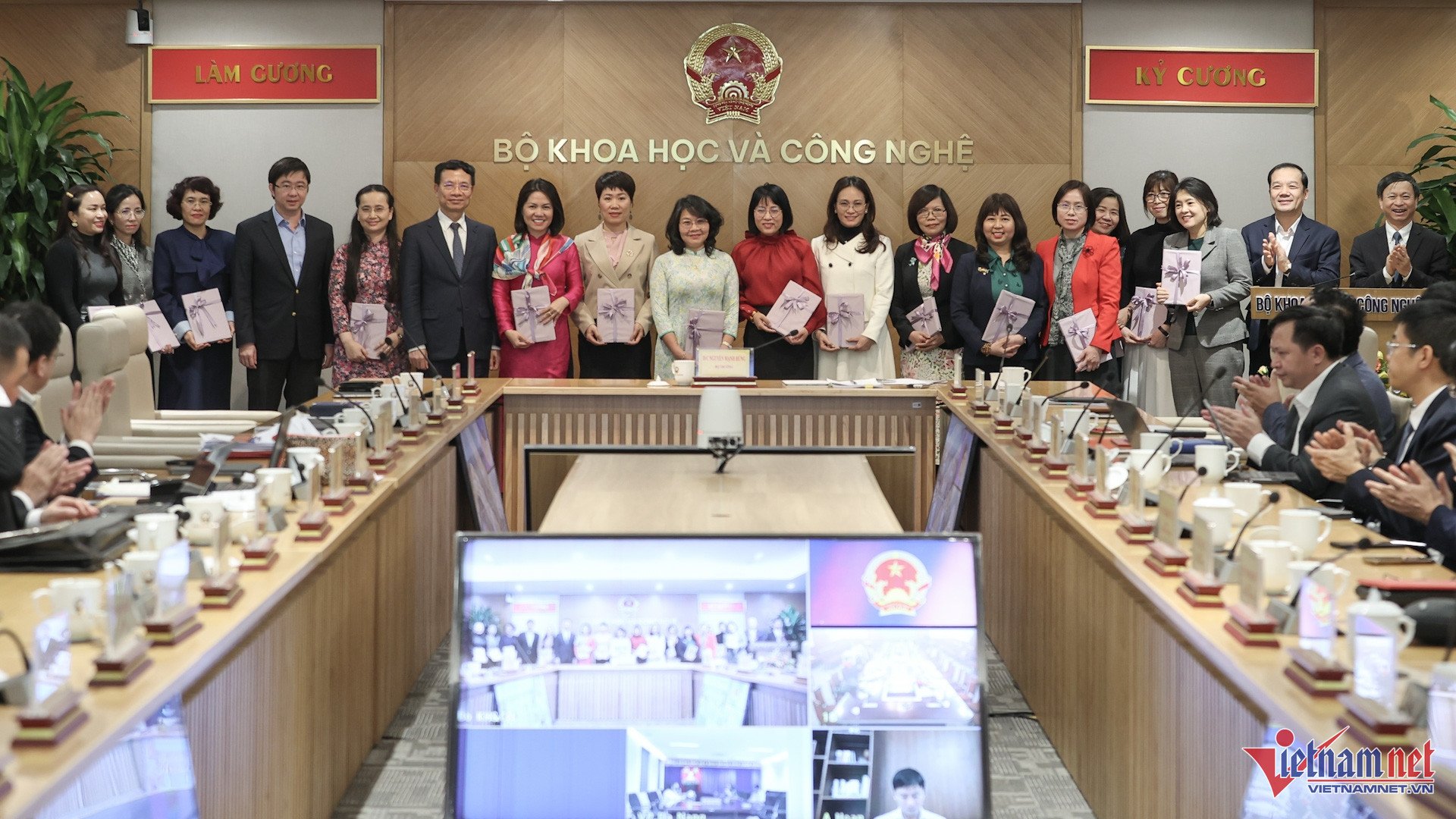
Based on the tasks assigned to the Ministry of Science and Technology to implement Resolution 57, the head of the science and technology sector assigned tasks with requirements and timelines to the Deputy Ministers according to work groups in the science and technology, innovation, and digital transformation sectors, such as: Developing guidelines on the expenditure structure for science and technology and innovation; planning the tasks to be done this year to comprehensively digitalize science and technology, innovation, and digital transformation activities; building a list of strategic technologies; proposing a plan to establish an exchange platform for scientific and technological research results;
Research to develop a technology program to support the development of the railway industry; draft a Politburo Resolution on the development of nuclear energy; create a catalog of information and data on the industry's fields that need to be collected and published to manage and promote data-driven development; issue a set of criteria for evaluating the effectiveness of spending on science and technology, innovation, and railway modernization; announce the Program on common platforms in Resolution 57...
Stating the viewpoint that "Quick work leads to good quality, while lengthy work leads to poor quality," Minister Nguyen Manh Hung reminded unit leaders not to be afraid of having many tasks and short deadlines; he also recommended that they increase the use of virtual assistants to support their work.
The head of the Ministry of Science and Technology affirmed that he will always act as an assistant to answer the questions and concerns of the staff, and expressed his hope that the Ministry's personnel will have new awareness and new energy to successfully complete the extremely challenging tasks ahead.
Source: https://vietnamnet.vn/nhan-thuc-moi-va-nang-luong-moi-de-gop-suc-tao-dot-pha-ve-khcn-dmst-cds-2378239.html
![[Photo] Closing Ceremony of the 10th Session of the 15th National Assembly](/_next/image?url=https%3A%2F%2Fvphoto.vietnam.vn%2Fthumb%2F1200x675%2Fvietnam%2Fresource%2FIMAGE%2F2025%2F12%2F11%2F1765448959967_image-1437-jpg.webp&w=3840&q=75)


![[Photo] Prime Minister Pham Minh Chinh holds a phone call with the CEO of Russia's Rosatom Corporation.](/_next/image?url=https%3A%2F%2Fvphoto.vietnam.vn%2Fthumb%2F1200x675%2Fvietnam%2Fresource%2FIMAGE%2F2025%2F12%2F11%2F1765464552365_dsc-5295-jpg.webp&w=3840&q=75)







































![[OFFICIAL] MISA GROUP ANNOUNCES ITS PIONEERING BRAND POSITIONING IN BUILDING AGENTIC AI FOR BUSINESSES, HOUSEHOLDS, AND THE GOVERNMENT](https://vphoto.vietnam.vn/thumb/402x226/vietnam/resource/IMAGE/2025/12/11/1765444754256_agentic-ai_postfb-scaled.png)



















































Comment (0)