

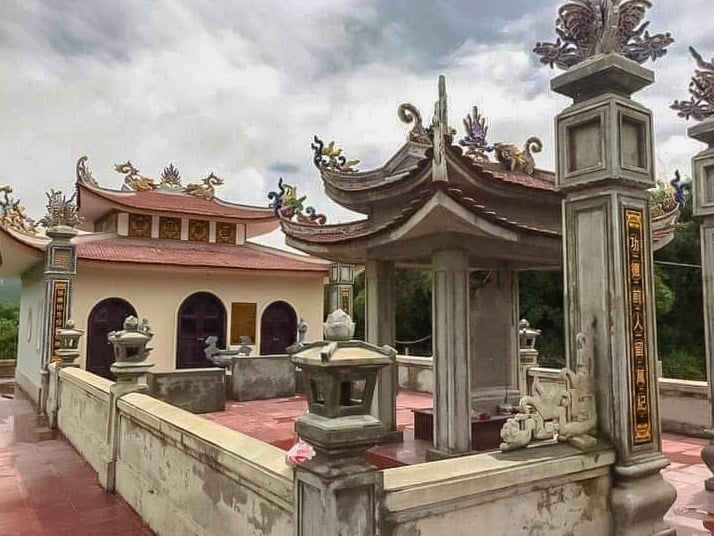
From ancient stele inscriptions dating back 375 years
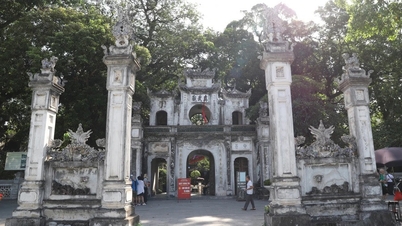
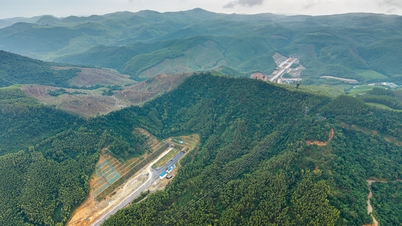
According to ancient stele still preserved at the temple, the Hoang family, originally from Ly Trai ( Nghe An province ), followed the Le dynasty's decree to encourage settlement and reclaim land in the Phu Kinh area of Bo Chinh district. This land, "protected by Heaven and Earth," was fertile and favorable for establishing villages, and a stable community soon formed.
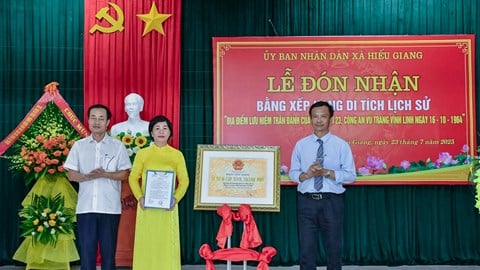
This place commemorates the indomitable fighting spirit of 16 armed police officers.
With these outstanding values, in 2016 Song Trung Temple was classified as a provincial-level historical relic. On September 9, 2025, the Minister of Culture, Sports and Tourism issued Decision No. 3233/QD-BVHTTDL classifying the temple complex and burial site as a National Monument.
In that process, the Hoang family, along with many other clans, contributed to the development of agriculture, silkworm farming, and weaving, creating the socio-economic foundation for the ancient Phu Kinh, now Tan Gianh. From that cultural source, the tradition of martial arts and the awareness of protecting the homeland became prominent hallmarks of the community.
The two most prominent figures of the family were Hoang Vinh To and his son, Hoang Vinh Du. Both followed the Le Dynasty's army in campaigns against the Mac Dynasty and achieved many victories. Hoang Vinh To was awarded the title of Hiep Muu Duong Vu Cong Than, Thuong Tuong Quan, and Marquis; Hoang Vinh Du distinguished himself at Giao Thuy and was also awarded the title of Thuong Tuong Quan and Marquis.
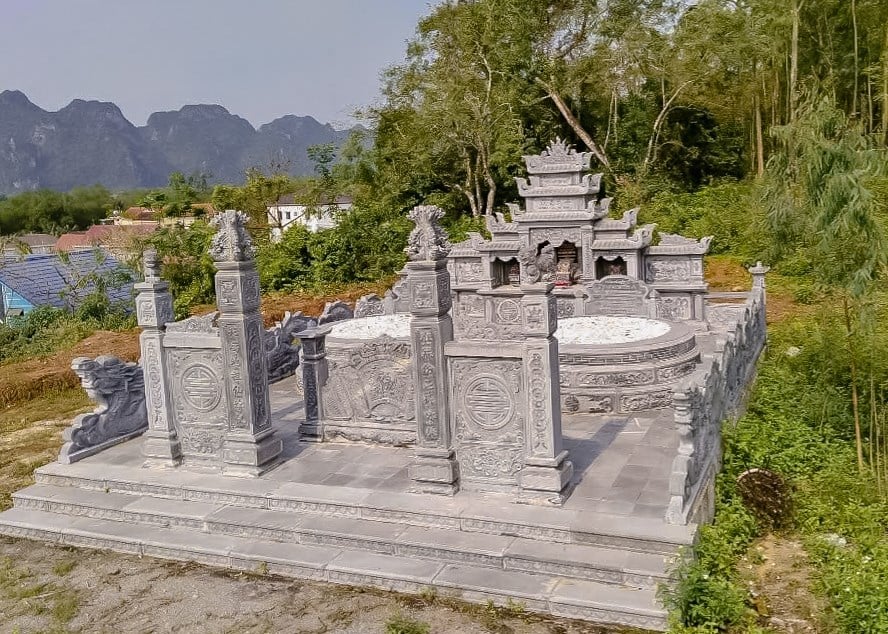
Around 1650, the people erected the Song Trung Temple to commemorate "two loyal ministers." Through many historical changes, the temple has been preserved with the respect of the community. The inscription on the stele clearly states: "Elite in life, sacred in death," reflecting the status of these two meritorious officials in the people's consciousness.
The value of connecting the past and the present.
The complex of relics possesses multiple layers of value. First and foremost is its military historical value, as the Hoang father and son contributed to the restoration of the Le dynasty, marking a crucial turning point in 1593 when King Le The Tong returned to Thang Long. In addition, it holds historical and sociological value, reflecting the migration process from Hoan-Dien to the settlement of Phu Kinh land, establishing the community structure of villages during the Le dynasty.
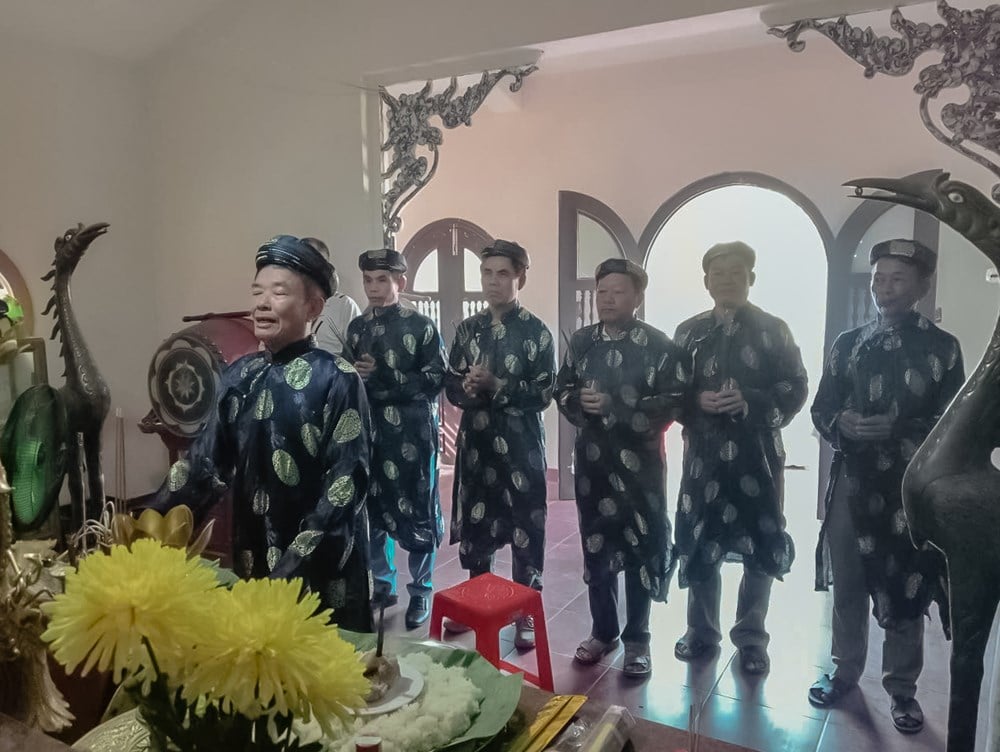
The site also holds cultural and traditional value, reflecting the glorious development of the Hoang family through many generations who achieved academic success and held important positions in the imperial court. These achievements contributed to shaping the spiritual identity of this land of "exceptional people and auspicious geography."
In particular, Song Trung Temple holds great value in historical and moral education. The historical site helps the younger generation understand the contributions of their ancestors, fostering the spirit of "drinking water, remembering the source," and nurturing national pride. In the trend of developing heritage tourism, Song Trung Temple is a typical destination that connects the past and present and spreads the sustainable values of the Bo Chinh region.
Source: https://baovanhoa.vn/van-hoa/diem-tua-van-hoa-lich-su-cua-vung-bo-chinh-xua-187618.html

![[Photo] Closing Ceremony of the 10th Session of the 15th National Assembly](/_next/image?url=https%3A%2F%2Fvphoto.vietnam.vn%2Fthumb%2F1200x675%2Fvietnam%2Fresource%2FIMAGE%2F2025%2F12%2F11%2F1765448959967_image-1437-jpg.webp&w=3840&q=75)

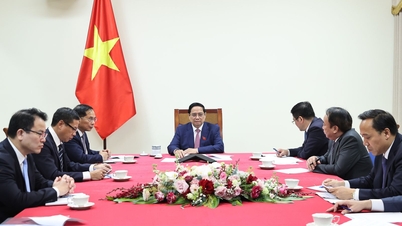
![[Photo] Prime Minister Pham Minh Chinh holds a phone call with the CEO of Russia's Rosatom Corporation.](/_next/image?url=https%3A%2F%2Fvphoto.vietnam.vn%2Fthumb%2F1200x675%2Fvietnam%2Fresource%2FIMAGE%2F2025%2F12%2F11%2F1765464552365_dsc-5295-jpg.webp&w=3840&q=75)




























![[OFFICIAL] MISA GROUP ANNOUNCES ITS PIONEERING BRAND POSITIONING IN BUILDING AGENTIC AI FOR BUSINESSES, HOUSEHOLDS, AND THE GOVERNMENT](https://vphoto.vietnam.vn/thumb/402x226/vietnam/resource/IMAGE/2025/12/11/1765444754256_agentic-ai_postfb-scaled.png)




































Comment (0)