

 |
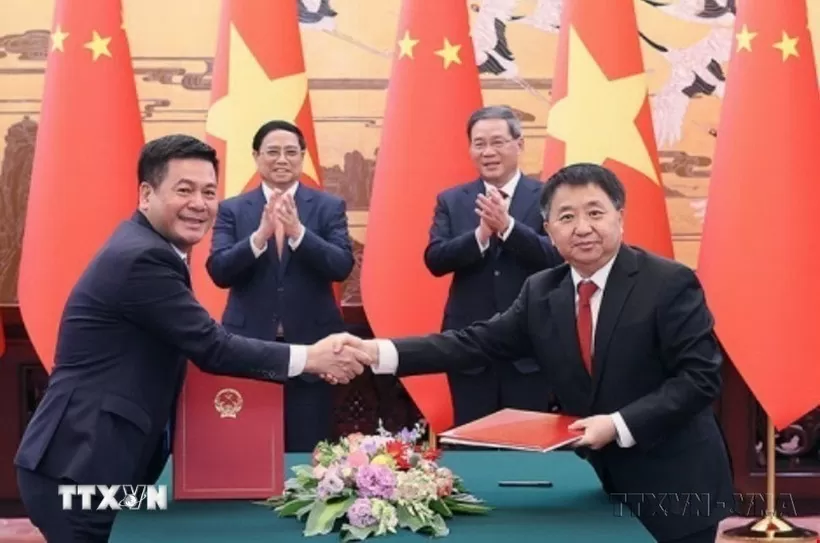
| Prime Minister Pham Minh Chinh and Chinese Premier Li Qiang witness the signing ceremony of the Memorandum of Understanding between the Vietnamese Ministry of Industry and Trade and the General Administration of Market Regulation of China (Beijing, June 26, 2023). (Photo: Duong Giang/VNA) |
Vietnam and China are neighboring countries with a long-standing traditional friendship. The Party, State, and people of Vietnam value and consider the development of friendly neighborly relations and the Comprehensive Strategic Partnership with the Party, State, and people of China as a consistent and long-term policy, a strategic choice, and a top priority in Vietnam's foreign policy.
In recent years, the Vietnam-China Comprehensive Strategic Partnership has been continuously strengthened and enhanced. High-level and other exchanges and contacts have taken place frequently in flexible forms, and economic , trade, and investment cooperation has grown positively and continuously reached new records.
Therefore, the official visit of Chinese Premier Li Qiang to Vietnam will create more opportunities to further expand economic, trade, and investment cooperation between the two countries.
Maintain growth
Experts predict that in 2024, Vietnam and China, along with other ASEAN countries, will be promoting negotiations to upgrade the ASEAN-China Free Trade Agreement (FTA) to version 3.0, aiming to open up even more economic and trade opportunities for countries in the region in general and the two countries in particular. Notably, China has consistently been Vietnam's largest trading partner, with bilateral trade growth reaching double digits over the past 10 years.
With numerous advantages in economic and trade cooperation, trade exchanges between Vietnam and China have maintained stable and sustainable growth over the years. In the first nine months of 2024, bilateral import and export turnover reached US$148.6 billion; of which, Vietnam exported goods to China worth US$43.6 billion, an increase of 1% compared to the same period; imports from China reached US$105 billion, an increase of 32.5%.
From now until the end of 2024, with the strong improvement in trade in the first half of the year, it is projected that Vietnam-China import and export turnover could approach the 200 billion USD mark.
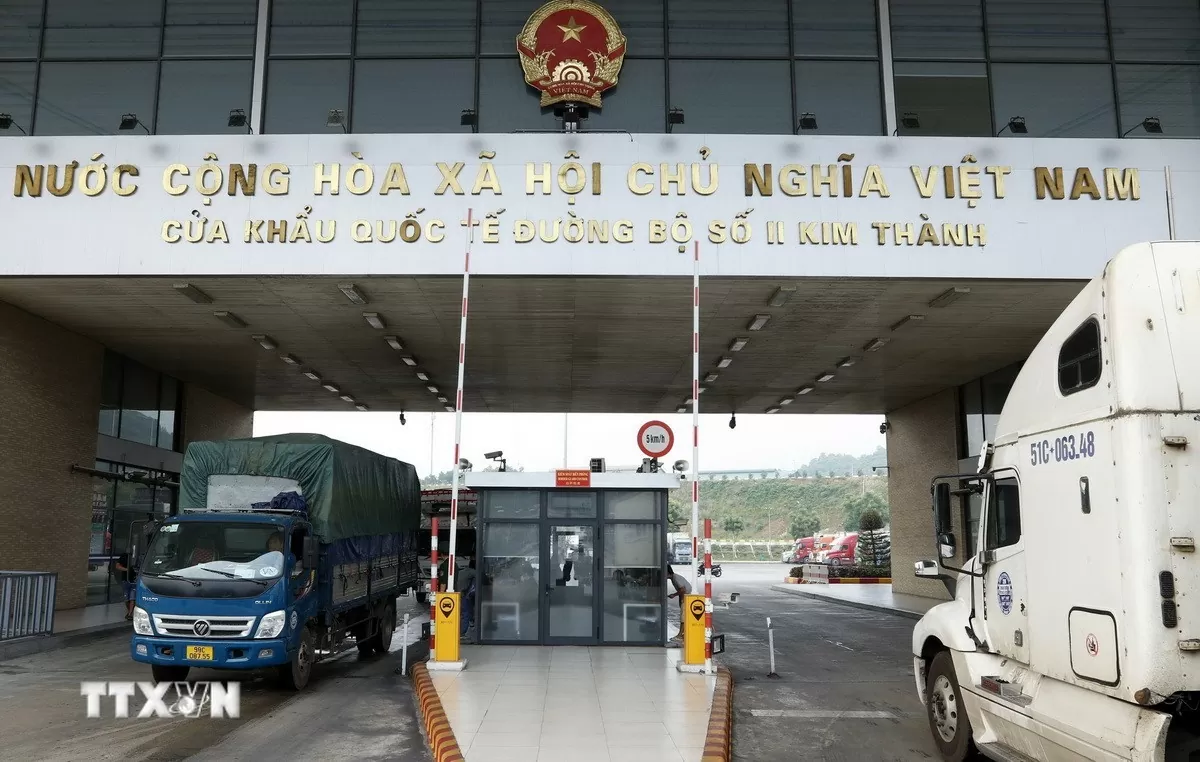 |
| Vehicles carrying fresh lychees await customs clearance for export to China via Kim Thanh International Road Border Gate No. II. (Photo: Quoc Khanh/VNA) |
Currently, both sides are actively promoting "hard connectivity" between the two countries in terms of railways, highways, and border infrastructure; and upgrading "soft connectivity" in terms of smart customs and smart border gates to facilitate and further enhance trade exchanges between the two sides.
In terms of investment, China is the leading partner in the number of new FDI projects in Vietnam (accounting for 29.3%) and ranks second with an investment capital of US$3.2 billion (accounting for 13% of total investment). Both sides are also actively coordinating to gradually resolve outstanding issues in some previous economic cooperation projects, creating a positive atmosphere for new cooperation projects between the two countries.
Economist Vu Vinh Phu, former Deputy Director of the Hanoi Department of Trade, noted that China is a large market with 1.4 billion people and significant purchasing power. It is an attractive market not only for Vietnamese goods but also for goods from many other countries, with a high import rate for many of Vietnam's key products such as textiles, footwear, electronics, and agricultural, forestry, and aquatic products. However, China is increasingly demanding higher standards such as planting area codes, packaging codes, and export standards.
Besides, Vietnam imports a large amount of goods from China, mostly raw materials for production, so there is no need to worry. At the same time, Vietnam also imports a lot of agricultural products and consumer goods from China, so it needs to improve the competitiveness of domestic goods to increase exports to this market, helping to reduce the deficit and move towards balancing the trade balance.
Furthermore, Vietnam and China currently have many integration frameworks such as the ASEAN-China Free Trade Agreement (FTA), the Comprehensive and Progressive Trans-Pacific Partnership Agreement (CPTPP)... However, Vietnam's ability to utilize them is only about 30-40%. Moreover, China has relatively effectively leveraged cross-border e-commerce to bring goods to Vietnam.
Conversely, Vietnam has not yet fully utilized this advantage and therefore needs to make efforts to leverage it by building large warehouses at the border to facilitate the entry of goods deeper into the Chinese market.
Leveraging advantages
At the 13th Session of the Vietnam-China Economic and Trade Cooperation Committee, Chinese Minister of Commerce Wang Wendao proposed that Vietnam strengthen cooperation in investment and supply chains; focusing on implementing investment cooperation documents and digital economy and green development initiatives agreed upon by both sides. He also requested that Vietnam implement policies to support and encourage the development of power projects; cooperate in industrial parks; and continue negotiations and sign MOUs on strengthening economic cooperation in production and supply chains...
In addition, Minister Vuong Van Dao proposed solutions to promote trade cooperation, including negotiating and signing cooperation agreements on agricultural products; strengthening e-commerce cooperation; exchanging information on standards and conformity assessment of imported and exported products; and adequately resolving anti-dumping investigations. Furthermore, he suggested that both sides discuss and finalize the accession process of new members to the FTA.
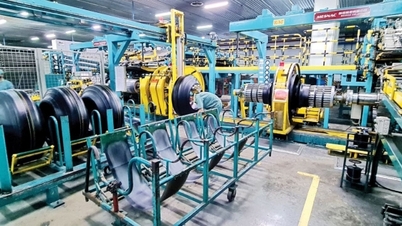
Minister of Industry and Trade Nguyen Hong Dien affirmed that both sides need to strengthen cooperation in investment and supply chains; prioritizing cooperation in the digital economy and green development. Furthermore, with the rapid development of electric vehicles, the Vietnamese government is paying attention to and has issued several mechanisms and policies on the development of electric vehicles, such as preferential policies and support for the production and assembly of electric vehicles; and incentives for the use of electric vehicles such as preferential excise tax and registration fee rates.
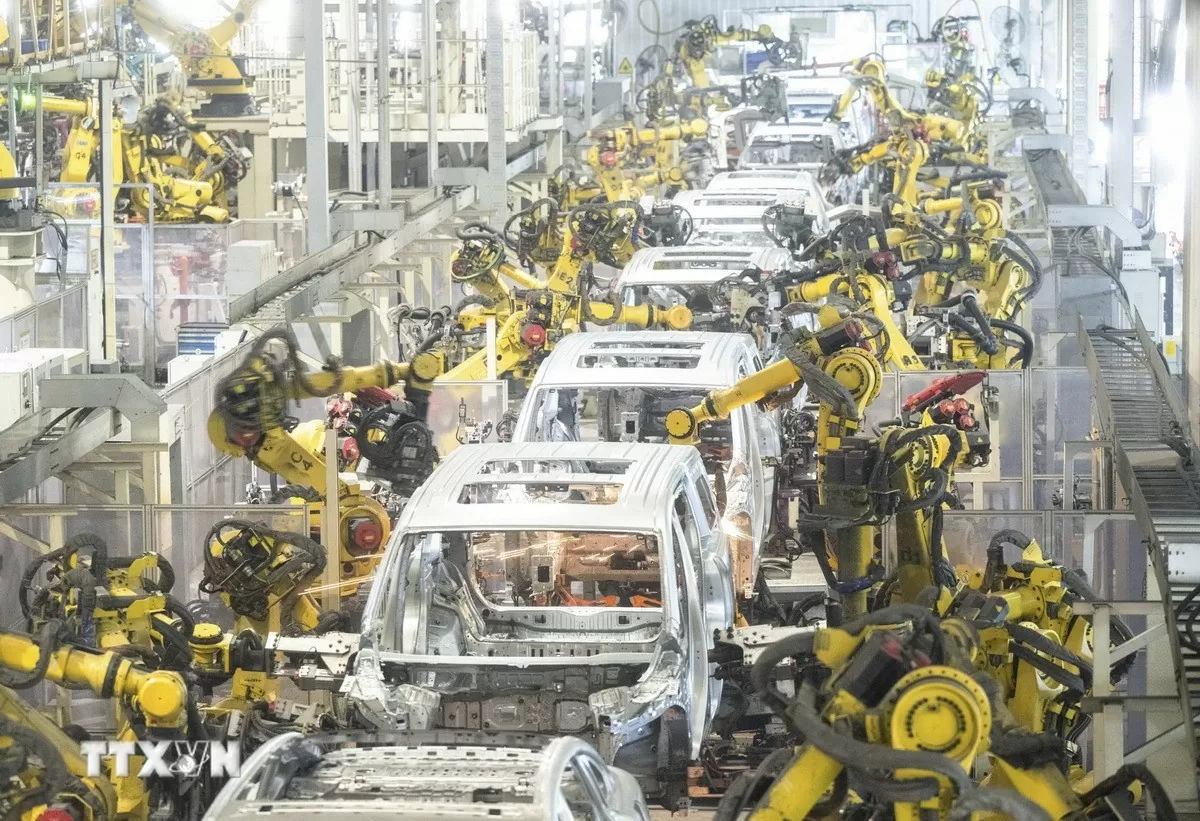 |
| China's electric car production. (Photo: THX/VNA) |
Currently, the Ministry of Industry and Trade is developing the Strategy for the Development of Vietnam's Automotive Industry until 2030, with a vision to 2045; which integrates content on the development of electric vehicles and green energy in Vietnam. In the future, the Ministry of Industry and Trade will coordinate with other ministries and agencies to develop and propose to the Government mechanisms and policies to support and encourage the consumption of electric vehicles.
Recently, the Ministry of Industry and Trade, in coordination with the Ministry of Agriculture and Rural Development of Vietnam, the Vietnamese Embassy in China, and the Vietnam Fruit and Vegetable Association, organized the first Vietnam Fruit Festival with the theme "Vietnamese Fruits - Delicious in All Seasons." It is expected that Vietnam will soon be allocated a free booth to showcase regional fruit, agricultural, forestry, and aquatic products at the Tan Dia Phat center.
Within the framework of the Vietnam-China Fruit Import-Export Supply Chain Connection Forum held in Beijing, China, four agreements were signed simultaneously: between Ameii Vietnam Joint Stock Company and Beijing New Cooperation Development Company; the Vietnam Fruit and Vegetable Association and the China Fruit Association; Vina T&T Group Import-Export Company and Beijing Yun Tian Liang Pin Science and Technology Development Co., Ltd.; and Vina T&T Group Import-Export Company and Asia Trade Transaction Co., Ltd.
Reporting at a meeting with Chinese Vice Premier He Lifeng, Minister Nguyen Hong Dien proposed that the Chinese State Council continue to support and facilitate the entry of high-quality Vietnamese agricultural products into the Chinese market. He also requested support in building brands for several of Vietnam's strong products and sectors in the Chinese market, such as dairy products, agricultural products, seafood, and processed foods; and to help Vietnamese goods penetrate deeper into local markets, retail systems, and e-commerce platforms in China.
Furthermore, the Minister suggested coordinating efforts to facilitate and streamline customs clearance effectively between border crossings, avoiding the concentration of goods at only a few specific checkpoints, which causes localized congestion, especially for Vietnamese agricultural and aquatic products. On the other hand, he requested the Chinese State Council's support in establishing Vietnamese trade promotion offices in China, initially in Hainan Province.
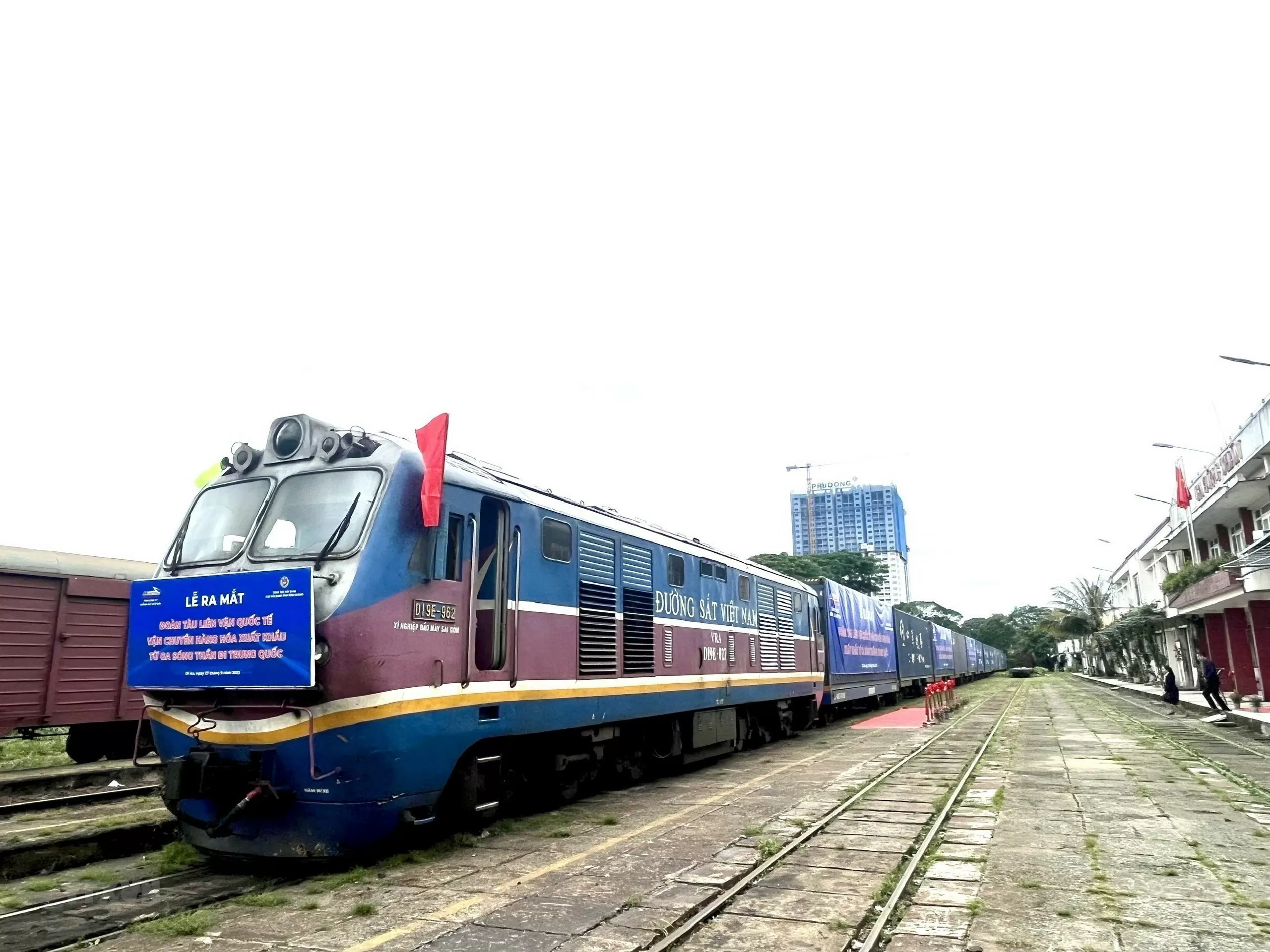 |
| An international freight train transports export goods from Song Than Station to China. (Photo: Huyen Trang/VNA) |
Furthermore, it is necessary to strengthen linkages and ensure the smooth operation of the supply chain for industrial and agricultural goods between the two countries; and to encourage outstanding Chinese enterprises, representing high technology, energy efficiency, and environmental friendliness, to expand investment in Vietnam. At the same time, it is proposed that China focus on promoting cooperation in the implementation of three railway lines connecting Vietnam and China: Lao Cai - Hanoi - Hai Phong; Lang Son - Hanoi; and Mong Cai - Ha Long - Hai Phong.
Regarding economic cooperation between the two countries, Vice Premier He Lifeng noted that economic and investment cooperation between the two countries is developing strongly, extensively, comprehensively, and becoming increasingly substantive. China will soon host the 7th Shanghai Import Expo. This initiative, launched by General Secretary and President Xi Jinping, is open for participation by interested Vietnamese businesses.
Through the Fair, Vietnamese businesses can promote the export of high-quality agricultural products to Chinese consumers and participating partner markets. Regarding the proposal to promote cooperation in railway transportation, the Chinese side is always interested and ready to support it, but both sides need to study the feasibility of constructing the lines to best facilitate businesses and people of both countries.
Source: https://congthuong.vn/nhieu-du-dia-trong-hop-tac-thuong-mai-giua-viet-nam-trung-quoc-351935.html


![[Photo] Prime Minister Pham Minh Chinh holds a phone call with the CEO of Russia's Rosatom Corporation.](/_next/image?url=https%3A%2F%2Fvphoto.vietnam.vn%2Fthumb%2F1200x675%2Fvietnam%2Fresource%2FIMAGE%2F2025%2F12%2F11%2F1765464552365_dsc-5295-jpg.webp&w=3840&q=75)

































































Comment (0)