

Cyanide is found in many natural foods such as cassava and bamboo shoots in the form of glucosides called cyanogen glycosides (linamarin and lotaustralin).
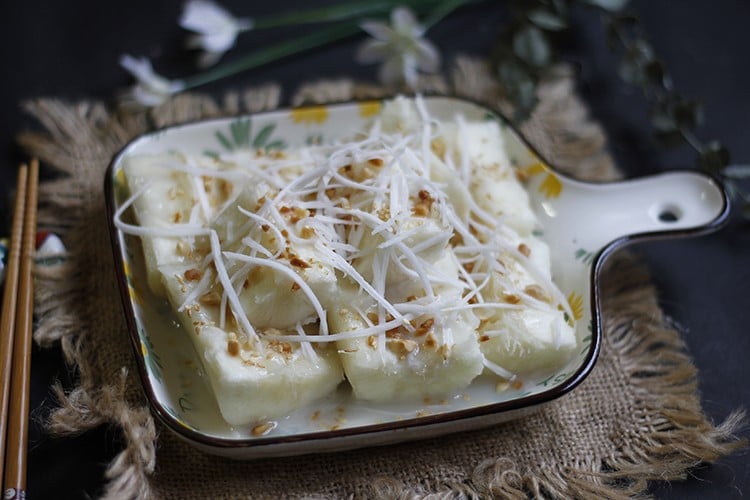 |
| Cyanide is found in many natural foods such as cassava. (Source: Vnexpress) |
Cyanide is a chemical used in the mining industry that can be instantly fatal even in small amounts. This poison is also found in some foods in nature.
The U.S. Centers for Disease Control and Prevention (CDC) states that cyanide is used in the production of paper, textiles, and plastics. Cyanide salts are used in metallurgy for electroplating, metal cleaning, and separating gold from ore. Cyanide gas kills pests and insects…
Cyanide is also released from natural substances in some plants, including the seeds of common fruits, which can cause poisoning in those who eat them.
According to Associate Professor Nguyen Duy Thinh, former lecturer at the Institute of Biotechnology and Food Technology, Hanoi University of Science and Technology, cyanide is a chemical that must be used carefully and in the correct dosage.
Just 50-200mg of cyanide or inhaling 0.2% cyanide gas is enough to cause acute poisoning, altered consciousness, seizures, rapid heartbeat, and death. At lower levels, cyanide can cause headaches, dizziness, and weakness in the limbs.
Cyanide is found in many natural foods such as cassava and bamboo shoots in the form of glucosides, specifically cyanogen glycosides (linamarin and lotaustralin). Under the action of gastric juices and digestive enzymes, these substances are hydrolyzed and release hydrocyanic acid.
At medical facilities, doctors still record cases of cassava and bamboo shoot poisoning. Patients exhibit digestive disorders such as bloating, vomiting, diarrhea, and abdominal pain; in some cases, neurological disorders such as headache, facial flushing, tinnitus, dizziness, itching, restlessness, tremors, and convulsions occur; and in a few cases, cassava poisoning presents with cardiac arrhythmias.
According to Mr. Thinh, the amount of cyanide varies depending on the cassava variety. For example, high-yield and bitter cassava varieties contain more toxins. Three parts of the cassava tuber that need to be removed are the two ends, the core, and especially the peel. Therefore, people should not eat high-yield cassava, red-leaf cassava, short-stemmed cassava, or cassava with cuts that have been left for a long time.
Cyanide in cassava and bamboo shoots is volatile and water-soluble, making it easier to remove. People should soak bamboo shoots and cassava in water to remove this toxin. When boiling cassava and bamboo shoots, leave the pot lid open so that the cyanide can evaporate completely. Mr. Thinh also advised against eating bamboo shoots or cassava that have been stored for too long, and against eating pickled bamboo shoots.
Source























































































Comment (0)