

In order to concretize the regulations in the 2024 Road Law and the 2024 Law on Road Traffic Order and Safety, the Ministry of Transport has issued a draft of a new Circular to replace Circular 31/2019/TT-BGTVT.
One of the notable points in this draft is the clear regulation of 13 situations in which drivers need to reduce their speed while driving, aiming to enhance safety for everyone on the road.
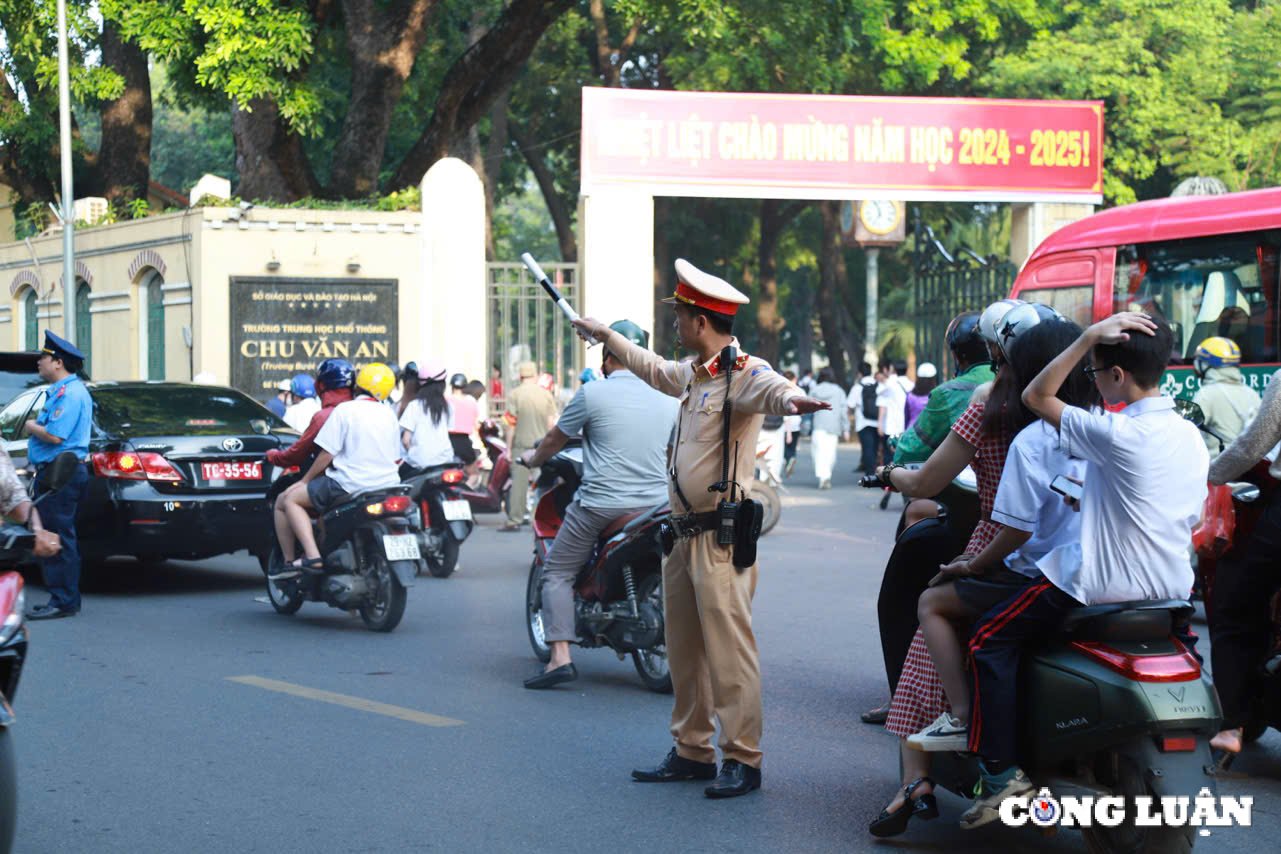
Thirteen cases have been proposed requiring drivers to reduce their speed while participating in traffic, effective from January 1, 2025.
Article 5 of the draft Circular also proposes regulations on 13 cases requiring reduced speed when participating in traffic from January 1, 2025, as follows:
At pedestrian crossings or signs, or where pedestrians or wheelchair users are crossing the road: This is to protect the safety of pedestrians, especially vulnerable individuals such as people with disabilities.
When there are warning signs indicating danger or obstacles on the road: These areas pose a high risk, requiring drivers to be vigilant and reduce speed to ensure safety.
When changing lanes or when visibility is limited: Reducing speed gives the driver enough time to observe and react to unexpected situations.
At intersections with other roads, railways, narrow roads, bends, winding roads, and mountain passes: These sections of road often pose many risks and require drivers to exercise greater caution.
When crossing bridges, narrow culverts, spillways, underpasses, and tunnels: The complex terrain and limited space in these areas require drivers to reduce speed to avoid collisions.
Areas near schools, hospitals, bus stations, crowded public facilities, densely populated residential areas, markets, or construction sites, and accident scenes: These are places with frequent pedestrian traffic, so speed reduction is necessary to ensure the safety of everyone around.
When pets are on the road or grazing along the roadside: Animals may unexpectedly move into the road, and slowing down will help drivers avoid unwanted collisions.
Avoiding oncoming vehicles or when allowing vehicles behind to overtake, when receiving turn signals or emergency signals from other vehicles: This situation requires the driver to yield and reduce speed to avoid causing danger.
At bus stops where passengers are boarding or alighting: Reducing speed helps ensure the safety of passengers when boarding and alighting at these stops.
When encountering vehicles carrying oversized or overweight cargo, hazardous materials, or groups of pedestrians: These are special situations that require drivers to exercise extreme caution.
Encountering emergency vehicles: When encountering emergency vehicles such as ambulances, police cars, or fire trucks on duty, drivers should slow down and yield the right of way.
In bad weather conditions such as rain, wind, fog, smoke, dust, or when the road is slippery or muddy: Bad road and weather conditions can reduce visibility and traction, requiring drivers to reduce speed to better control their vehicles.
Traffic control is being implemented in these areas: When passing through these areas, road users should pay attention to reducing speed as directed to ensure safety and comply with regulations of the authorities.
The application of new speed limit regulations in these 13 specific cases not only helps protect the safety of drivers but also ensures the safety of pedestrians, other vehicles, and other road users. Failure to comply may result in administrative penalties according to the provisions of the Road Traffic Law.
Source: https://www.congluan.vn/nhung-truong-hop-phai-giam-toc-do-khi-tham-gia-giao-thong-tu-1-1-2025-theo-de-xuat-cua-bo-giao-thong-van-tai-post314807.html
![[Photo] Prime Minister Pham Minh Chinh holds a phone call with the CEO of Russia's Rosatom Corporation.](/_next/image?url=https%3A%2F%2Fvphoto.vietnam.vn%2Fthumb%2F1200x675%2Fvietnam%2Fresource%2FIMAGE%2F2025%2F12%2F11%2F1765464552365_dsc-5295-jpg.webp&w=3840&q=75)
















































































Comment (0)