Camera traps in the deep forest unexpectedly uncover many rare species.
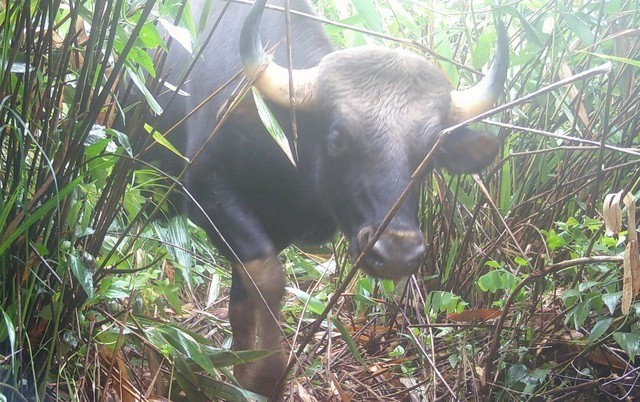
A series of cameras placed in the forest have captured images of many endangered animal species, showing the positive recovery of wildlife in Quang Ngai.
Báo Khoa học và Đời sống•12/12/2025
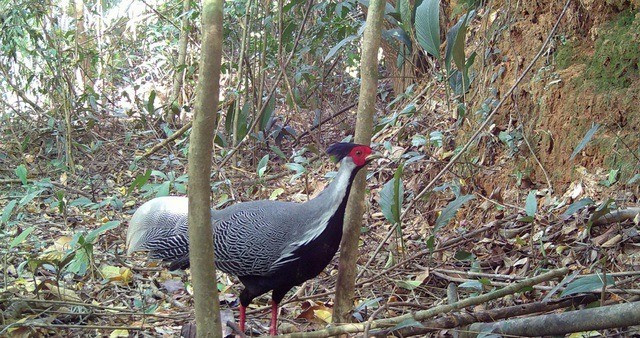
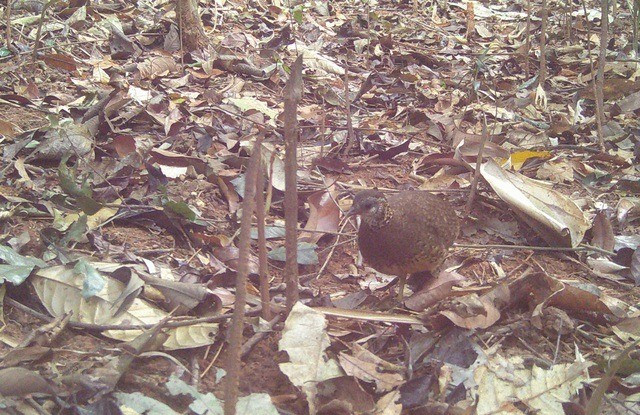
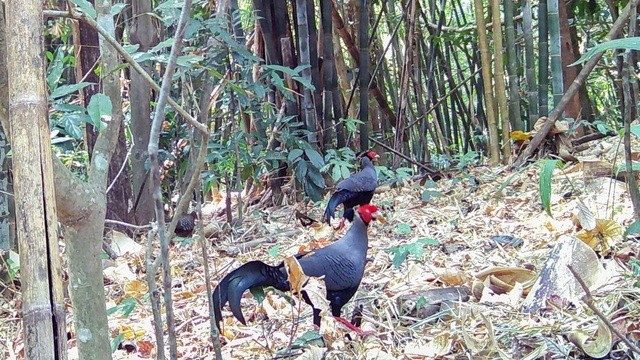
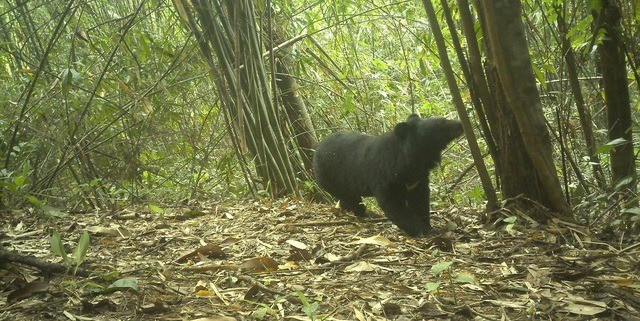
By deploying a series of automatic cameras and video recorders in the forest, Chu Mom Ray National Park has recorded many rare flying animal species listed in the Red Book. To record the appearance and health status of the animals here, the park has installed a series of automatic cameras and video recorders in the forest. Photo: suckhoedoisong.
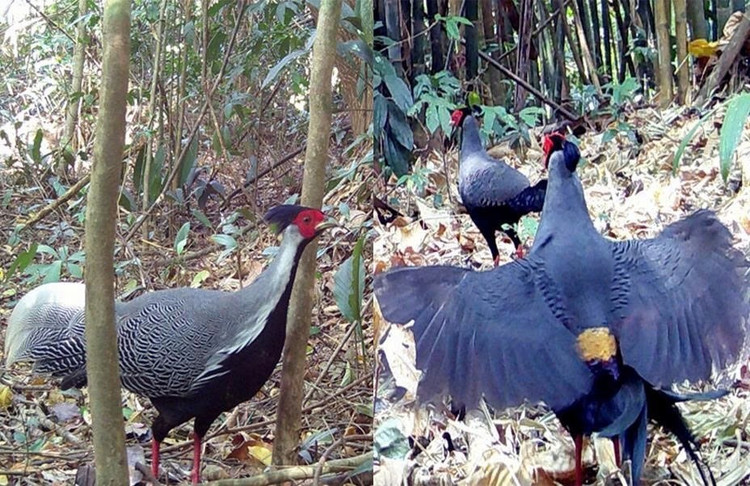
Overall, Chu Mom Ray National Park is home to 1,005 animal species, including over 100 listed in the Red Book of endangered species. Photo: suckhoedoisong. On the evening of December 11th, Mr. Dao Xuan Thuy, Director of the Chu Mom Ray National Park Management Board, stated that observations indicate the appearance of many rare flying animals, including peacocks, humpback pheasants, crimson pheasants, striped pheasants, and red-faced pheasants. (Photo: suckhoedoisong.com)
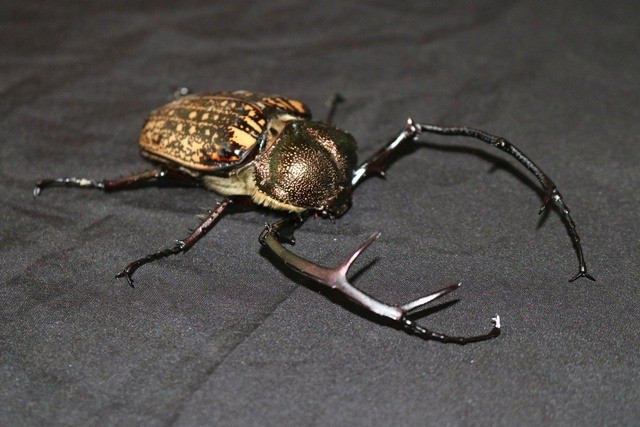
According to Mr. Dao Xuan Thuy, these animals belong to the bird family; they can all fly and live on the ground, not in trees. They can only fly short distances and are strictly protected by the authorities of Chu Mom Ray National Park. Photo: suckhoedoisong. Besides the rare animals mentioned above, Chu Mom Ray National Park also records the spotted flying crab - also known as the brown flying crab, scientific name Cheirotonus battareli, belonging to the rare group IIB. This animal has many legs, each with sharp claws that help it move easily. Photo: suckhoedoisong.
In addition, Chu Mom Ray National Park is home to several other rare animal species such as the gaur, sun bear, silver langur, black-footed langur, gray-footed langur, brown-footed langur, Javan pangolin, various monkey species, mountain turtles, etc. All of these species are strictly protected, and illegal hunting, trading, and encroachment are strictly prohibited. Photo: Tien Phong. Readers are invited to watch the video : More new species discovered in the Mekong River region. Source: THĐT1.

 Báo Khoa học và Đời sống•12/12/2025





![[INFOGRAPHIC] Who is the former President of Bolivia who was recently arrested?](https://vphoto.vietnam.vn/thumb/402x226/vietnam/resource/IMAGE/2025/12/12/1765543468412_thumb-cuu-tong-thong-bolivia-jpg.webp)











![[Photo] Prime Minister Pham Minh Chinh holds a phone call with the CEO of Russia's Rosatom Corporation.](/_next/image?url=https%3A%2F%2Fvphoto.vietnam.vn%2Fthumb%2F1200x675%2Fvietnam%2Fresource%2FIMAGE%2F2025%2F12%2F11%2F1765464552365_dsc-5295-jpg.webp&w=3840&q=75)















































Comment (0)