

In 2024, the Asian tourism market is predicted to continue booming with many new trends, including the rise of Chinese tourists and visa exemption policies.
Skift, a US-based travel market research company, forecasts that the Asia- Pacific region will play a significant role in global tourism growth this year. Tourism revenue in the region could increase by around 20% and several new trends are expected to emerge.
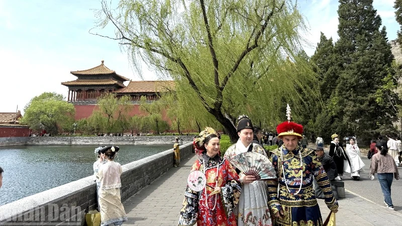
One of the biggest changes is the rise of China – the number one source market in the Asia- Pacific region. Last year, despite high expectations, the number of visitors from China did not recover well after the country reopened for tourism. However, a 2024 report from Skift indicates that the number of outbound trips by Chinese citizens will increase by 80% this year and by a further 46% in 2025.
Related to the rise of China is the trend of visa-free travel . Visa-free travel significantly impacts tourism as it makes it easier for visitors to visit a country and reduces costs. Countries with lenient visa policies often see an increase in tourist numbers.
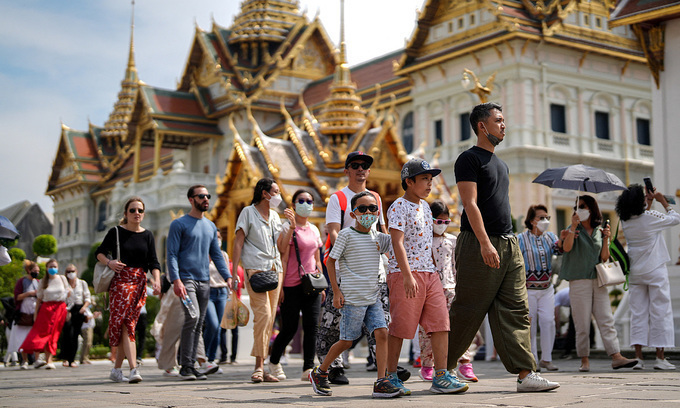
Tourists at the Grand Palace in Thailand in 2023. Photo: Reuters
Thailand, Malaysia, and Singapore have all waived visa requirements for Chinese tourists. All three Southeast Asian destinations saw positive signs during the recent Lunar New Year holiday, with both the number of Chinese visitors and their spending exceeding pre-Covid-19 levels.
Not only China, but Southeast Asian countries are also interested in visa exemptions for tourists from India. A report from Skift indicates that by 2027, India will become the world's third-largest domestic tourism market and the fifth-largest outbound tourism market.
This year, major events also impacted Asian tourism, such as the inauguration of the Ram Temple in Ayodhya, India, and performances by world-renowned artists like Coldplay and Taylor Swift in Singapore.
Tourists from the Asia-Pacific region are increasingly abandoning the use of cash . Research from the multinational payment card corporation Visa indicates that the number of tourists using cash in the region has decreased by 60%. At the World Expo 2025 in Osaka next year, organizers have also set a cashless policy, accepting only payments via apps and cards. It is estimated that around 28 million people will attend this six-month-long event.
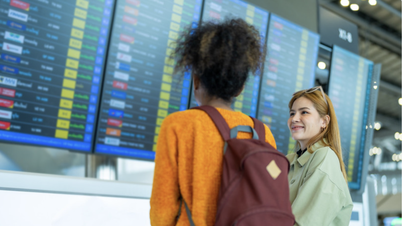
Asian travelers are also changing their travel preferences, with 77% of those surveyed saying they want to " invest more in experiences " during their trips. Research on the "Asian Traveler Profile" by Hotel Management magazine further shows that Asian travelers are investing more in their trips. Approximately 69% of Asian travelers are willing to spend more when traveling internationally, particularly those from India (79%) and China (76%).
Hoai Anh (According to Skift )
Source link































![[Video] The craft of making Dong Ho folk paintings has been inscribed by UNESCO on the List of Crafts in Need of Urgent Safeguarding.](https://vphoto.vietnam.vn/thumb/402x226/vietnam/resource/IMAGE/2025/12/10/1765350246533_tranh-dong-ho-734-jpg.webp)





















































Comment (0)