

Outdoor temperatures in the early morning often drop very low; in mountainous areas, temperatures can reach only 3-5 degrees Celsius, and even frost and ice may appear. Dense fog restricts visibility, making steep rocky paths and stream crossings slippery, posing significant difficulties for students' travel.
The biting cold not only directly affects health but also creates anxiety among parents, increasing the risk of students missing school. However, overcoming the weather's obstacles, the school bell continues to ring regularly thanks to the tireless efforts to "keep the warmth" in the classrooms.
Given the unpredictable weather conditions, measures to protect students from the cold in Lao Cai are no longer just temporary solutions but have been activated as a priority task on a province-wide scale.
Right from the beginning of winter, the Department of Education and Training of Lao Cai province issued detailed guidelines, requiring educational units to review, inspect, and promptly repair classrooms, boarding rooms, and dining halls to ensure they are draft-free, well-lit, and warm for students.
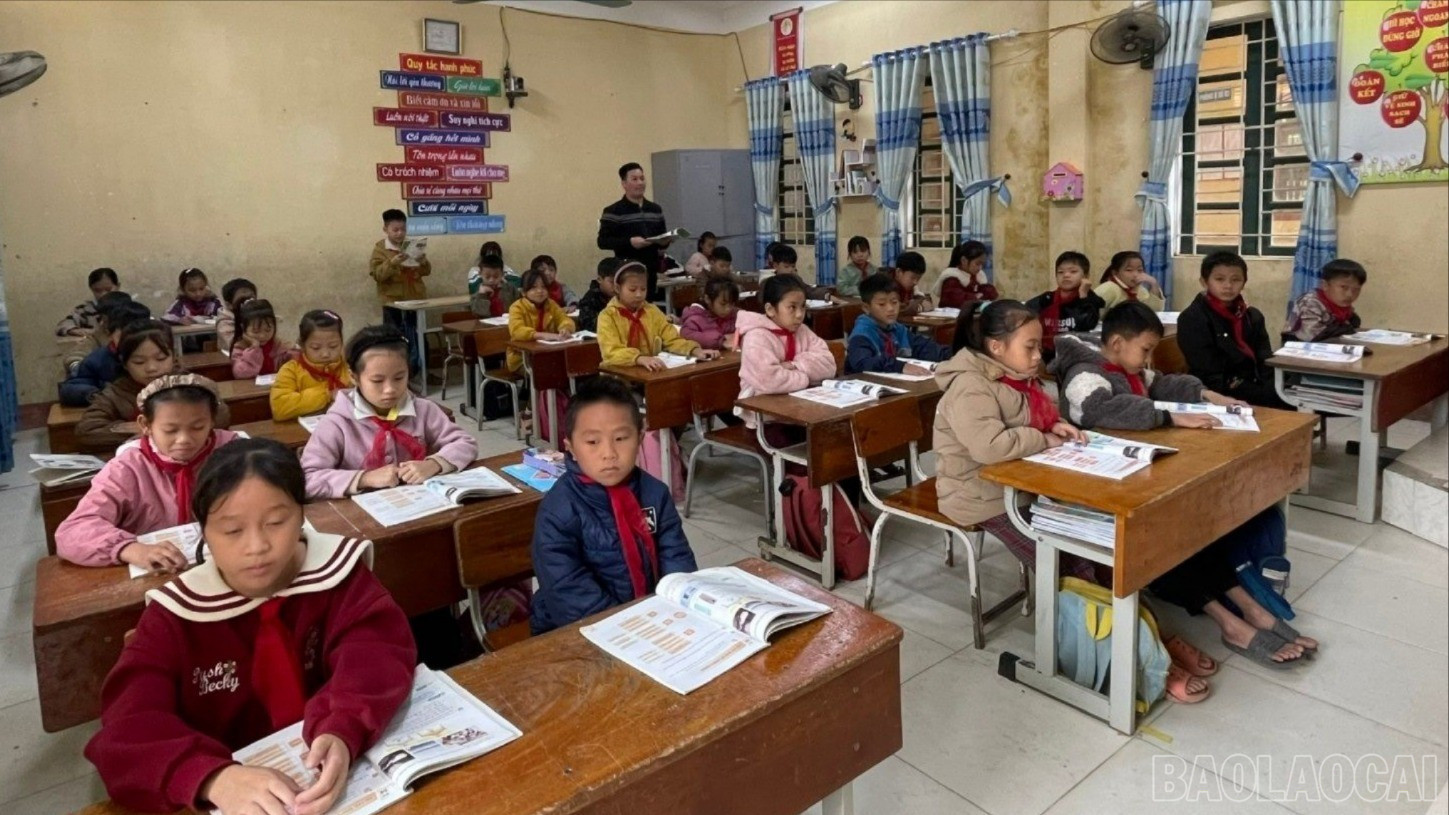
In addition to ensuring adequate facilities, school medicine cabinets are also stocked with necessary medications, such as cold medicine, medicated oil, and bandages, to promptly handle cases of students catching colds and ensure that teaching and learning activities are not interrupted.
In line with the province's directives, reinforcing infrastructure has become a top priority at all schools.
Located in a high and windy area, Khau Ly Ethnic Boarding Primary and Secondary School in Phinh Ho commune frequently faces temperatures of 3-4 degrees Celsius, sometimes dropping to 1-2 degrees Celsius.
Ms. Nguyen Thanh Hue, Principal of Khau Ly Ethnic Boarding Primary and Secondary School, said that the school has installed curtains to provide shade in the classrooms, and regularly repairs and covers the living quarters and classrooms with tarpaulins. What is particularly commendable is that this windproof tarpaulin system was implemented thanks to the school's resources combined with the enthusiastic support of parents.
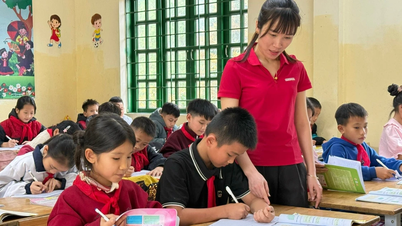
Not only did the teachers provide shelter from the wind, but they also proactively purchased heaters, warm slippers, and warm socks to equip the students. As a result, despite the unfavorable weather, the school's attendance rate remained stable at 94-96%.
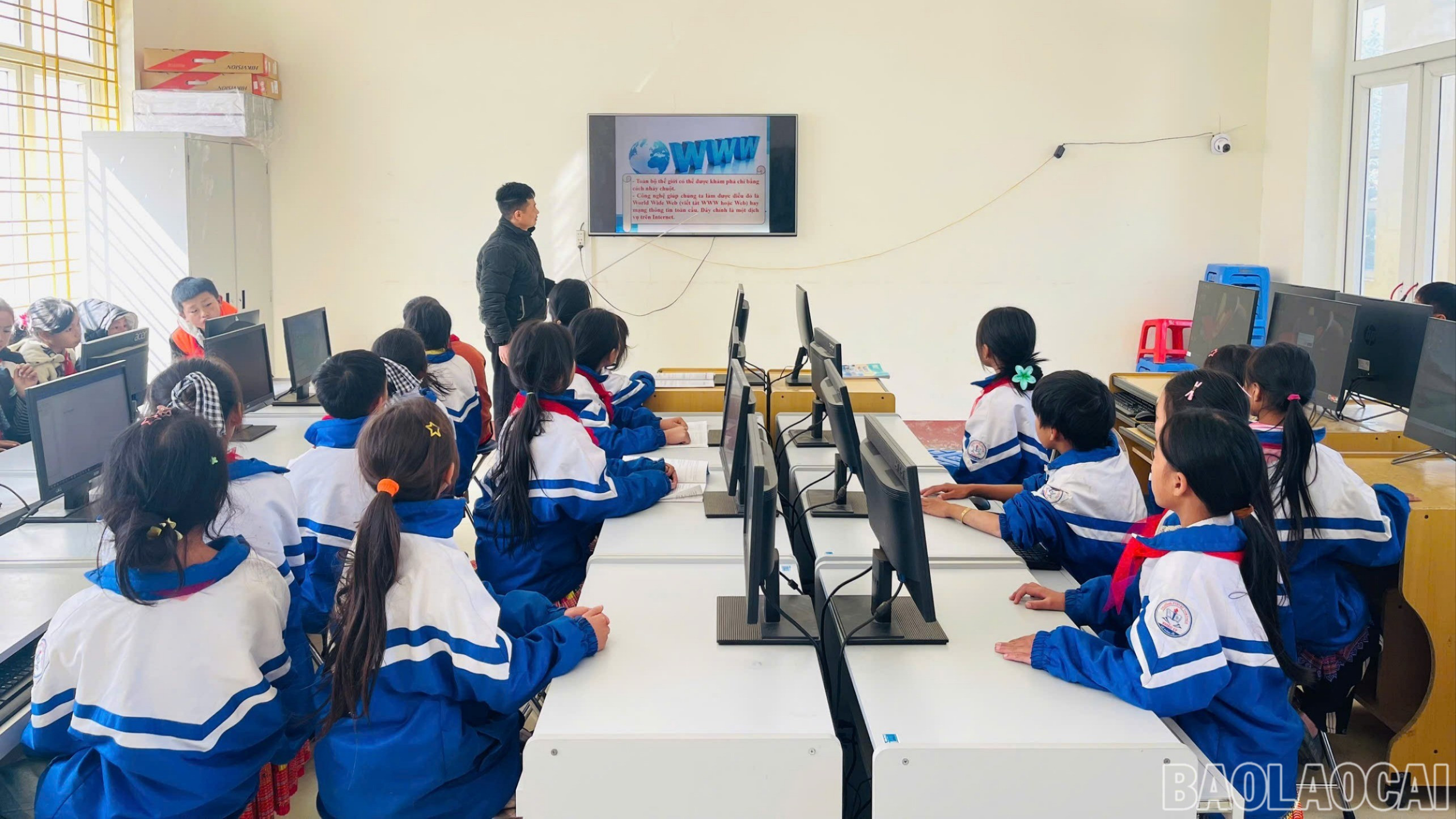
Besides keeping them warm from the outside, schools consider providing proper nutrition and sleep for boarding students as key solutions to boost their immunity.
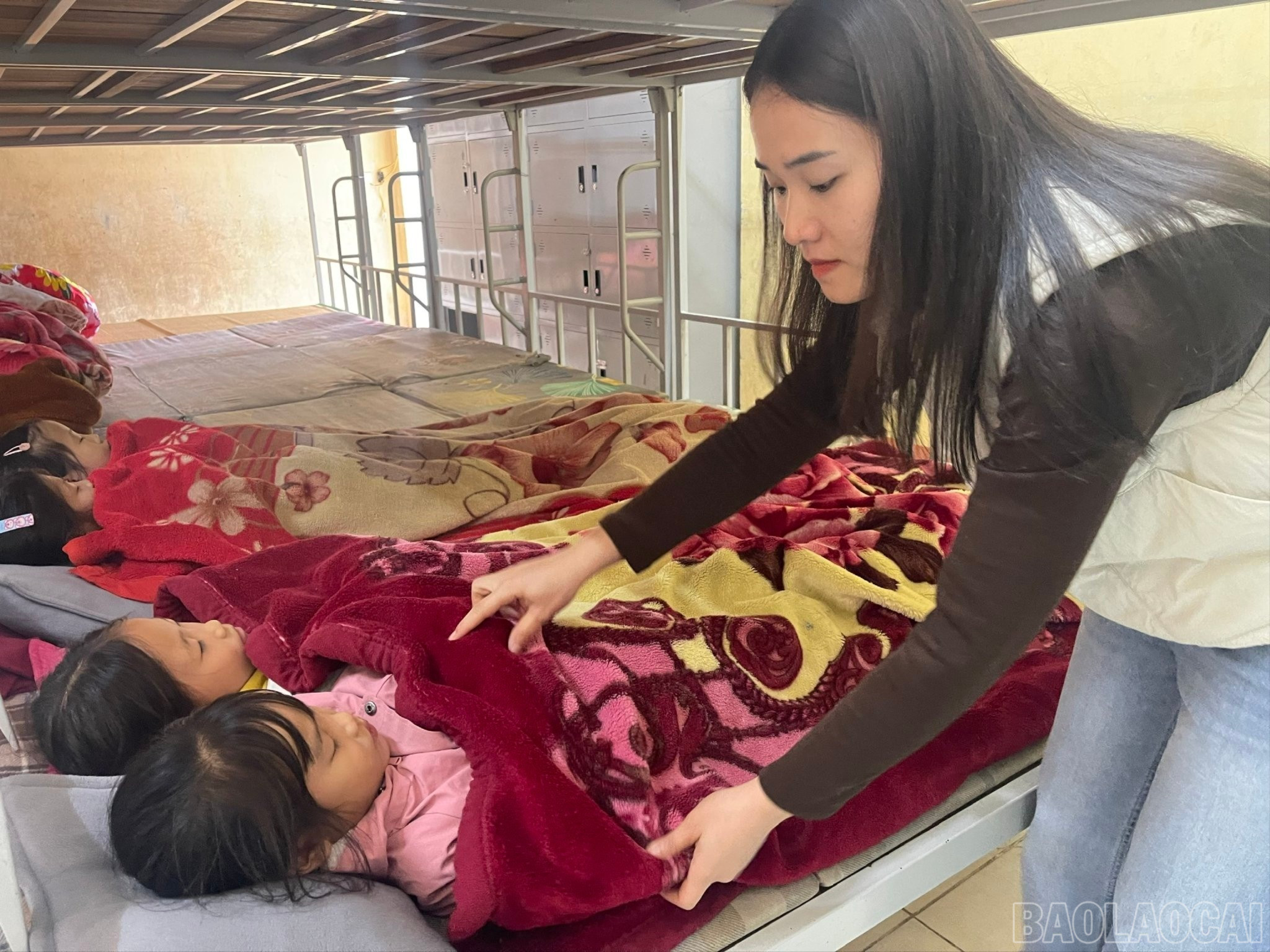
With 339 boarding students at the school, the boarding program at the Primary School is a significant challenge. The school in Mo Vang commune is very well organized. Ms. Do Thi Chinh, the homeroom teacher of class 1B, shared: “First-grade students are given priority to sleep on the lower bunk and on the inside to avoid drafts. Before bedtime, teachers always remind and check to ensure that the children have covered themselves with blankets and closed the doors carefully.”
Regarding personal hygiene, the children are bathed and washed with hot water. Older students are also instructed to help the younger ones prepare warm water, ensuring that students are absolutely not allowed to use cold water which could affect their health.”
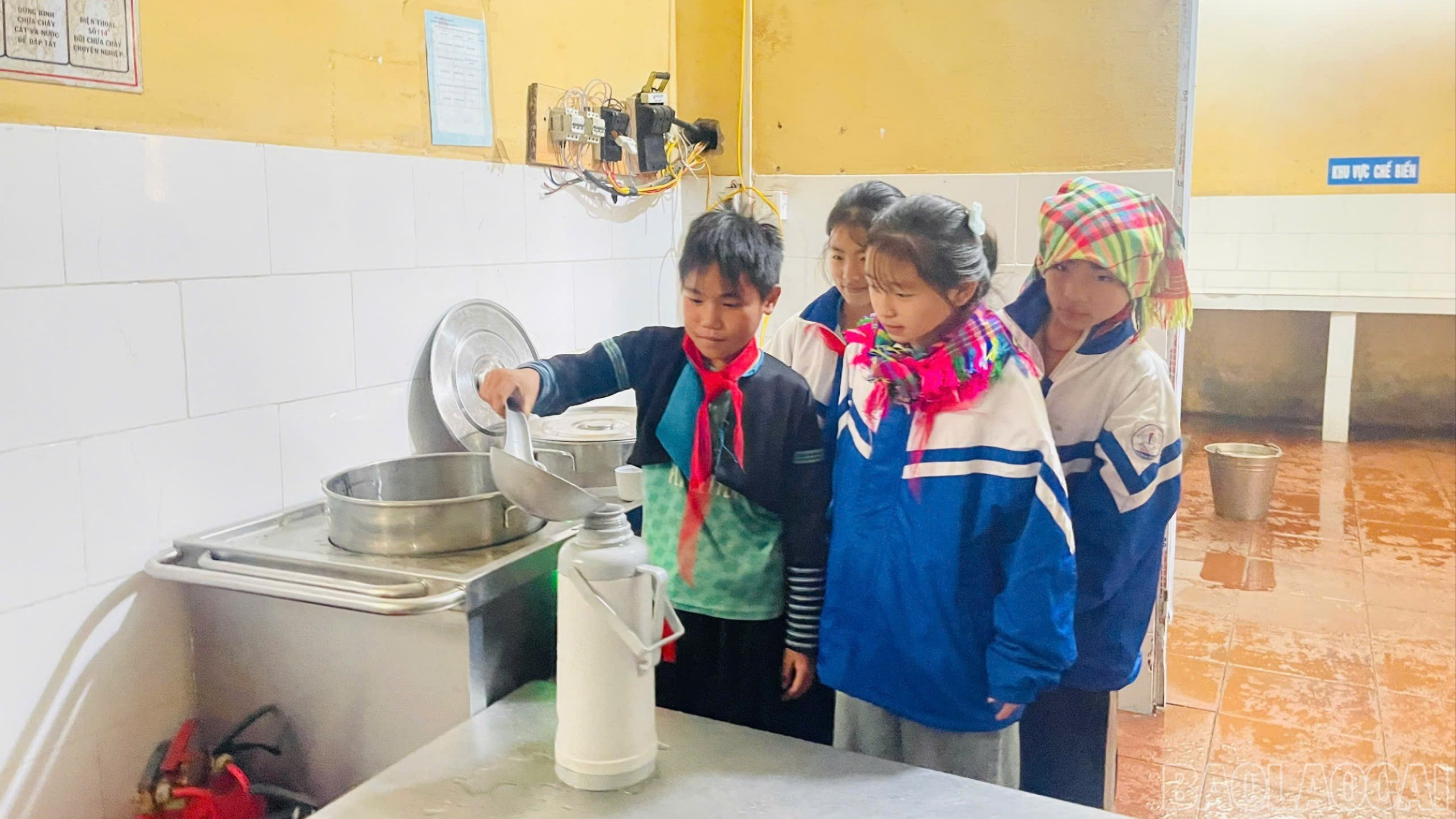
For Khau Ly Ethnic Boarding Primary and Secondary School, which has 672 boarding students, the school also focuses on providing warm water for students to drink and boiling hot water for daily use.
During this school year, the school has mobilized 847 warm jackets and 300 warm blankets to ensure that no student has to suffer from the cold.
The effectiveness of the warming measures also stems from flexible management; schools are empowered to proactively adjust class times based on actual daily weather conditions, ensuring maximum safety for students.
To address parents' reluctance to send their children to school, community outreach efforts have been intensified. Homeroom teachers continuously update parents through Zalo groups, informing them about the warm and welcoming classroom environment. The school administration and teachers also directly visit each village to meet with and educate parents.
In Phình Hồ commune, this proactive approach is further demonstrated by the 24/7 duty roster of teachers and staff during cold weather. The school assigns older students to assist younger students with daily activities.
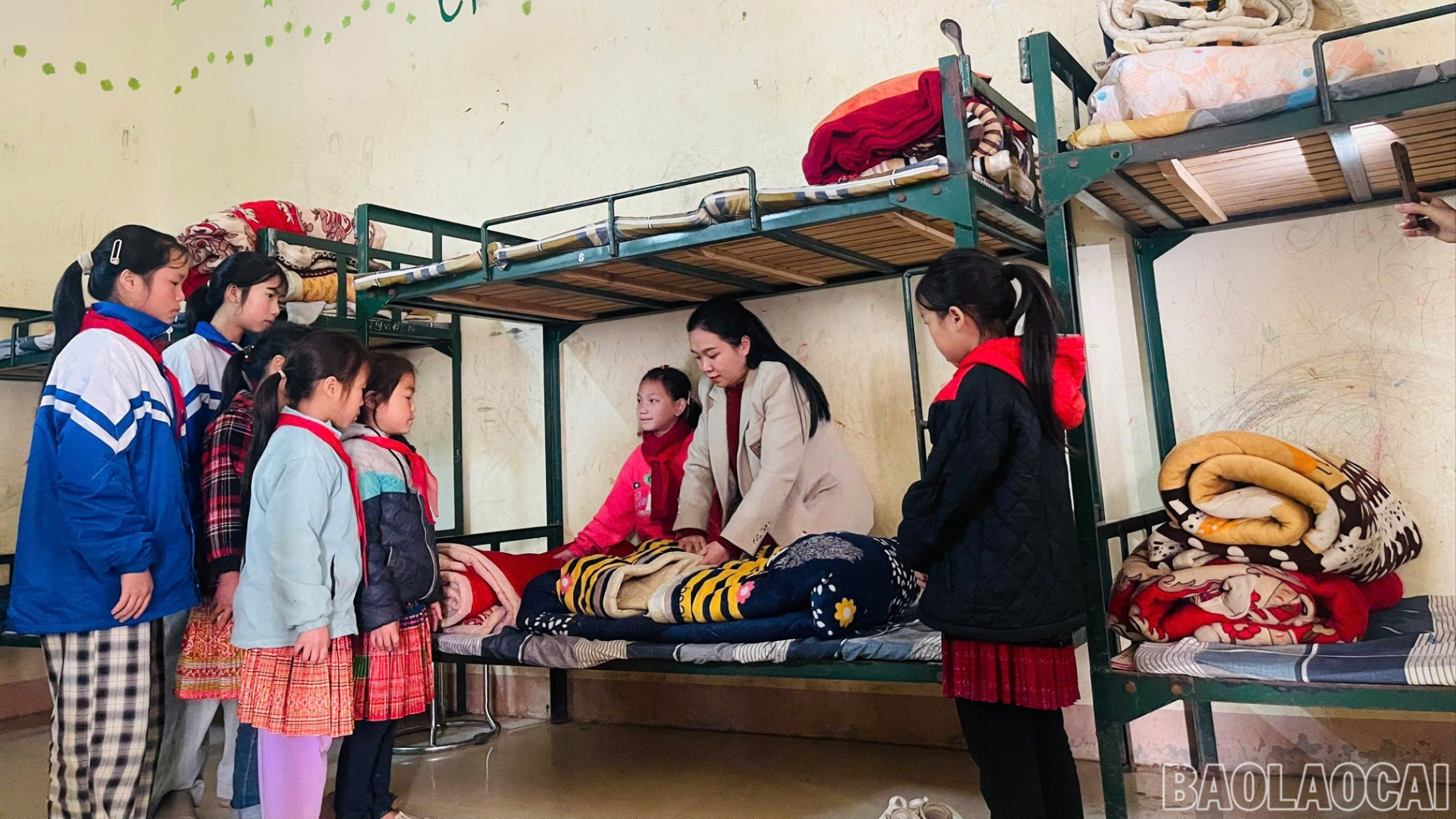
Hot meals, well-ventilated classrooms, and warm sleeping arrangements are the most practical incentives to retain students and ensure that education in the mountains is not interrupted by harsh weather conditions.
The results of these coordinated efforts are evident in the numbers: The attendance rate throughout the province consistently reached 96% or higher; specifically, at Mo Vang it reached 98%, and at Khau Ly it was over 94%.
Source: https://baolaocai.vn/no-luc-dam-bao-ty-le-chuyen-can-post888931.html

![[Photo] Prime Minister Pham Minh Chinh receives the Chinese Ambassador to Vietnam](https://vphoto.vietnam.vn/thumb/1200x675/vietnam/resource/IMAGE/2026/04/05/1775397481797_ndo_br_dsc-5512-jpg.webp)













































































Comment (0)